


Secondary sourceArtifactc. 300 BC
Stag Hunt Mosaic
Gnosis · c. 300 BC
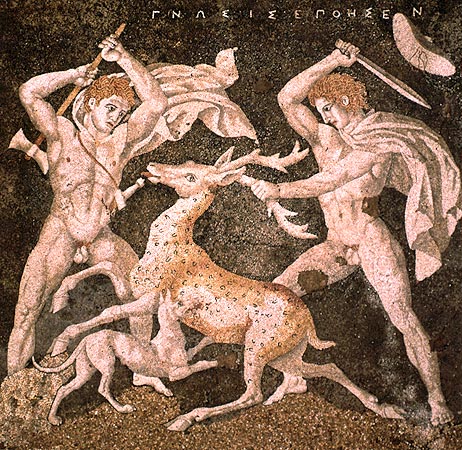
A pebble mosaic from a wealthy house in Pella, often interpreted as showing a young Alexander hunting with his companion Hephaestion.
Possibly the earliest surviving image of Alexander as a young man hunting with his companion Hephaestion in his home city of Pella.
About this source
What it is
This is a signed pebble mosaic from a mansion in Pella, called the 'House of the Abduction of Helen,' made around 300 BC by an artist named Gnosis. It is now in the Archaeological Museum of Pella in Greece.
The mosaic shows two nude hunters attacking a stag with a dog nearby, bordered by floral and wave patterns.
Why it matters
Because of the date and the hairstyle of the figure on the right, many scholars think this may be a young Alexander the Great, with the figure on the left possibly his close companion Hephaestion. Pella was Alexander's birthplace, and the mosaic reflects the wealthy court culture he grew up in. Scholars also connect the hunting scene to Greek myth and to later ideas about Alexander's conquest of Persia.
Look closer
- What details make scholars think one figure might be Alexander?
- Why might a wealthy family want a hunting scene in their home?
- What does this mosaic tell us about the skills and status of its maker, Gnosis?
This artifact is part of the curated material that grounds the AI version of Alexander the Great on Humy.ai — when students ask about related events, the AI can quote it and cite it.
More Alexander the Great sources
Meet the AI Alexander the Great →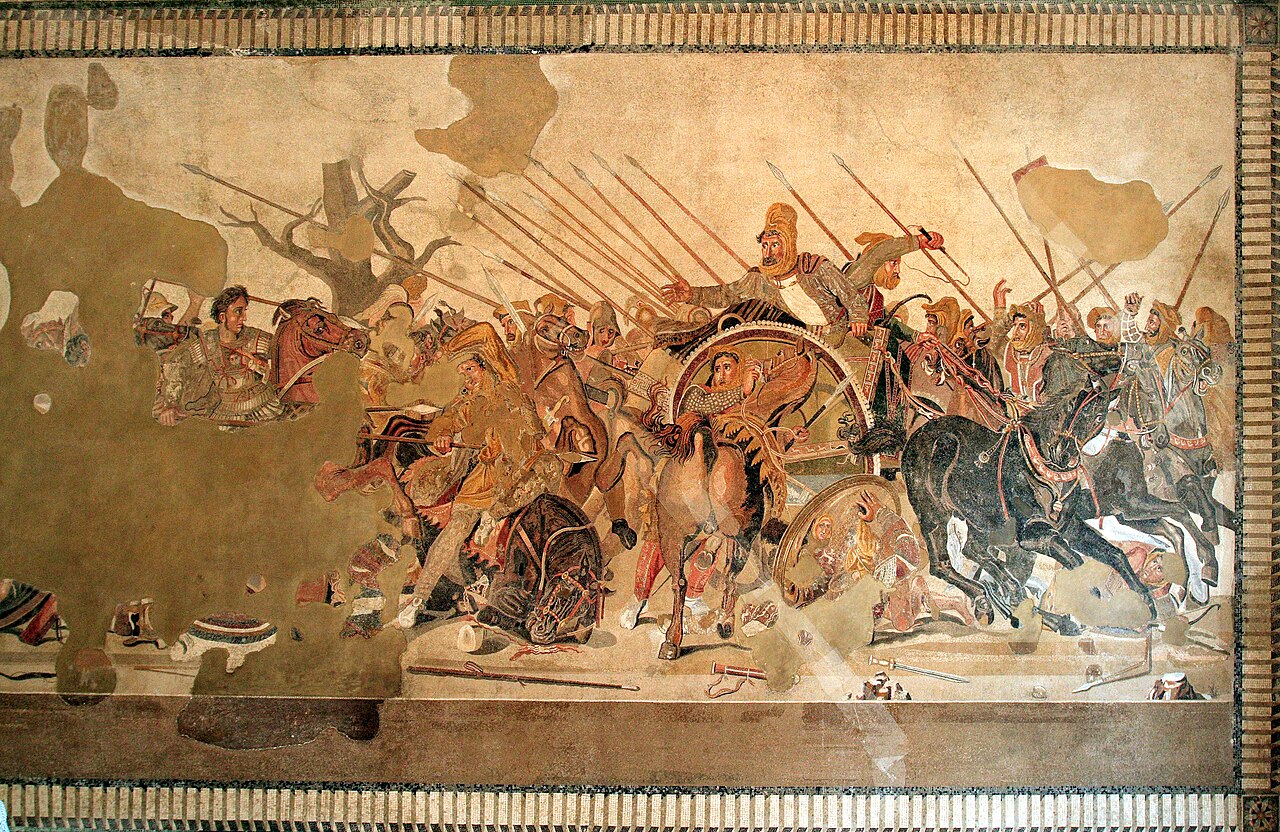 Artifact
Secondary source
Alexander Mosaic
Philoxenus of Eretria · c. 120-100 BCE (copy of an earlier Hellenistic painting)
 Painting
Secondary source
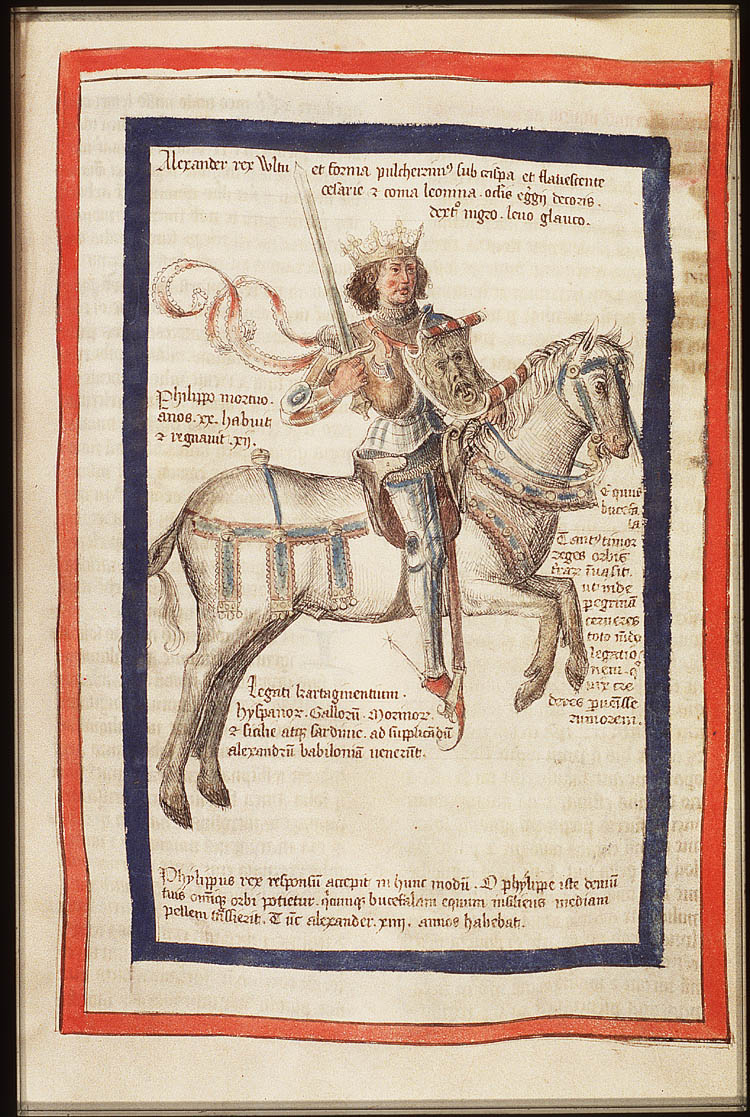
Alexander the Great riding Bucephalus
1460
 Artifact
Primary source
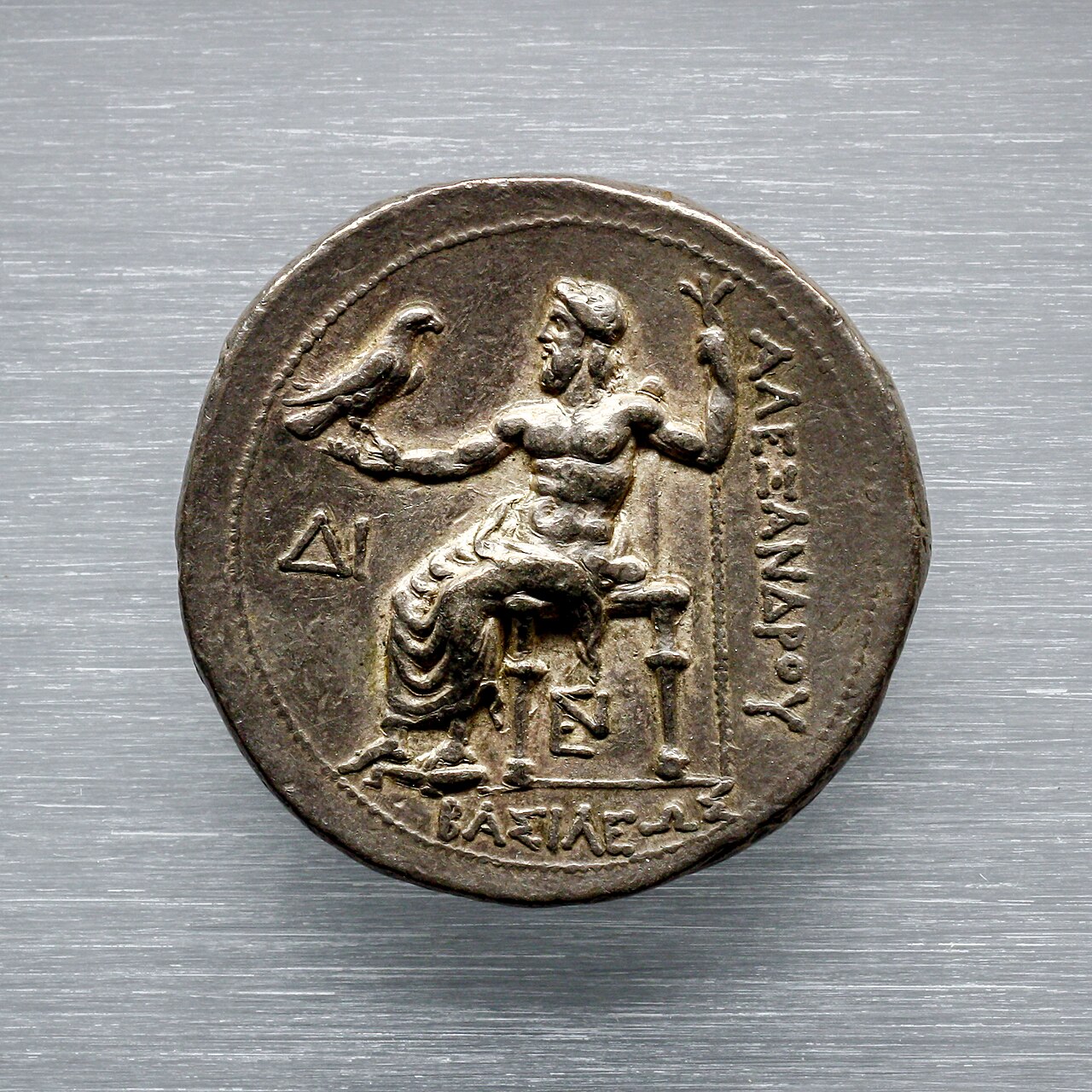
Silver Tetradrachm of Alexander the Great
Royal mints of Alexander III · c. 336-323 BCE
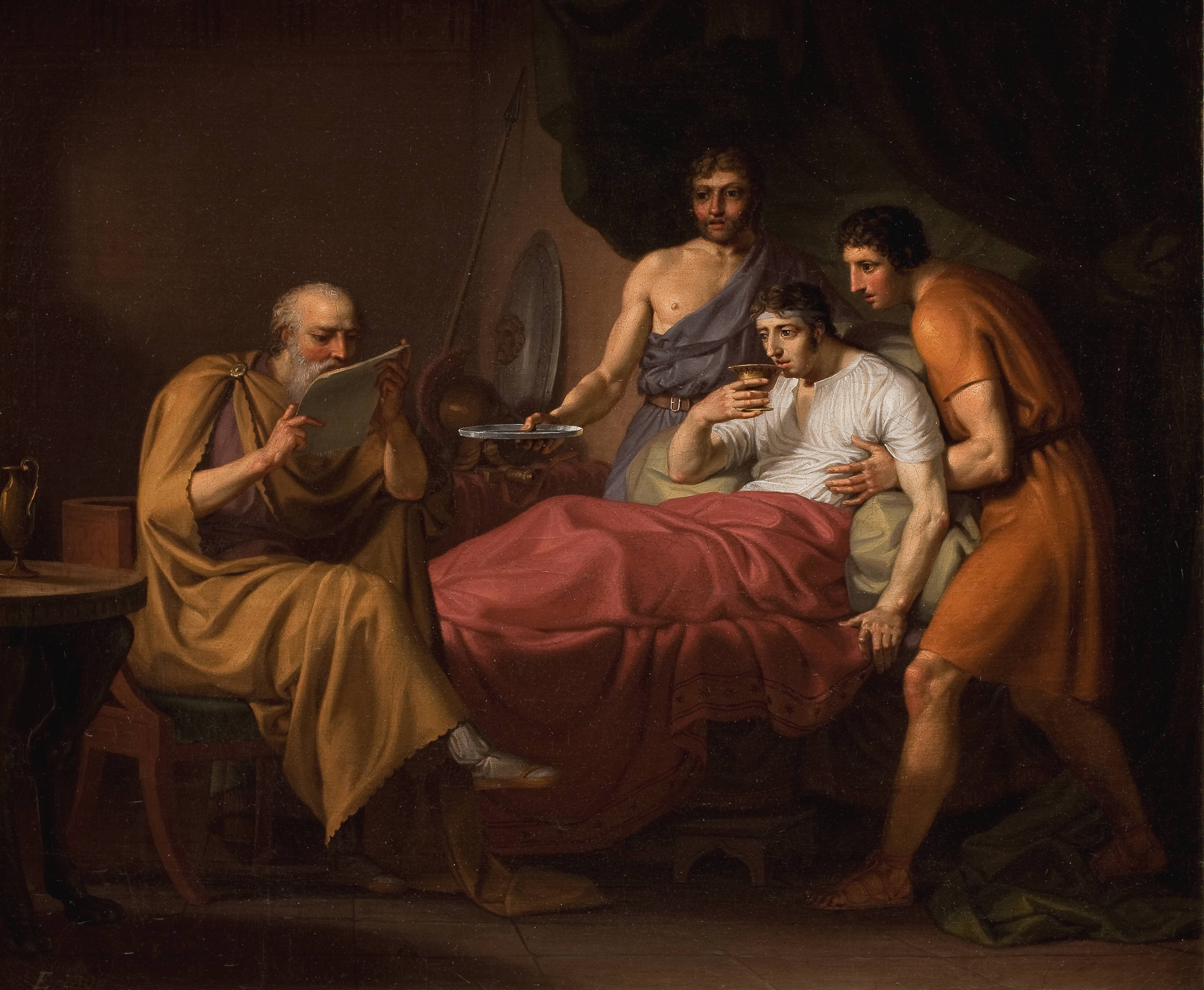 Painting
Secondary source
Alexander the Great on his Sickbed
1806
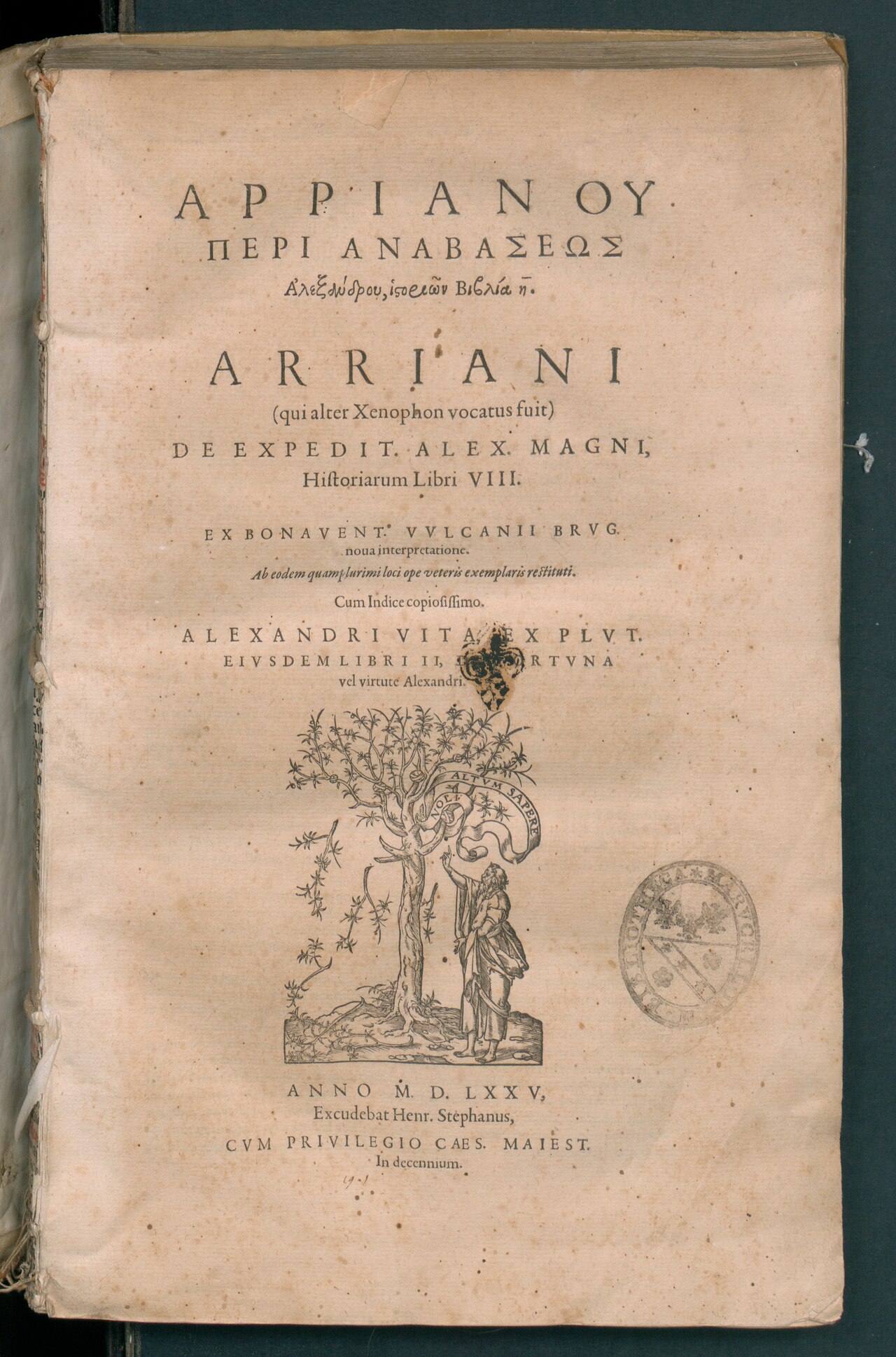 Book
Secondary source
Anabasis of Alexander
Arrian · c. 150 AD
Ready when you are
Start chatting with Alexander the Great now.
20 messages free · No credit card · Available in 50+ languages.