


Primary sourceArtifact1813
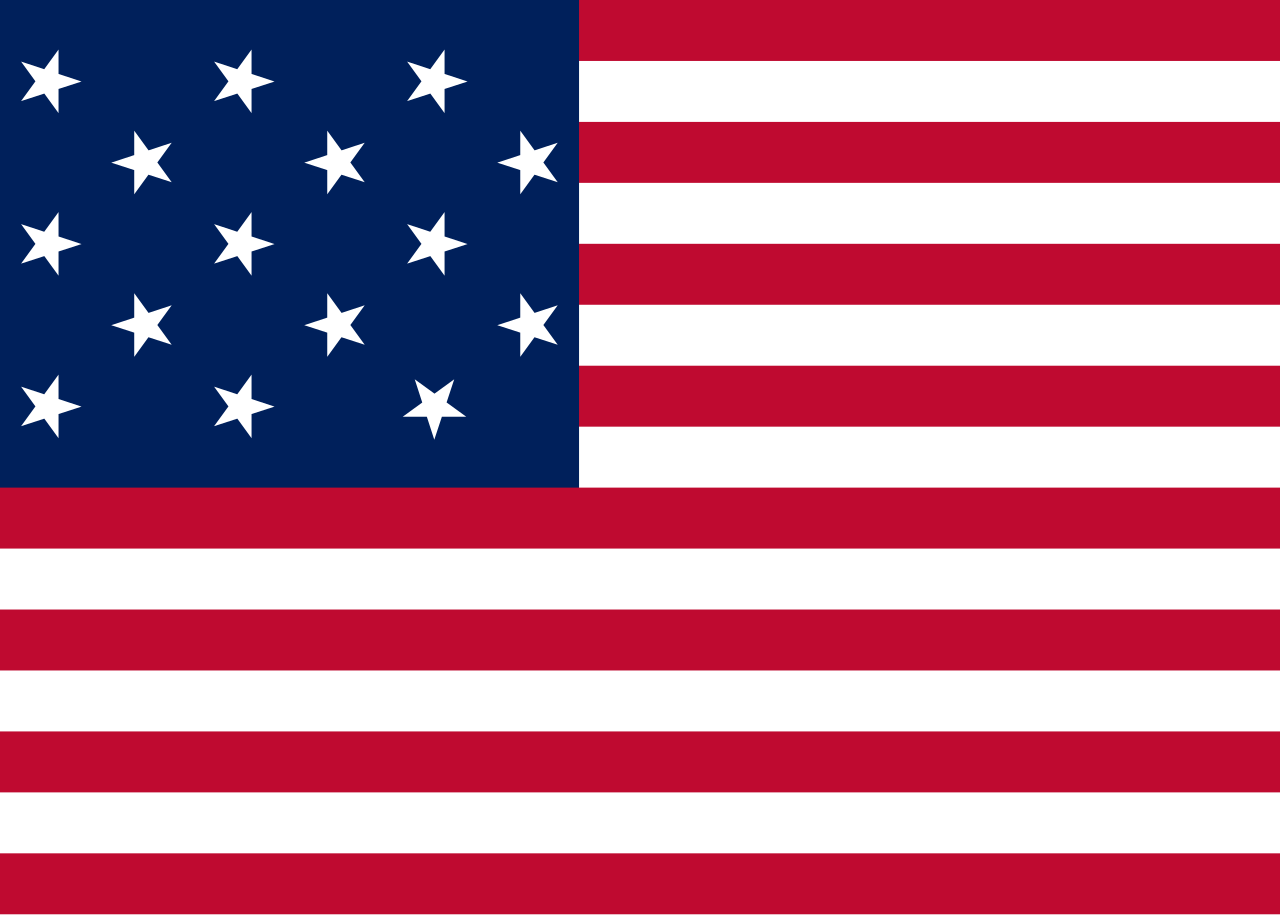
Star Spangled Banner Flag
Mary Young Pickersgill · 1813
The huge garrison flag that flew over Fort McHenry and inspired Francis Scott Key to write his famous poem.
This is the actual flag Key saw at dawn over Fort McHenry, the sight that inspired his poem.
About this source
What it is
This enormous flag with fifteen stars and fifteen stripes was sewn in 1813 by Baltimore flagmaker Mary Young Pickersgill, with help from her daughter, nieces, and an indentured servant named Grace Wisher. It flew over Fort McHenry during the War of 1812 and is now held by the National Museum of American History.
Why it matters
Seeing this flag still flying over the fort on the morning of September 14, 1814, inspired Francis Scott Key to write the poem that became "The Star-Spangled Banner." The flag connects the work of ordinary craftswomen like Pickersgill to a national symbol, and shows how a wartime object can become a lasting piece of American identity.
Look closer
- Why do you think the fort's commander wanted such a large flag made?
- What does the missing star and cut fabric tell you about how the flag was used after the battle?
- Whose labor and skill actually made this flag, and whose name is best remembered for it?
This artifact is part of the curated material that grounds the AI version of Francis Scott Key on Humy.ai — when students ask about related events, the AI can quote it and cite it.
More Francis Scott Key sources
Meet the AI Francis Scott Key →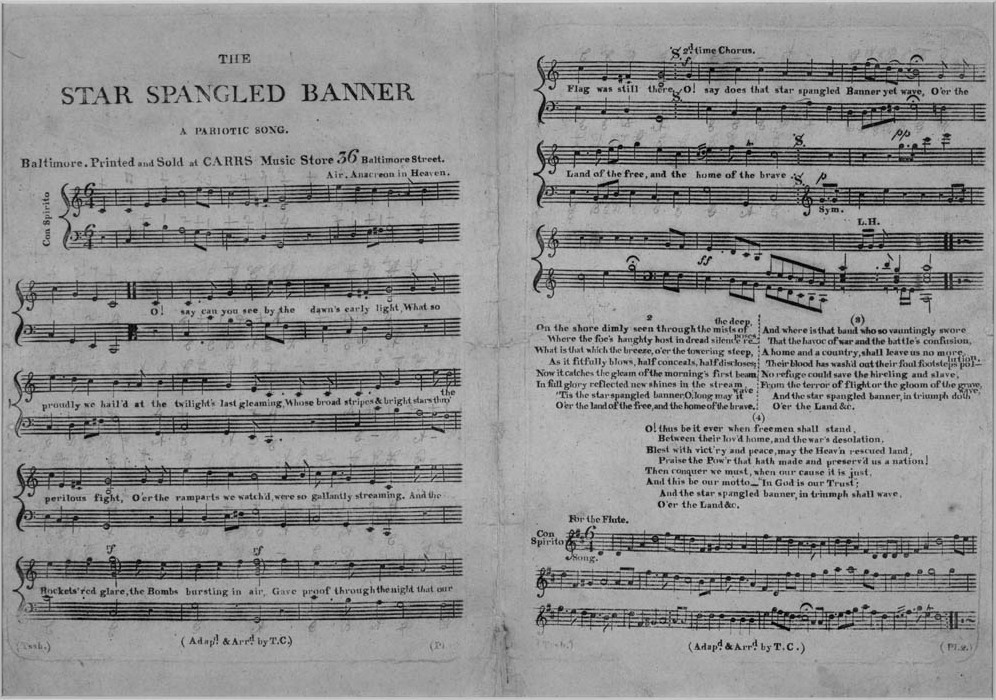 Document
Primary source
The Star-Spangled Banner
Francis Scott Key · 1814
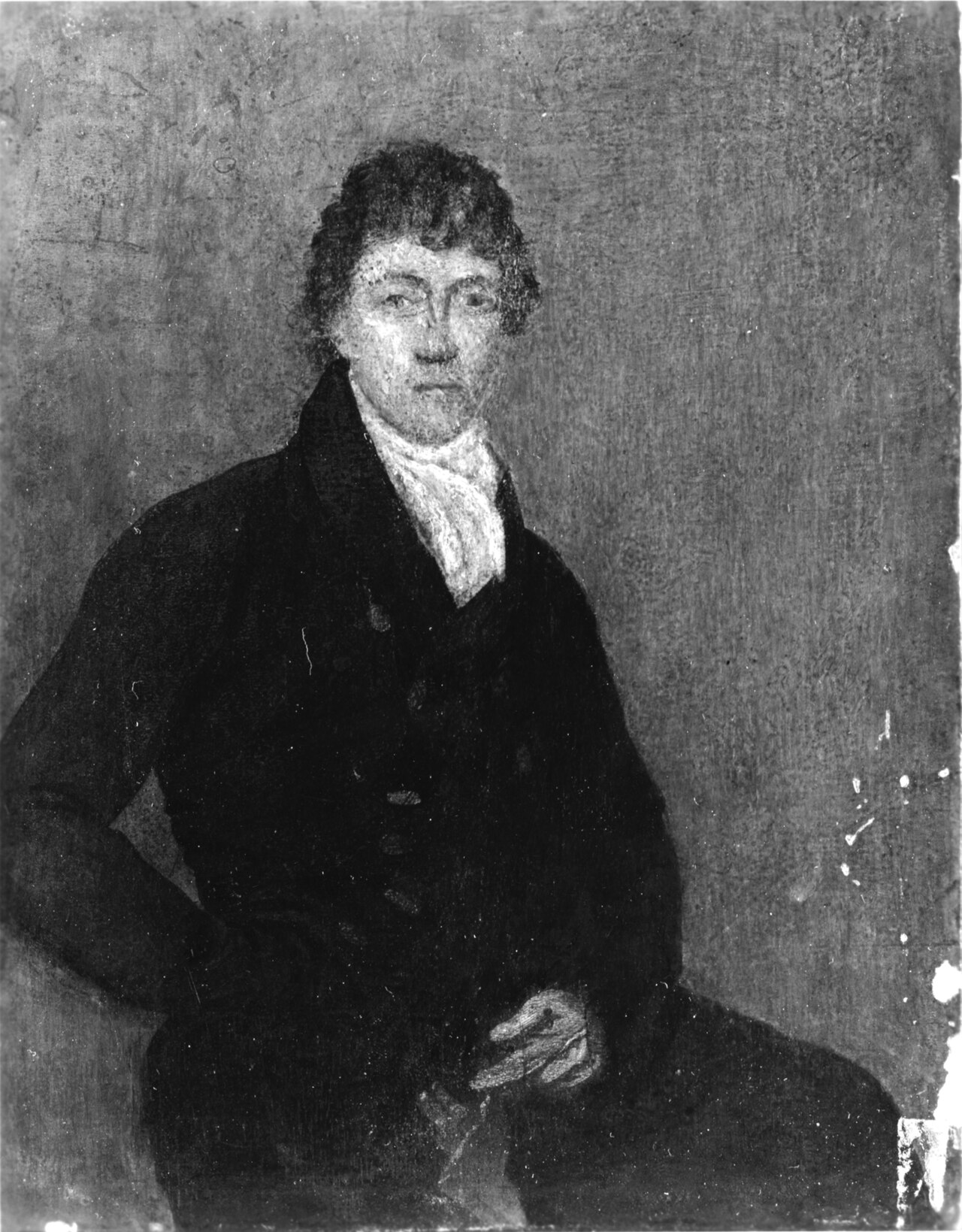 Painting
Primary source
Francis Scott Key
Joseph Wood · 1850
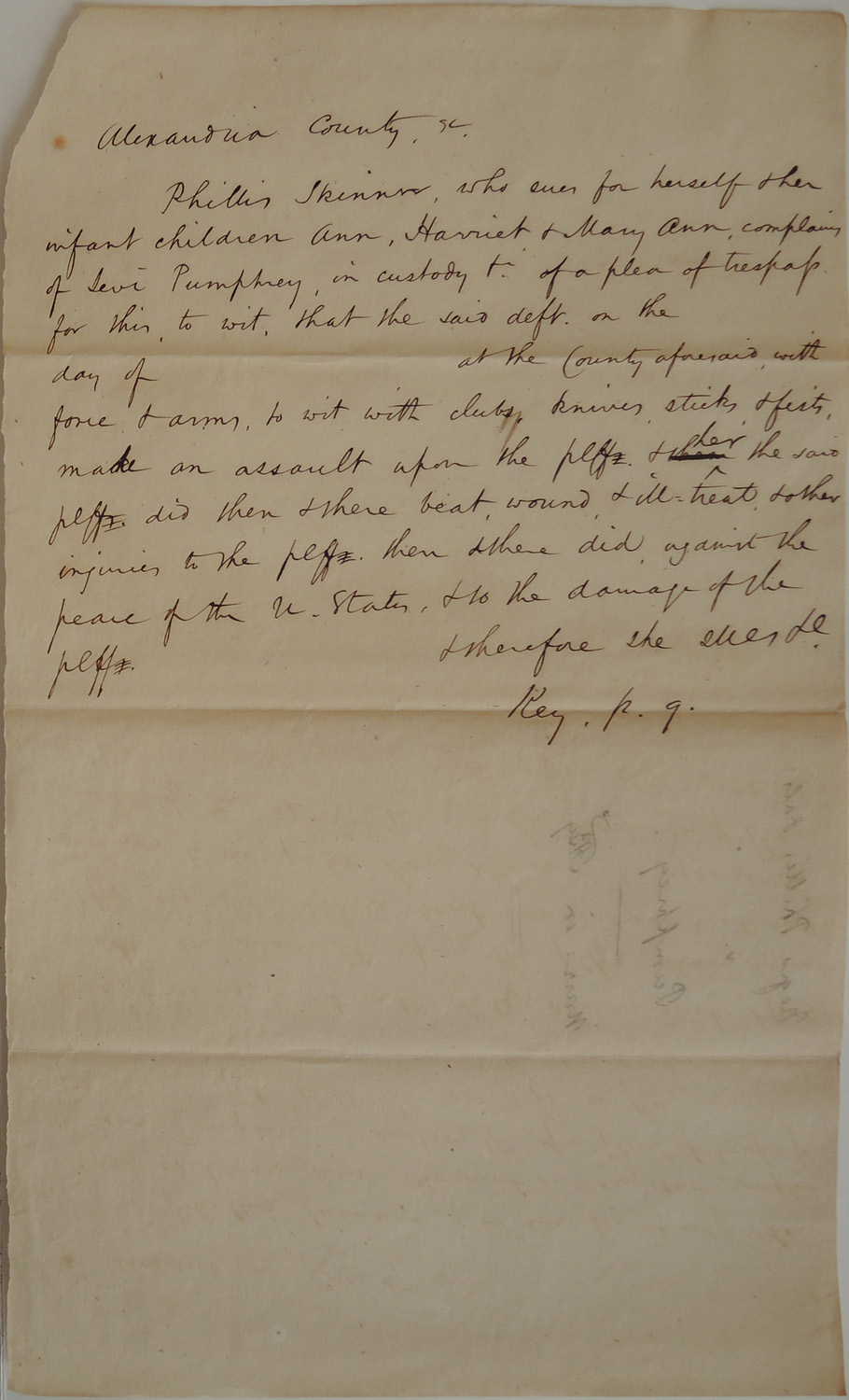 Document
Primary source
Phillis Shiner Freedom Petition
Francis Scott Key · 1 May 1833
 Document
Primary source
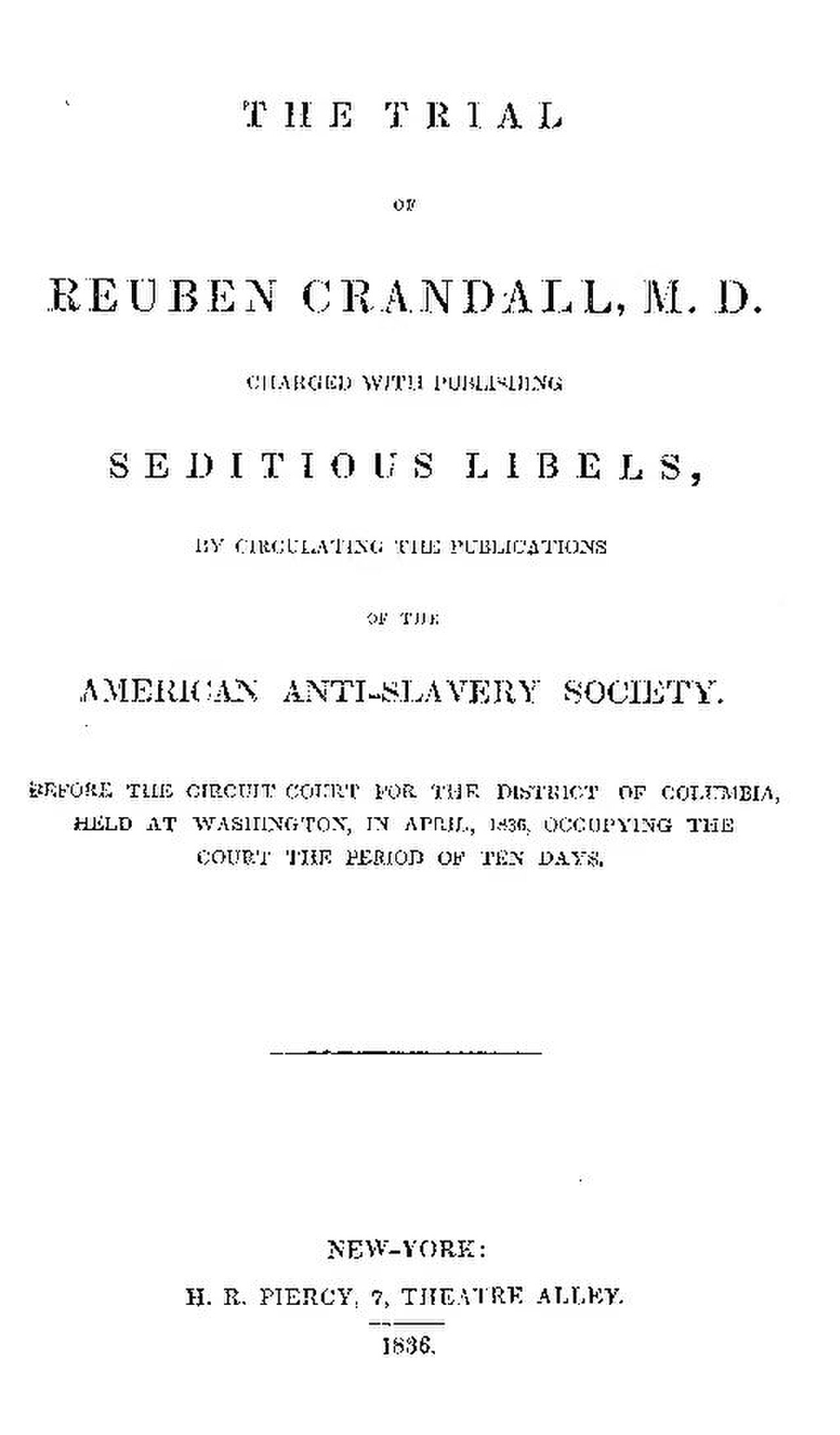
The Trial of Reuben Crandall, M.D., Charged with Publishing Seditious Libels
Court record (published Washington, 1836–37) · 1836-1837
 Document
Primary source
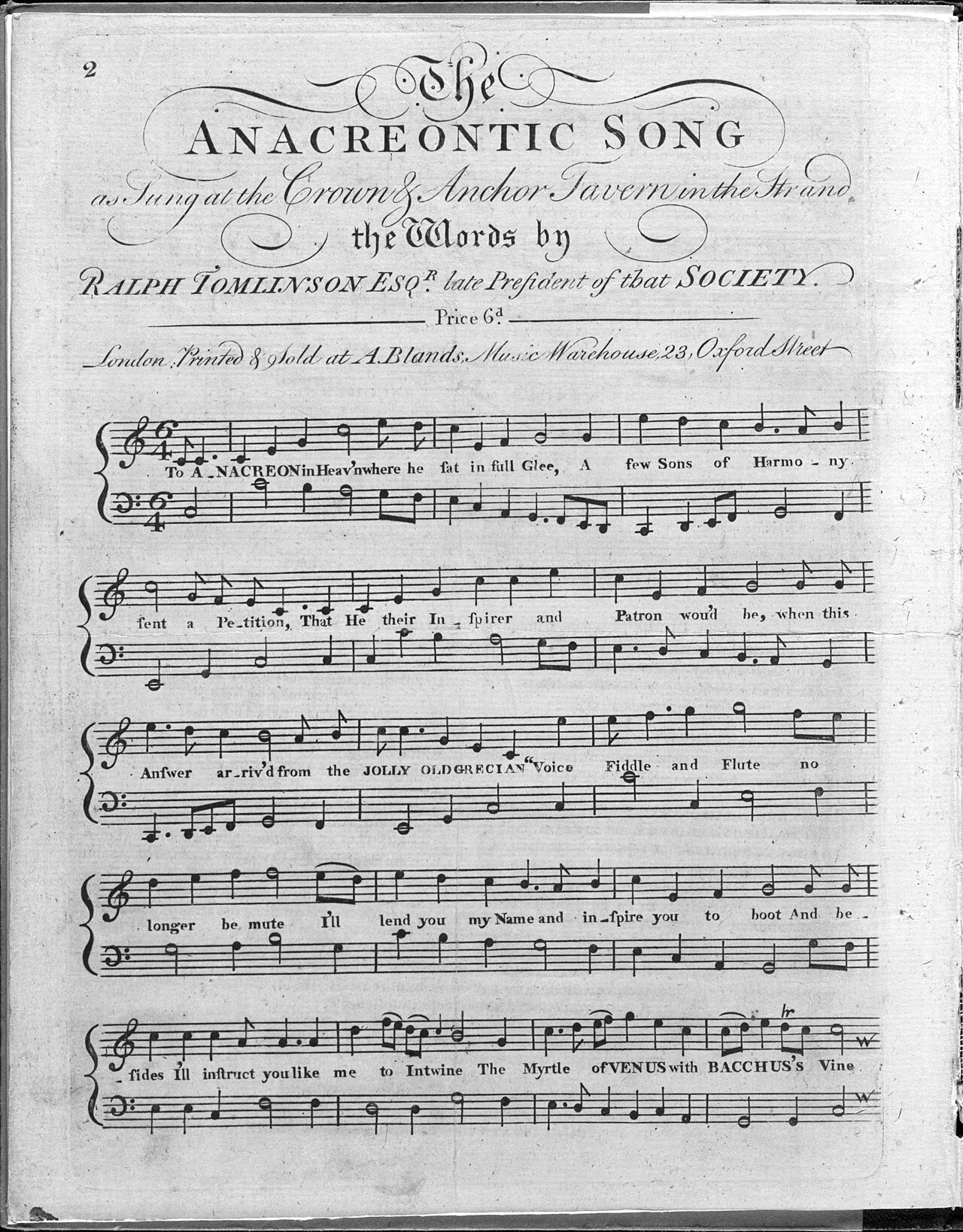
To Anacreon in Heaven
John Stafford Smith · c. 1770s-1780s
Ready when you are
Start chatting with Francis Scott Key now.
20 messages free · No credit card · Available in 50+ languages.