


Primary sourceDocument1814
The Star-Spangled Banner
Francis Scott Key · 1814
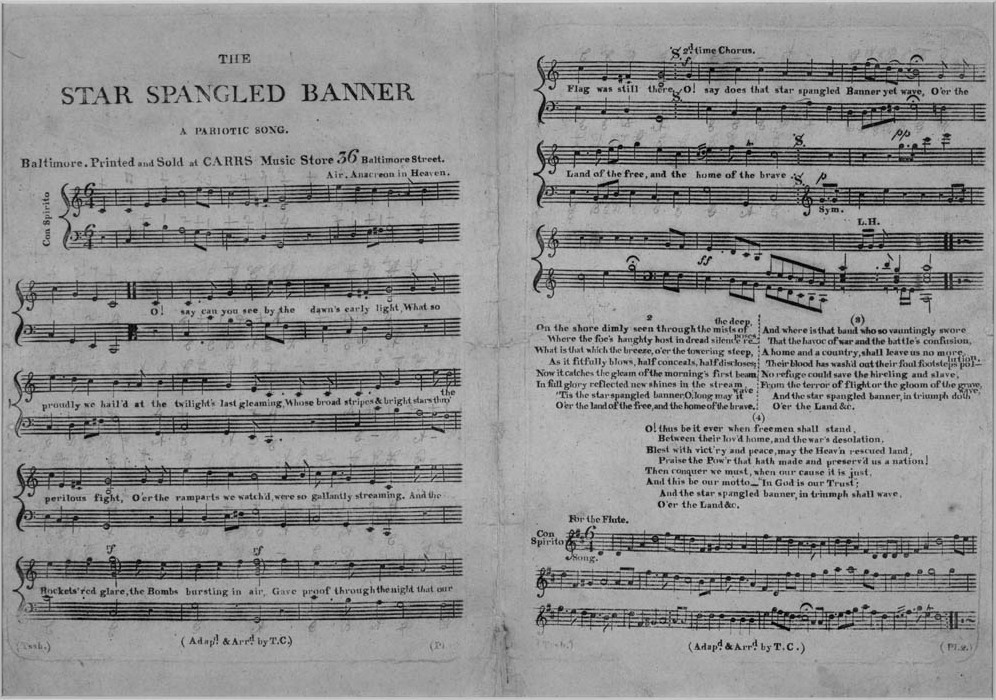
The printed lyrics and tune of the U.S. national anthem, based on the poem Francis Scott Key wrote after watching the bombardment of Fort McHenry.
This is Key's own poem, written after he witnessed the battle, that became the lyrics of the national anthem.
About this source
What it is
This is an early printed sheet of "The Star Spangled Banner," combining Francis Scott Key's poem with the music of "The Anacreontic Song" by John Stafford Smith. Key wrote the poem in September 1814 after seeing Fort McHenry's flag still flying after a long British bombardment during the War of 1812.
Why it matters
The poem became one of the most famous patriotic texts in American history, eventually adopted in 1931 as the official national anthem. It reflects Key's personal experience of a dramatic moment in the war, and shows how a poem written for one occasion can take on a much larger national meaning over time.
Look closer
- Why do you think Key chose an existing British tune for his words instead of writing new music?
- What does the opening explanation of the poem's origin tell you about how people understood the event at the time?
- Why might only the first stanza be commonly sung today?
This document is part of the curated material that grounds the AI version of Francis Scott Key on Humy.ai — when students ask about related events, the AI can quote it and cite it.
More Francis Scott Key sources
Meet the AI Francis Scott Key →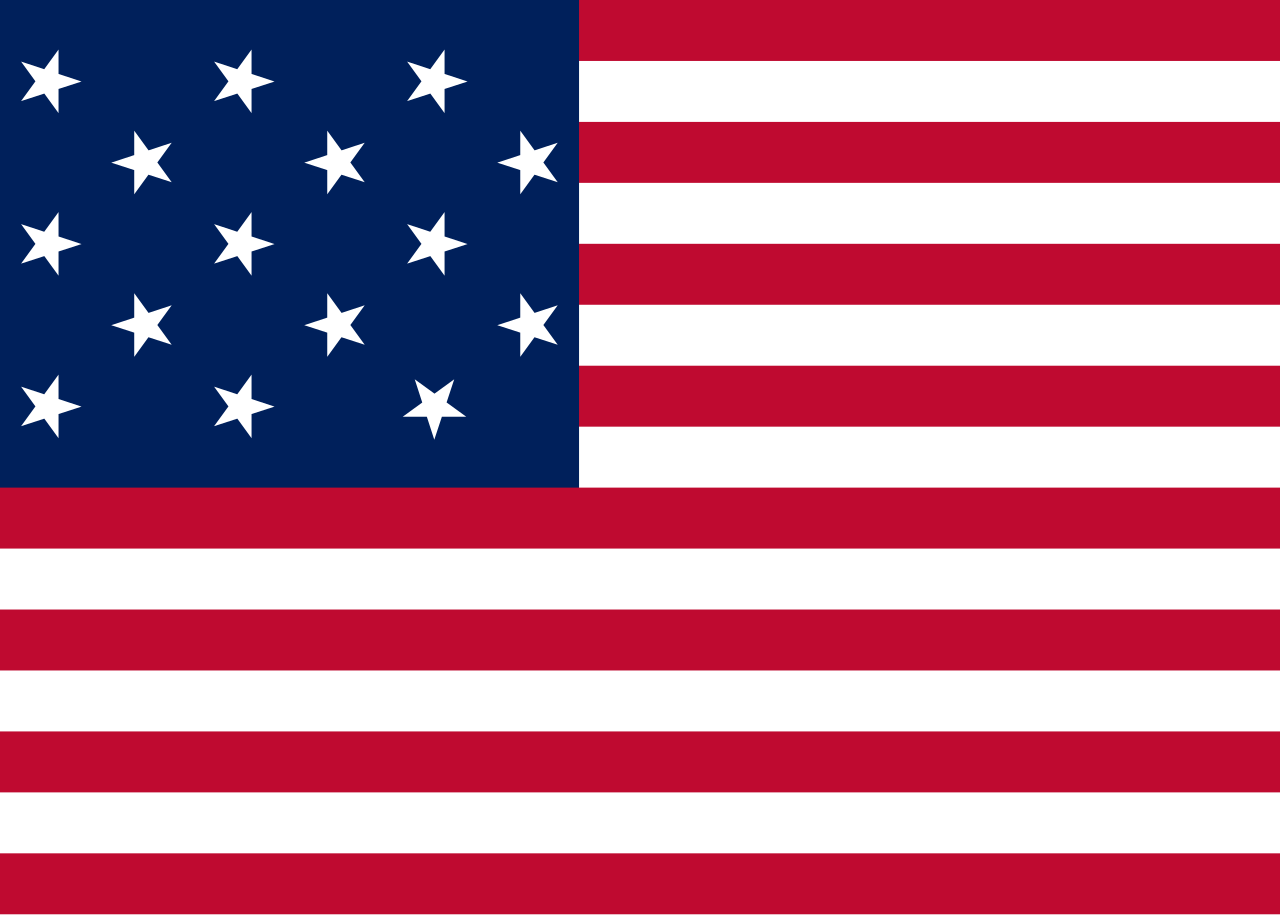 Artifact
Primary source
Star Spangled Banner Flag
Mary Young Pickersgill · 1813
 Painting
Primary source
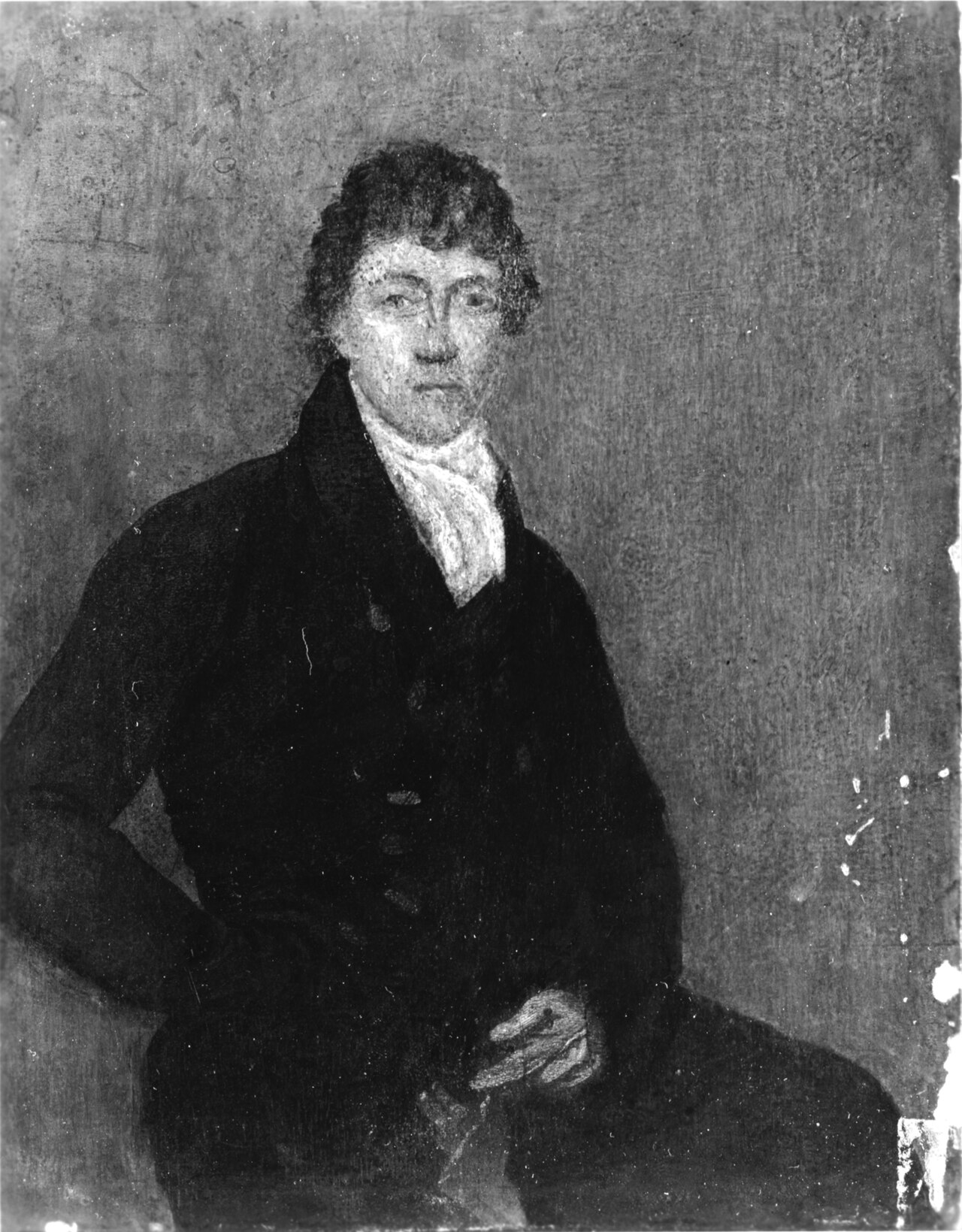
Francis Scott Key
Joseph Wood · 1850
 Document
Primary source
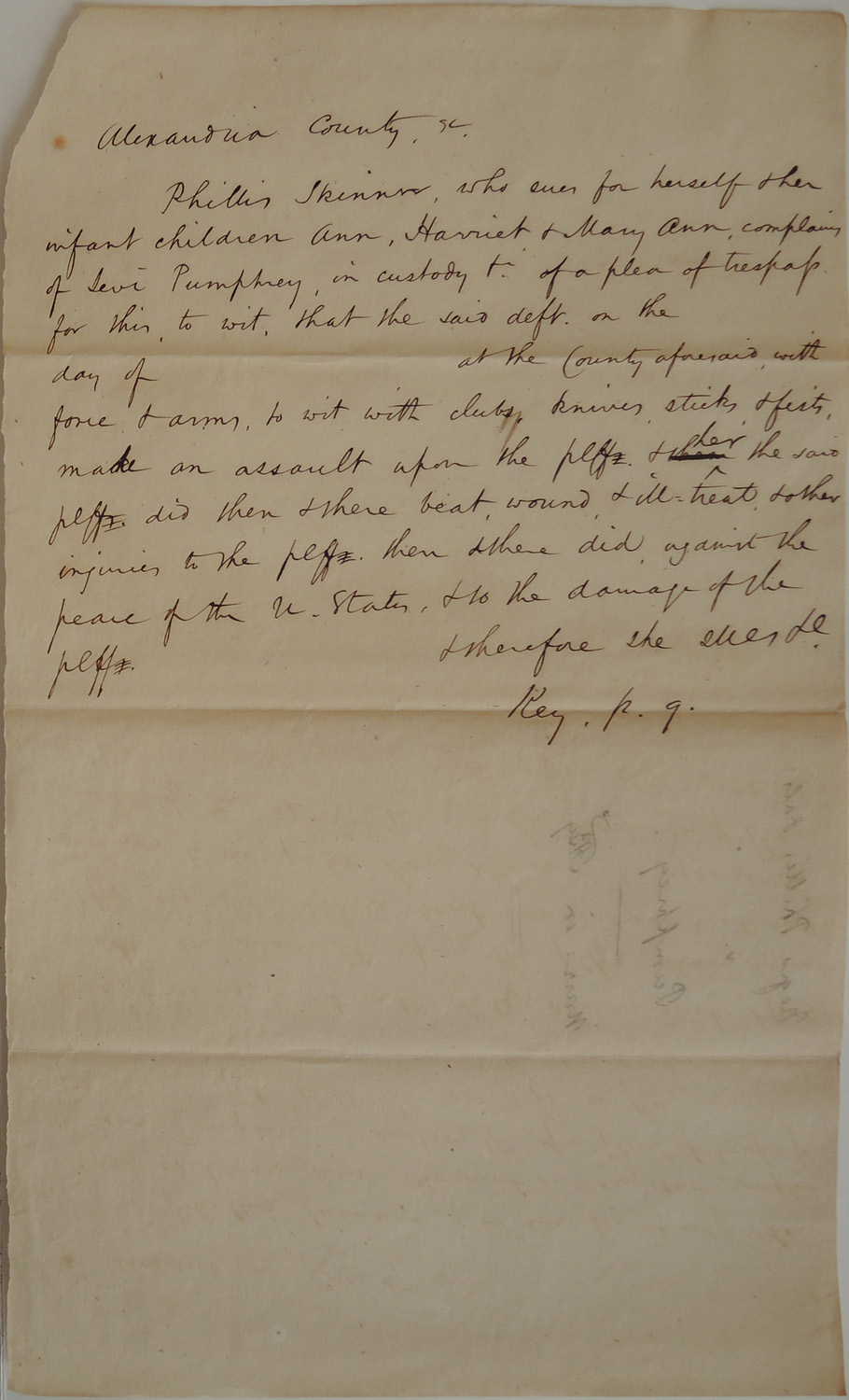
Phillis Shiner Freedom Petition
Francis Scott Key · 1 May 1833
 Document
Primary source
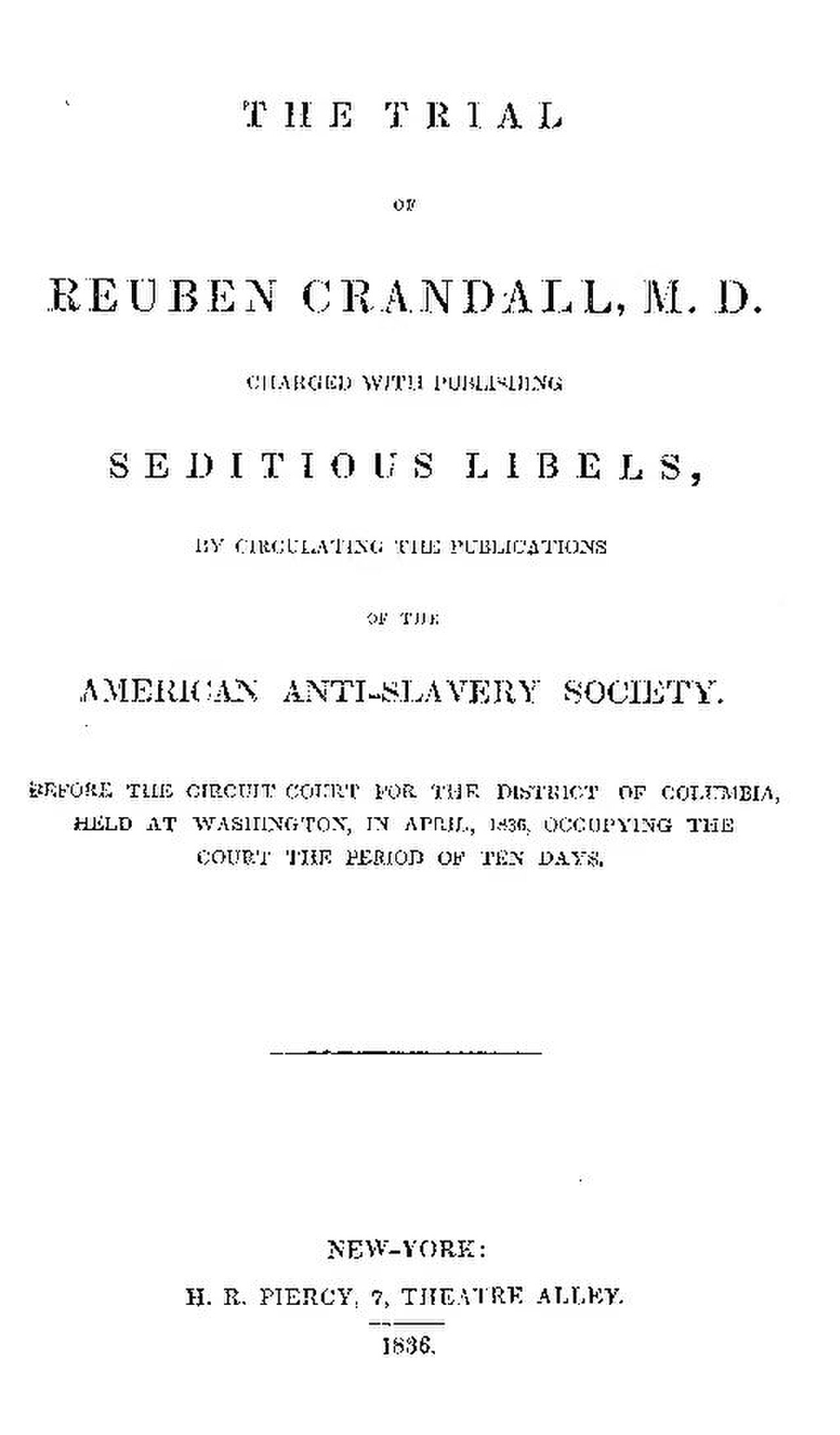
The Trial of Reuben Crandall, M.D., Charged with Publishing Seditious Libels
Court record (published Washington, 1836–37) · 1836-1837
 Document
Primary source
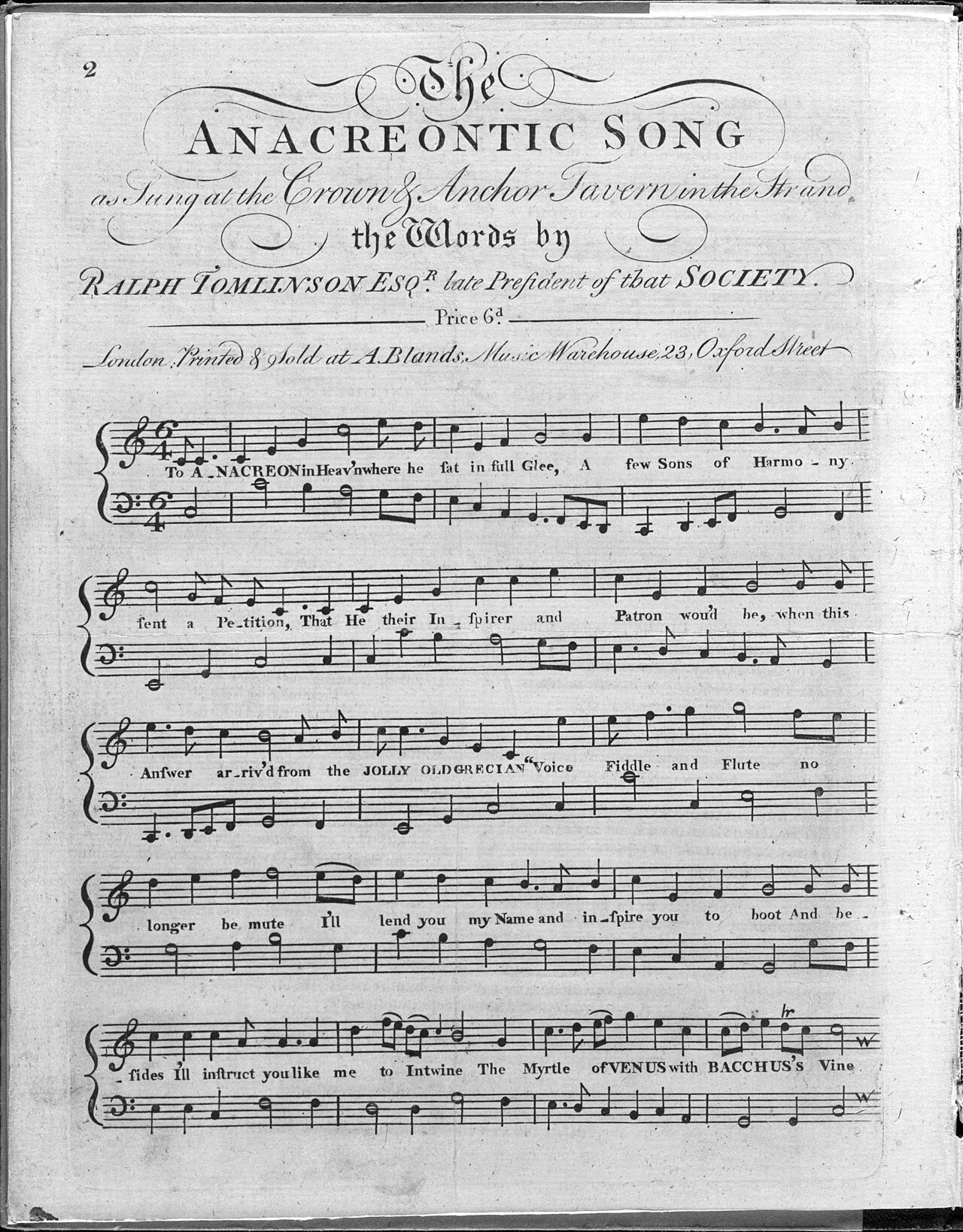
To Anacreon in Heaven
John Stafford Smith · c. 1770s-1780s
Ready when you are
Start chatting with Francis Scott Key now.
20 messages free · No credit card · Available in 50+ languages.