


Secondary sourcePainting18th century
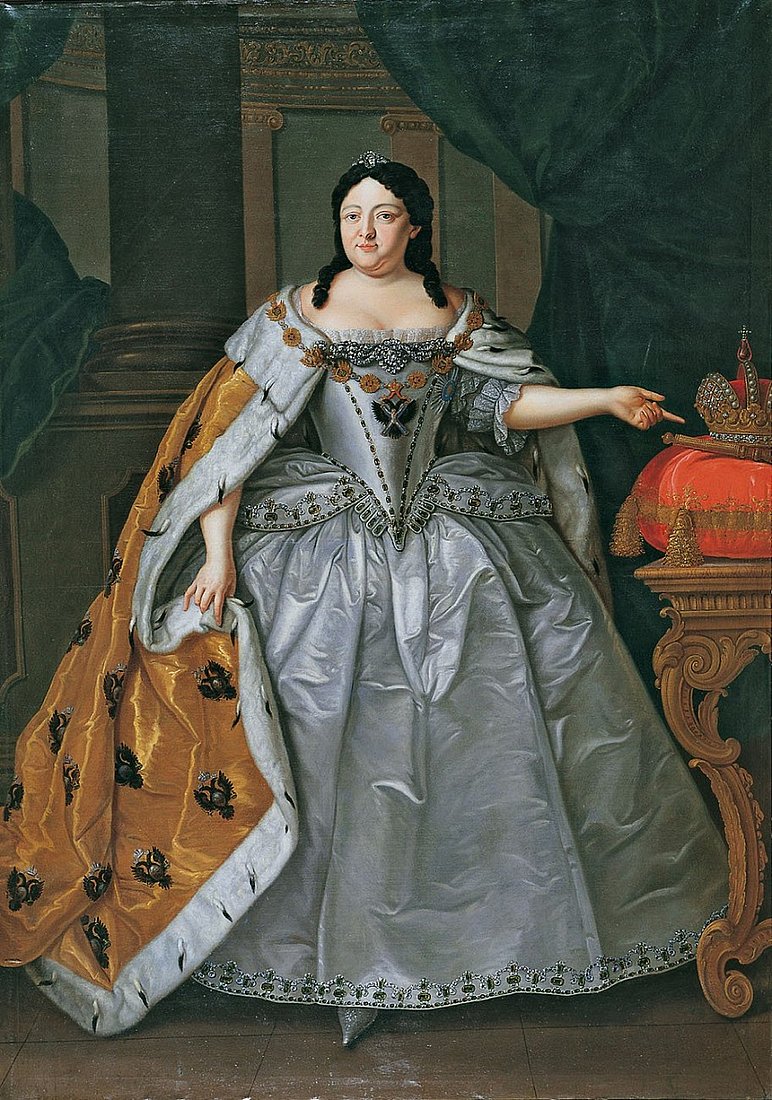
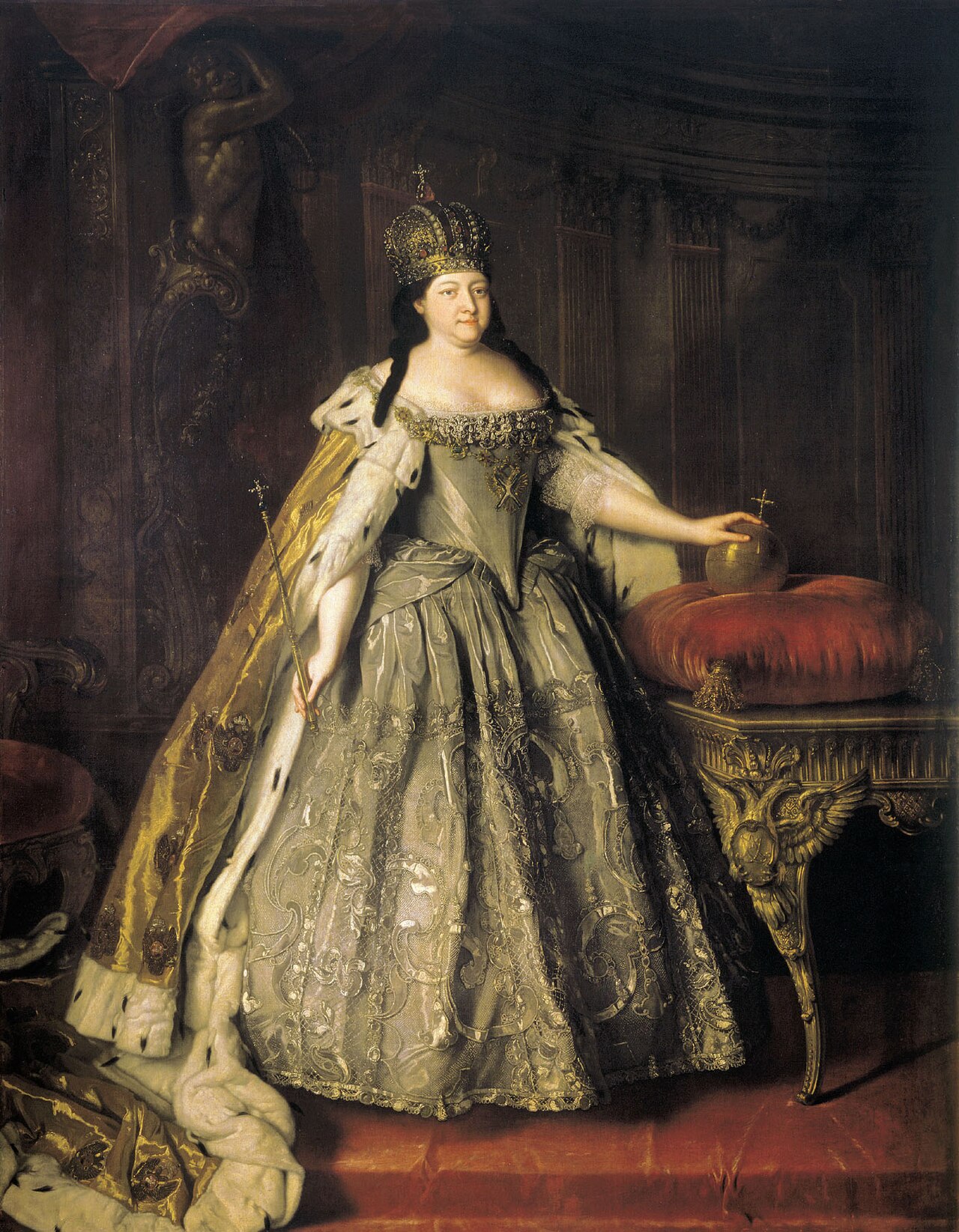
State Portrait of Anna I of Russia
After Louis Caravaque · 18th century
A large state portrait of Empress Anna made after Louis Caravaque, showing the formal symbols of her imperial rule.
A formal state portrait presenting Anna's imperial authority through traditional symbols of rule.
About this source
What it is
This large-format painting, made after Louis Caravaque in the 18th century, is a state portrait of Empress Anna I of Russia. She is shown in a silver-grey jeweled gown and ermine-trimmed mantle, wearing the collar of the Russian Order of St Andrew, beside a cushion holding the crown and sceptre.
Why it matters
State portraits like this followed a tradition going back centuries, using props such as curtains, columns and regalia to show a ruler's power. It reveals how Anna, daughter of Tsar Ivan IV and niece of Peter the Great, was presented to the public using symbols connected to Peter's own founding of the Order of St Andrew.
Look closer
- Why does Anna point toward the crown rather than wear it?
- What do the curtain, column and table of regalia add to the image?
- How does this formal image compare with how a ruler might actually have looked day to day?
This painting is part of the curated material that grounds the AI version of Anna of Russia on Humy.ai — when students ask about related events, the AI can quote it and cite it.
More Anna of Russia sources
Browse all 52 →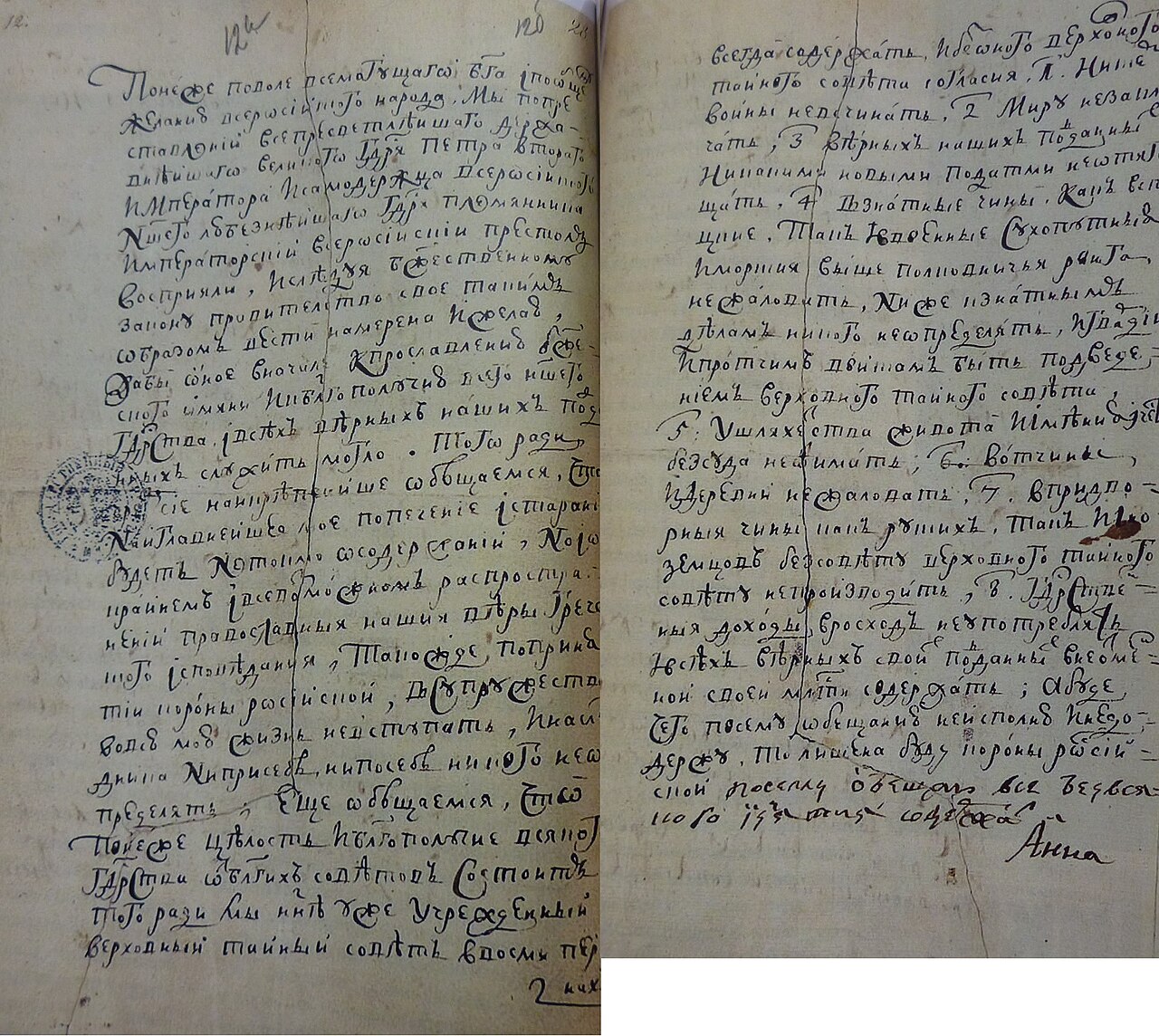 Document
Primary source
Conditions of 1730
Members of the Supreme Privy Council · January 1730
 Painting
Primary source
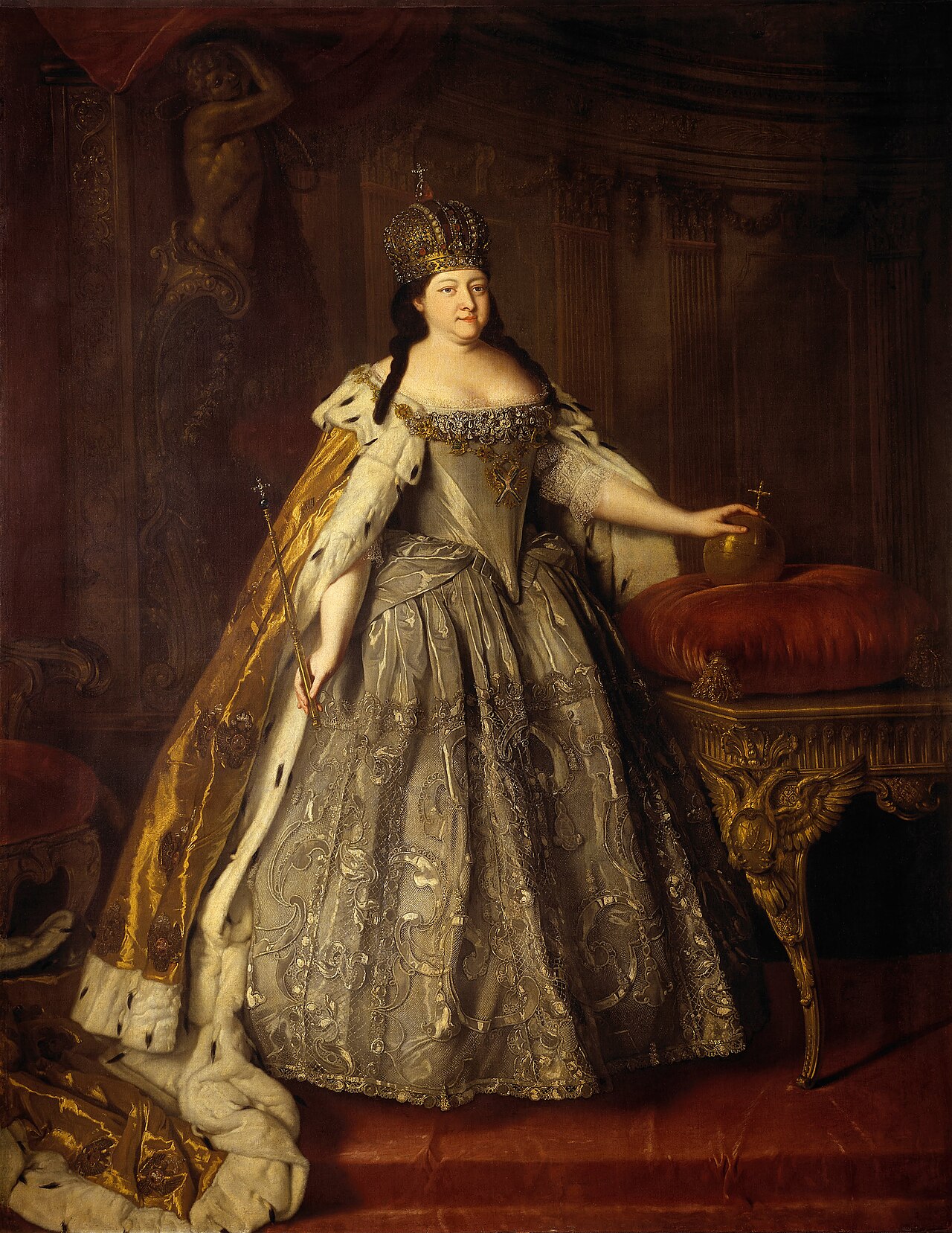
Portrait of Empress Anna Ioannovna
Louis Caravaque · 1730
 Painting
Primary source
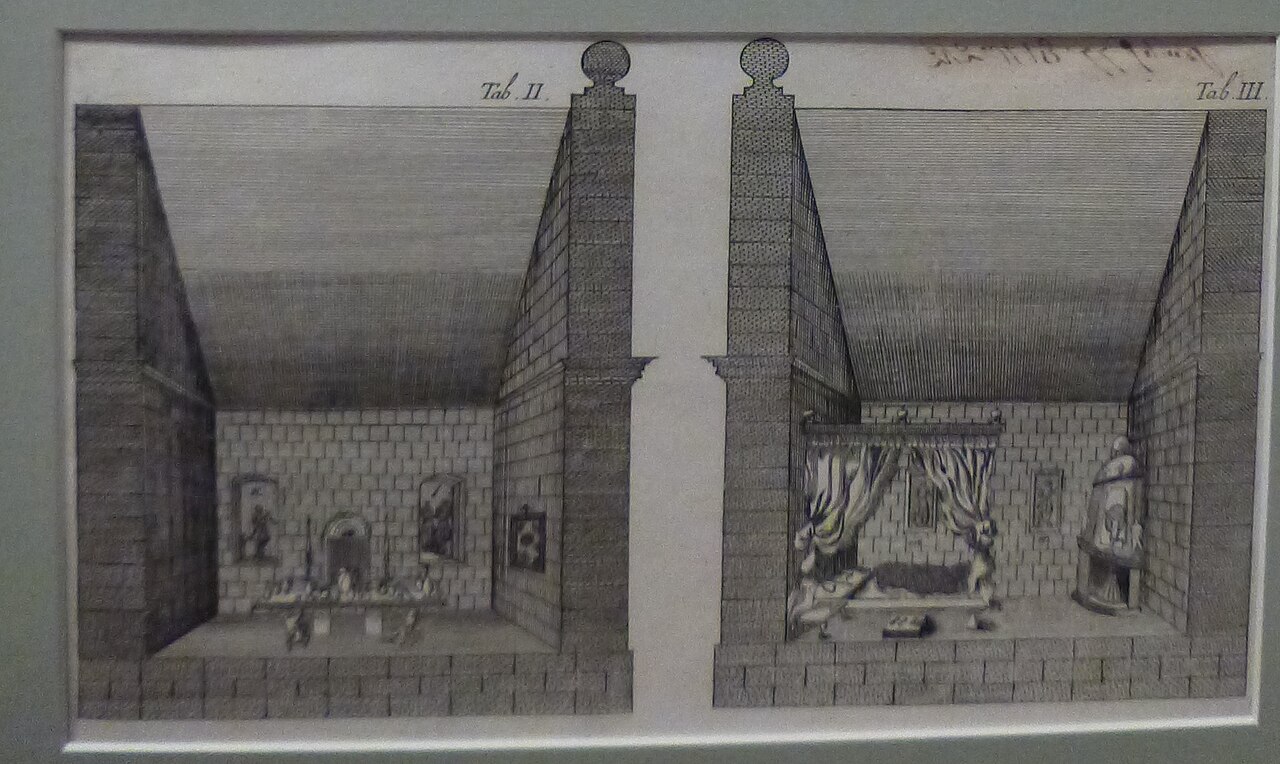
Cross-section of the Ice Palace Dining Room and Bedroom
Unknown engraver · 1741
 Artifact
Primary source
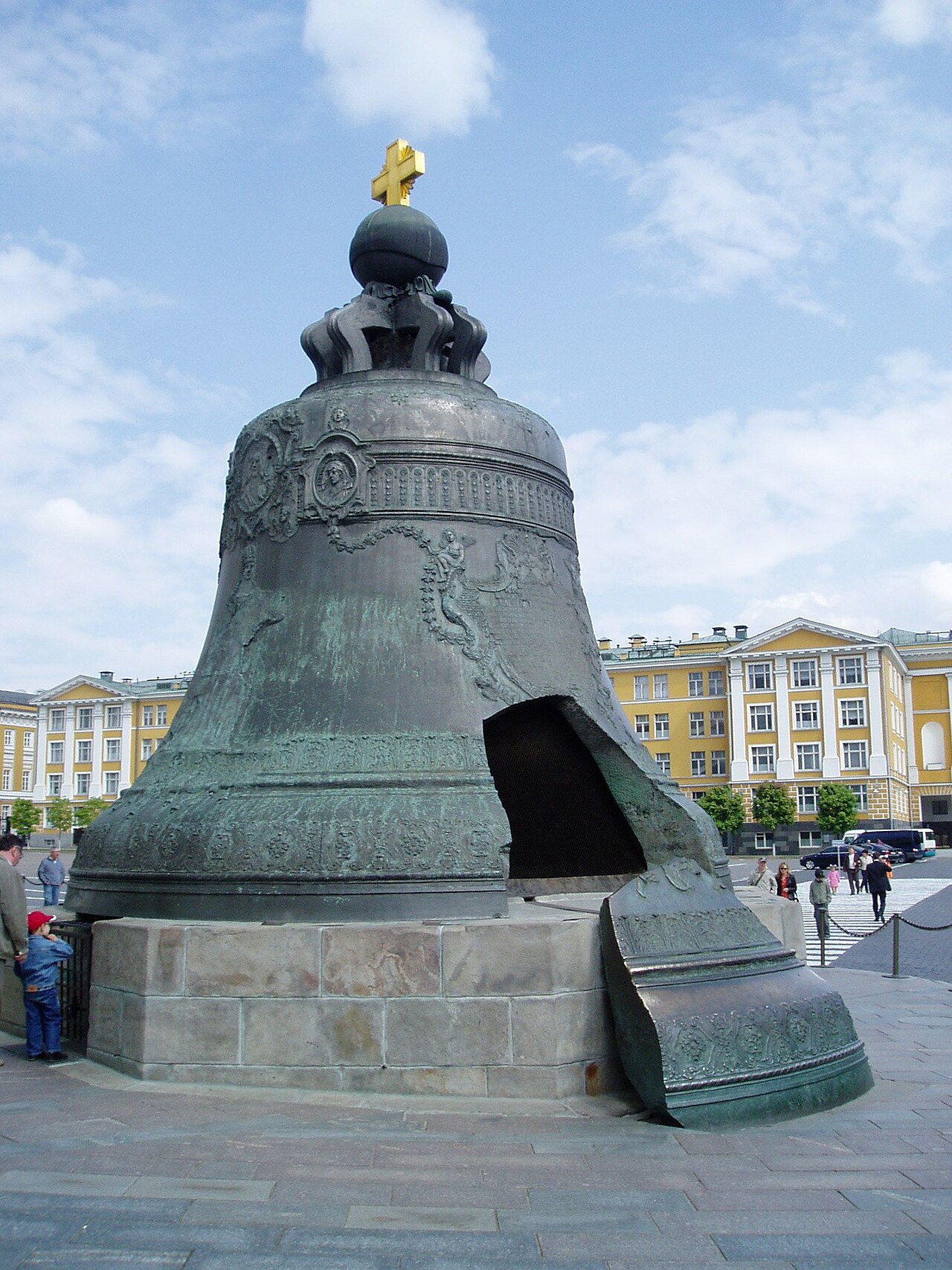
Tsar Bell
Ivan and Mikhail Motorin · 1733
Free account
Read every Anna of Russia source
Sign up free →
Ready when you are
Start chatting with Anna of Russia now.
20 messages free · No credit card · Available in 50+ languages.