


Secondary sourceSculpturebefore 2006
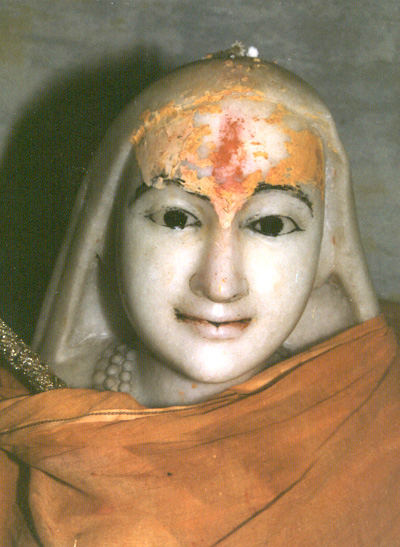
Statue of Adi Shankara at His Samadhi Mandir, Kedarnath
before 2006
A statue of Shankara at the shrine marking the place traditionally believed to be where he died, in Kedarnath.
Marks the traditional site of Shankara's death and shows how he is venerated there.
About this source
What it is
This photograph, uploaded in 2006, shows a statue of Adi Shankara at his Samadhi Mandir, a shrine in Kedarnath traditionally associated with his death.
Why it matters
The shrine and statue reflect how later generations have honored Shankara at the place linked to the end of his life, keeping his memory and teachings part of living religious practice in the Himalayas.
Look closer
- What choices did the sculptor make in showing Shankara's face and expression?
- Why do you think this site became a place of pilgrimage?
- What can and can't a statue like this tell us about the real historical Shankara?
This sculpture is part of the curated material that grounds the AI version of Adi Shankaracharya on Humy.ai — when students ask about related events, the AI can quote it and cite it.
More Adi Shankaracharya sources
Meet the AI Adi Shankaracharya →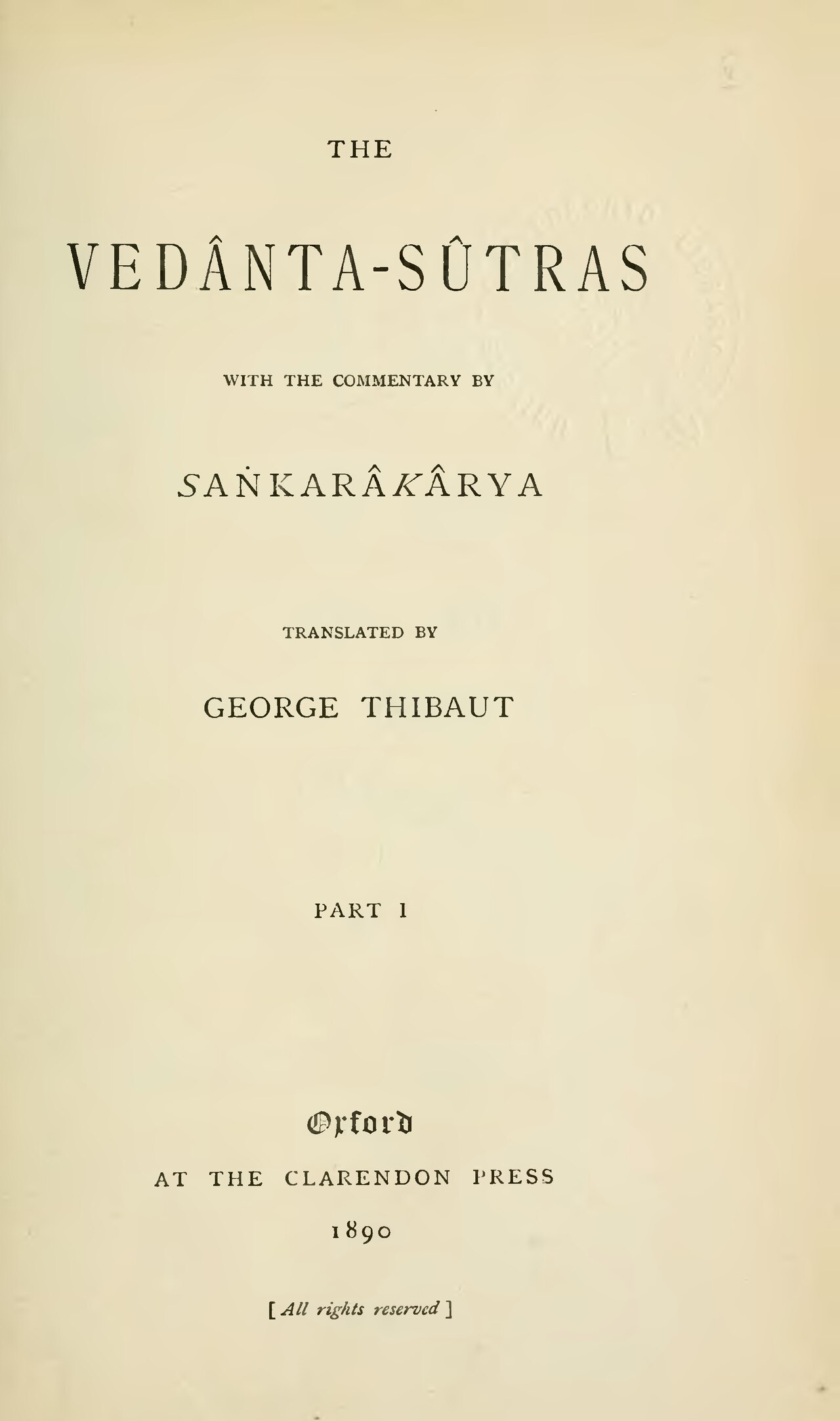 Book
Primary source
Brahma Sutra Bhashya
Adi Shankara · c. early 8th century
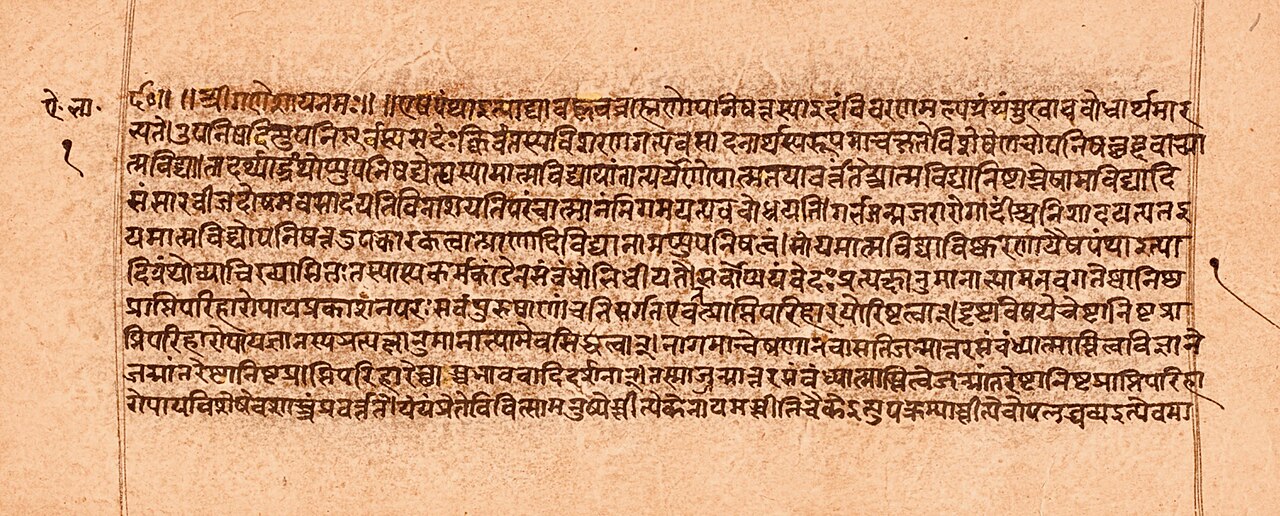 Document
Secondary source
Manuscript of Shankara's Aitareya Upanishad Commentary
1593 CE (manuscript copy)
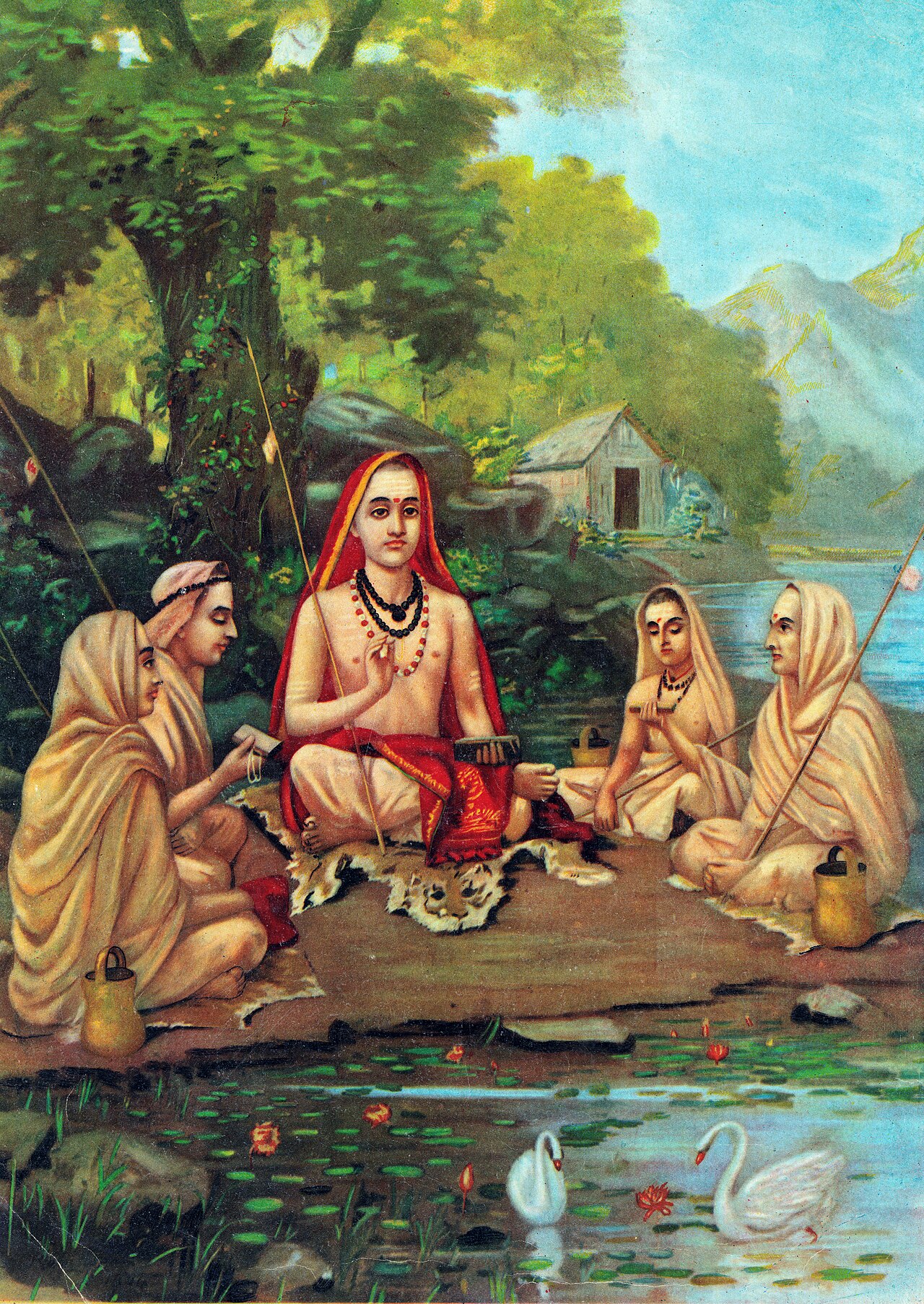 Painting
Secondary source
Portrait of Adi Shankara with Disciples
Raja Ravi Varma
 Artifact
Secondary source
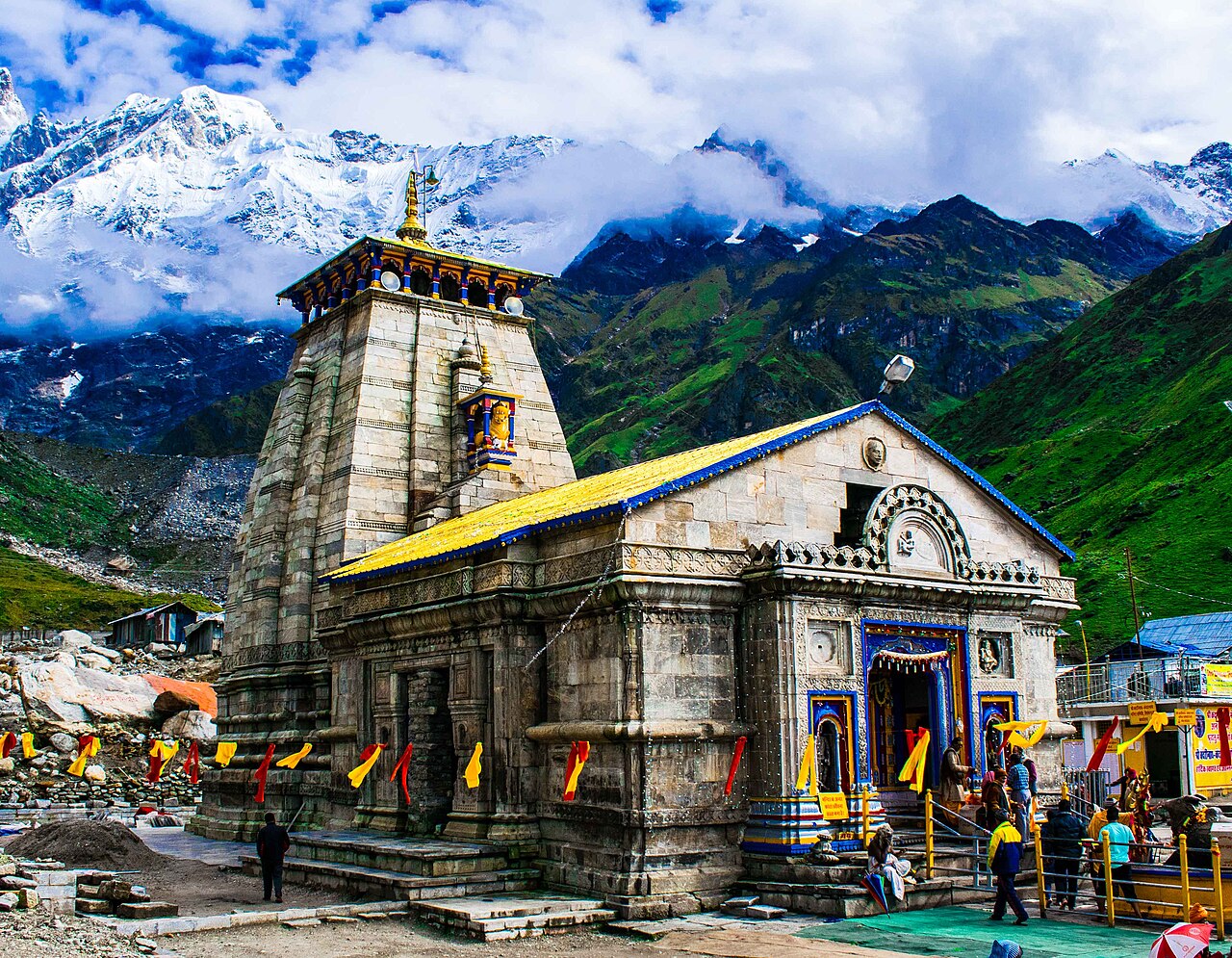
Kedarnath Temple
traditionally 8th century
 Artifact
Secondary source
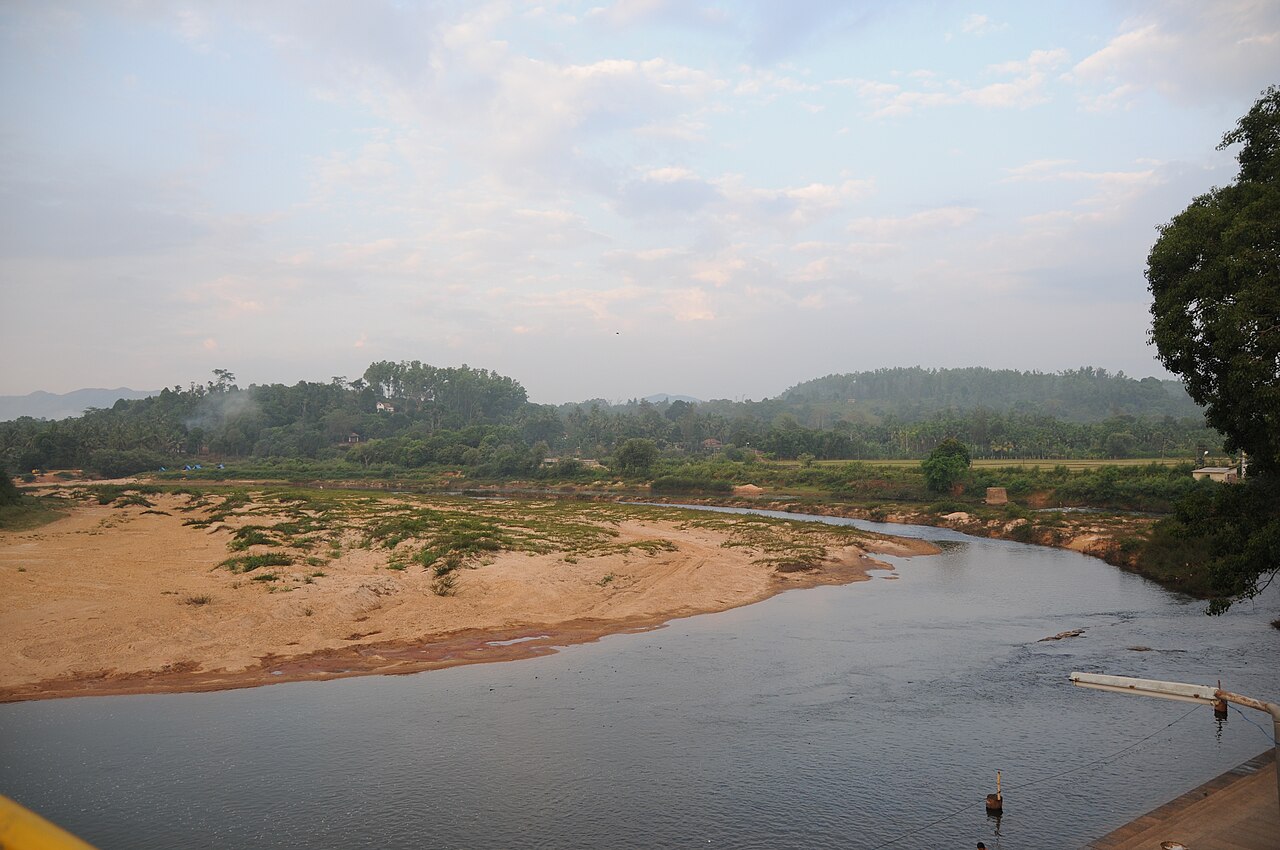
Sringeri Sharada Peetham
traditionally 8th century; developed 14th century onward
Ready when you are
Start chatting with Adi Shankaracharya now.
20 messages free · No credit card · Available in 50+ languages.