


Secondary sourceArtifact1866
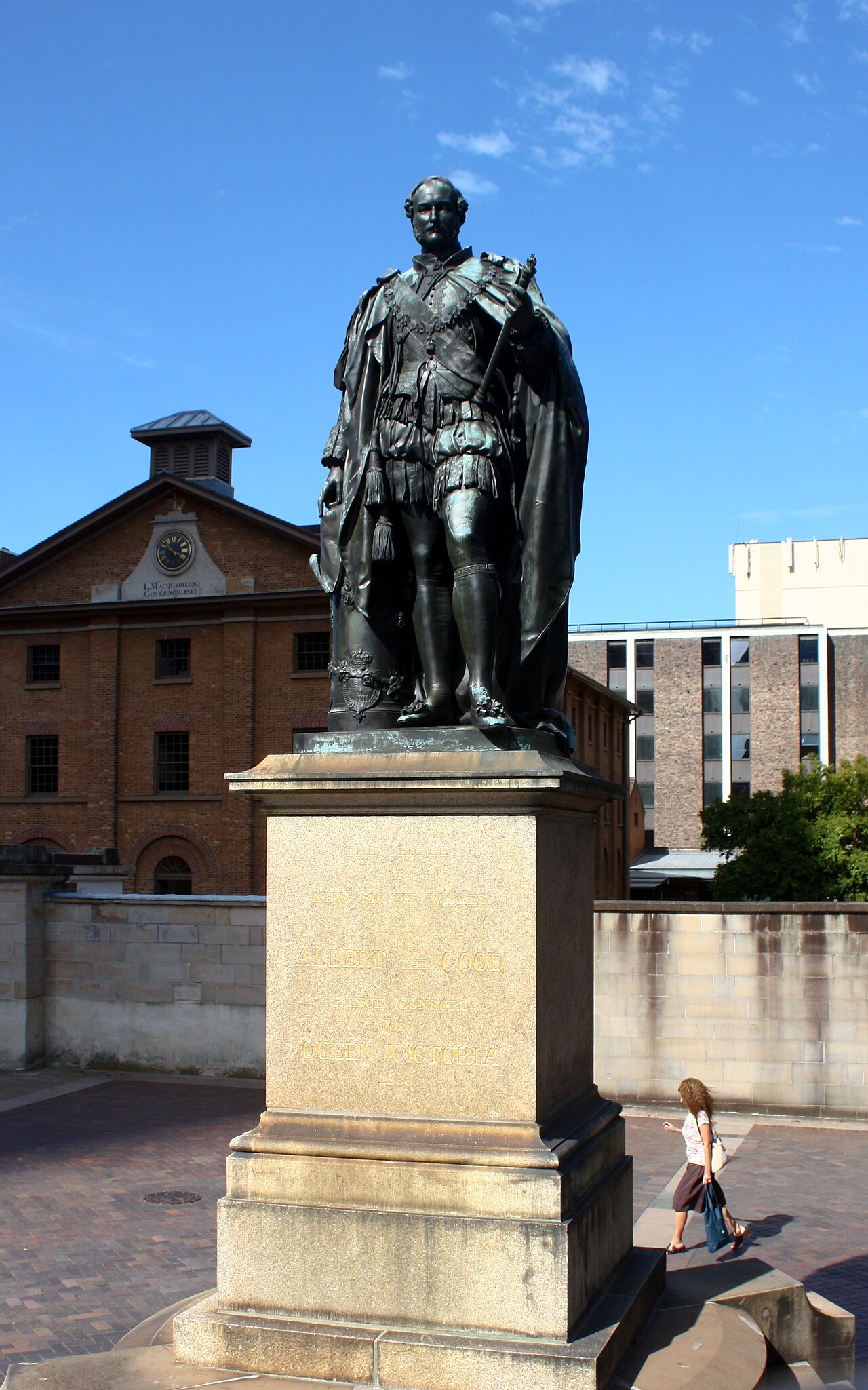
Statue of Albert, Prince Consort (Sydney)
William Theed · 1866
A bronze statue of Prince Albert in ceremonial robes, made by William Theed in 1866 and placed in Sydney. It shows how Albert was commemorated in the British colonies after his death.
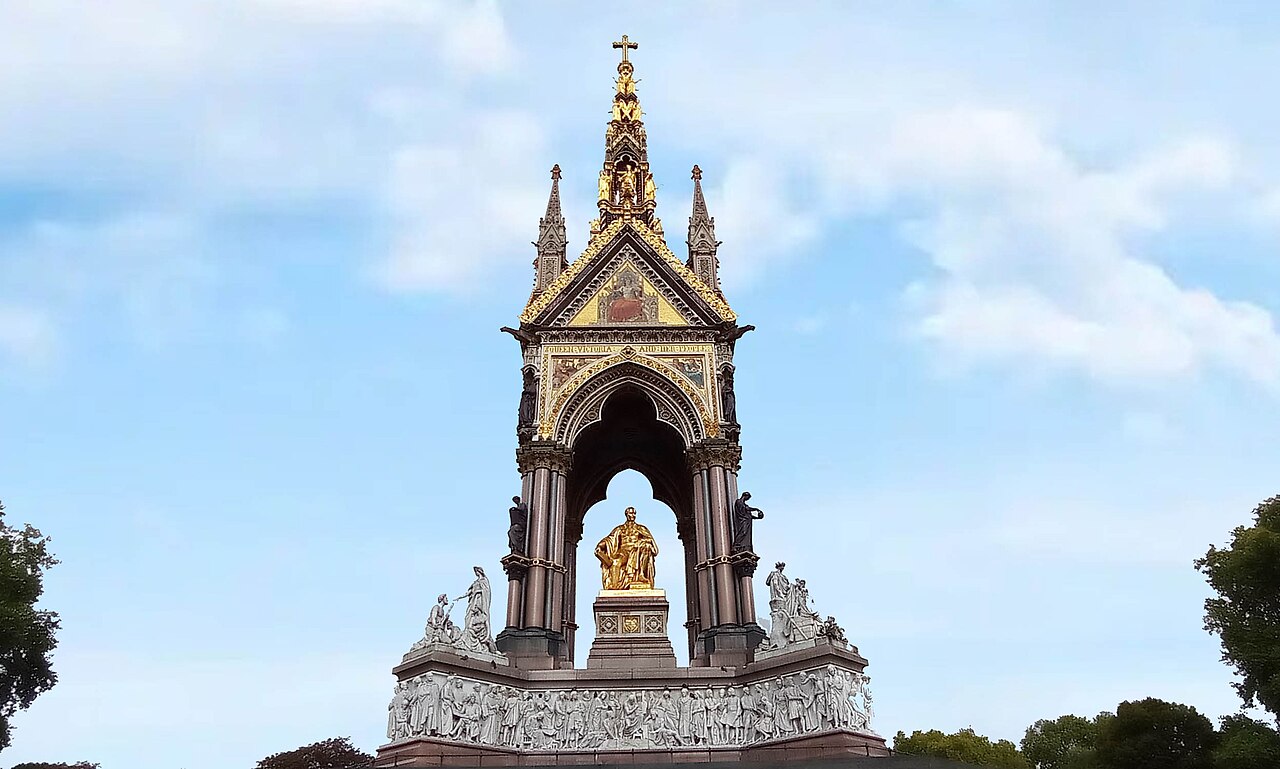
A later memorial to Albert, showing how he was commemorated in the colonies after his death in 1861.
About this source
What it is
This is a bronze statue of Prince Albert, the consort of Queen Victoria, made by the sculptor William Theed and dated 1866. It stands in Sydney, Australia, and is held by the Royal Botanic Gardens, Sydney. The statue shows Albert in ceremonial robes and cape on a tall sandstone pedestal inscribed with his name and Queen Victoria's.
Why it matters
Statues like this one were set up in towns across the British Empire to honour Albert after his death in 1861. The monument shows how his memory was kept alive far from London. It also connects him to Queen Victoria, whose name appears on the same pedestal, and to the sculptor Theed, who made the work.
Look closer
- What does the pedestal's inscription tell you about how Albert was remembered alongside Queen Victoria?
- Why might a city choose a formal robed figure rather than a relaxed pose for a memorial?
- What parts of Albert's life or character does the statue leave out?
This artifact is part of the curated material that grounds the AI version of Prince Albert of Saxe-Coburg and Gotha on Humy.ai — when students ask about related events, the AI can quote it and cite it.
More Prince Albert of Saxe-Coburg and Gotha sources
Browse all 94 →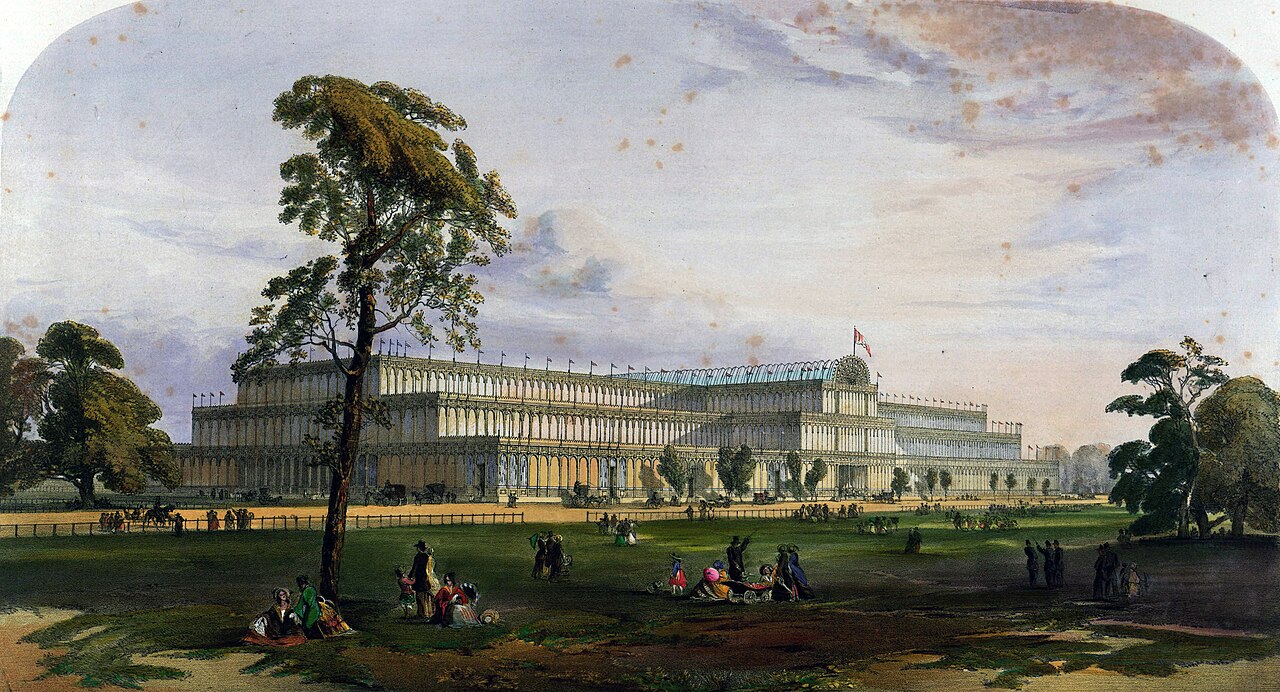 Artifact
Secondary source
The Crystal Palace
Joseph Paxton · 1851
 Painting
Primary source
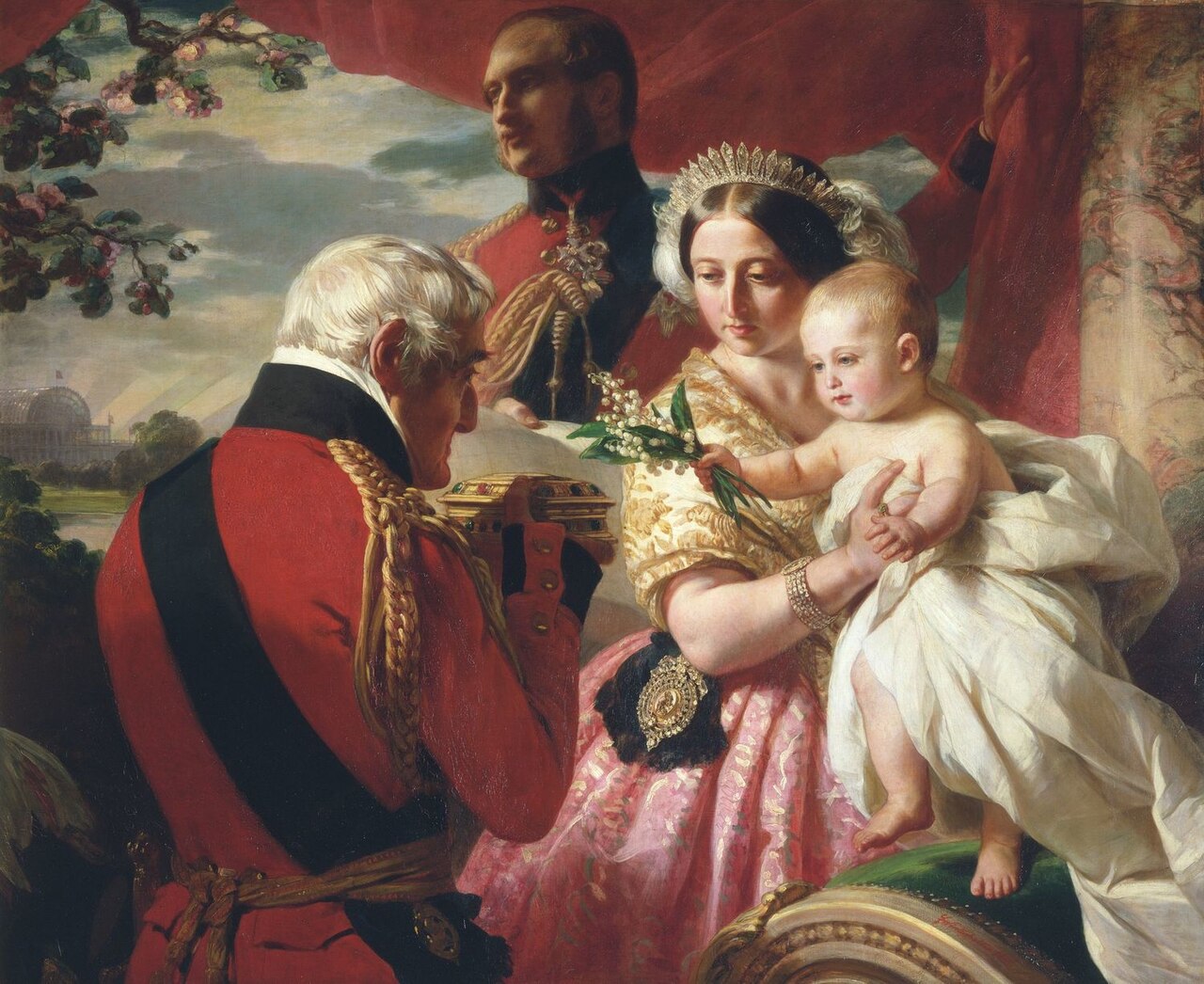
The First of May 1851
Franz Xaver Winterhalter · 1851
 Painting
Primary source
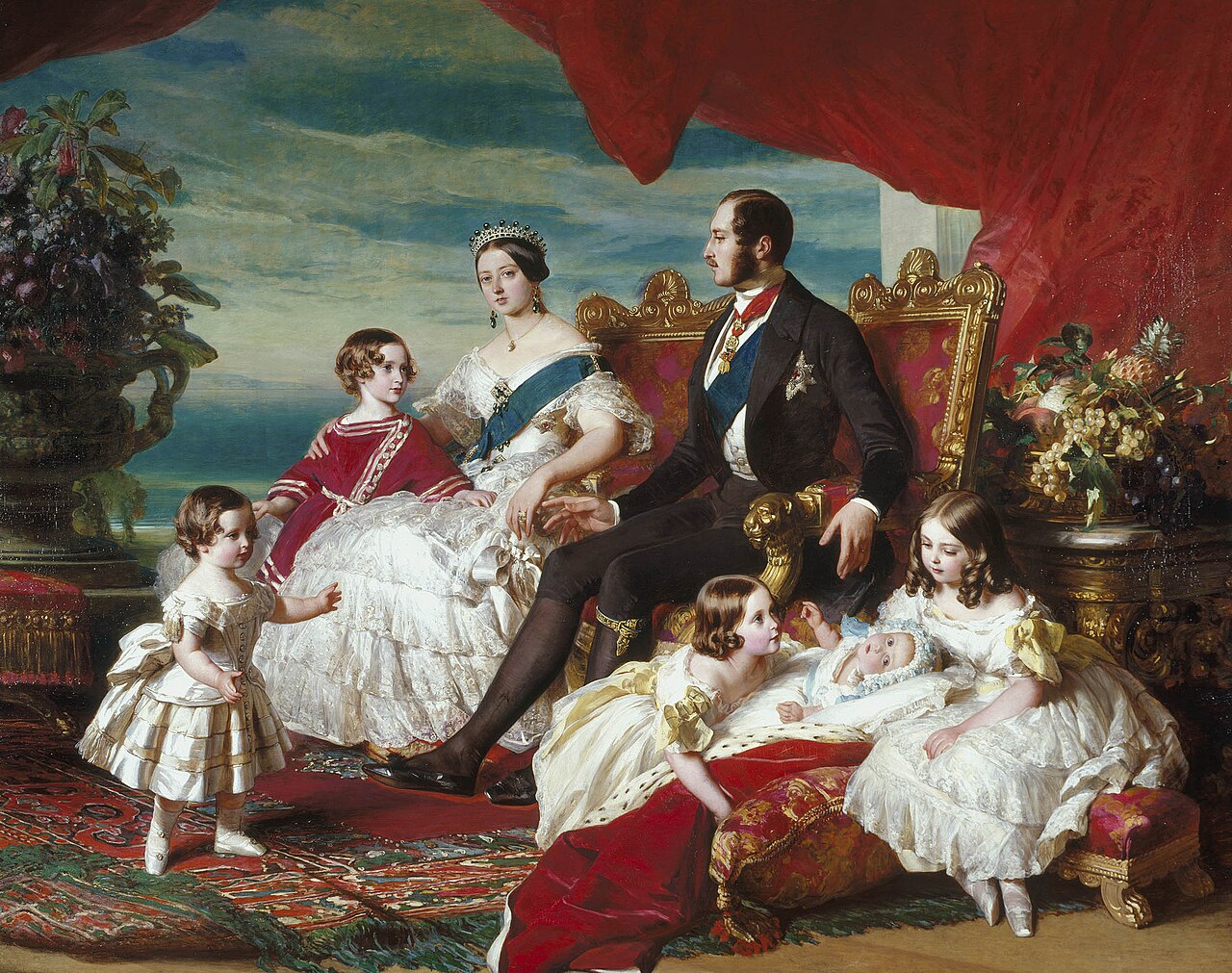
The Royal Family in 1846
Franz Xaver Winterhalter · 1846-1847
 Artifact
Primary source
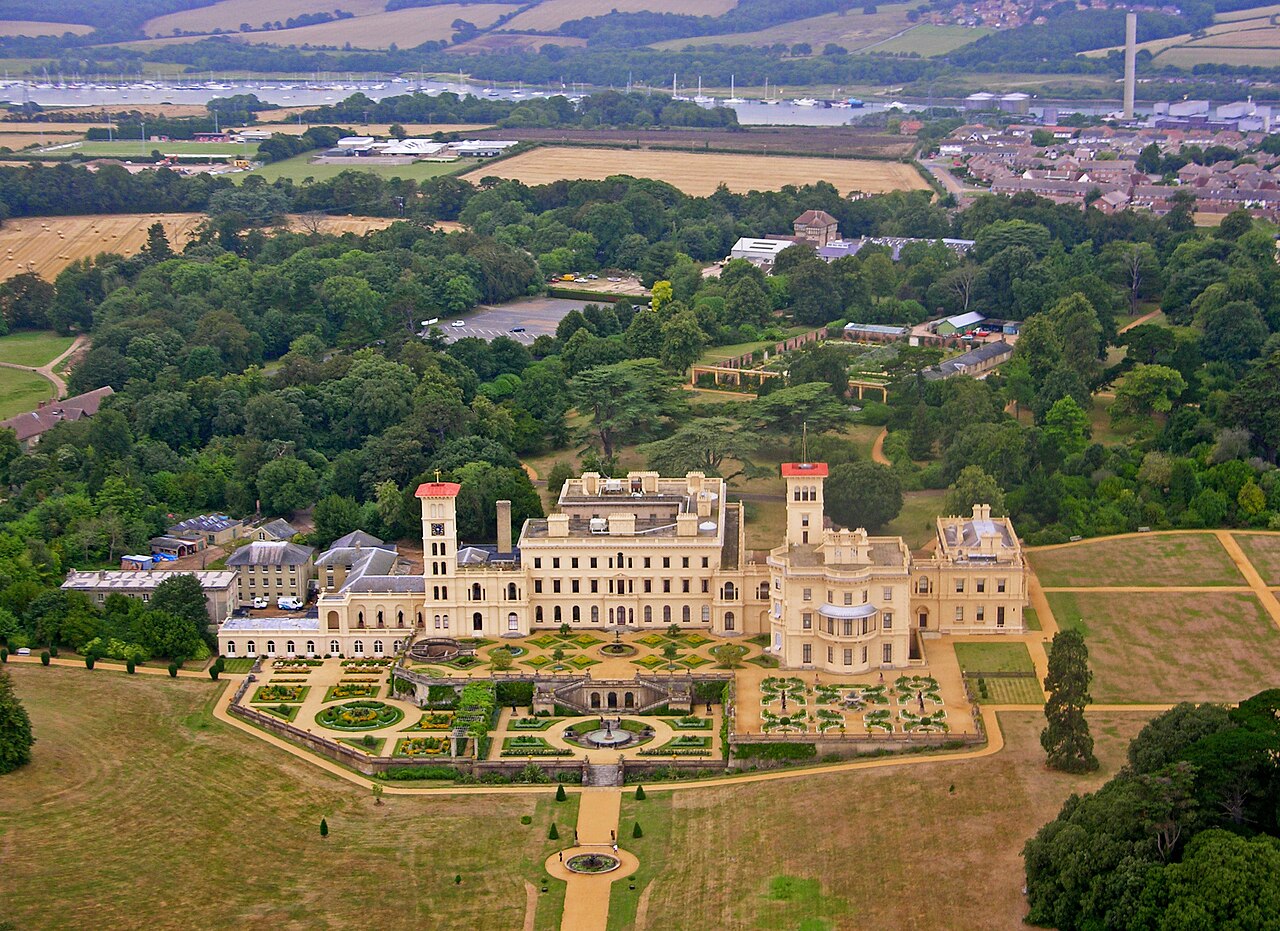
Osborne House
Thomas Cubitt · 1845–1851
Free account
Read every Prince Albert of Saxe-Coburg and Gotha source
Sign up free →
Ready when you are
Start chatting with Prince Albert of Saxe-Coburg and Gotha now.
20 messages free · No credit card · Available in 50+ languages.