


Secondary sourceSculpture
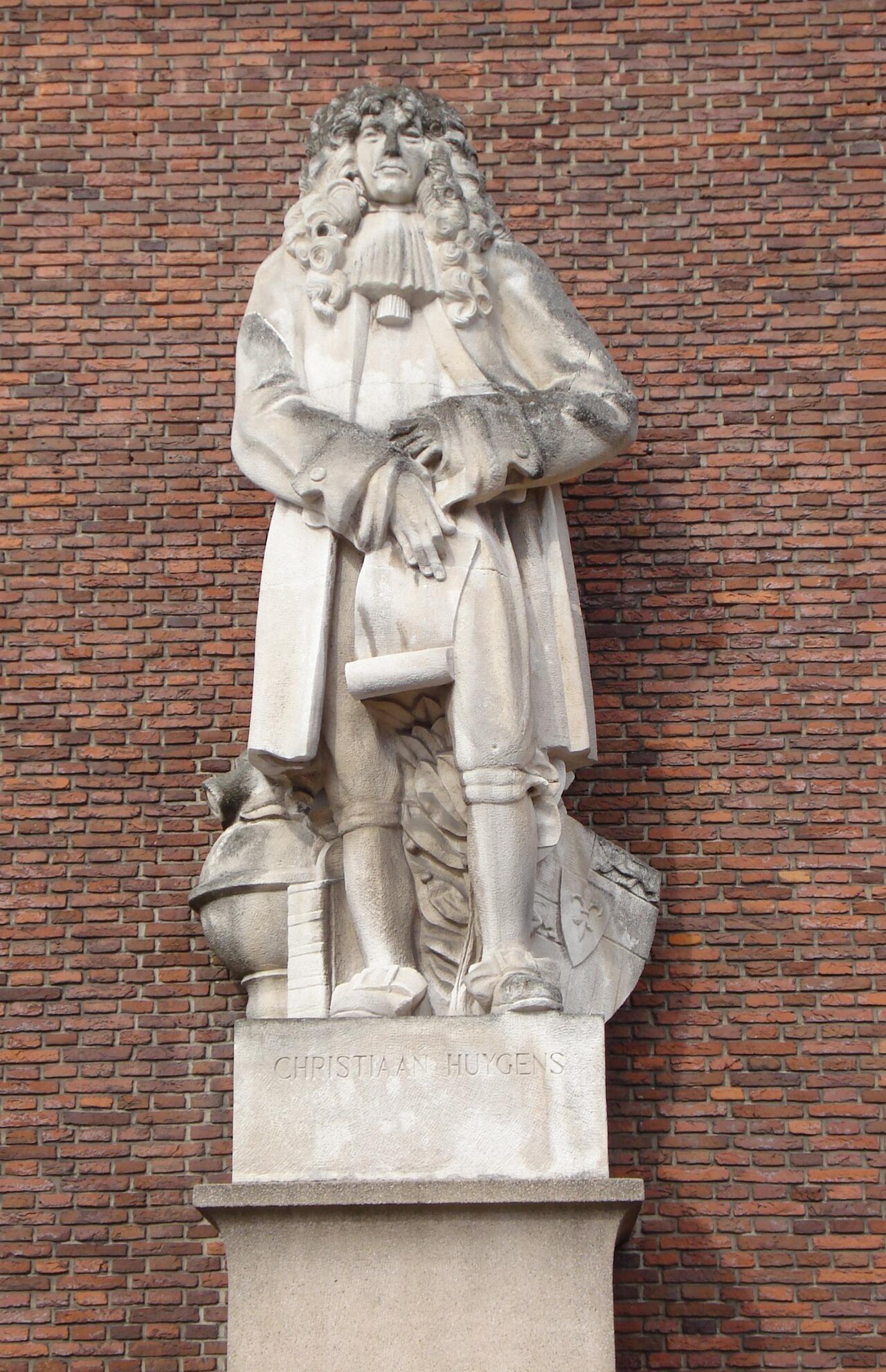
Statue of Christiaan Huygens, Rotterdam
A stone statue of Christiaan Huygens on a street in Rotterdam, photographed in 2008. It is a later memorial to him, not an object from his own time.
Shows how Rotterdam commemorates Huygens, the subject of this archive, in a later public memorial rather than in his own lifetime.
About this source
What it is
This is a modern photograph of a stone statue of Christiaan Huygens on the Schiekade in Rotterdam, the Netherlands. The photo was taken by F. Eveleens on 29 May 2008. The statue shows a man in 17th-century dress, with a long curled wig, a lace collar and a long coat, holding a cylindrical scroll. It stands on a plinth engraved with his name. The facts do not say who made the statue or when it was carved.
Why it matters
Huygens was a Dutch mathematician, physicist and astronomer. Cities often raise statues to honor people long after they die, so this statue tells us how Rotterdam remembers him today. It does not show how Huygens looked or lived. Use it as evidence of later memory, not of the 1600s.
Look closer
- What clothing and objects does the statue show, and what might they suggest about how the sculptor wanted Huygens to be seen?
- Why might a city place a statue of a scientist in a street, and who would have decided to do it?
- What does this statue leave out about Huygens's actual work?
This sculpture is part of the curated material that grounds the AI version of Christiaan Huygens on Humy.ai — when students ask about related events, the AI can quote it and cite it.
More Christiaan Huygens sources
Browse all 56 →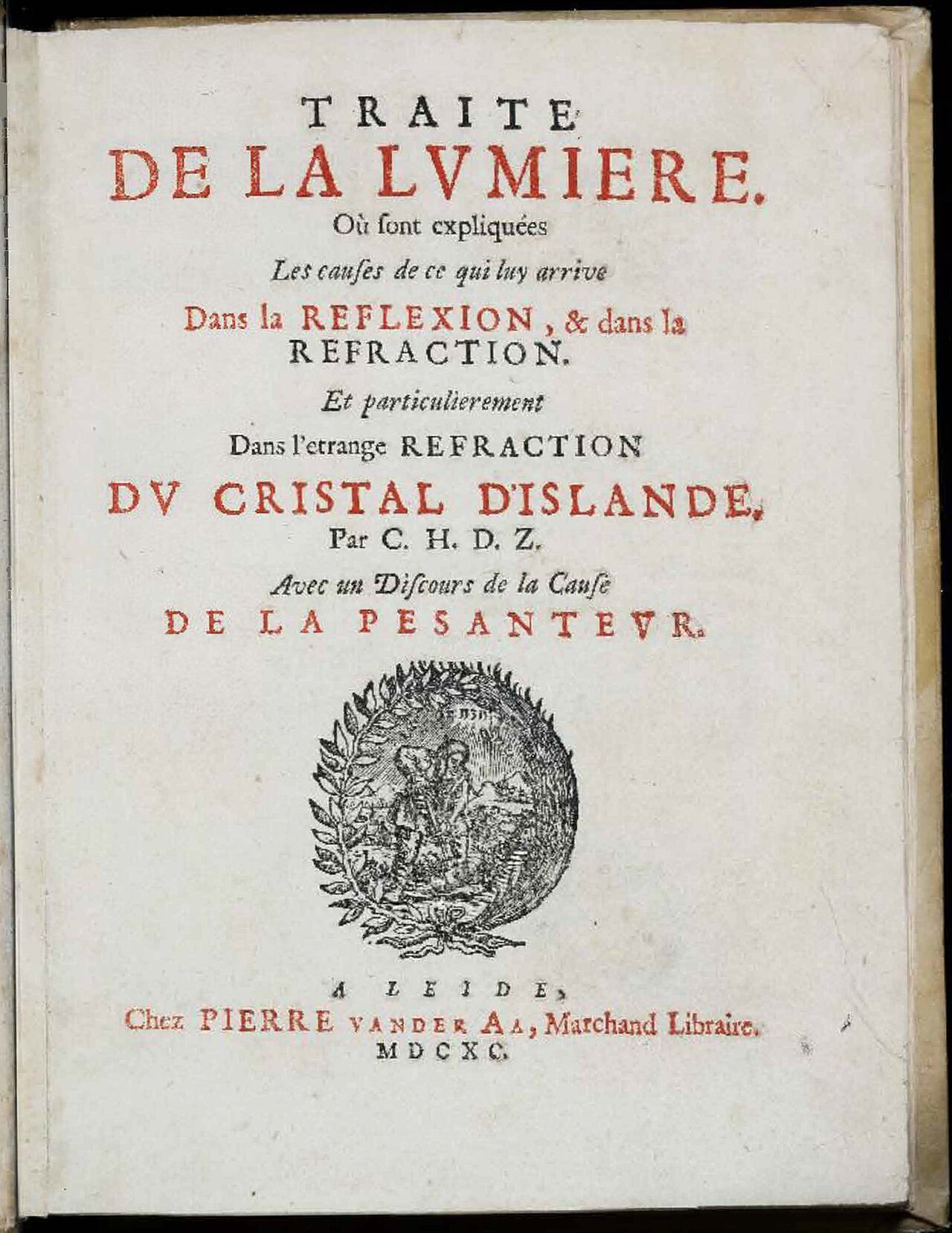 Book
Primary source
Treatise on Light
Christiaan Huygens · 1690
 Artifact
Primary source
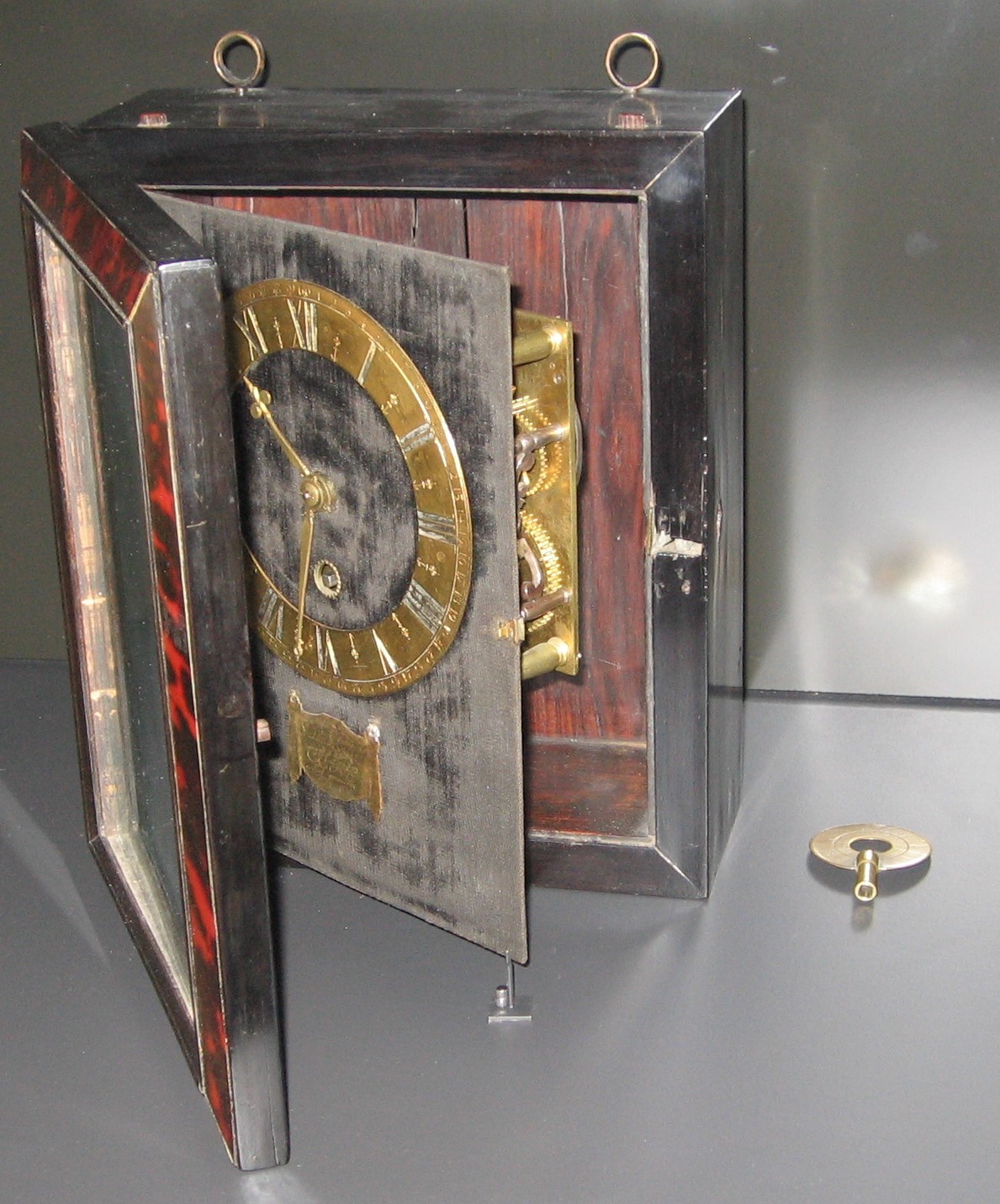
Clock designed by Christiaan Huygens
Salomon Coster
 Painting
Primary source
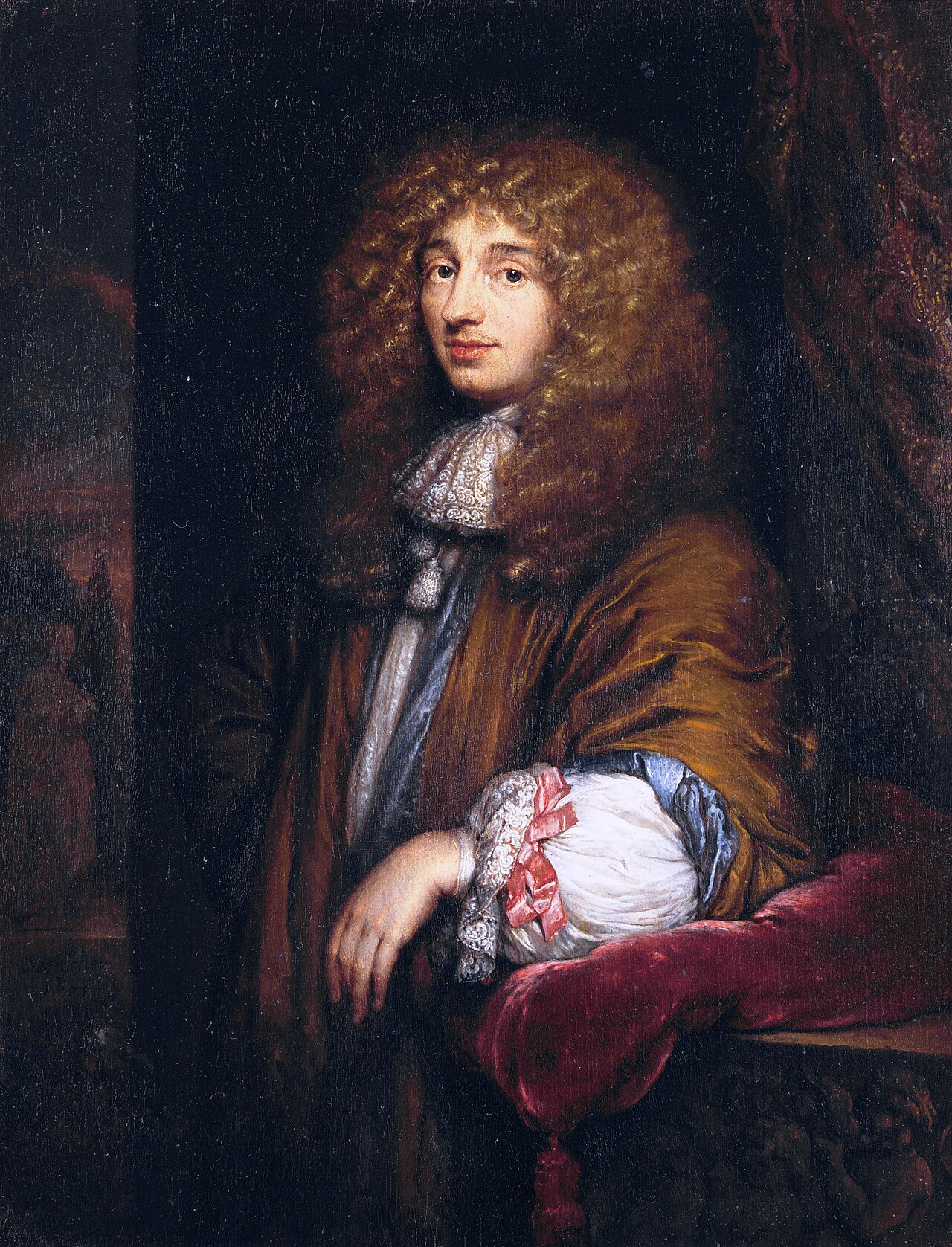
Portrait of Christiaan Huygens
Caspar Netscher · 1671
 Painting
Primary source
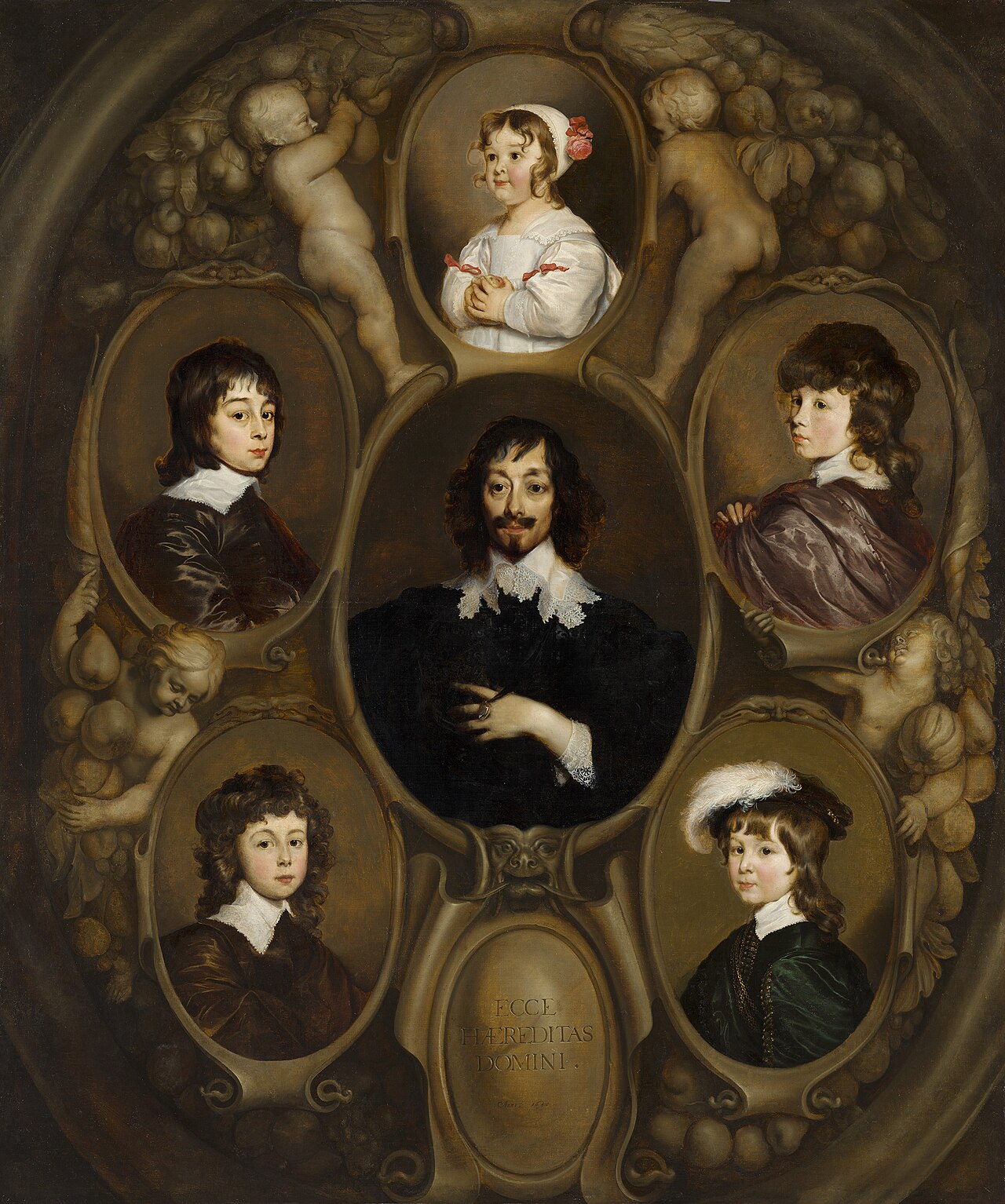
Portrait of Constantijn Huygens and his Five Children
Adriaen Hanneman · 1640
Free account
Read every Christiaan Huygens source
Sign up free →
Ready when you are
Start chatting with Christiaan Huygens now.
20 messages free · No credit card · Available in 50+ languages.