


Primary sourceSculpture1869
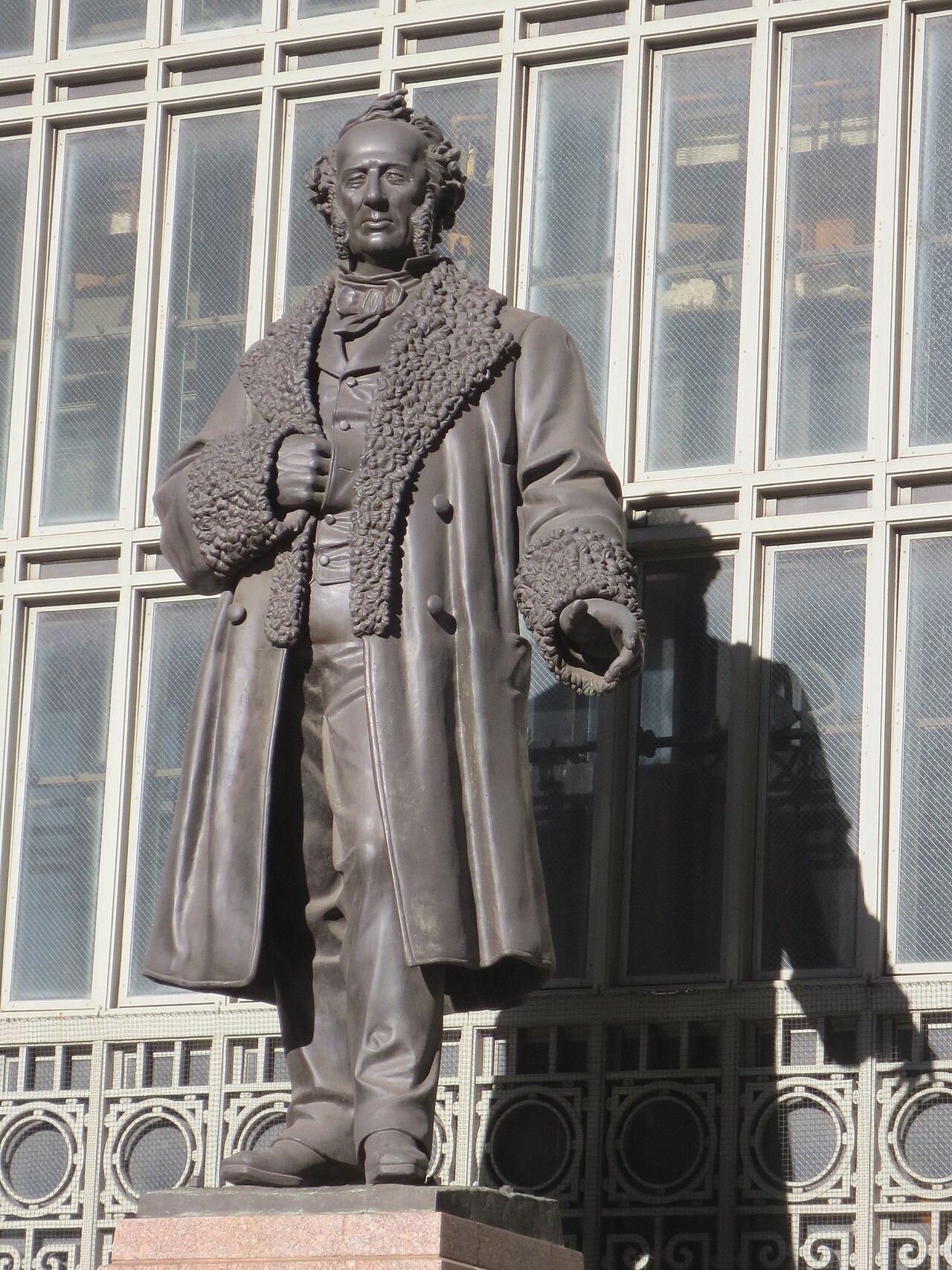
Statue of Cornelius Vanderbilt
Ernst Plassmann · 1869
A bronze statue of Vanderbilt commissioned by himself in 1869 for his railroad freight depot, now at Grand Central Terminal.
Vanderbilt commissioned this statue of himself for his own railroad depot, a monument he built in his own lifetime.
About this source
What it is
This 1869 bronze statue, designed by Ernst Plassmann and made with Albert De Groot, stands at Grand Central Terminal in New York. It shows Cornelius Vanderbilt standing in a long overcoat with fur-trimmed collar and cuffs, one hand gripping his lapel and the other holding a hat or glove, on a stone pedestal.
Why it matters
Vanderbilt commissioned this statue himself for his Hudson River Railroad freight depot, along with a frieze showing his steamships and trains. It is a rare example of a monument a businessman built to himself during his own lifetime, showing how he wanted to be remembered as a builder of steamship and rail empires.
Look closer
- Why might someone commission a statue of themselves while they are still alive?
- What does the statue's pose and clothing suggest about how Vanderbilt wanted to be seen?
- What might the frieze of ships and trains tell us about what Vanderbilt considered his greatest achievements?
This sculpture is part of the curated material that grounds the AI version of Cornelius Vanderbilt on Humy.ai — when students ask about related events, the AI can quote it and cite it.
More Cornelius Vanderbilt sources
Meet the AI Cornelius Vanderbilt →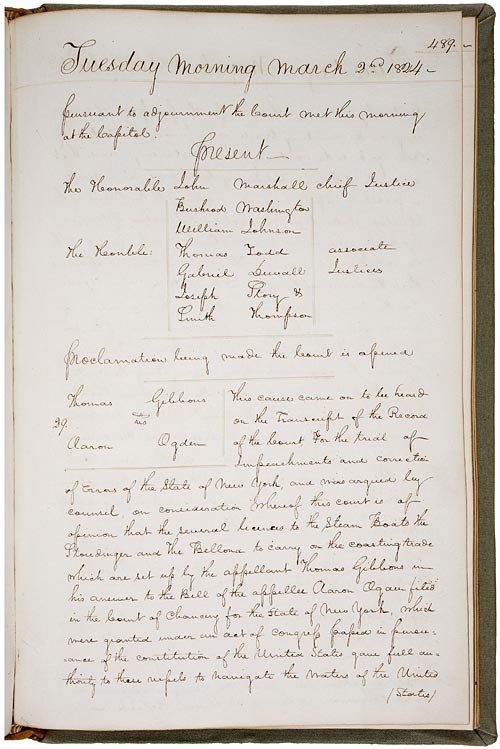 Document
Primary source
Gibbons v. Ogden
John Marshall · 1824
 Painting
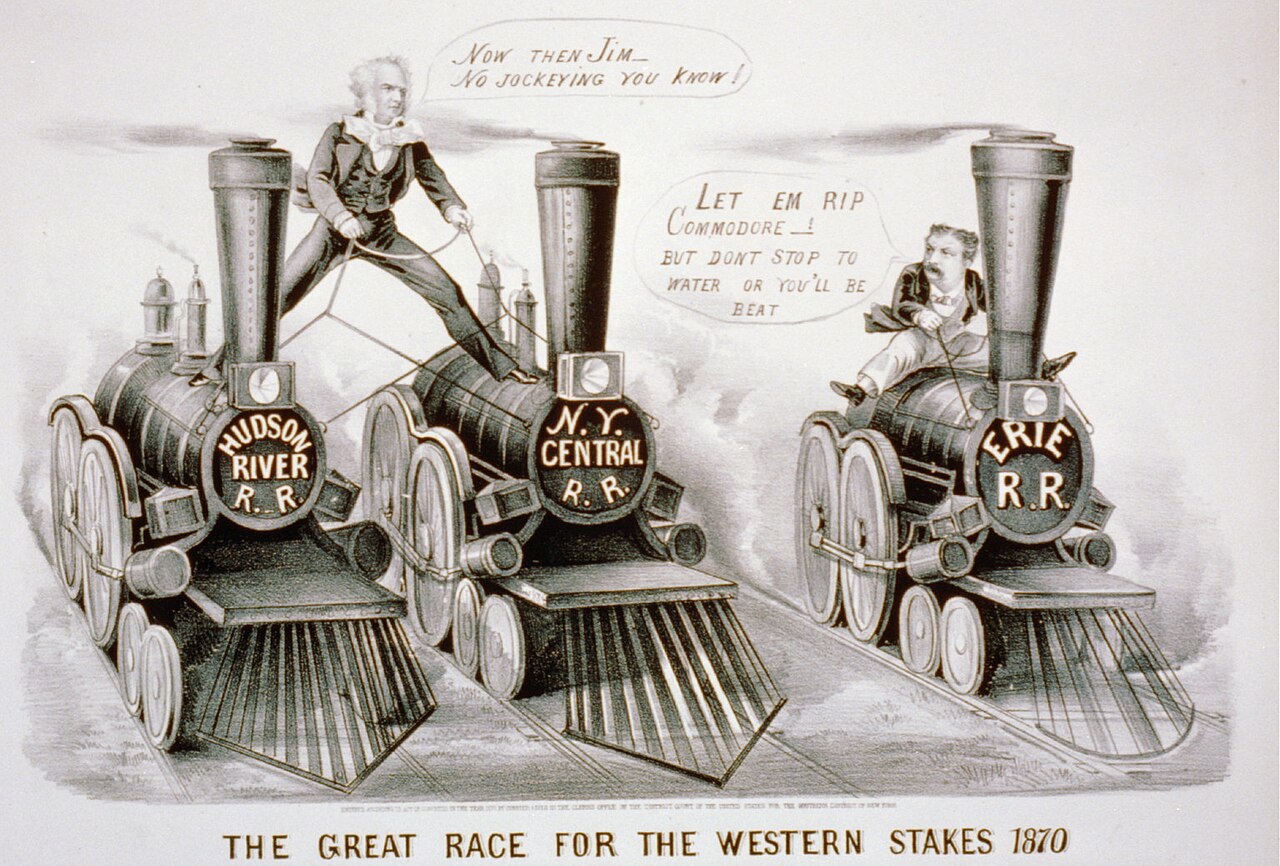
Secondary source
The Great Race for the Western Stakes
Currier and Ives · 1870
 Photograph
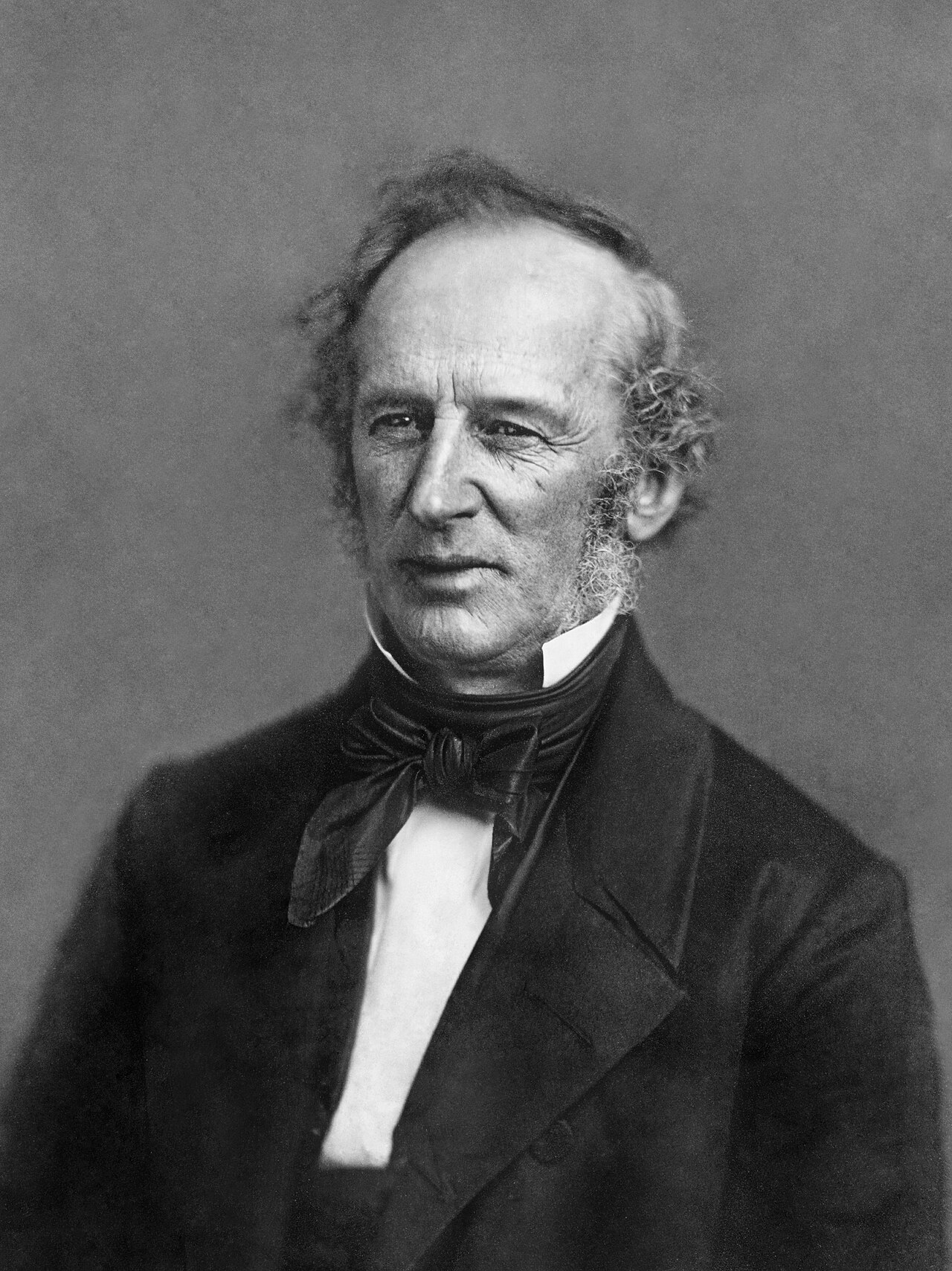
Primary source
Portrait of Cornelius Vanderbilt
Mathew Brady studio
 Painting
Primary source
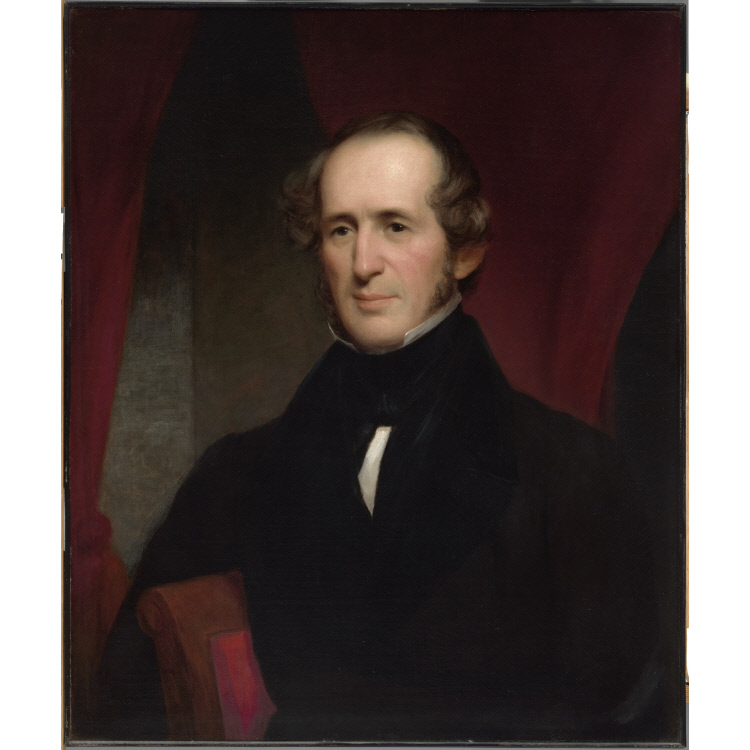
Cornelius Vanderbilt
Nathaniel Jocelyn · 1846
 Artifact
Primary source
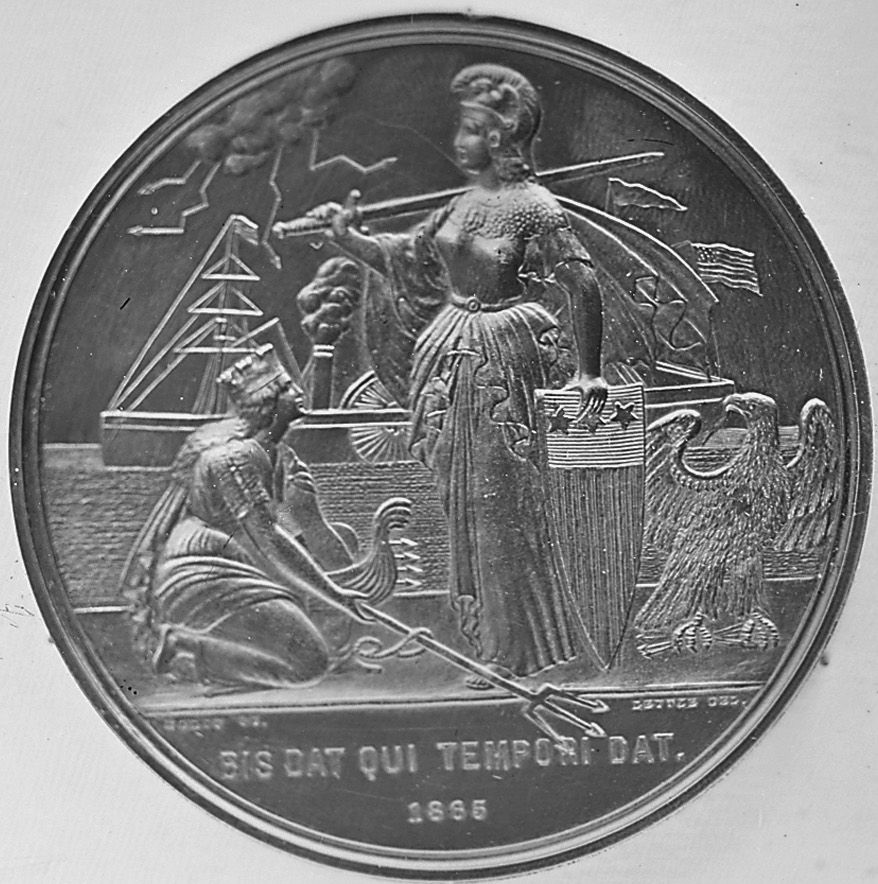
Cornelius Vanderbilt Medal
United States Mint · 1865
Ready when you are
Start chatting with Cornelius Vanderbilt now.
20 messages free · No credit card · Available in 50+ languages.