


Secondary sourceSculpture1736
Statue of Emperor Charles VI, Prague
Antonín Braun · 1736
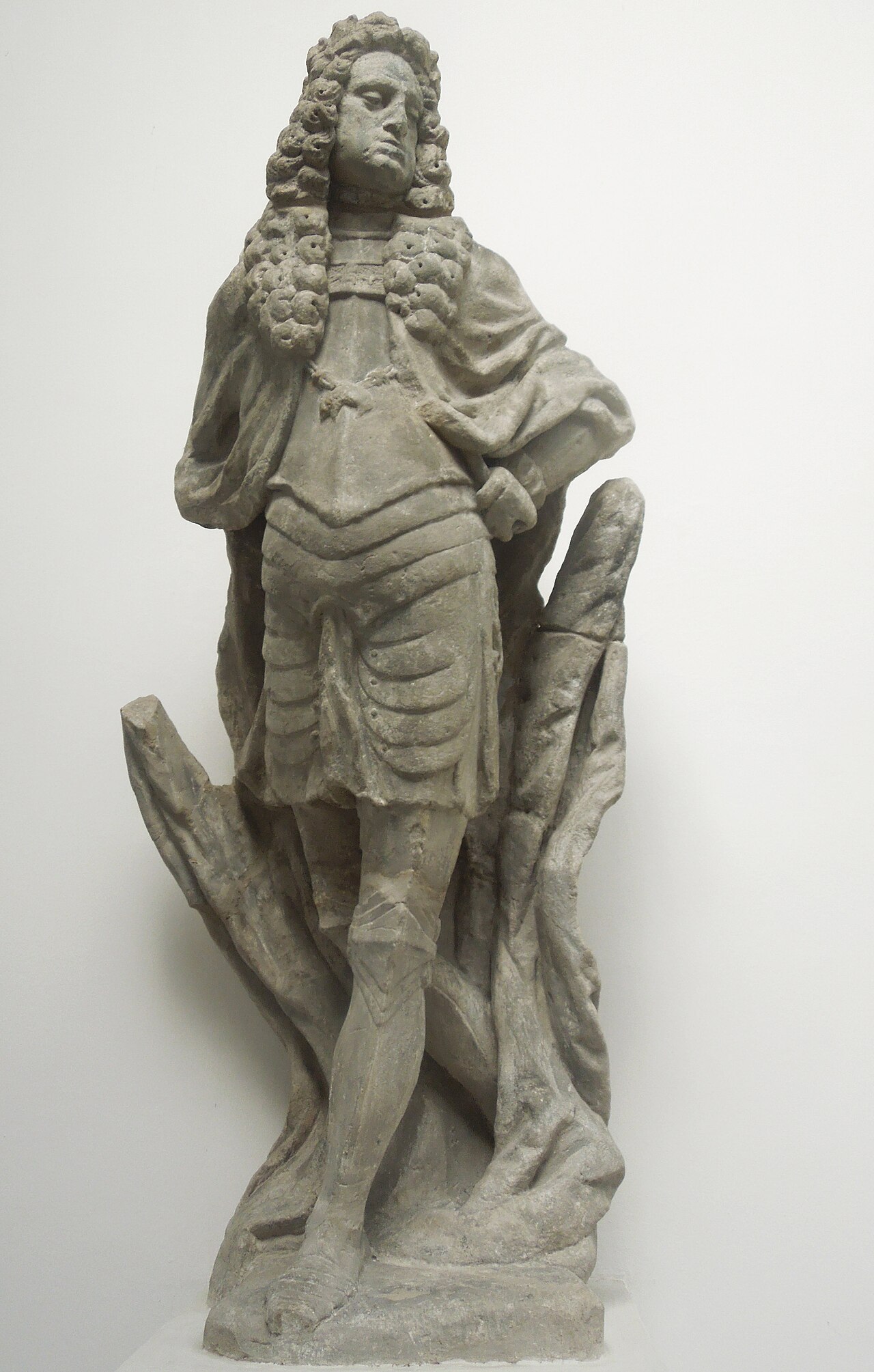
A sandstone statue of Charles VI by Antonín Braun, dated 1736, that stands on the attic of the Sixt House in Celetná Street, Prague.
Charles VI is the subject of this statue, made in 1736 during his reign as a memorial of his era.
About this source
What it is
This is a sandstone statue of Charles VI, made by the sculptor Antonín Braun in 1736. It shows the emperor in a long curled wig and armour with a draped cloak. He rests one hand on his hip and the other at his side, standing beside a rocky tree-trunk support on a rectangular plinth. The record places it on the attic of the Sixt House in Celetná Street, Prague.
Why it matters
Statues of rulers were placed in public view to show power and continuity. This one was made during Charles VI's reign, and it was set on a building in the city, so many people would have seen it. The sculptor, Antonín Braun, is named in the record as its maker.
Look closer
- What does the statue's pose suggest about the emperor's confidence or authority?
- Why might a ruler's image be placed high on a building rather than at street level?
- Whose voices are missing from a statue that honours a single ruler?
This sculpture is part of the curated material that grounds the AI version of Charles VI, Holy Roman Emperor on Humy.ai — when students ask about related events, the AI can quote it and cite it.
More Charles VI, Holy Roman Emperor sources
Browse all 91 →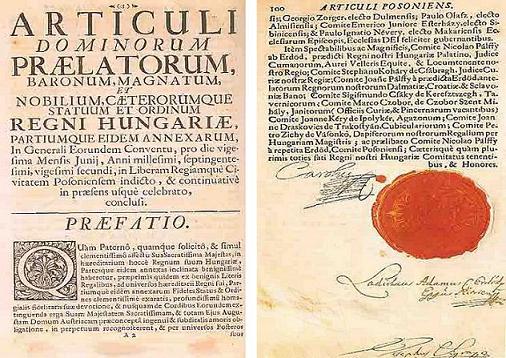 Document
Primary source
Pragmatic Sanction of 1713
Charles VI, Holy Roman Emperor · 1713
 Artifact
Primary source
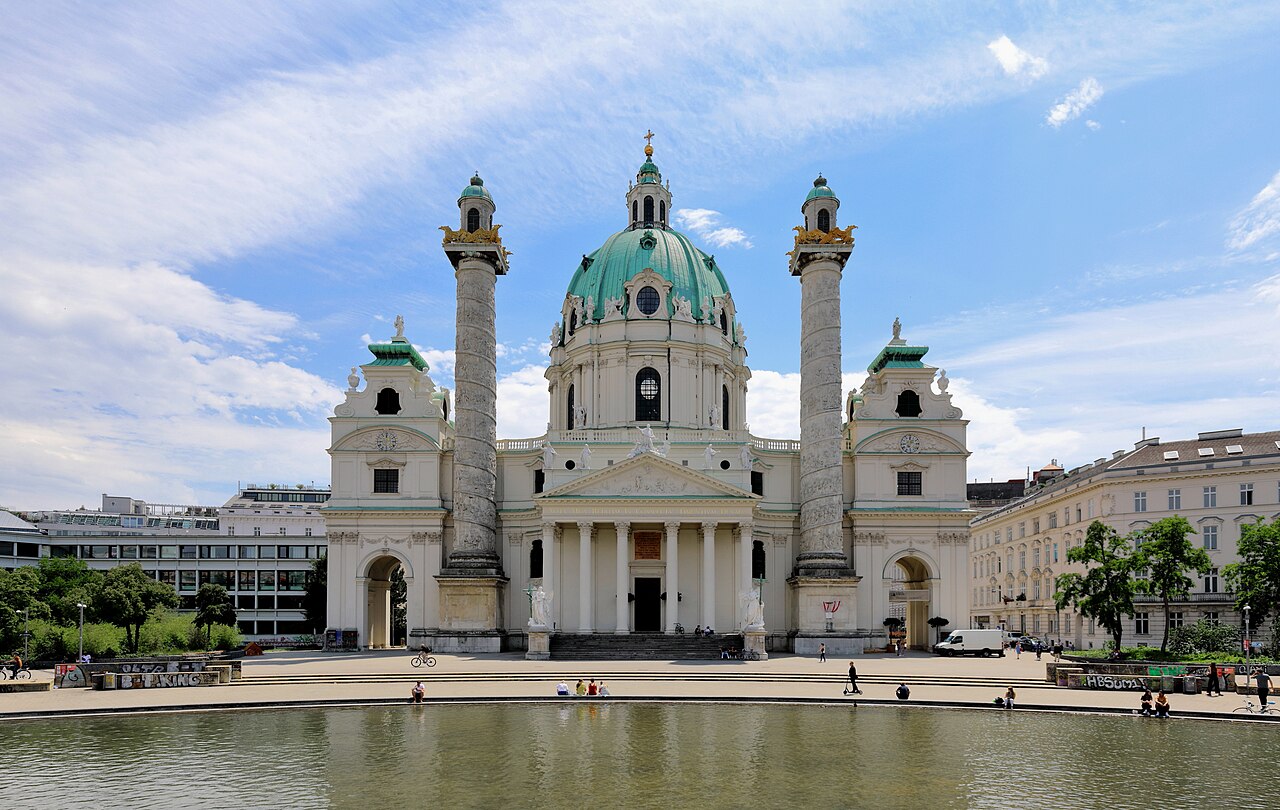
Karlskirche
Johann Bernhard Fischer von Erlach · 1716-1737
 Artifact
Primary source
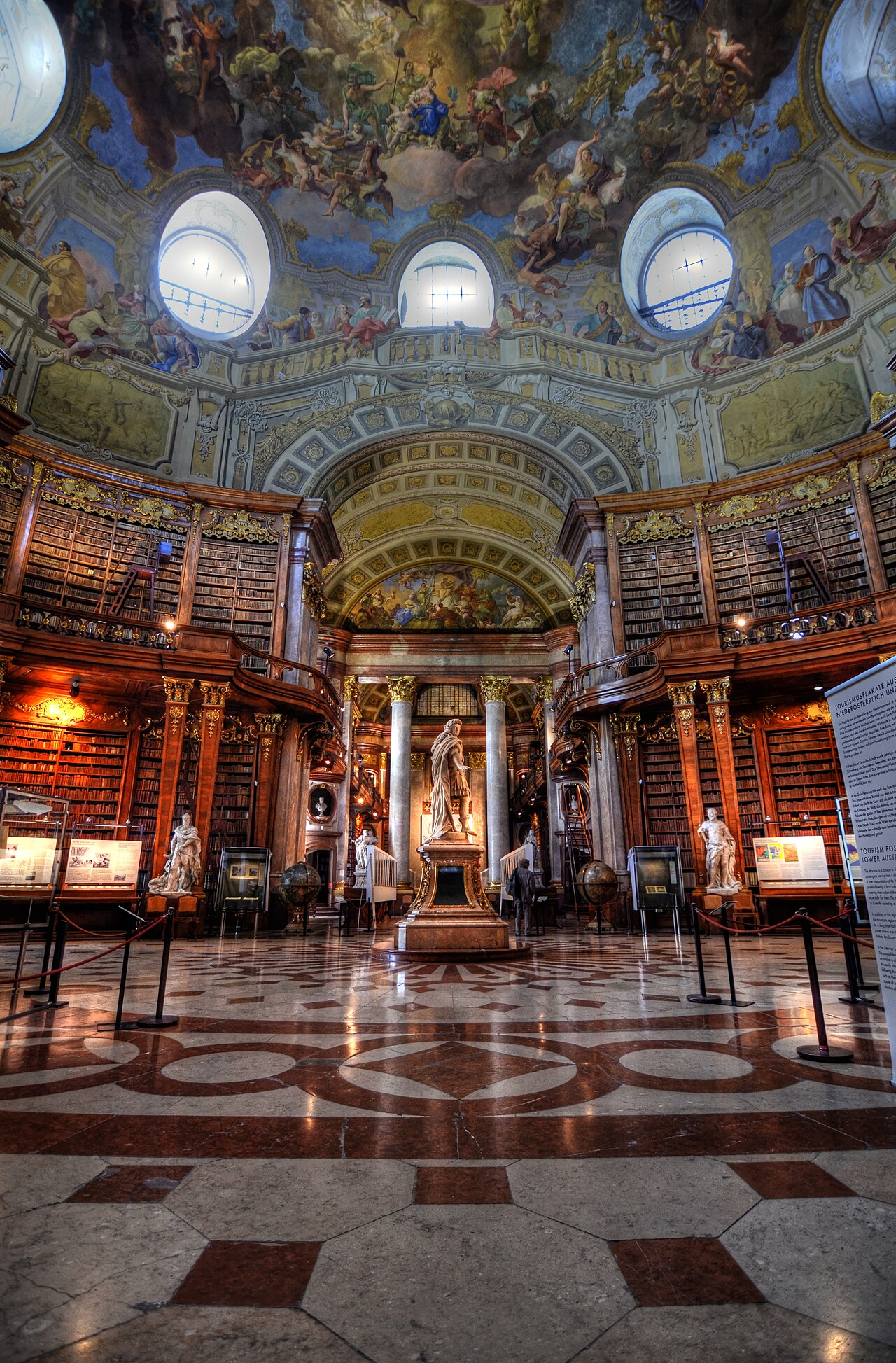
Austrian National Library State Hall
Johann Bernhard Fischer von Erlach · commissioned 1722
 Letter
Primary source
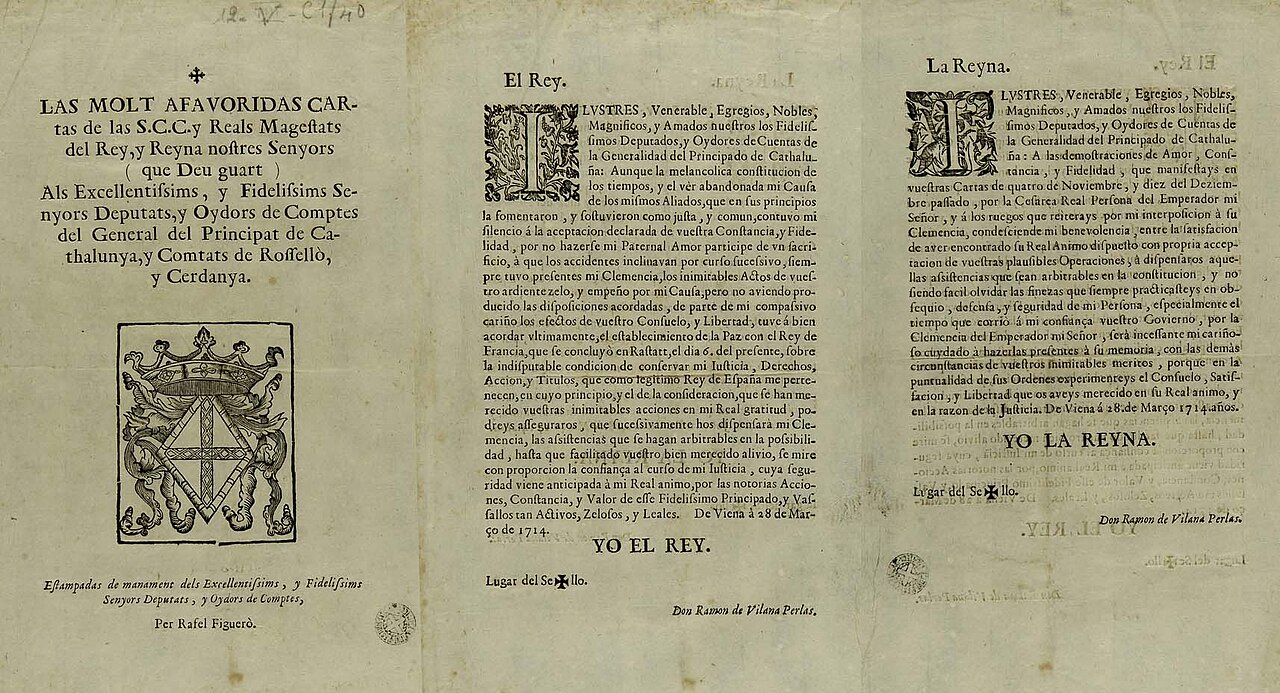
Letter Announcing the Treaty of Rastatt to the Catalan Generalitat
Charles VI, Holy Roman Emperor · 1714
Free account
Read every Charles VI, Holy Roman Emperor source
Sign up free →
Ready when you are
Start chatting with Charles VI, Holy Roman Emperor now.
20 messages free · No credit card · Available in 50+ languages.