


Secondary sourceSculpture1885
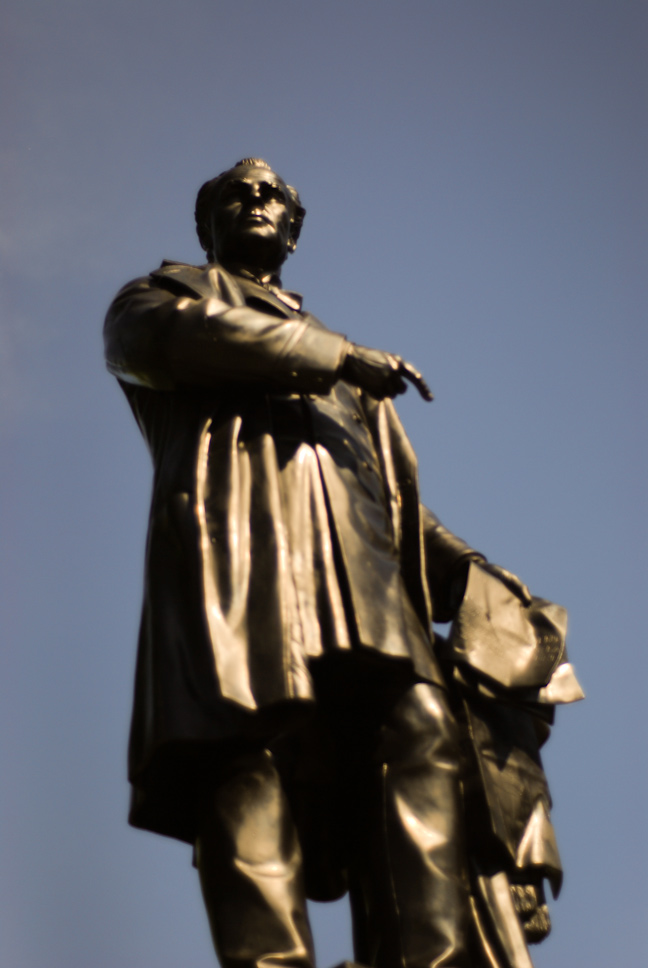
Statue of George-Étienne Cartier, Parliament Hill
Louis-Philippe Hébert · 1885
A bronze statue of Cartier erected on Parliament Hill in 1885, one of the earliest national monuments to a Father of Confederation.
This statue commemorates Cartier as a Father of Confederation, erected soon after his death.
About this source
What it is
This is a bronze statue of Sir George-Étienne Cartier, made by sculptor Louis-Philippe Hébert and put up on Parliament Hill in Ottawa in 1885. It shows Cartier standing, one arm folded, the other hand holding a hat.
Why it matters
Erected only a dozen years after Cartier's death, the statue reflects how quickly he was honoured as one of the founders of the Canadian Confederation. It shows how governments use public sculpture to shape how a leader is remembered, turning a politician into a national symbol.
Look closer
- Why do you think the sculptor chose this standing pose rather than showing Cartier at work or speaking?
- What does the choice to place this statue on Parliament Hill, rather than elsewhere, tell you about Cartier's importance?
- What is missing from a statue that a written biography might include?
This sculpture is part of the curated material that grounds the AI version of George-Étienne Cartier on Humy.ai — when students ask about related events, the AI can quote it and cite it.
More George-Étienne Cartier sources
Meet the AI George-Étienne Cartier →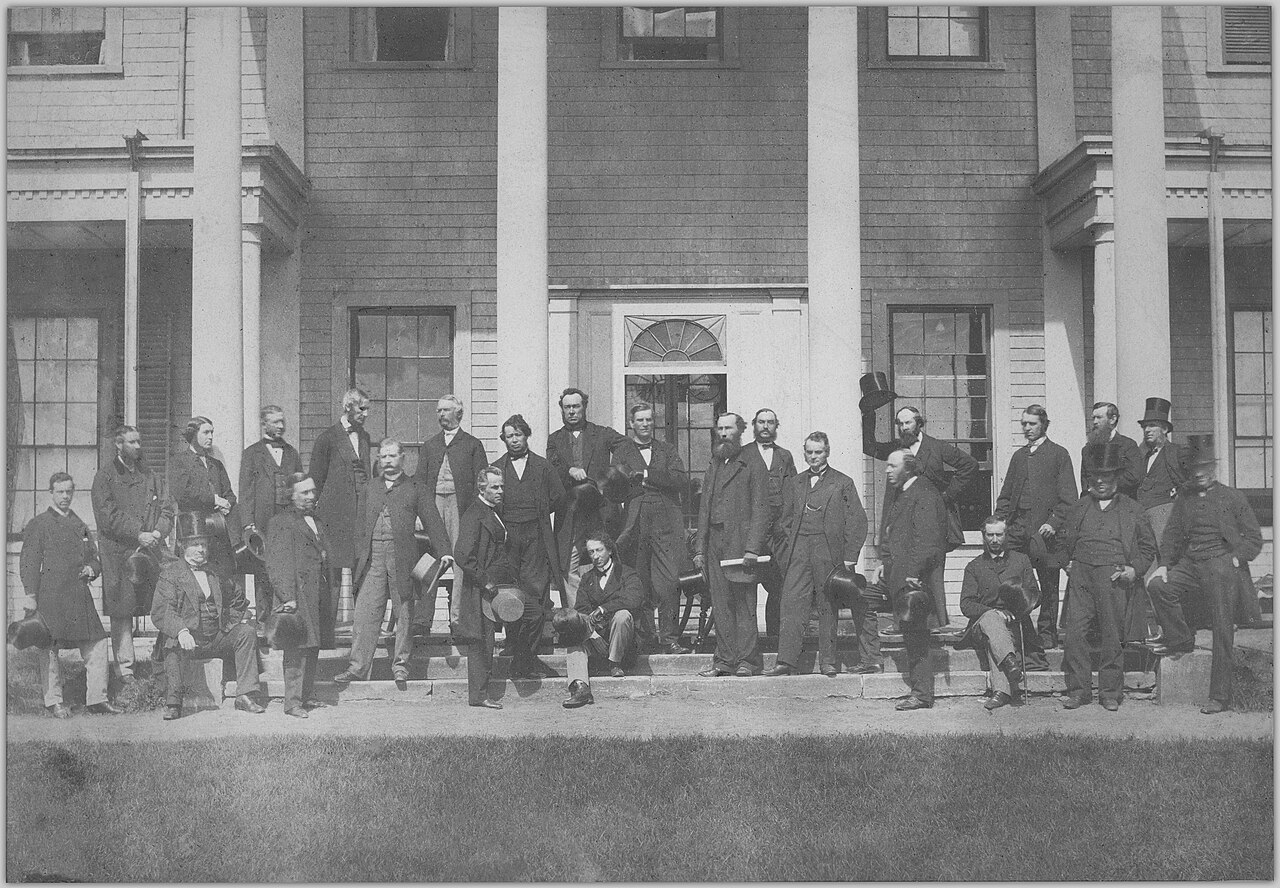 Photograph
Primary source
Charlottetown Conference Delegates, September 1864
George P. Roberts · September 1864
 Painting
Secondary source
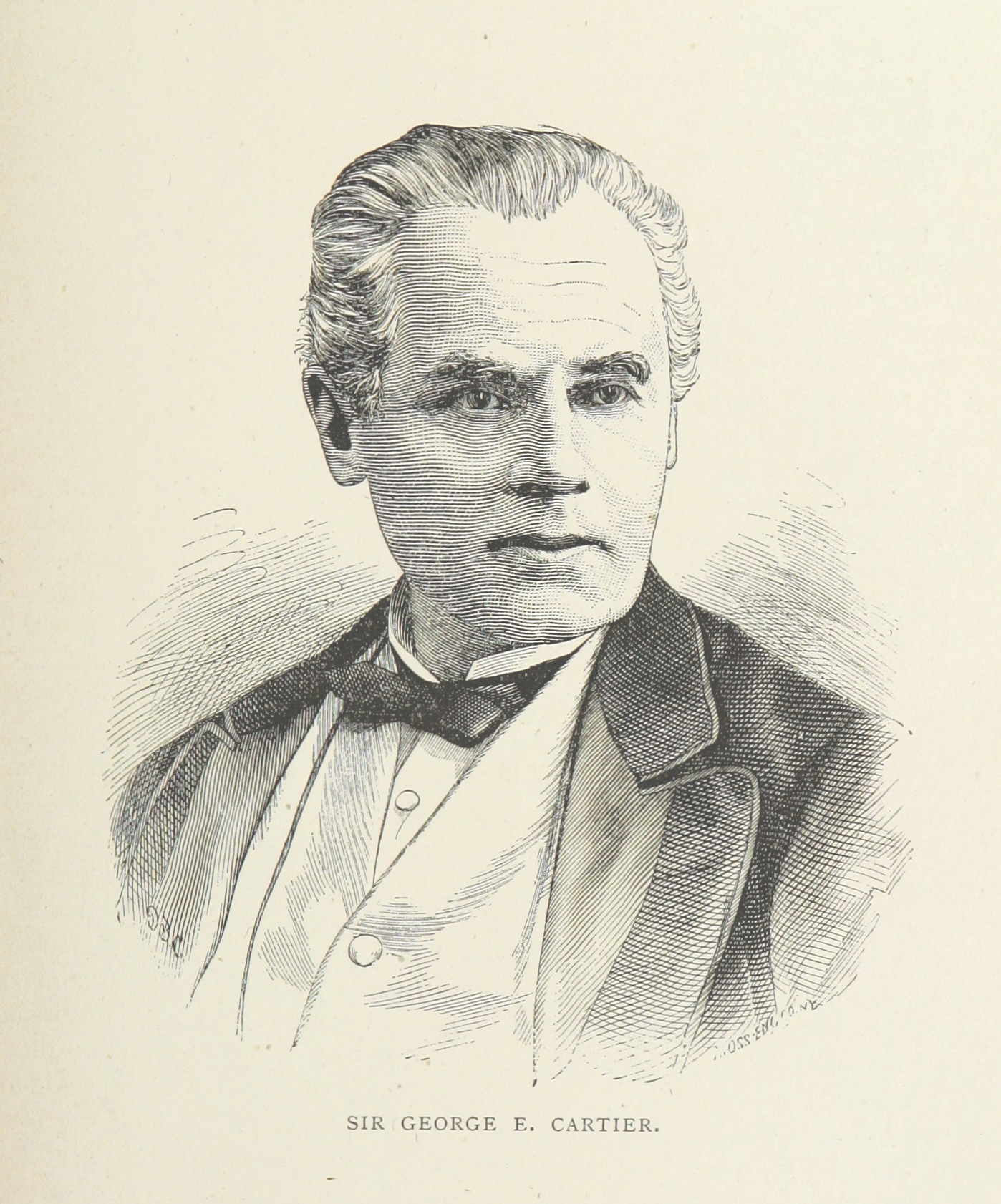
George E. Cartier Engraving
1885
 Document
Primary source
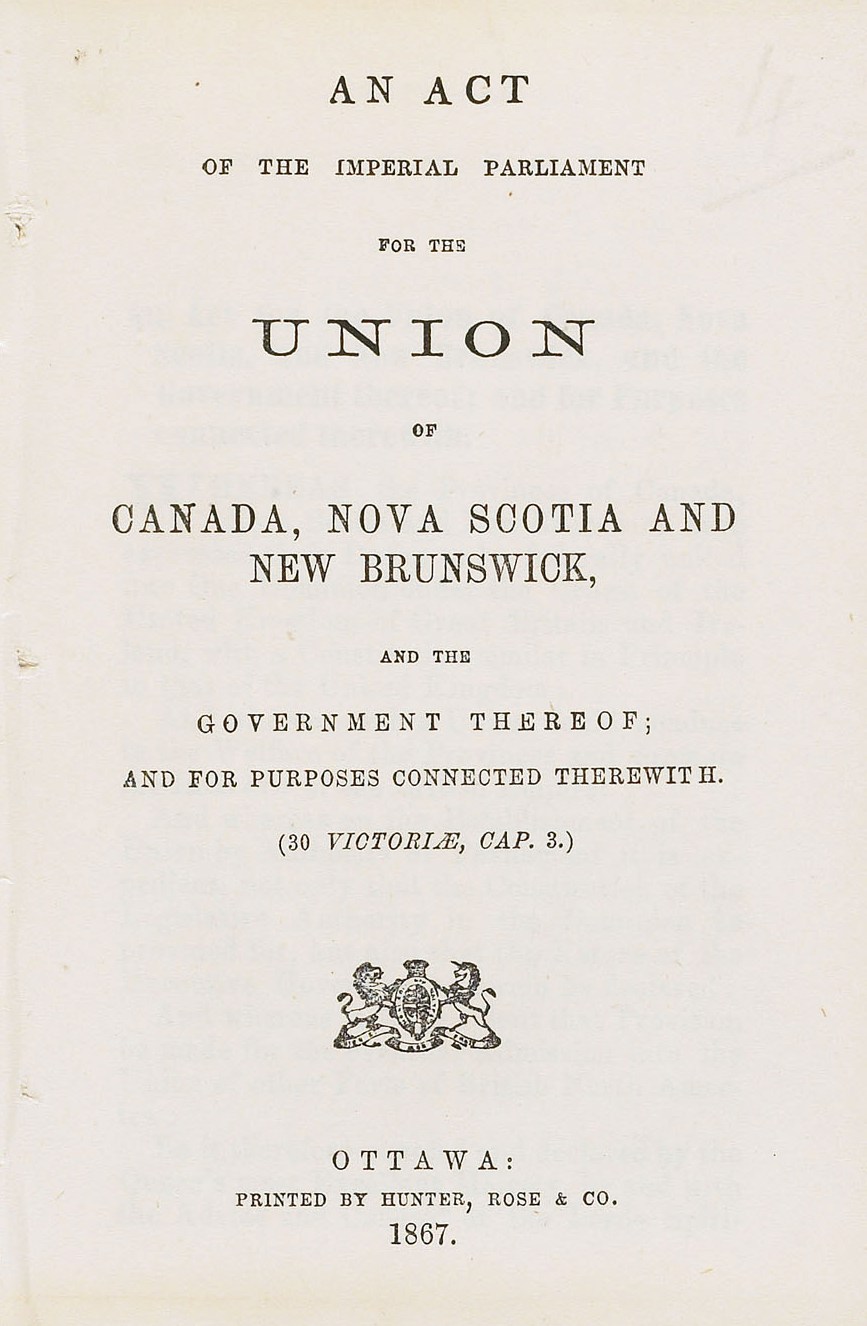
Constitution Act, 1867
1867
 Photograph
Primary source
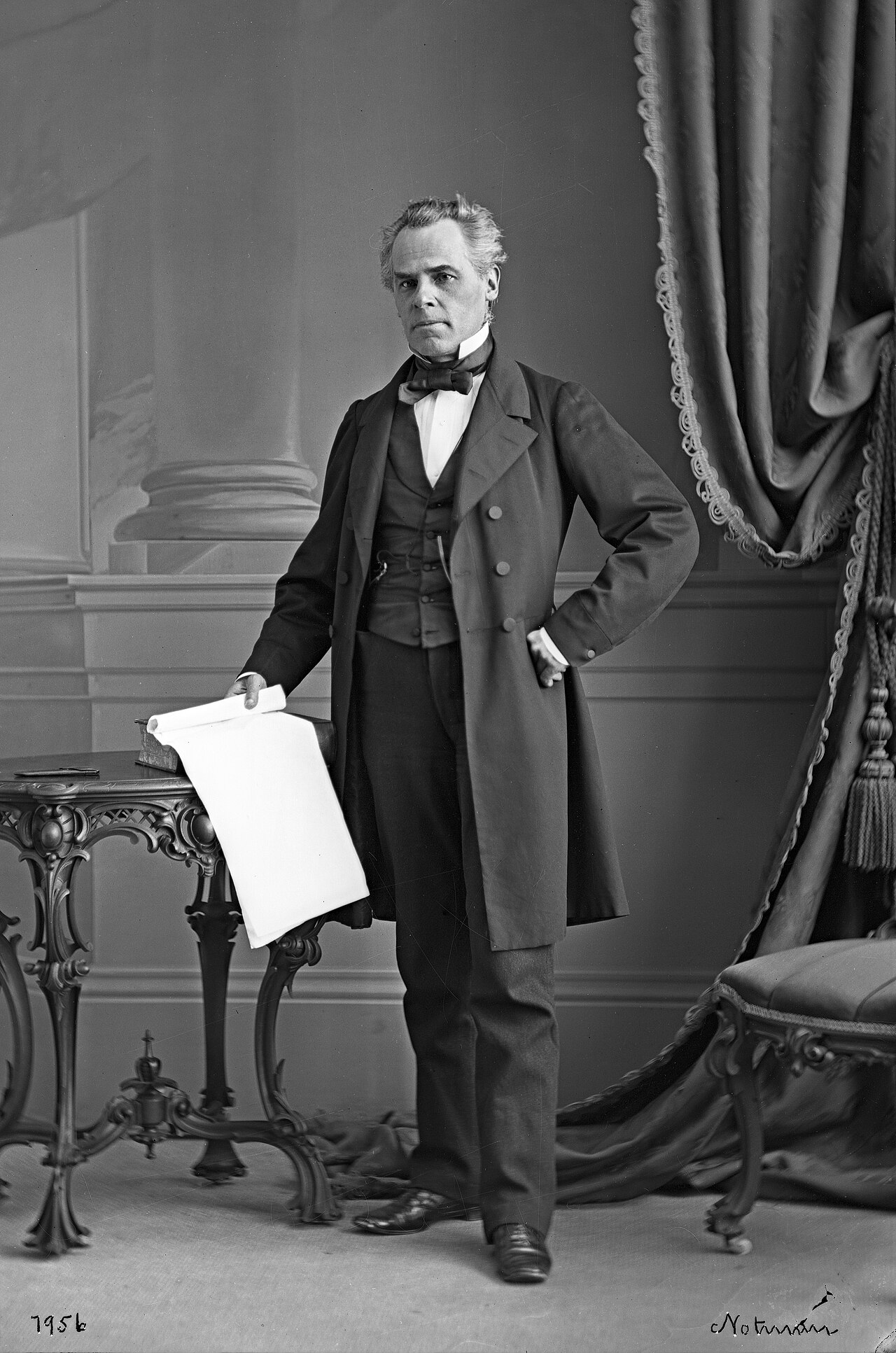
George-Etienne Cartier
William Notman · 1863
 Photograph
Primary source
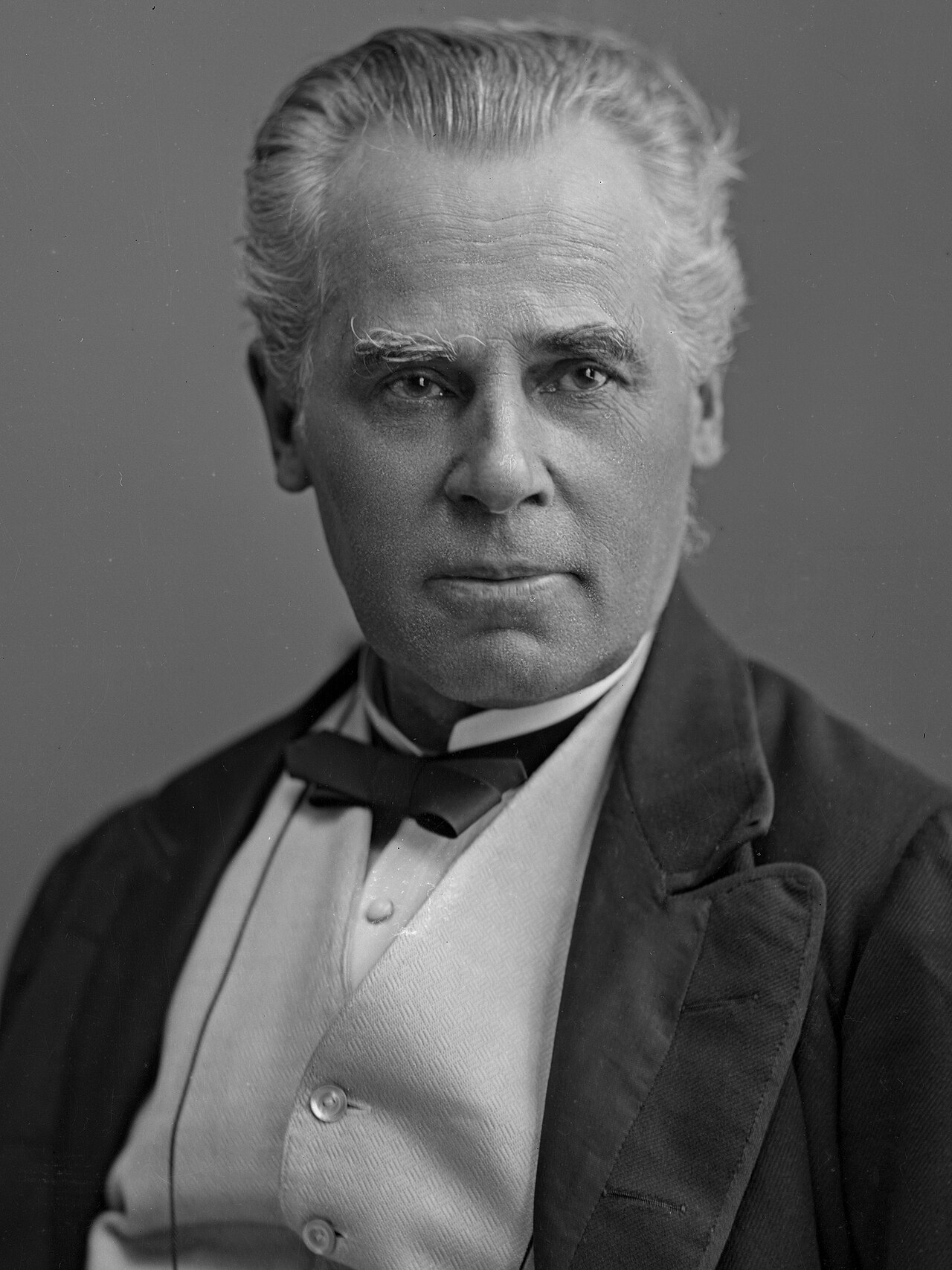
Sir George Etienne Cartier
William Notman
Ready when you are
Start chatting with George-Étienne Cartier now.
20 messages free · No credit card · Available in 50+ languages.