


Secondary sourceSculpture1889
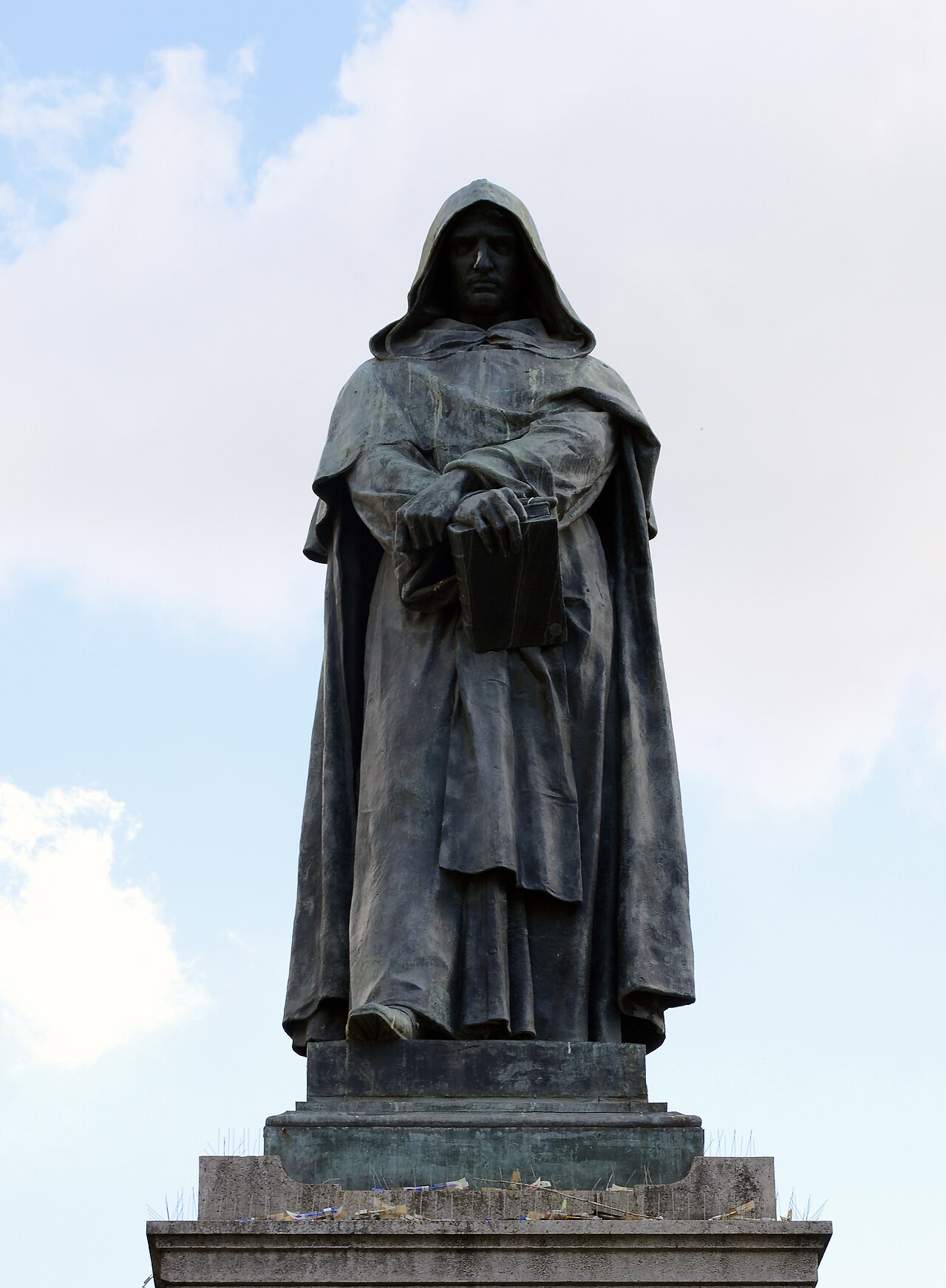
Statue of Giordano Bruno
Ettore Ferrari · 1889
A bronze statue by Ettore Ferrari erected in 1889 at Campo de' Fiori in Rome, on the spot where Bruno was burned at the stake.
This monument, placed at the site of Bruno's execution, turned him into a symbol of free thought long after his death.
About this source
What it is
This bronze statue of Giordano Bruno was made by sculptor Ettore Ferrari and unveiled in 1889 at Campo de' Fiori in Rome, the square where Bruno was executed in 1600. The pedestal carries medallions of other thinkers who clashed with religious authorities, including Tommaso Campanella, John Wycliffe and Jan Hus.
Why it matters
The statue was funded by anticlerical groups, including Freemasons and university students, soon after Pope Leo XIII's encyclical against Freemasonry. Its unveiling caused strong conflict with the Catholic Church, showing how Bruno's execution was later used as a symbol in the struggle between secular and religious authority in Italy.
Look closer
- Why do you think Bruno was chosen as a symbol by anticlerical and Masonic groups in the 1880s?
- What does the choice of other thinkers on the pedestal tell us about how Bruno was being remembered?
- How might a statue made centuries after someone's death shape how we think of them today?
This sculpture is part of the curated material that grounds the AI version of Giordano Bruno on Humy.ai — when students ask about related events, the AI can quote it and cite it.
More Giordano Bruno sources
Browse all 92 →Secondary source
A Brief History of Modern Philosophy, Book 1
1912
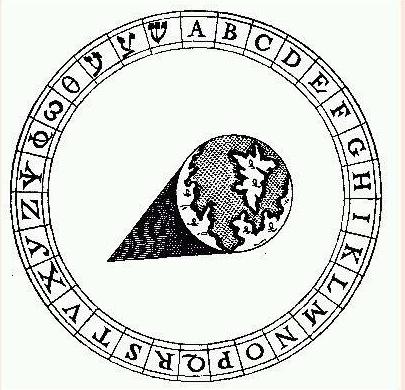 Book
Primary source
De umbris idearum
Giordano Bruno · 1582
 Book
Primary source
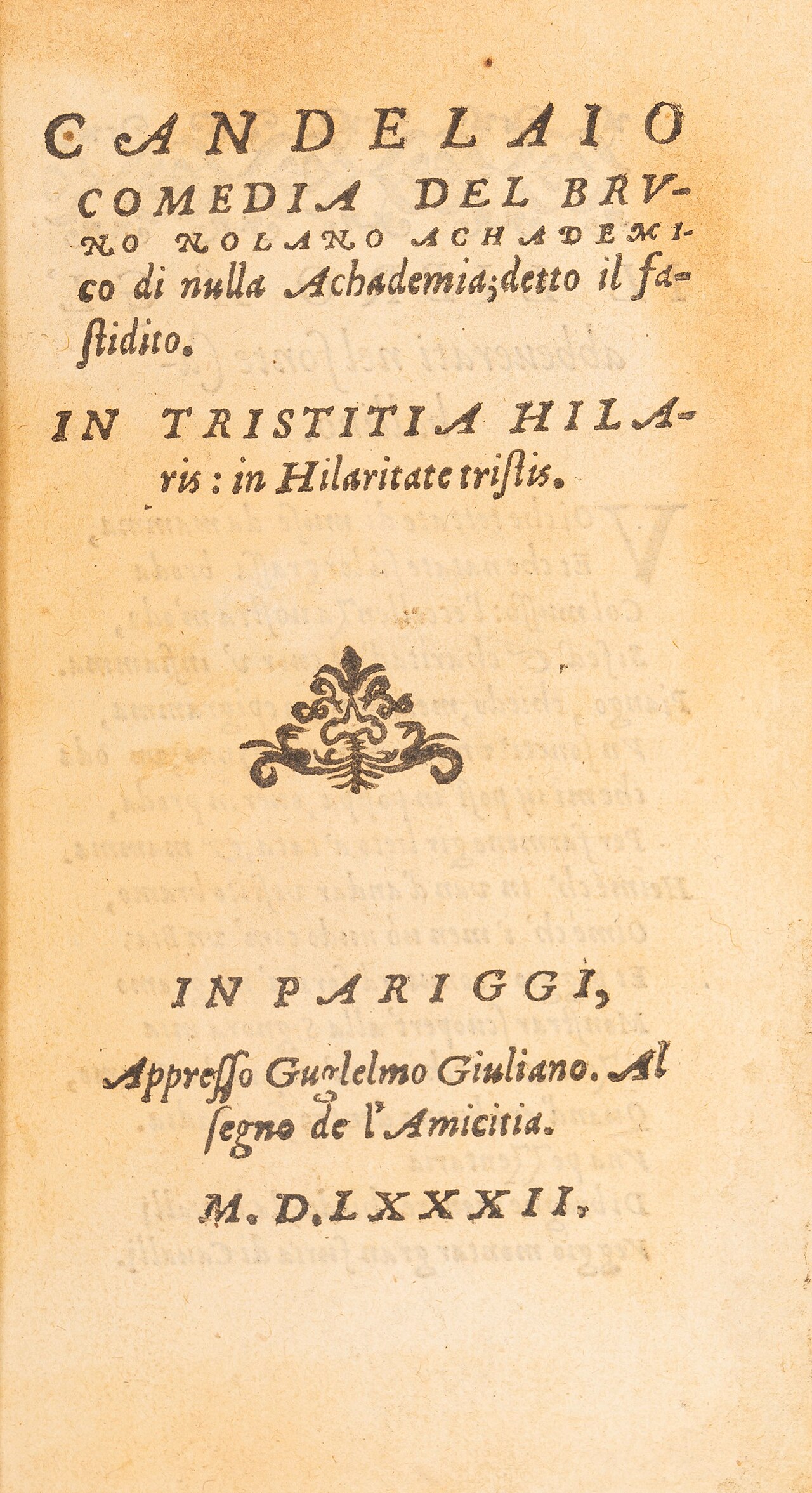
Candelaio
Giordano Bruno · 1582
 Book
Primary source
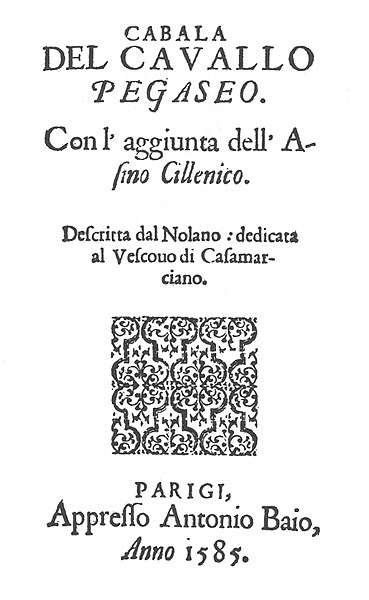
Cabala del cavallo pegaseo
Giordano Bruno · 1585
Free account
Read every Giordano Bruno source
Sign up free →
Ready when you are
Start chatting with Giordano Bruno now.
20 messages free · No credit card · Available in 50+ languages.