


Secondary sourceBook1912
A Brief History of Modern Philosophy, Book 1
1912
A 1912 textbook passage that presents Kepler as an example of a thinker from the Renaissance period.
A textbook passage that presents Kepler as an example of a Renaissance thinker in the history of philosophy.
About this source
What it is
This is the first book of A Brief History of Modern Philosophy, published in 1912 and shown here from a Wikisource transcription. Its opening section is about the philosophy of the Renaissance and the discovery of natural man. The passage on Kepler calls him the famous astronomer and an interesting example of a thinker whose ideas were tied to the period. The facts do not name the author of the textbook.
Why it matters
Textbooks like this one shaped how students learned the history of ideas in the early twentieth century. By placing Kepler among philosophers of the Renaissance, the book shows that scientific and philosophical thinking were then treated as closely related. It is a later summary, so its judgments reflect the author's own view of the period.
Look closer
- Why does the author treat Kepler as an example within a chapter on philosophy rather than only as an astronomer?
- What does the opening about Burckhardt and the discovery of man suggest about how the author saw the Renaissance?
- Whose views might this textbook leave out, and how could students check its claims against earlier sources?
This book is part of the curated material that grounds the AI version of Johannes Kepler on Humy.ai — when students ask about related events, the AI can quote it and cite it.
More Johannes Kepler sources
Meet the AI Johannes Kepler →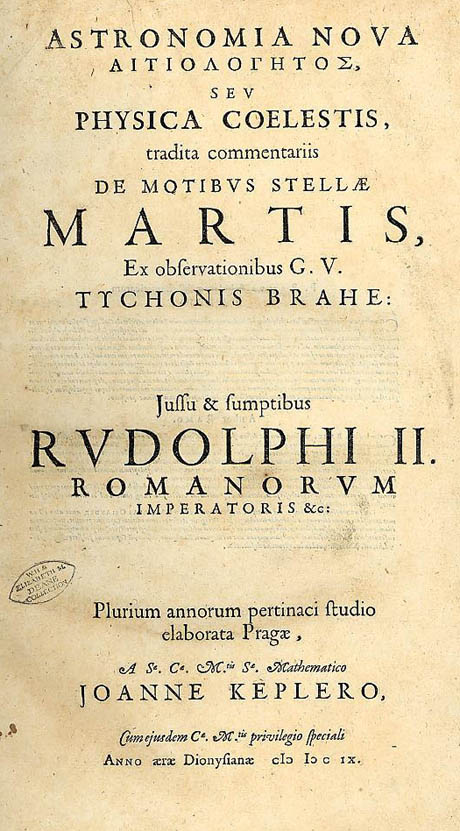 Book
Secondary source
Astronomia Nova
Johannes Kepler · 1609
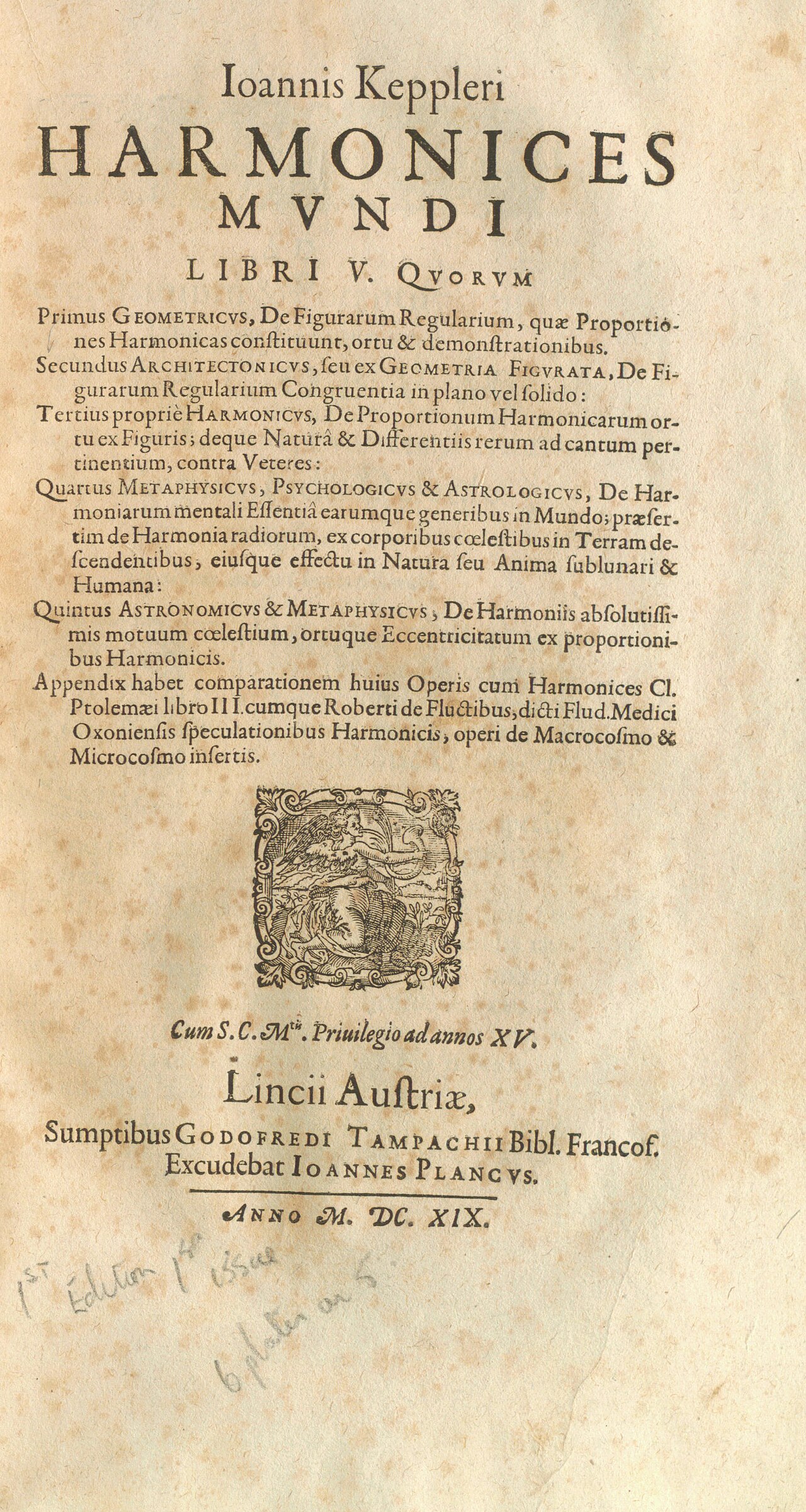 Book
Primary source
Harmonices Mundi
Johannes Kepler · 1619
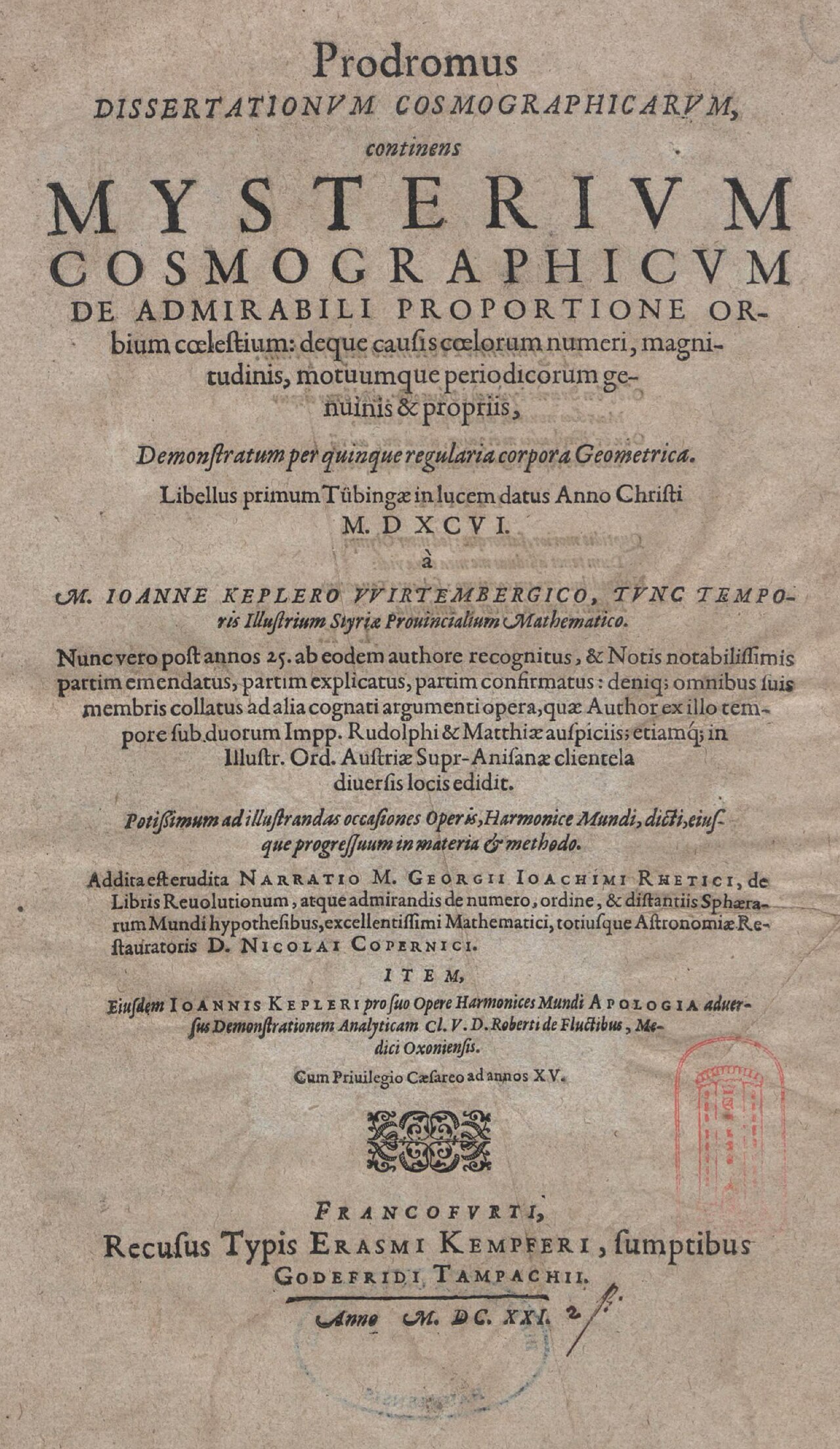 Book
Secondary source
Mysterium Cosmographicum
Johannes Kepler · 1596 (2nd edition 1621)
Secondary source
The Martyrs of Science: Galileo, Tycho Brahe and Kepler
David Brewster
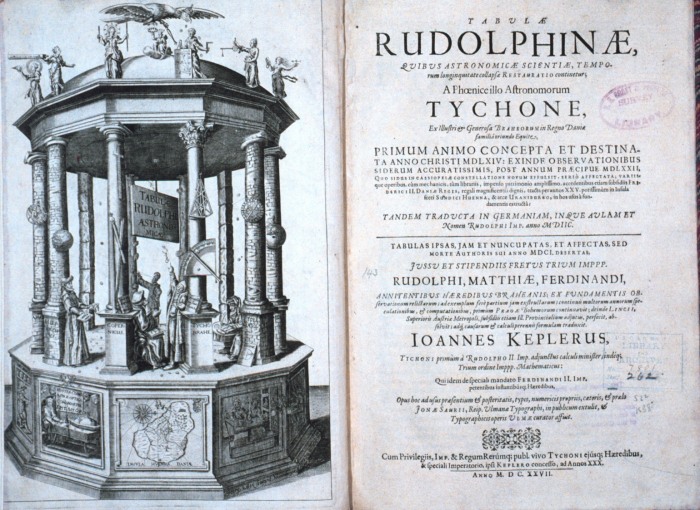 Book
Secondary source
Rudolphine Tables
Johannes Kepler · 1627
Ready when you are
Start chatting with Johannes Kepler now.
20 messages free · No credit card · Available in 50+ languages.