


Secondary sourceSculpture1837
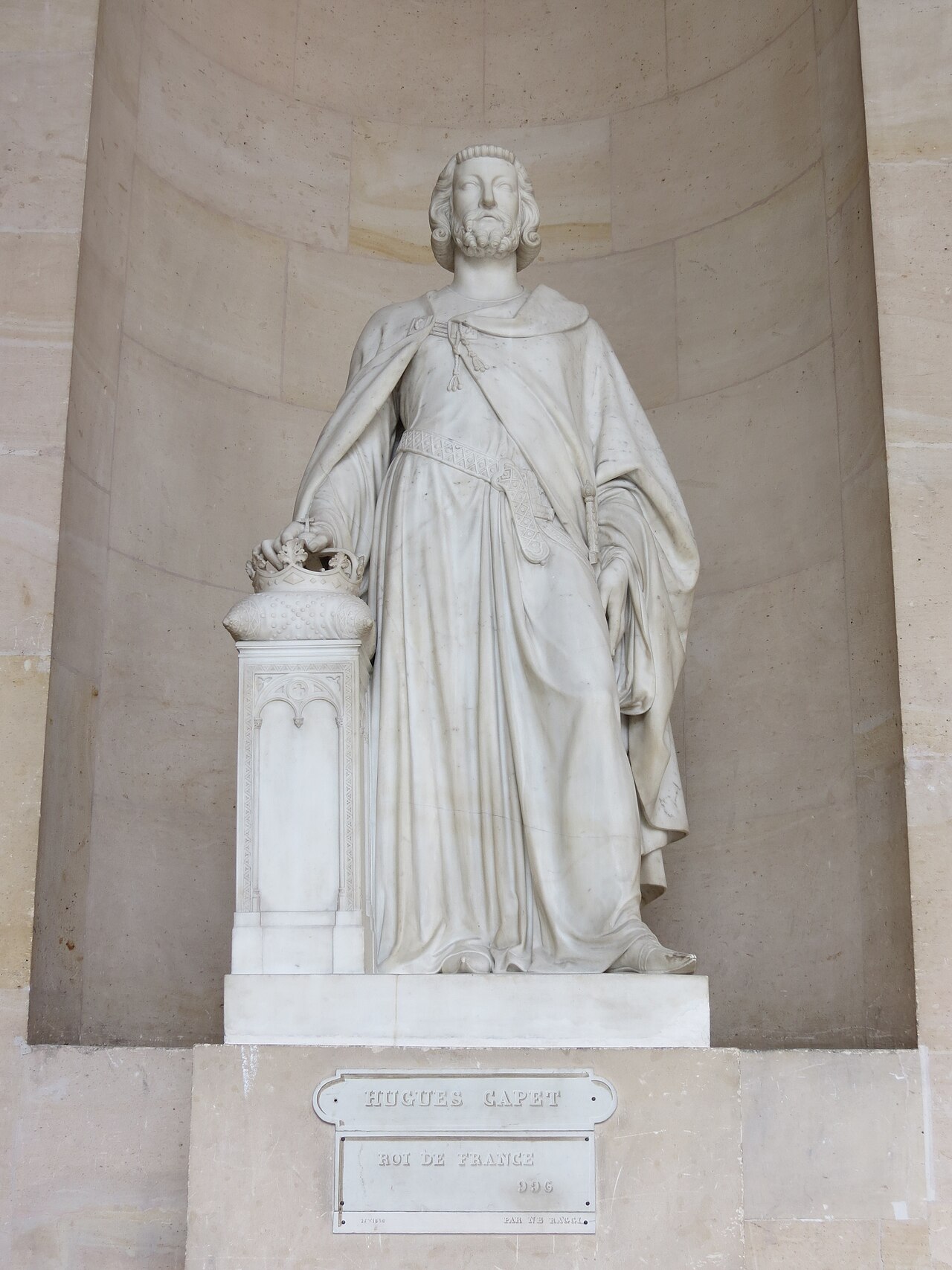
Statue of Hugh Capet by Nicolas Bernard Raggi
Nicolas Bernard Raggi · 1837
A marble statue of Hugh Capet made in 1837, celebrating him as ancestor of the French royal line.
A 19th-century monument honoring Hugh Capet as founder of the dynasty later claimed by the ruling French monarchy.
About this source
What it is
This marble statue of a bearded, crowned king in long robes was sculpted by Nicolas Bernard Raggi in 1837. A plaque beneath it identifies the figure as Hugues Capet, King of France, and gives the year 996, marking the end of his reign.
Why it matters
The statue was created during the July Monarchy, a period when the ruling Orléans family wanted to be seen as descendants of the Capetian kings. By honoring Hugh Capet, considered the founder of the Capetian dynasty, the monument helped connect the 19th-century monarchy to a much older royal tradition.
Look closer
- Why might a king who ruled centuries earlier be honored with a statue in the 1800s?
- What does the crown resting beside him suggest about his authority?
- How might the choice of marble and formal pose be meant to make him look powerful and dignified?
This sculpture is part of the curated material that grounds the AI version of Hugh Capet on Humy.ai — when students ask about related events, the AI can quote it and cite it.
More Hugh Capet sources
Browse all 43 →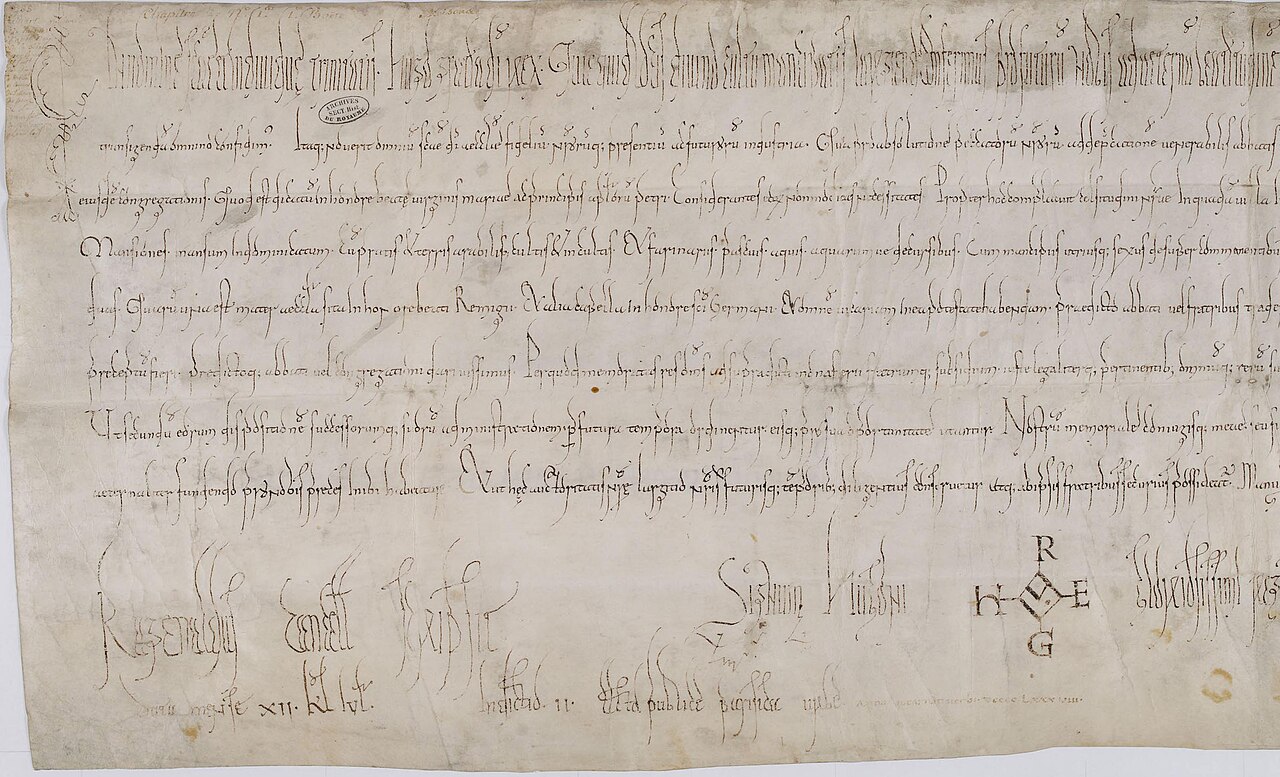 Document
Primary source
Donation by Hugh Capet to Saint-Maur-des-Fossés
Hugh Capet · 988
 Document
Primary source
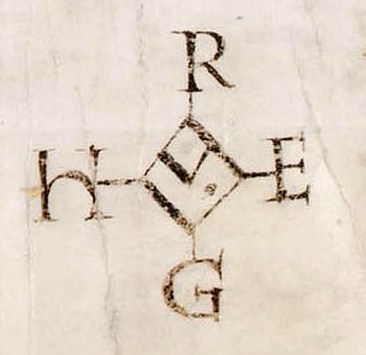
Signature Monogram of Hugh Capet
Hugh Capet · 988
 Artifact
Primary source
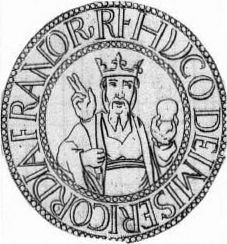
Seal of Hugh Capet
 Artifact
Primary source
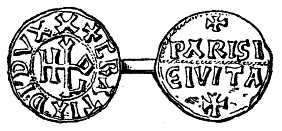
Silver Denier of Hugh Capet
Free account
Read every Hugh Capet source
Sign up free →
Ready when you are
Start chatting with Hugh Capet now.
20 messages free · No credit card · Available in 50+ languages.