


Secondary sourceSculpture1755
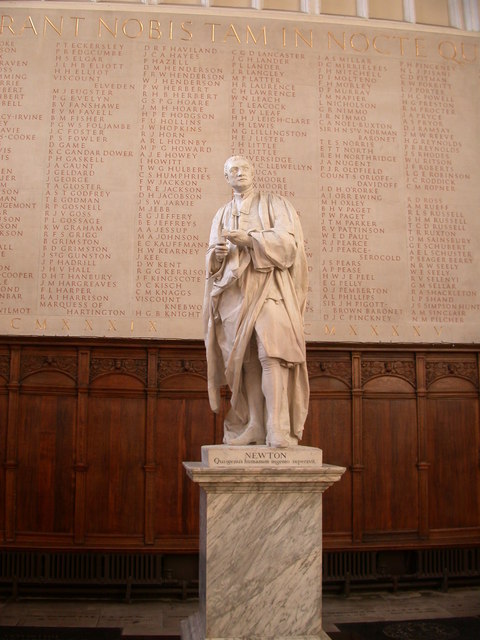
Statue of Isaac Newton, Trinity College Chapel
Louis-François Roubiliac · 1755
A marble statue of Isaac Newton holding a prism, made in 1755 and standing in the chapel of his old college.
This statue, made nearly thirty years after Newton's death, commemorates him at the college where he studied and worked.
About this source
What it is
This white marble statue of Isaac Newton was sculpted in 1755 by Louis-François Roubiliac and stands in the Chapel of Trinity College, Cambridge, where Newton studied from 1661. Newton is shown in flowing robes holding a paper, standing on a pedestal inscribed in Latin with words praising his genius.
Why it matters
The statue was made decades after Newton's death to honour him as Trinity's most famous student. It was admired as one of the finest English statues and later inspired a line by the poet Wordsworth describing Newton's mind as travelling alone through 'strange seas of Thought'. It shows how later generations remembered and celebrated Newton as a symbol of genius.
Look closer
- Why do you think the sculptor chose to show Newton holding a paper rather than another object?
- What does the Latin inscription on the pedestal tell us about how Newton was remembered?
- How might a statue made long after someone's death shape the way we imagine them?
This sculpture is part of the curated material that grounds the AI version of Isaac Newton on Humy.ai — when students ask about related events, the AI can quote it and cite it.
More Isaac Newton sources
Meet the AI Isaac Newton →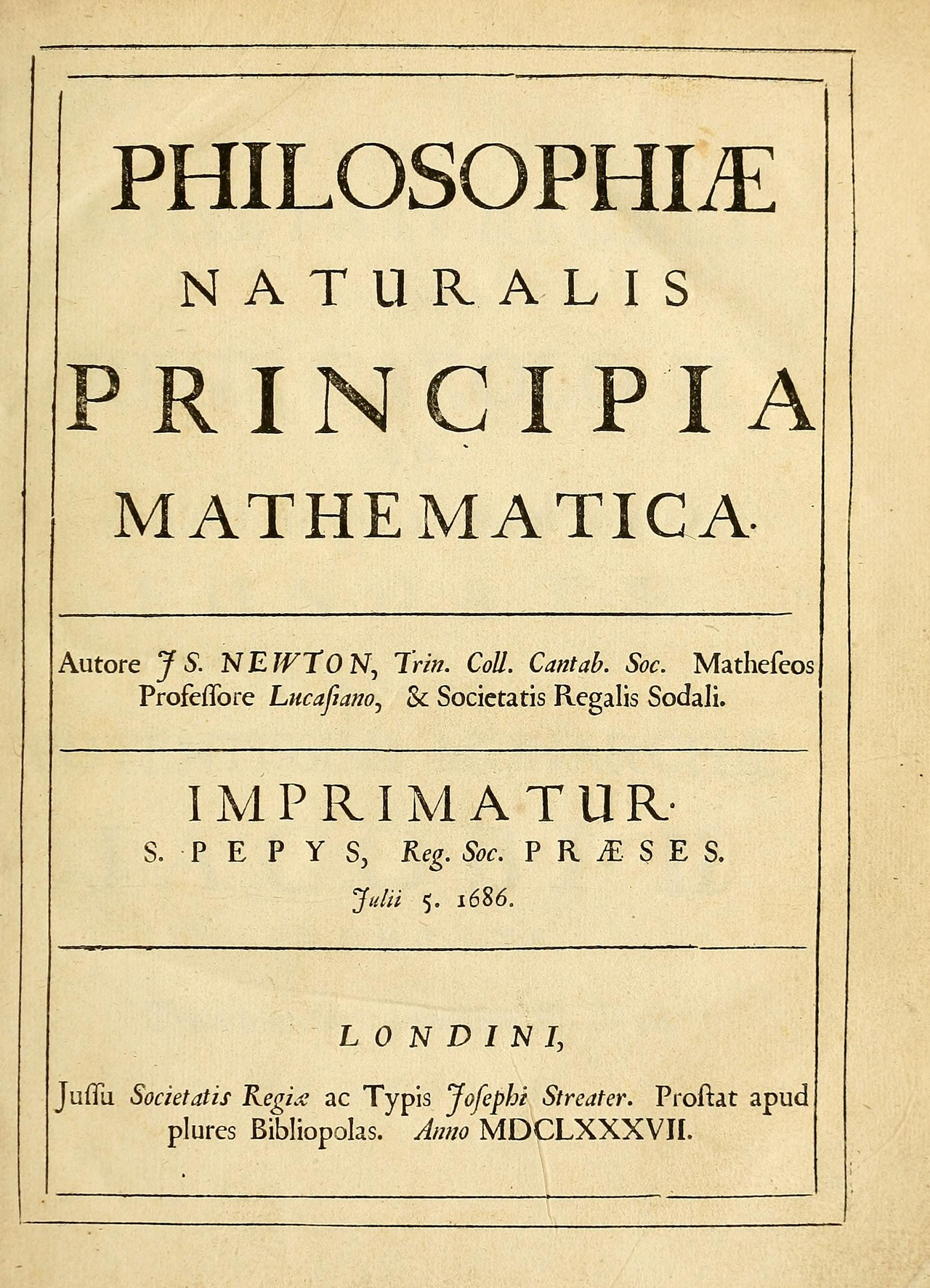 Book
Primary source
Philosophiæ Naturalis Principia Mathematica
Isaac Newton · 1687
 Book
Primary source
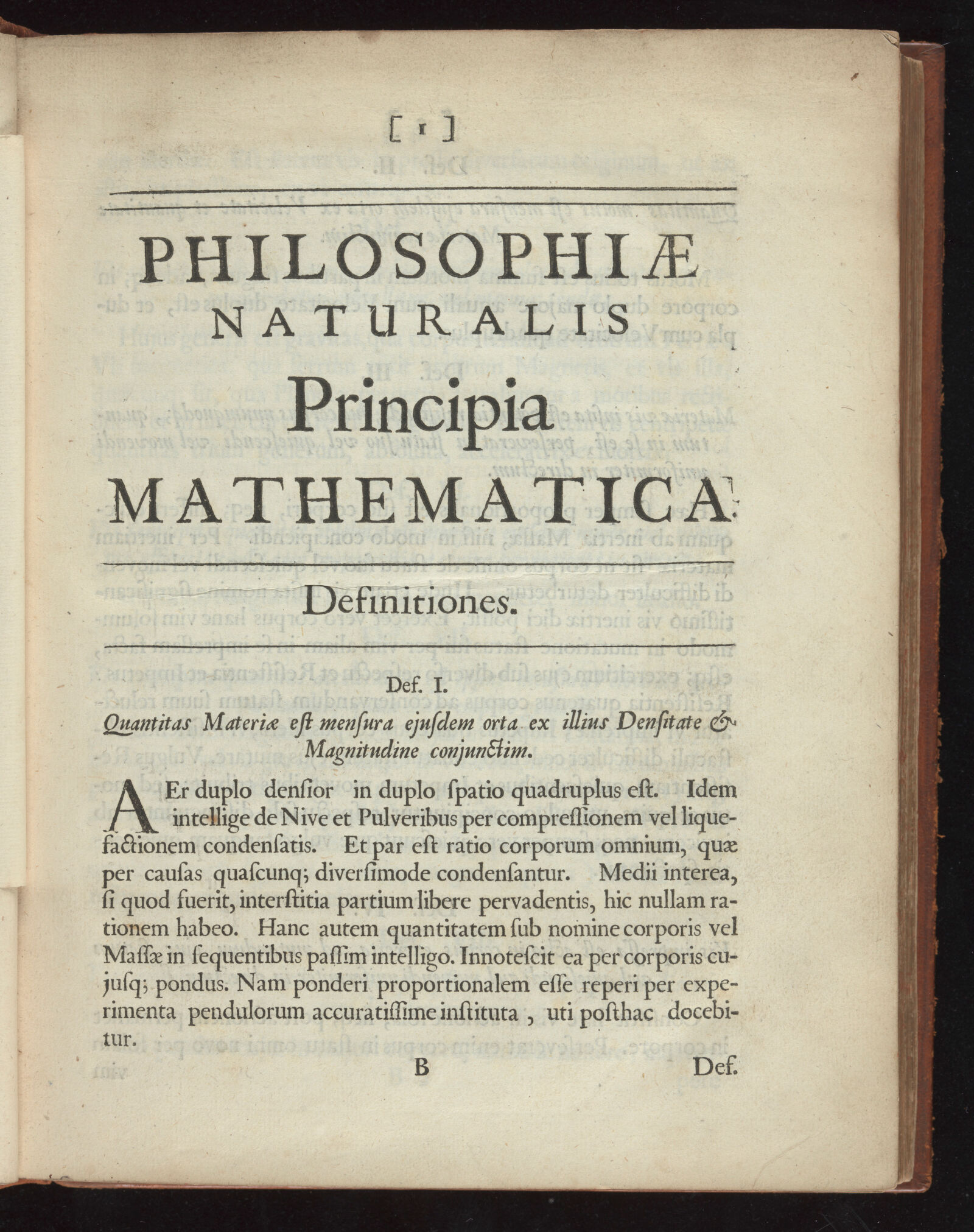
Principia Mathematica, Page 1: Definitions
Isaac Newton · 1687
 Painting
Primary source
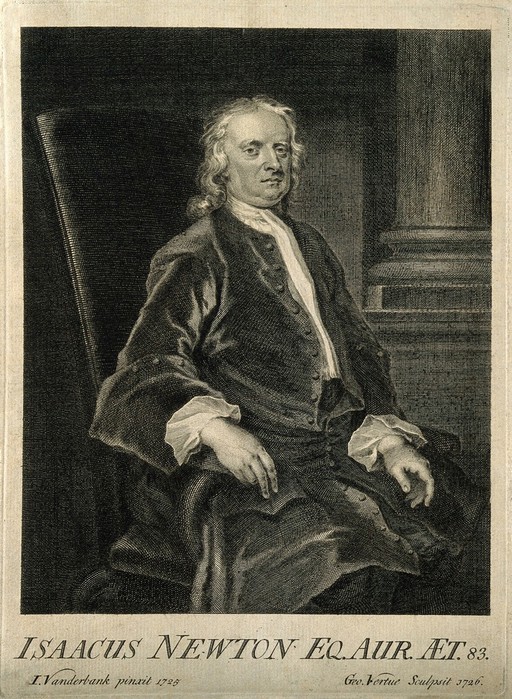
Sir Isaac Newton, line engraving by Vertue, 1726
George Vertue · 1726
 Document
Primary source
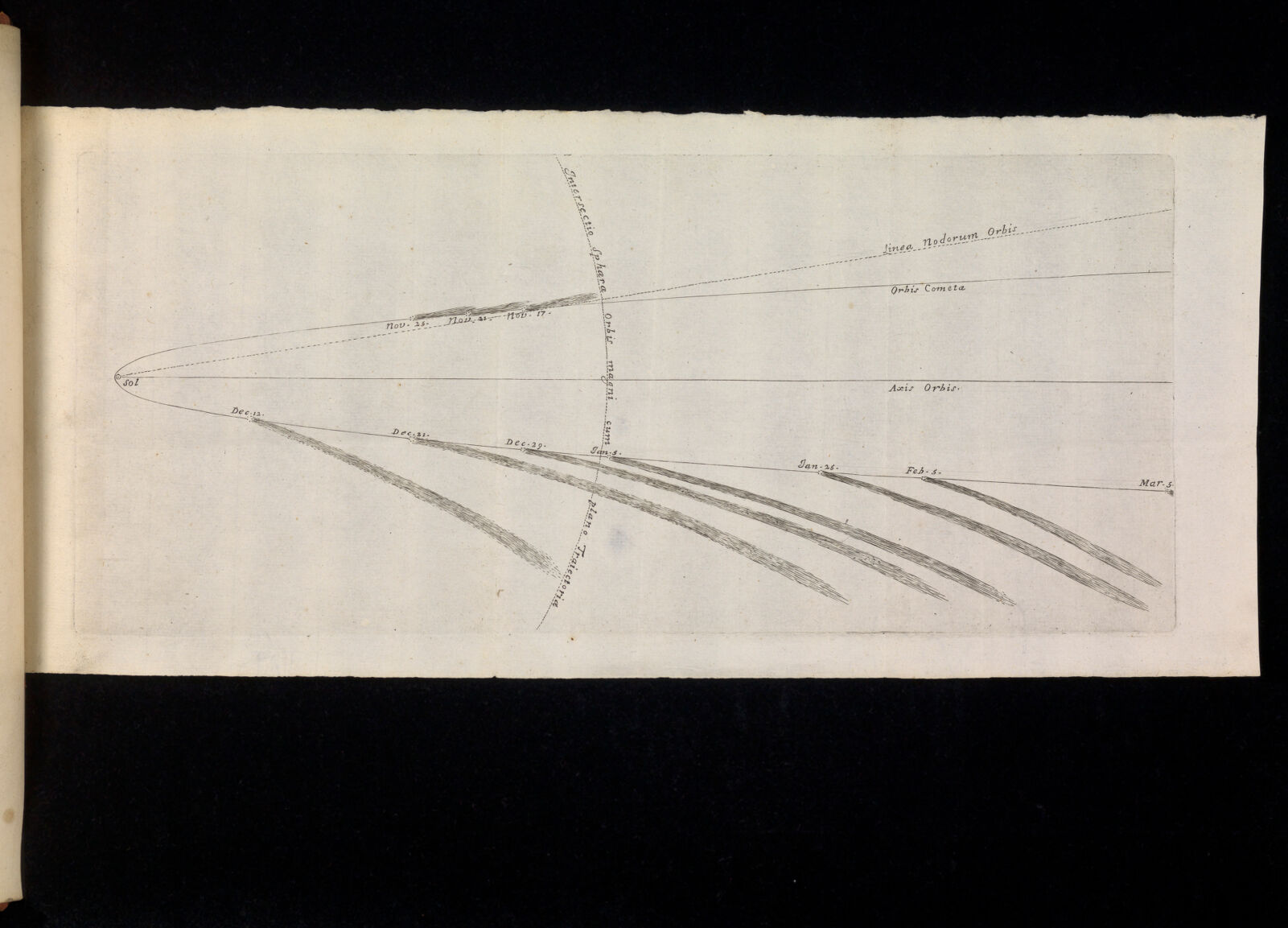
Principia Mathematica, Fold-out Diagram
Isaac Newton · 1687
 Painting
Primary source
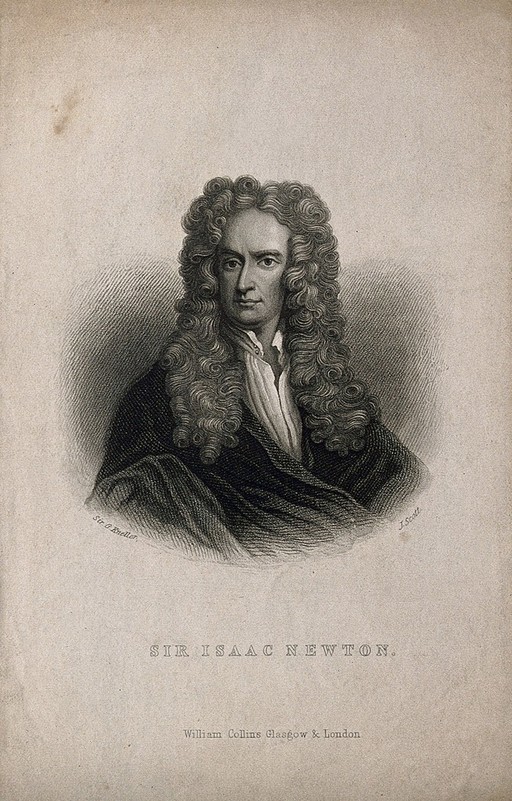
Sir Isaac Newton, stipple engraving by J. Scott after Kneller, 1702
J. Scott, after Sir Godfrey Kneller · 1702 (print made later)
Ready when you are
Start chatting with Isaac Newton now.
20 messages free · No credit card · Available in 50+ languages.