


Secondary sourceSculpture1931
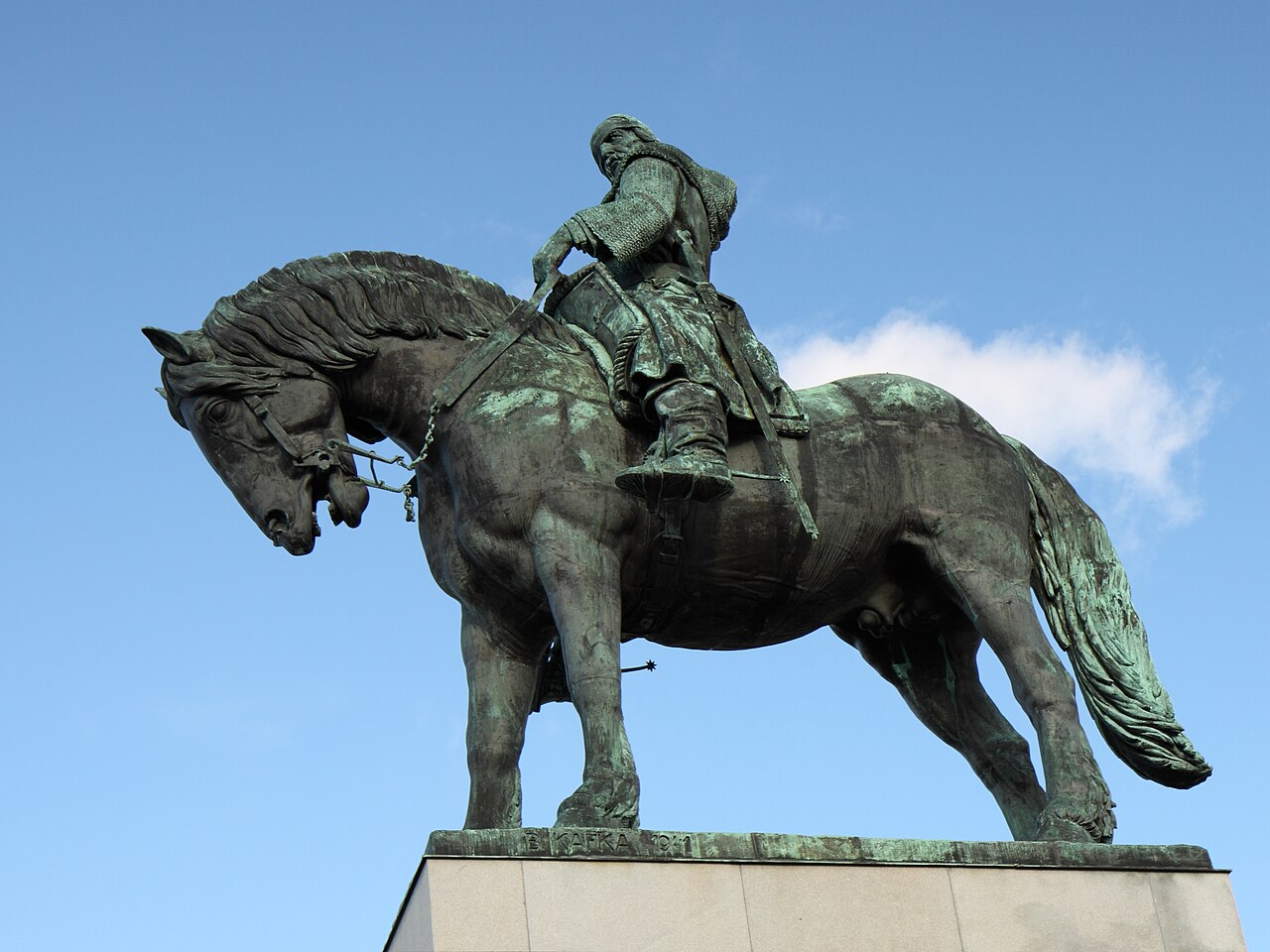
Statue of Jan Žižka at Vítkov Hill
Bohumil Kafka · 1931
A monumental bronze equestrian statue of Jan Žižka by sculptor Bohumil Kafka, standing on Vítkov Hill, the site of his 1420 victory.
This monument, built on the site of Žižka's 1420 victory, commemorates him as a Czech national hero.
About this source
What it is
This is a large bronze statue of an armored rider on horseback, created by sculptor Bohumil Kafka and dated 1931. It stands on Vítkov Hill in Prague, the plinth inscribed with the sculptor's name and the year.
Why it matters
The statue was placed on the hill where Žižka won a key battle in 1420, and it was made centuries after his death as a monument rather than a record from his own lifetime. It shows how Žižka became a national symbol in Czech memory, celebrated long after the Hussite Wars as a figure of military skill and resistance. Monuments like this tell us as much about the time they were built as about the person they honor.
Look closer
- Why might a 20th-century sculptor choose to depict Žižka on horseback in full armor?
- What does the choice of location — the site of his victory — add to the statue's meaning?
- How is a monument different from a primary document or letter as a historical source?
This sculpture is part of the curated material that grounds the AI version of Jan Žižka on Humy.ai — when students ask about related events, the AI can quote it and cite it.
More Jan Žižka sources
Browse all 82 →Primary source
Žižka's Regulations of War
Jan Žižka · 1423
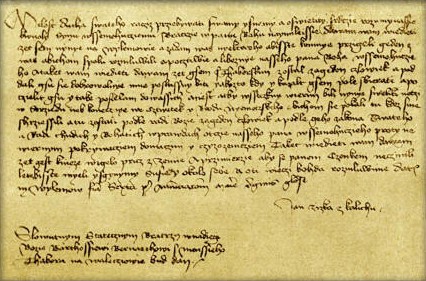 Letter
Primary source
Letter of Jan Žižka of Trocnov
Jan Žižka
 Artifact
Primary source
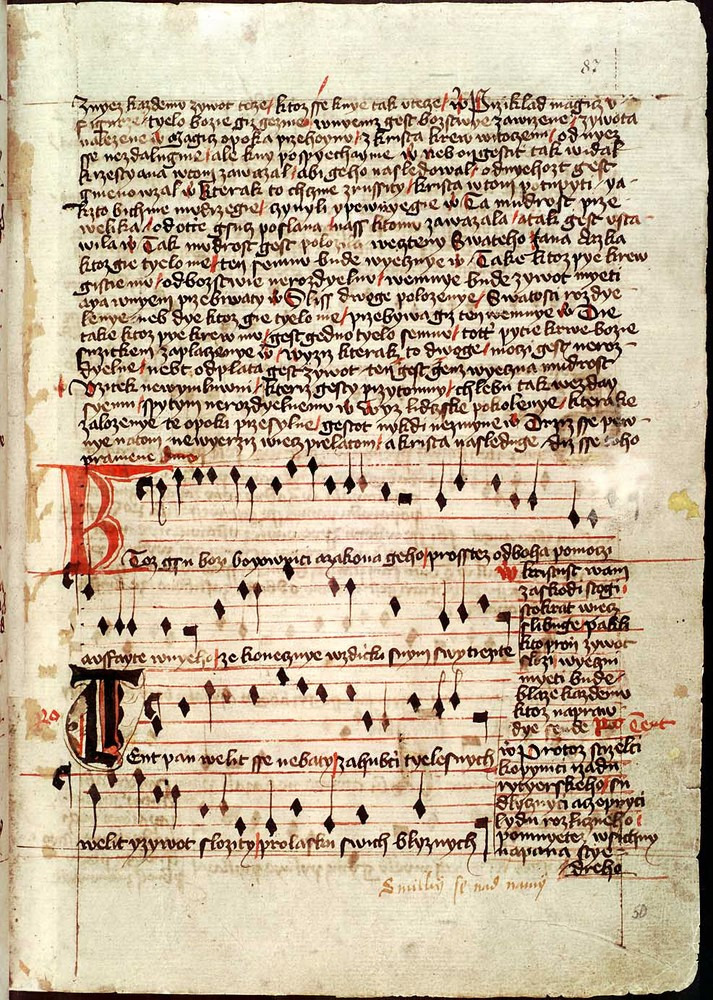
Ktož jsú boží bojovníci
1420
 Artifact
Secondary source
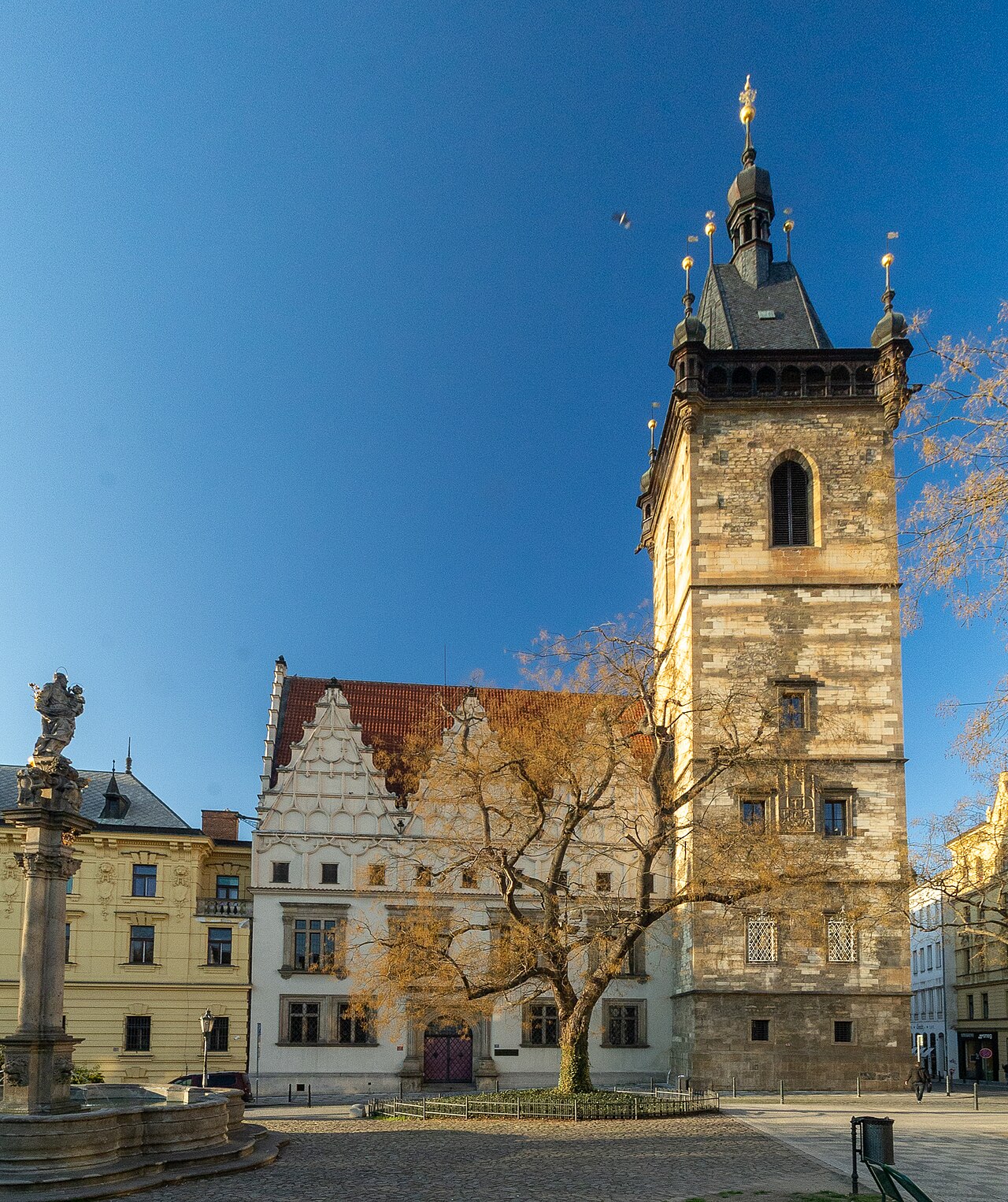
New Town Hall, Prague
1370 (building); 1419 (defenestration)
Free account
Read every Jan Žižka source
Sign up free →
Ready when you are
Start chatting with Jan Žižka now.
20 messages free · No credit card · Available in 50+ languages.