


Secondary sourceSculpture1897
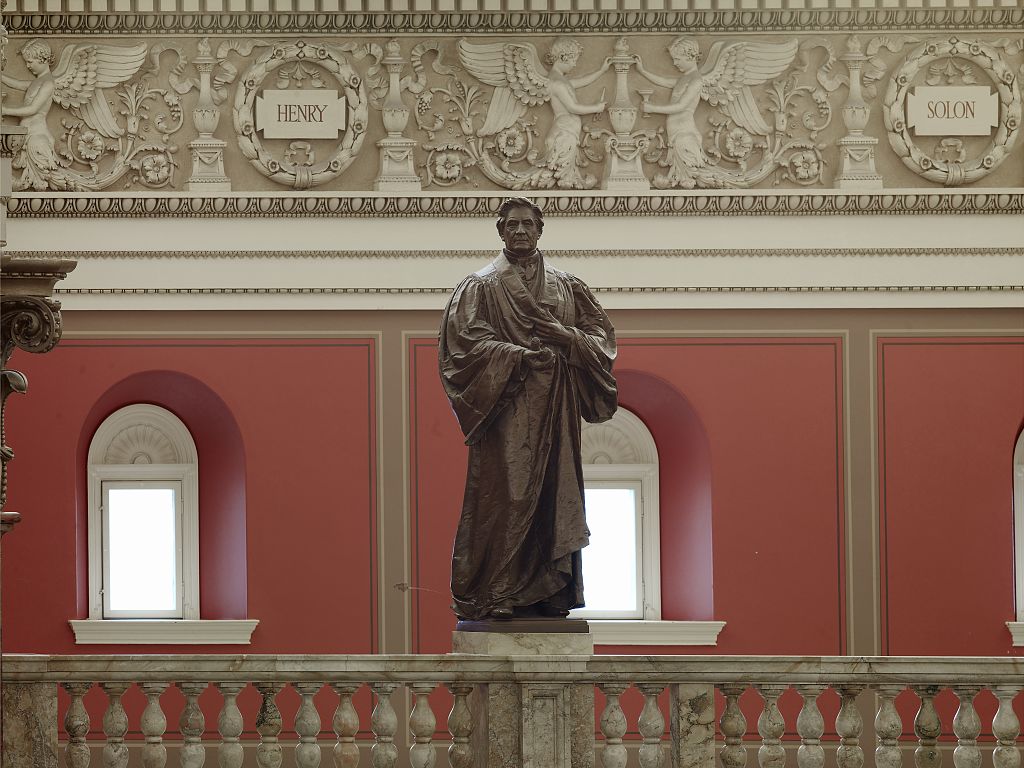
Statue of Joseph Henry, Library of Congress
Herbert Adams · 1897
A 1897 bronze statue of Joseph Henry by Herbert Adams, standing among sixteen statues honoring great thinkers in the Library of Congress reading room.
This statue commemorates Henry's scientific achievements, showing him holding the electromagnet he devised.
About this source
What it is
This photograph, taken by Carol M. Highsmith, shows a bronze statue of Joseph Henry made by sculptor Herbert Adams in 1897. The statue stands along the balustrade of the Main Reading Room in the Library of Congress's Thomas Jefferson Building in Washington, D.C. Henry is shown holding an electromagnet, a device he helped develop.
Why it matters
Henry discovered electromagnetic induction independently of Michael Faraday. His statue, paired with one of Isaac Newton, was chosen to symbolize scientific progress among sixteen figures honored in the reading room. This shows how, decades after his death, Henry was remembered as a symbol of American science.
Look closer
- Why might the Library of Congress choose to pair Henry's statue with one of Isaac Newton?
- What does the choice to show Henry holding an electromagnet tell you about how he wanted to be remembered, or how others wanted to remember him?
- Why do public buildings often use statues rather than paintings or photographs to honor historical figures?
This sculpture is part of the curated material that grounds the AI version of Joseph Henry on Humy.ai — when students ask about related events, the AI can quote it and cite it.
More Joseph Henry sources
Browse all 69 →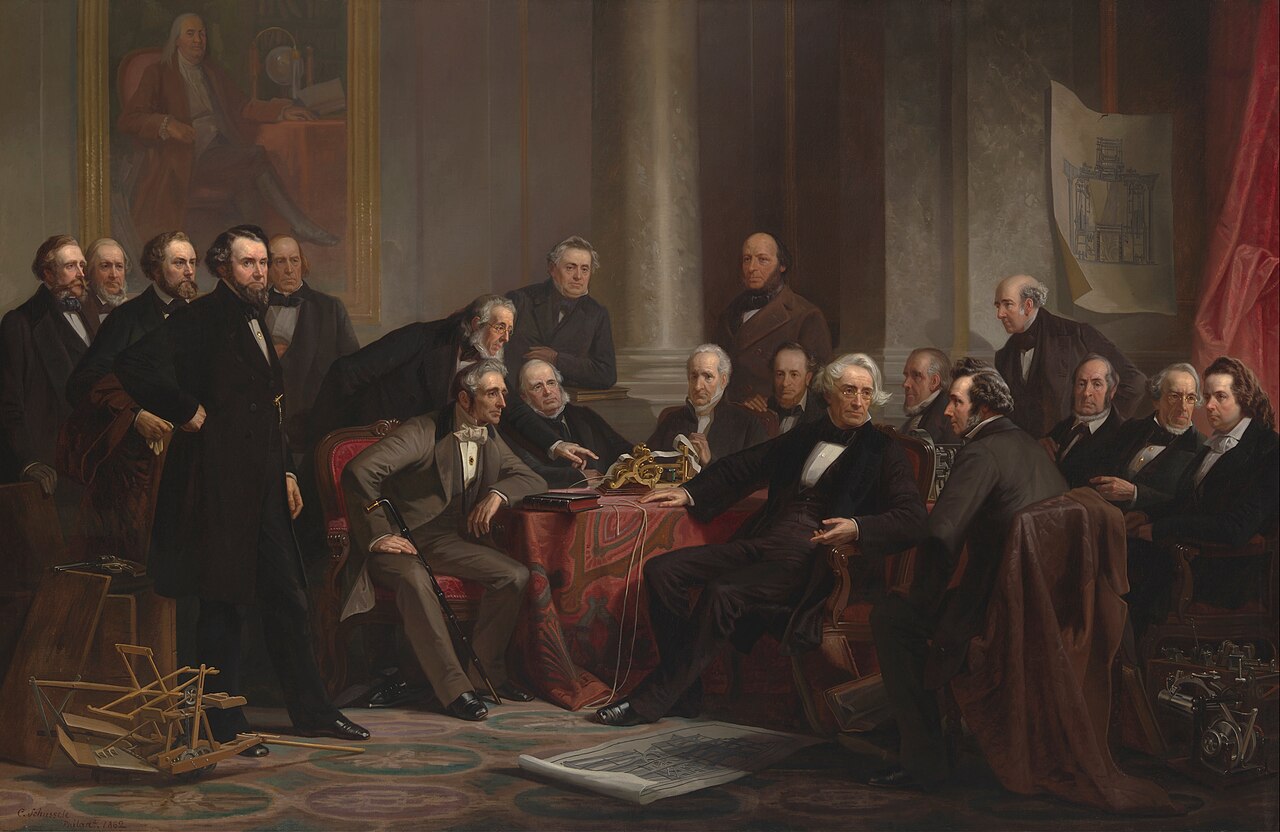 Painting
Secondary source
Men of Progress
Christian Schussele · 1862
 Artifact
Primary source
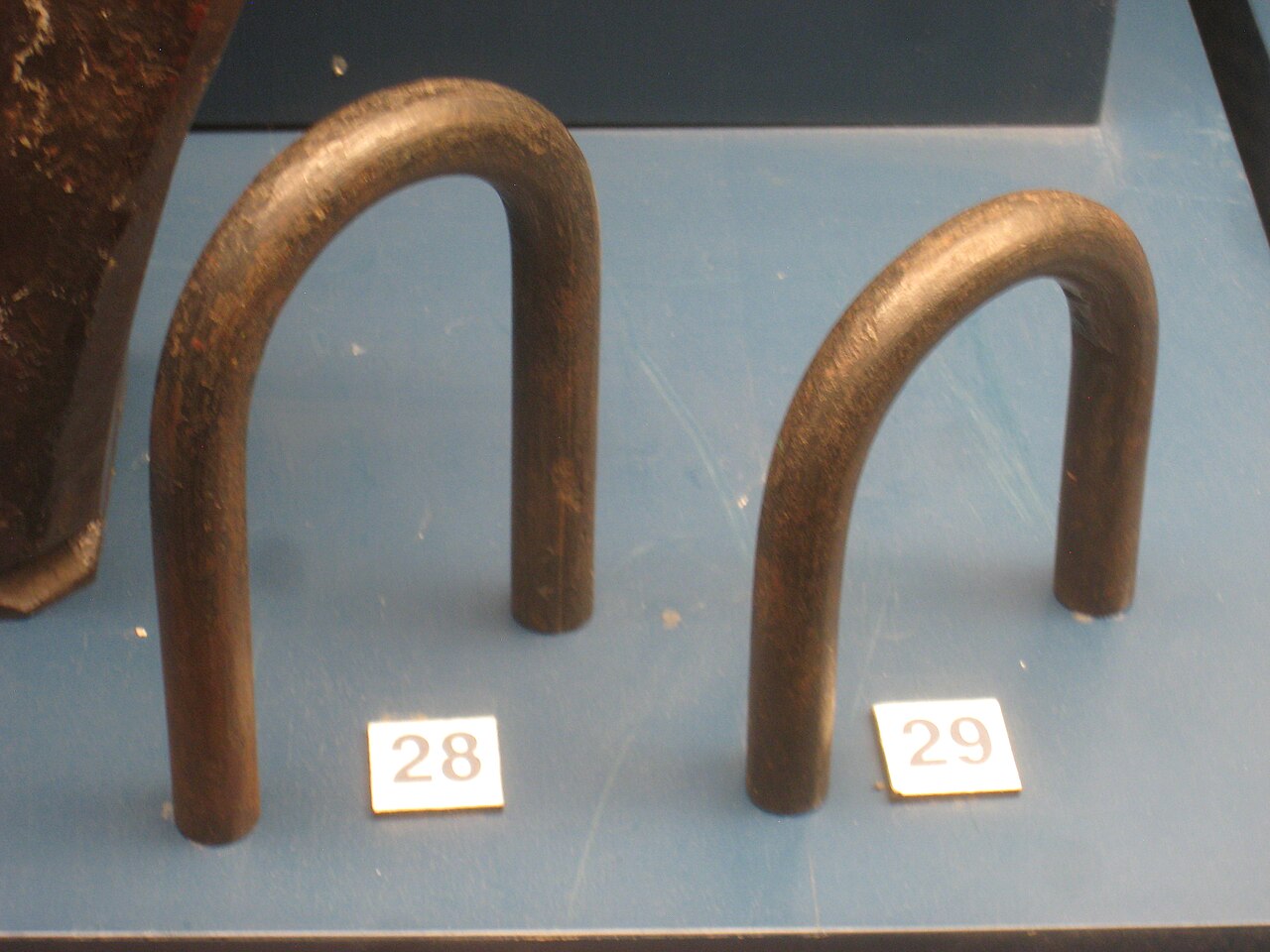
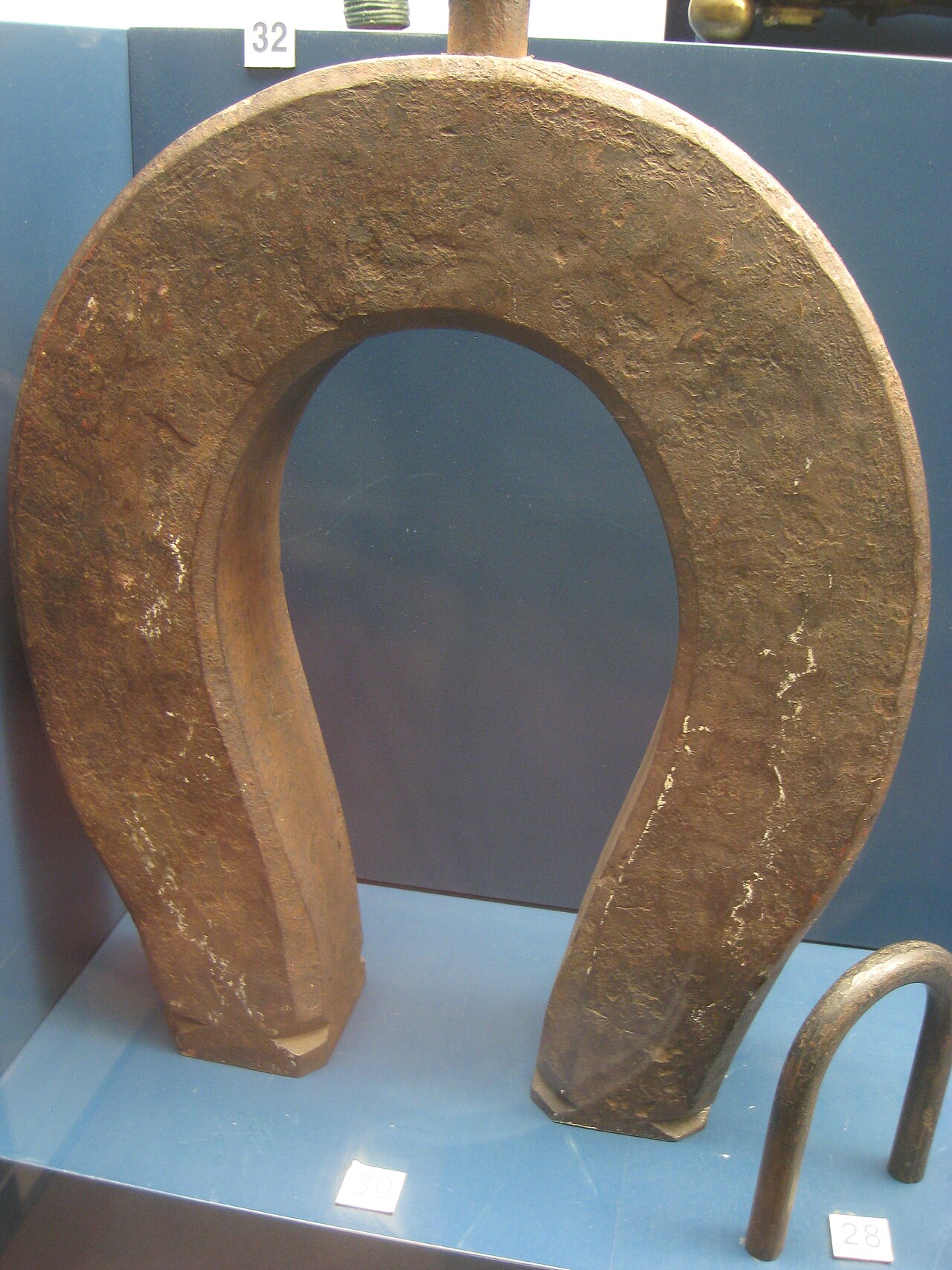
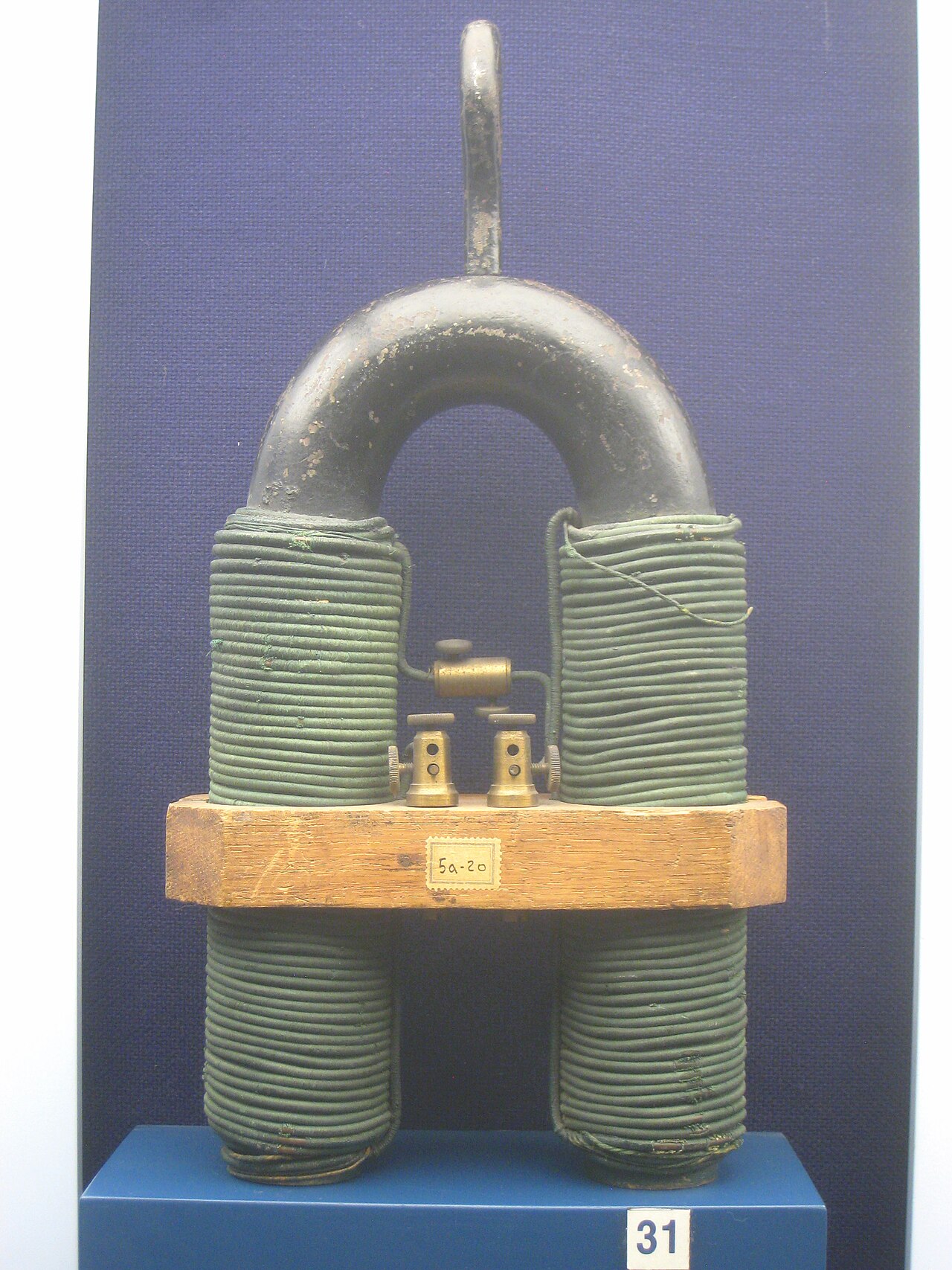
Magnet cores, 1827
Joseph Henry · 1827
 Photograph
Primary source
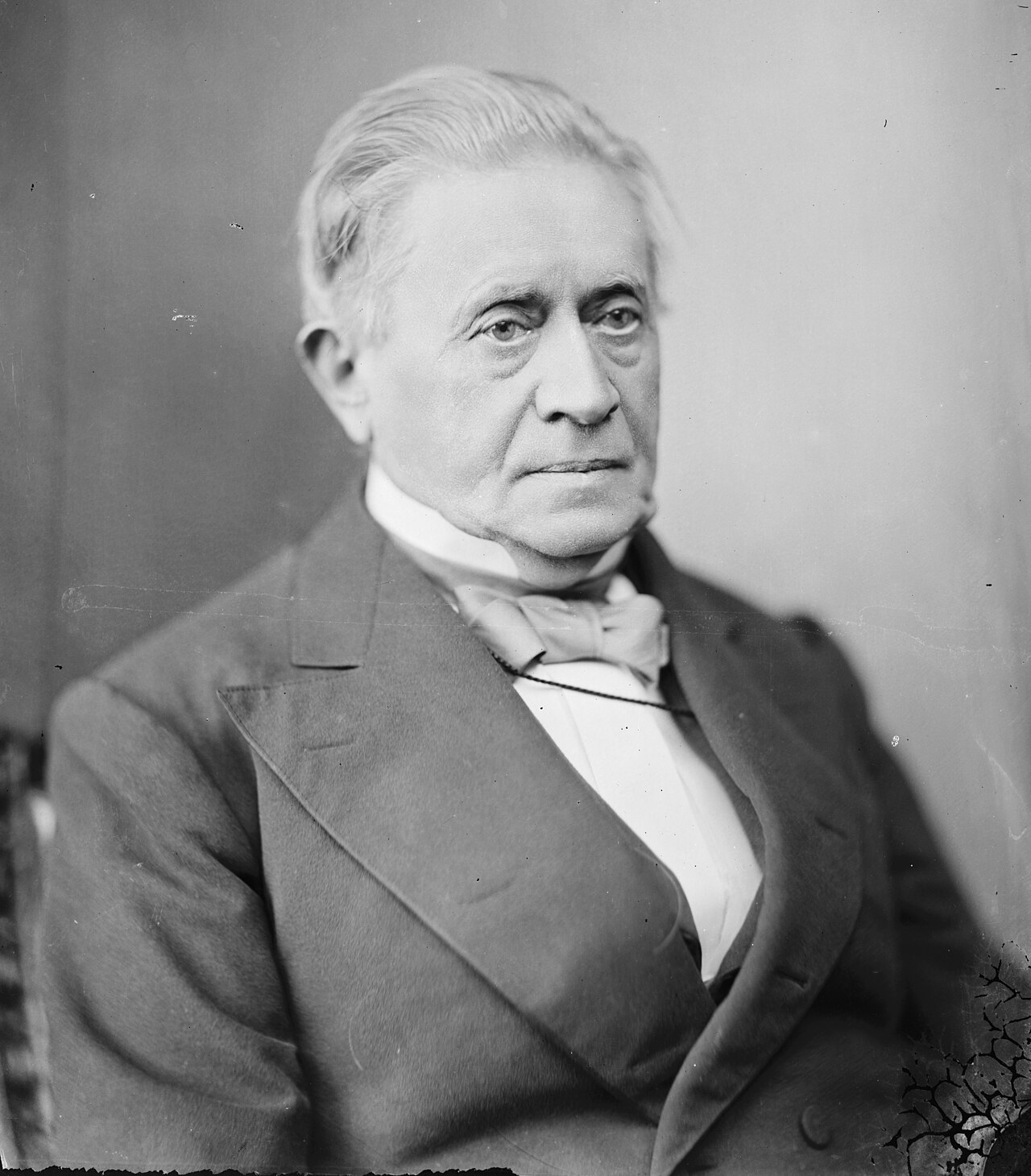
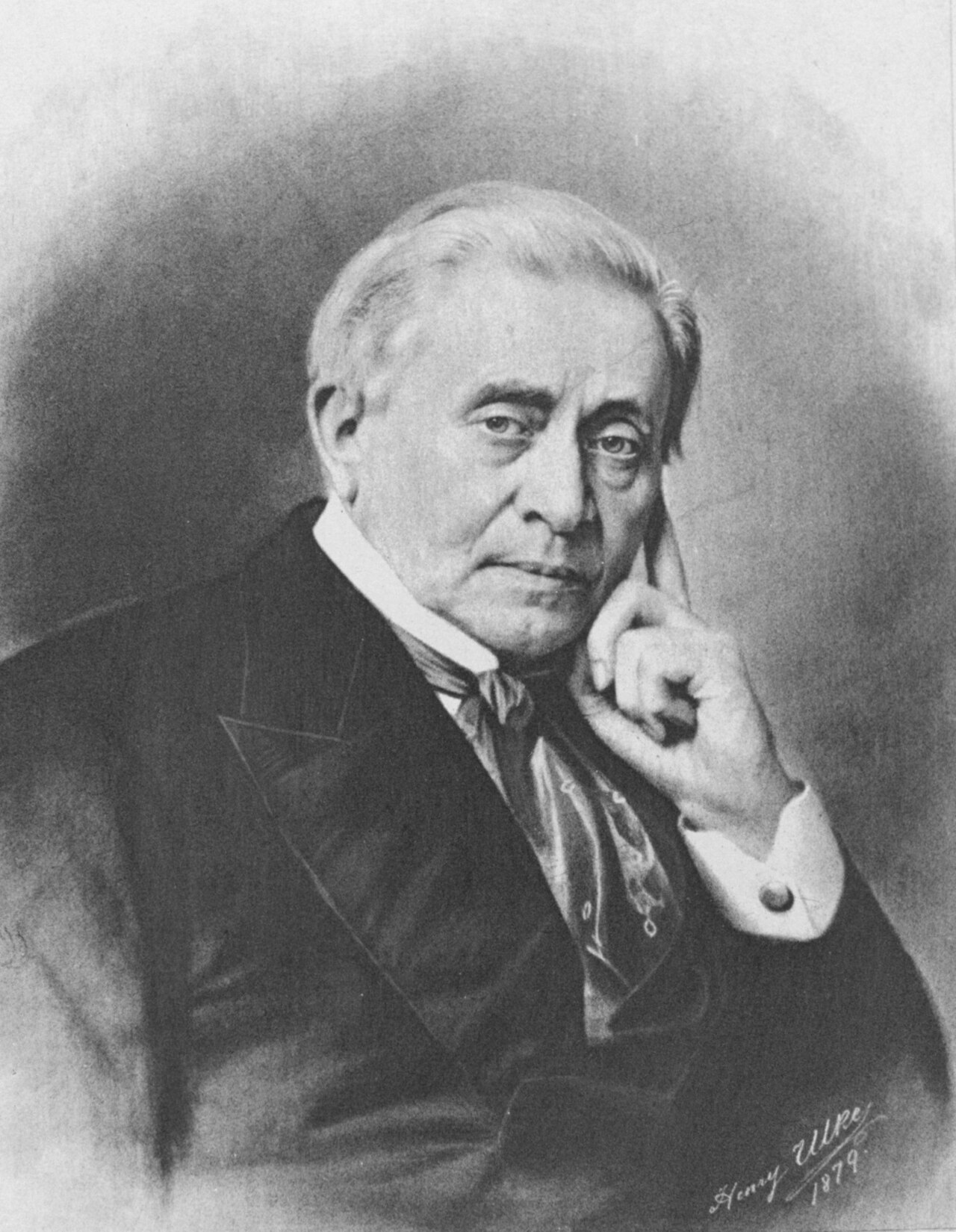
Joseph Henry - Brady-Handy
Mathew Brady or Levin Handy
 Artifact
Primary source
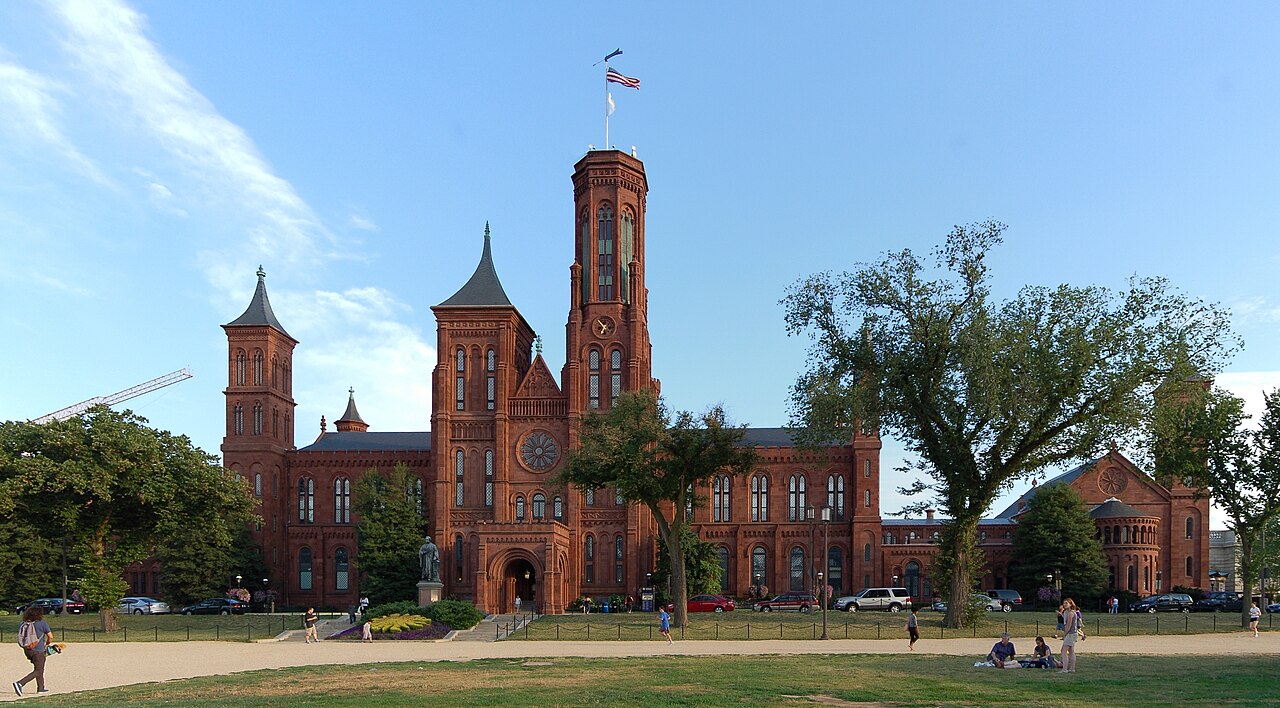
Smithsonian Institution Building
James Renwick Jr. · 1849
Free account
Read every Joseph Henry source
Sign up free →
Ready when you are
Start chatting with Joseph Henry now.
20 messages free · No credit card · Available in 50+ languages.