


Primary sourceSculpturec. 2270 BCE
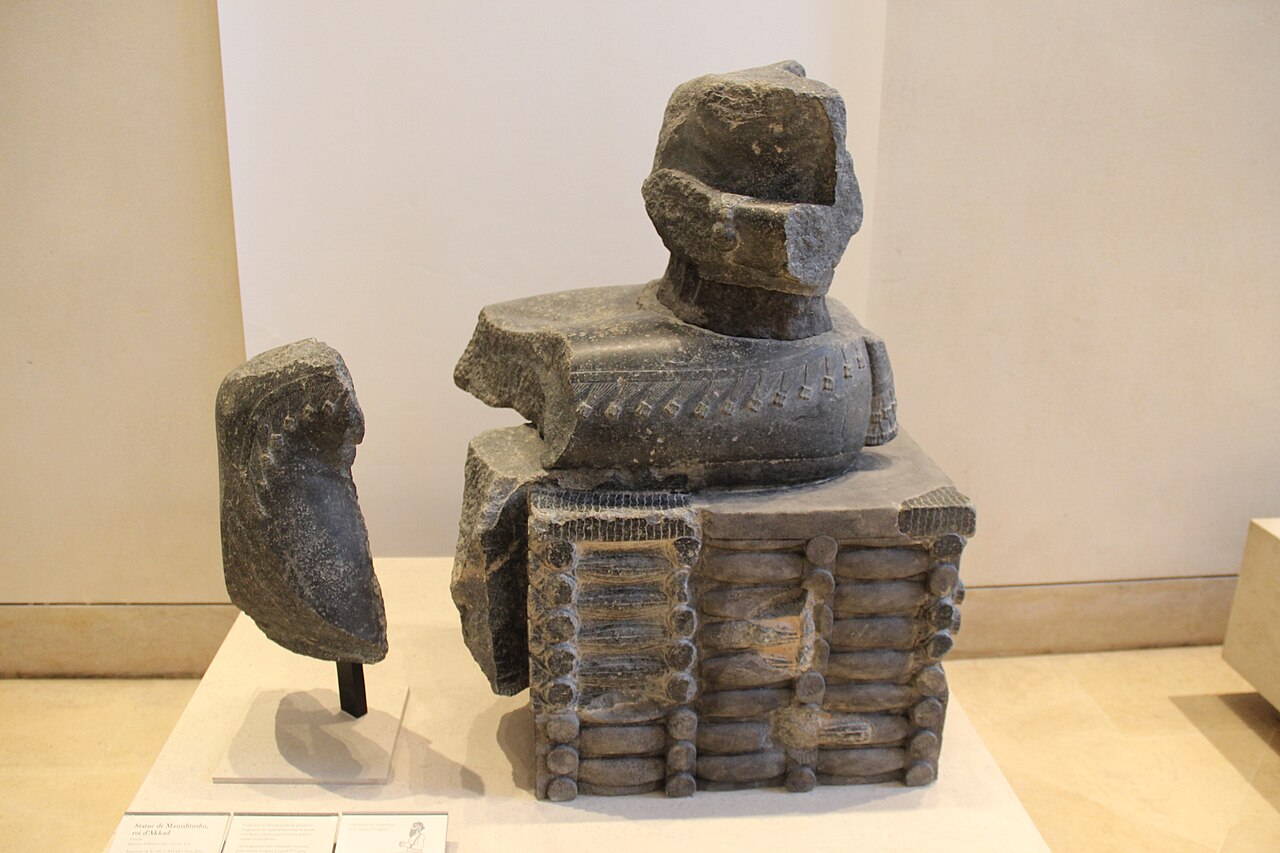
Statue of Manishtushu
Akkadian royal workshop · c. 2270 BCE
A diorite statue of Manishtushu, Sargon's son, showing the official royal image of the Akkadian dynasty shortly after Sargon's reign.
This statue of Sargon's son shows the royal image of the dynasty Sargon founded, within a generation of his reign.
About this source
What it is
This seated statue, carved by an Akkadian royal workshop around 2270 BCE, depicts Manishtushu, son of Sargon of Akkad. The head is damaged and displayed separately from the body. It is now held in the Louvre's Ancient Near East gallery.
Why it matters
Manishtushu ruled soon after Sargon founded the Akkadian Empire, and statues like this show how the new dynasty projected royal authority through art. Like other Akkadian royal monuments, it was eventually carried away as war booty to Susa, showing how these symbols of power were later seized by rival rulers.
Look closer
- What does the pose and material of the statue suggest about the king's status?
- Why might the head have become separated from the body over time?
- What does the statue's later removal to another city tell us about ancient warfare and plunder?
This sculpture is part of the curated material that grounds the AI version of Sargon of Akkad on Humy.ai — when students ask about related events, the AI can quote it and cite it.
More Sargon of Akkad sources
Browse all 41 →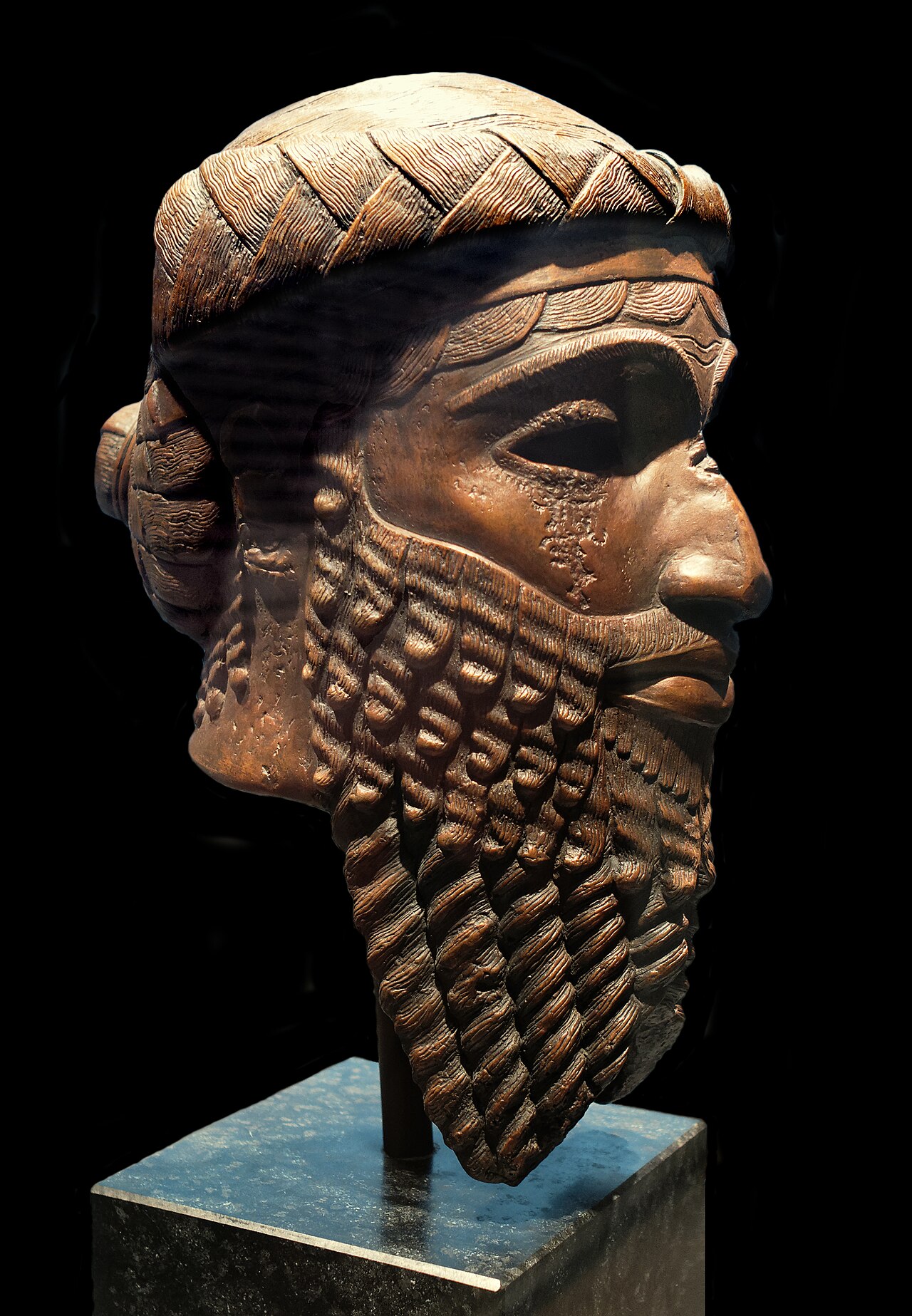 Sculpture
Primary source
Head of an Akkadian Ruler
c. 2300 BCE
 Sculpture
Primary source
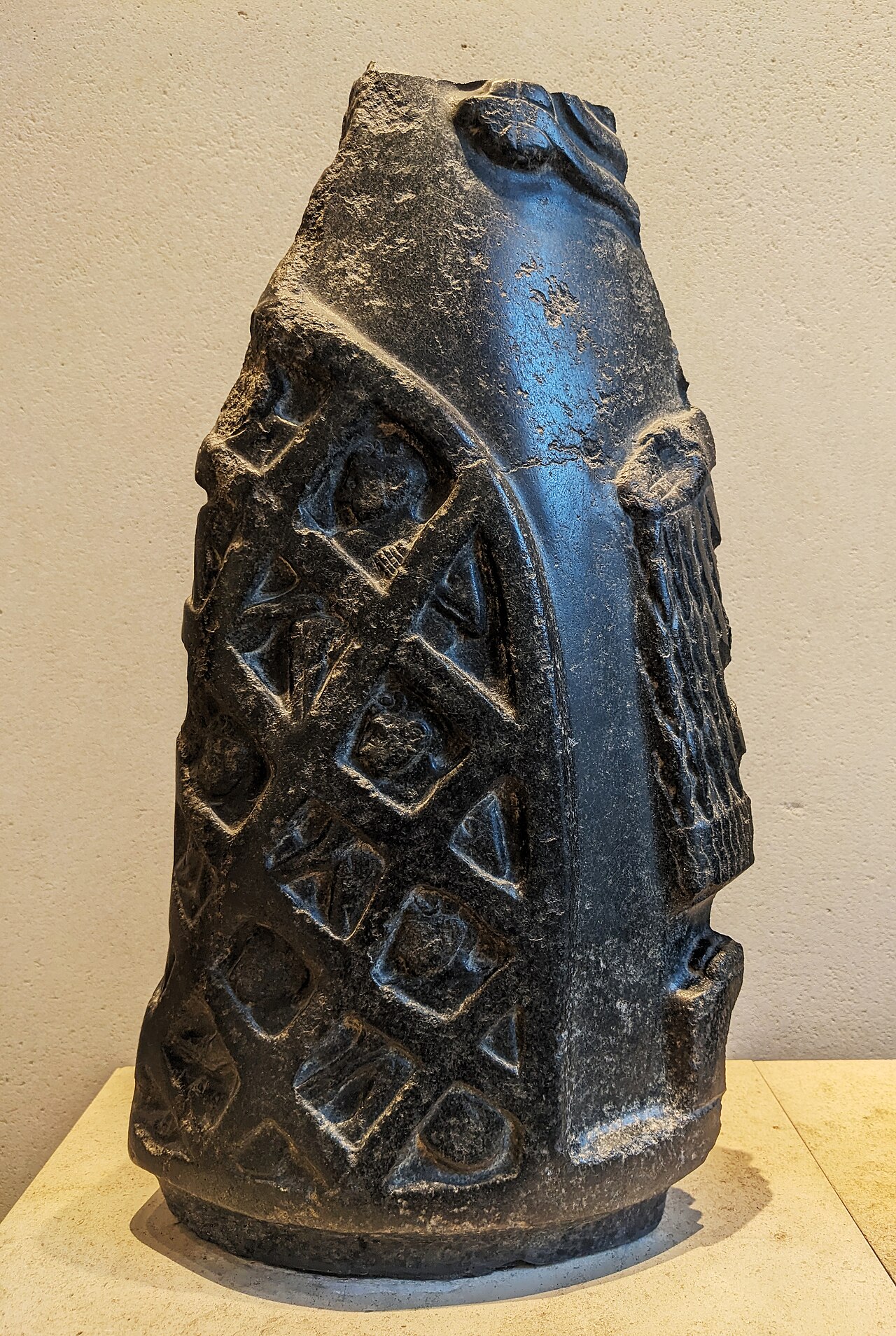
Victory Stele of Sargon
Akkadian royal workshop · c. 2300 BCE
 Document
Secondary source
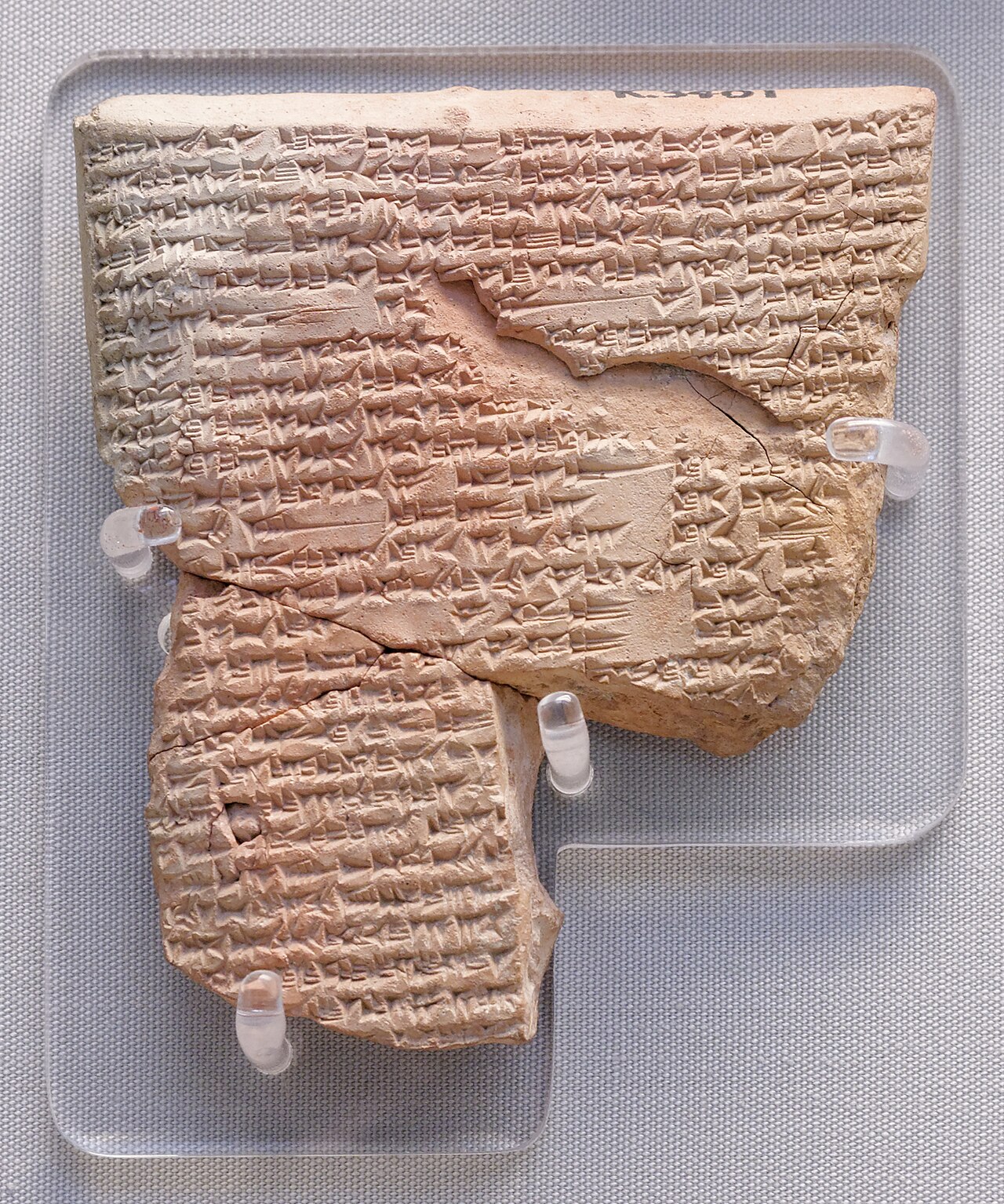
Birth of Sargon (Sargon Birth Legend Tablet)
Neo-Assyrian period
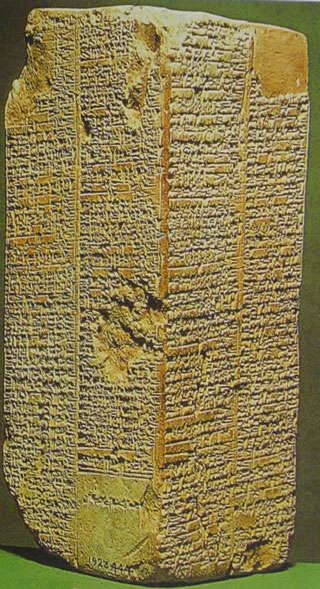 Document
Secondary source
Weld-Blundell Prism
c. 1820 BCE
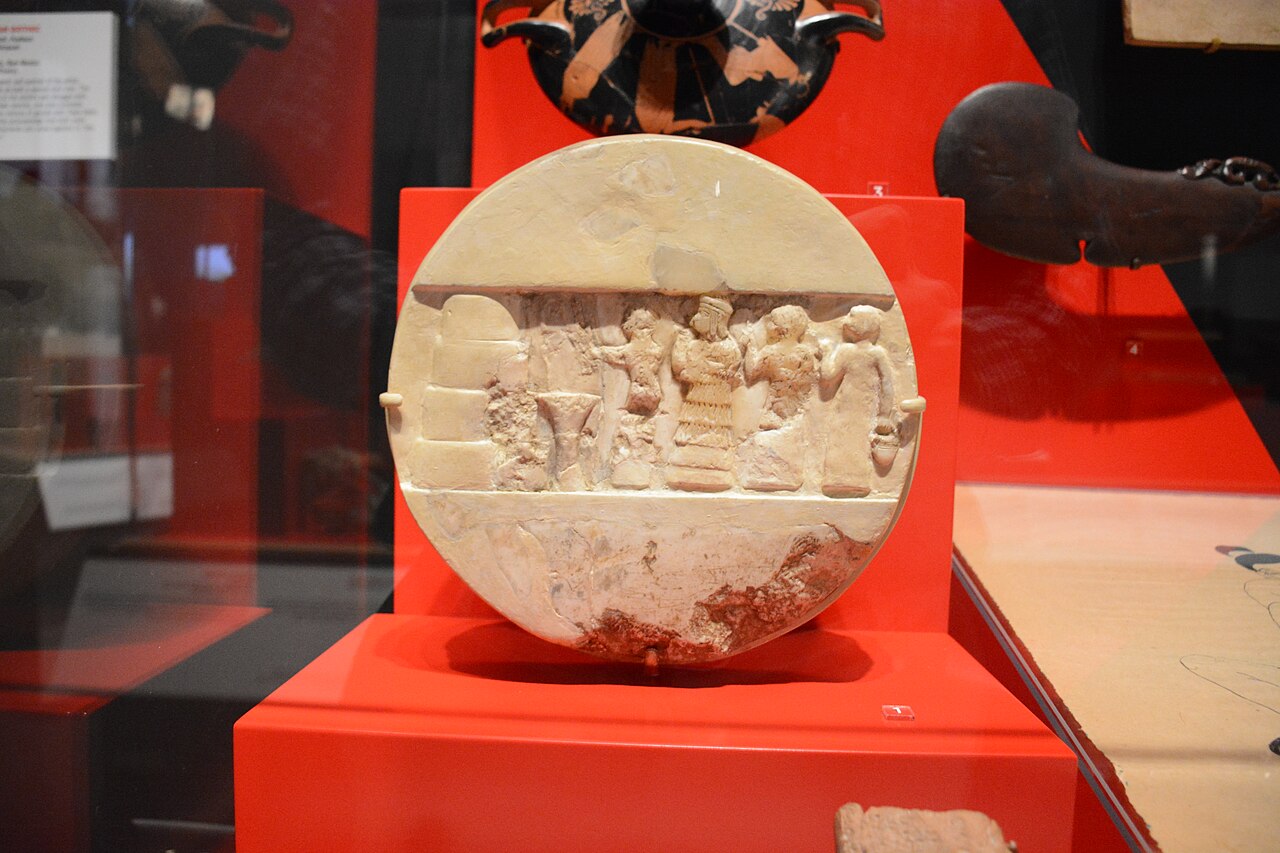
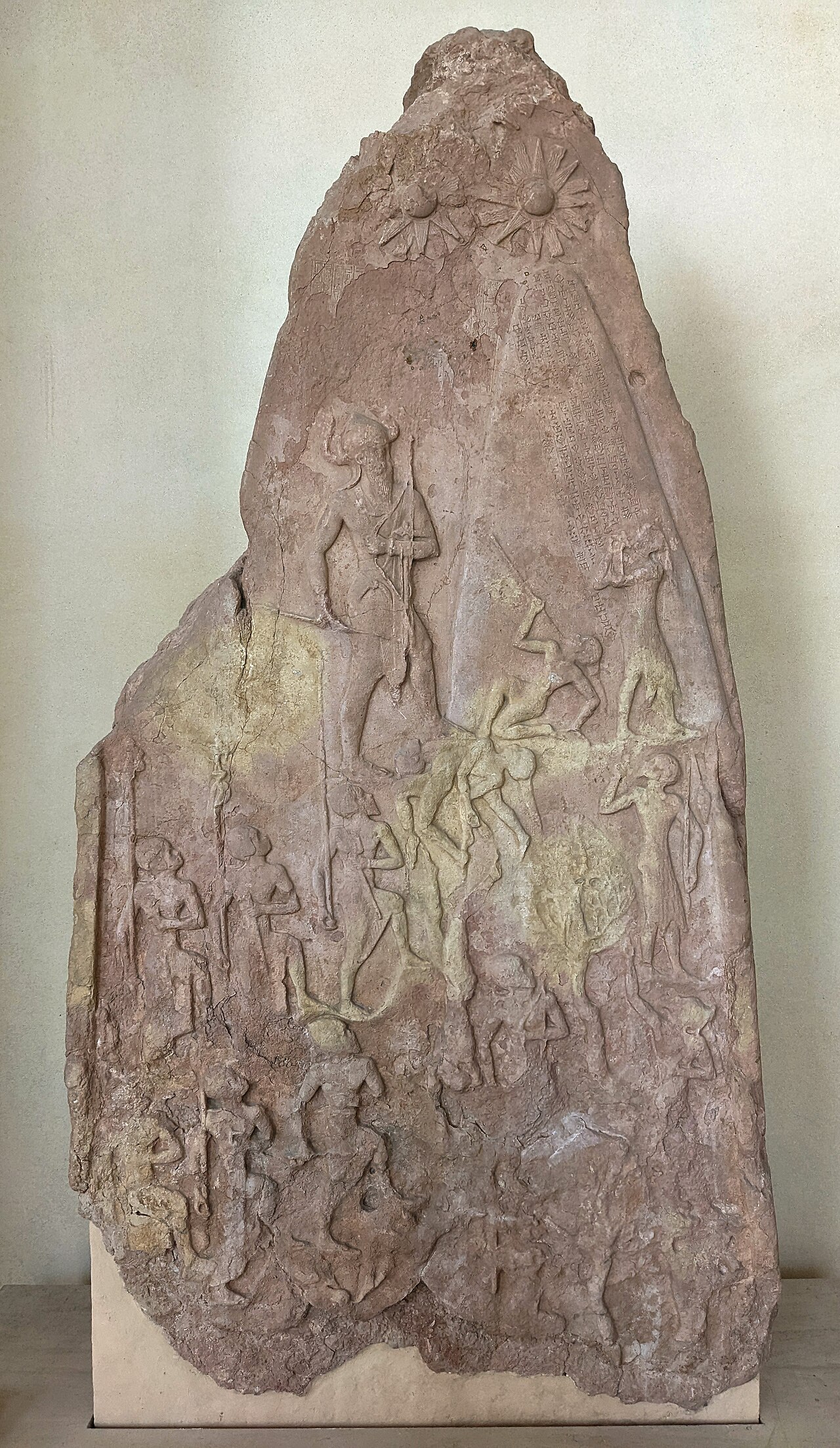
Free account
Read every Sargon of Akkad source
Sign up free →
Ready when you are
Start chatting with Sargon of Akkad now.
20 messages free · No credit card · Available in 50+ languages.