


Secondary sourceSculpture20 March 1997 (photograph)
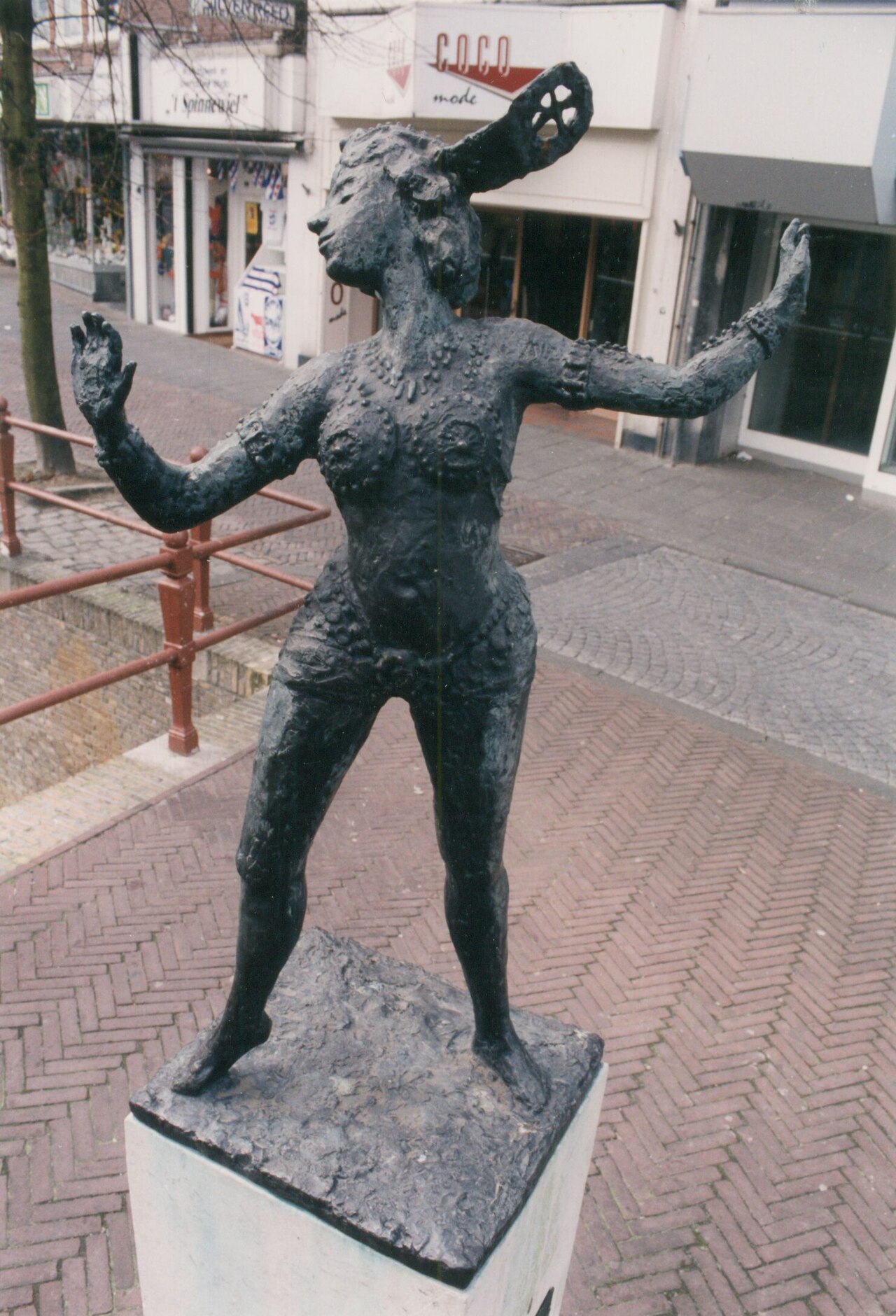
Statue of Mata Hari in Leeuwarden (1997 photograph)
Suus Boschma-Berkhout · 20 March 1997 (photograph)
A photograph of the bronze statue of Mata Hari in Leeuwarden, her birthplace, made by sculptor Suus Boschma-Berkhout.
A memorial statue of Mata Hari in her birthplace, Leeuwarden, created decades after her death.
About this source
What it is
This photograph, dated 1997, shows a bronze statue of a dancing female figure with arms outstretched and head tilted back, wearing a beaded costume. The statue, created by sculptor Suus Boschma-Berkhout, stands on a pedestal in Leeuwarden, the Dutch city where Mata Hari was born.
Why it matters
Statues like this are later memorials, not primary evidence from Mata Hari's own time. They show how a community chose to remember and commemorate a famous former resident, turning her into a local legend connected to dance and mystery.
Look closer
- Why might the sculptor have chosen a dancing pose rather than a different kind of portrait?
- What does placing a statue in a public street say about how a town wants to remember someone?
- What parts of Mata Hari's real life might a statue like this leave out?
This sculpture is part of the curated material that grounds the AI version of Mata Hari on Humy.ai — when students ask about related events, the AI can quote it and cite it.
More Mata Hari sources
Browse all 70 →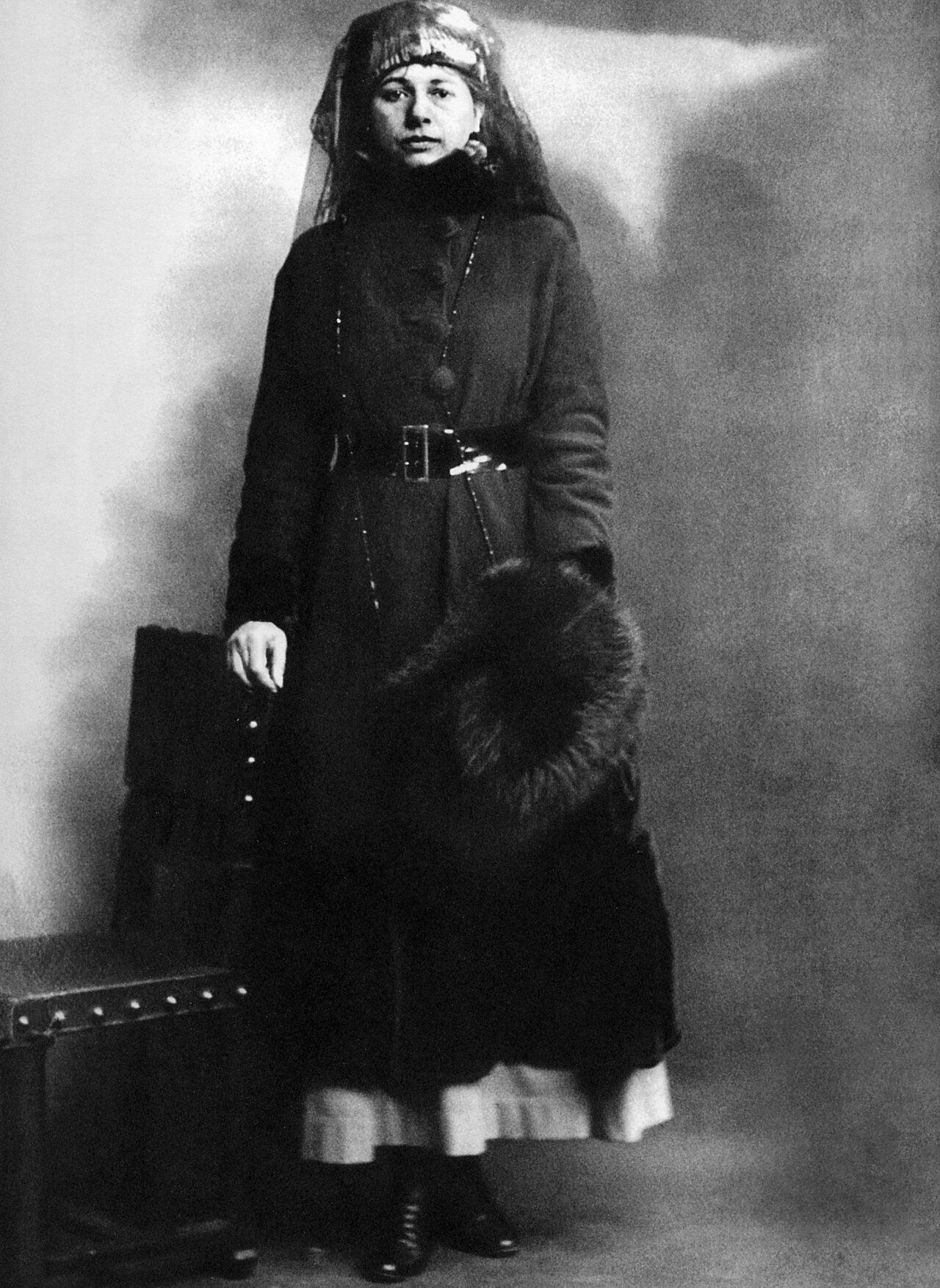 Photograph
Primary source
Mata Hari on the Day of Her Arrest
13 February 1917
Primary source
Death Comes to Mata Hari
Henry G. Wales · 1917
 Photograph
Primary source
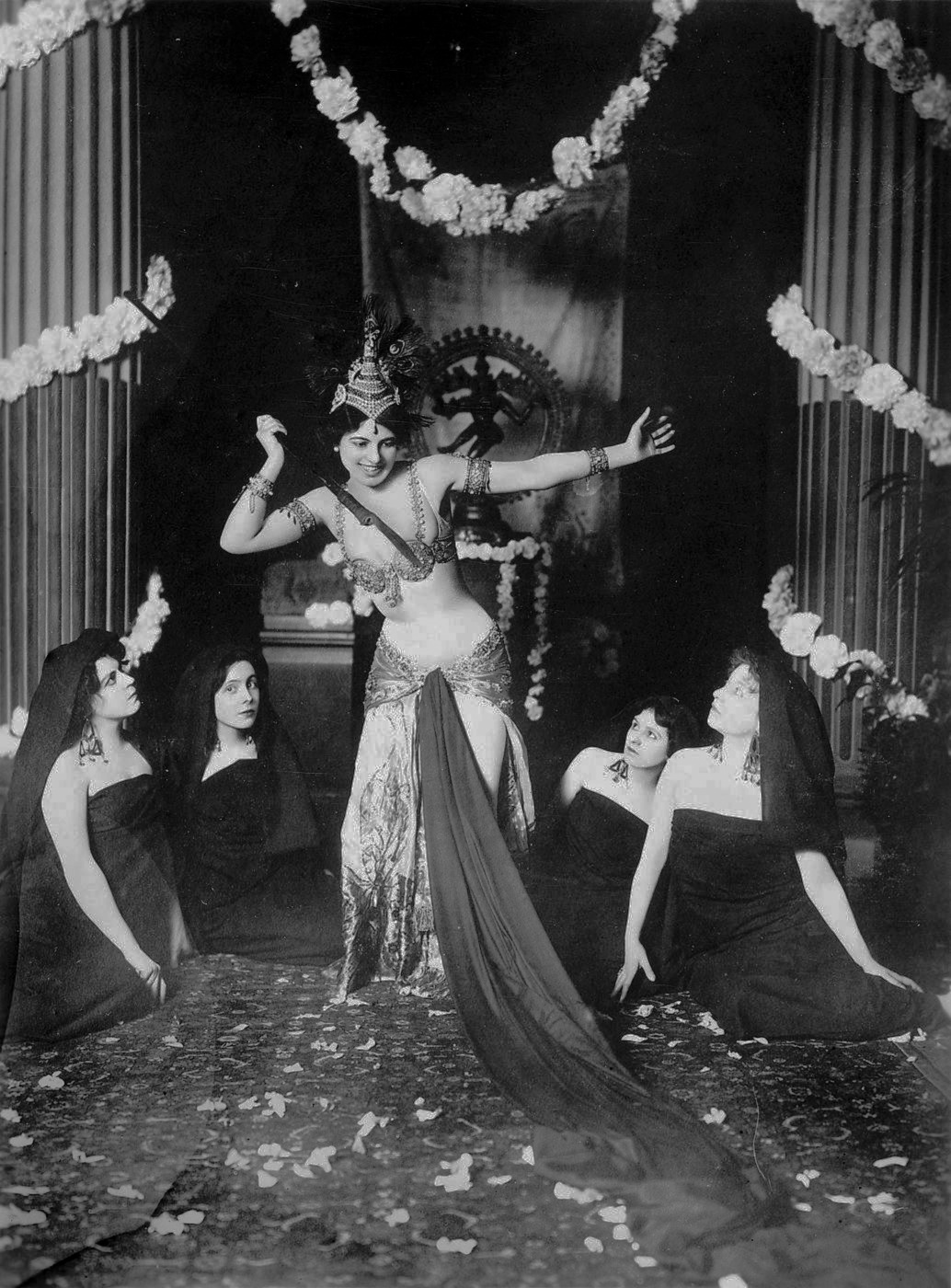
Mata Hari Dancing in the Musée Guimet
13 March 1905
 Photograph
Primary source
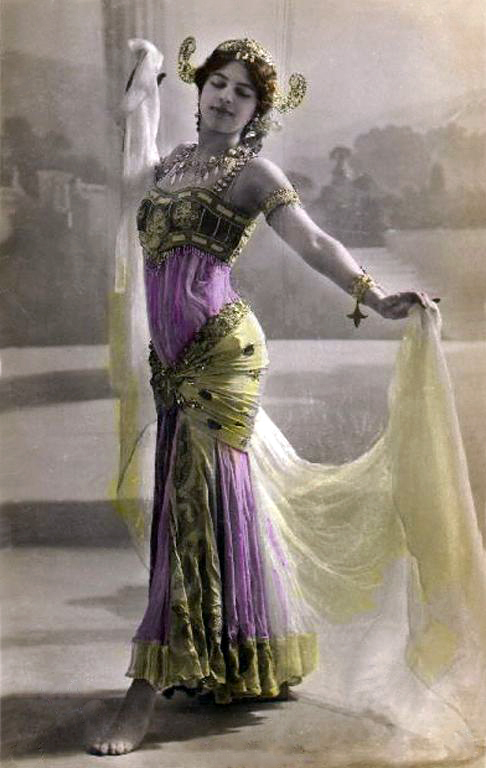
Postcard of Mata Hari in Paris
Lucien Walery
Free account
Read every Mata Hari source
Sign up free →
Ready when you are
Start chatting with Mata Hari now.
20 messages free · No credit card · Available in 50+ languages.