


Secondary sourceSculpture
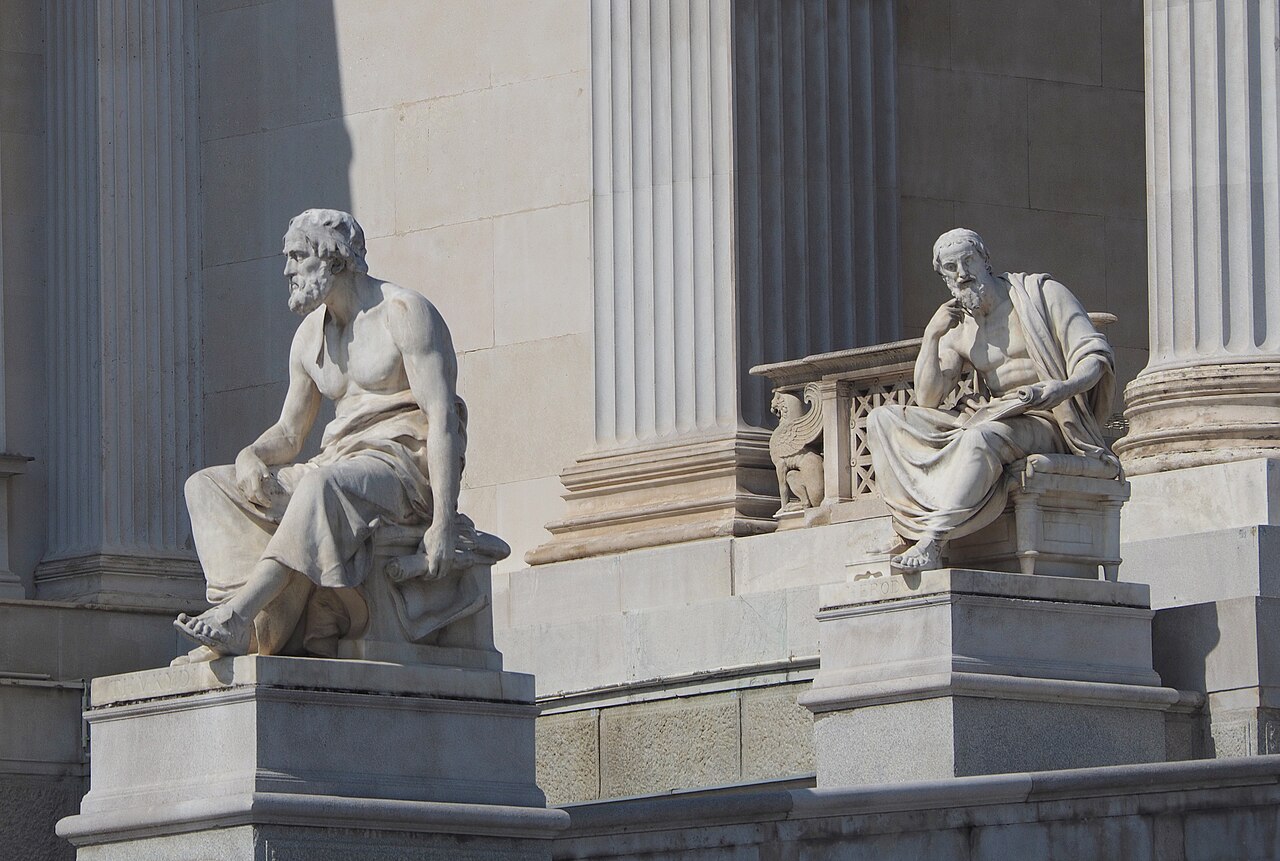
Statues of Thucydides and Herodotus, Austrian Parliament, Vienna
Two marble statues of the Greek historians Thucydides and Herodotus sit in front of the Austrian Parliament building in Vienna.
A modern memorial showing how Thucydides is honored alongside Herodotus, not a work from his lifetime.
About this source
What it is
This modern photo, taken in 2017, shows two marble statues of seated ancient Greek men outside the Austrian Parliament building in Vienna. Both are bearded. One shows a man with a bare chest and a draped cloak, looking to the side. The other wears a cloak and rests his chin on his hand. A carved griffin-like ornament sits between them, and both stand on pedestals before a classical stone building with fluted columns. The photo shows a memorial, not a historical source from the time of the historians.
Why it matters
Placing the two historians together outside a parliament links the study of history with public political life. Herodotus and Thucydides are often seen as the founders of Western historical writing, and a modern government chose to honor them in its public space. The statues show how later societies adopted ancient Greece as a model for their own institutions.
Look closer
- Why might a parliament choose to honor two Greek historians rather than political leaders?
- What do the poses and the classical building suggest about the message the statues are meant to send?
- What does a statue like this leave out about how the two historians actually worked?
This sculpture is part of the curated material that grounds the AI version of Thucydides on Humy.ai — when students ask about related events, the AI can quote it and cite it.
More Thucydides sources
Browse all 71 →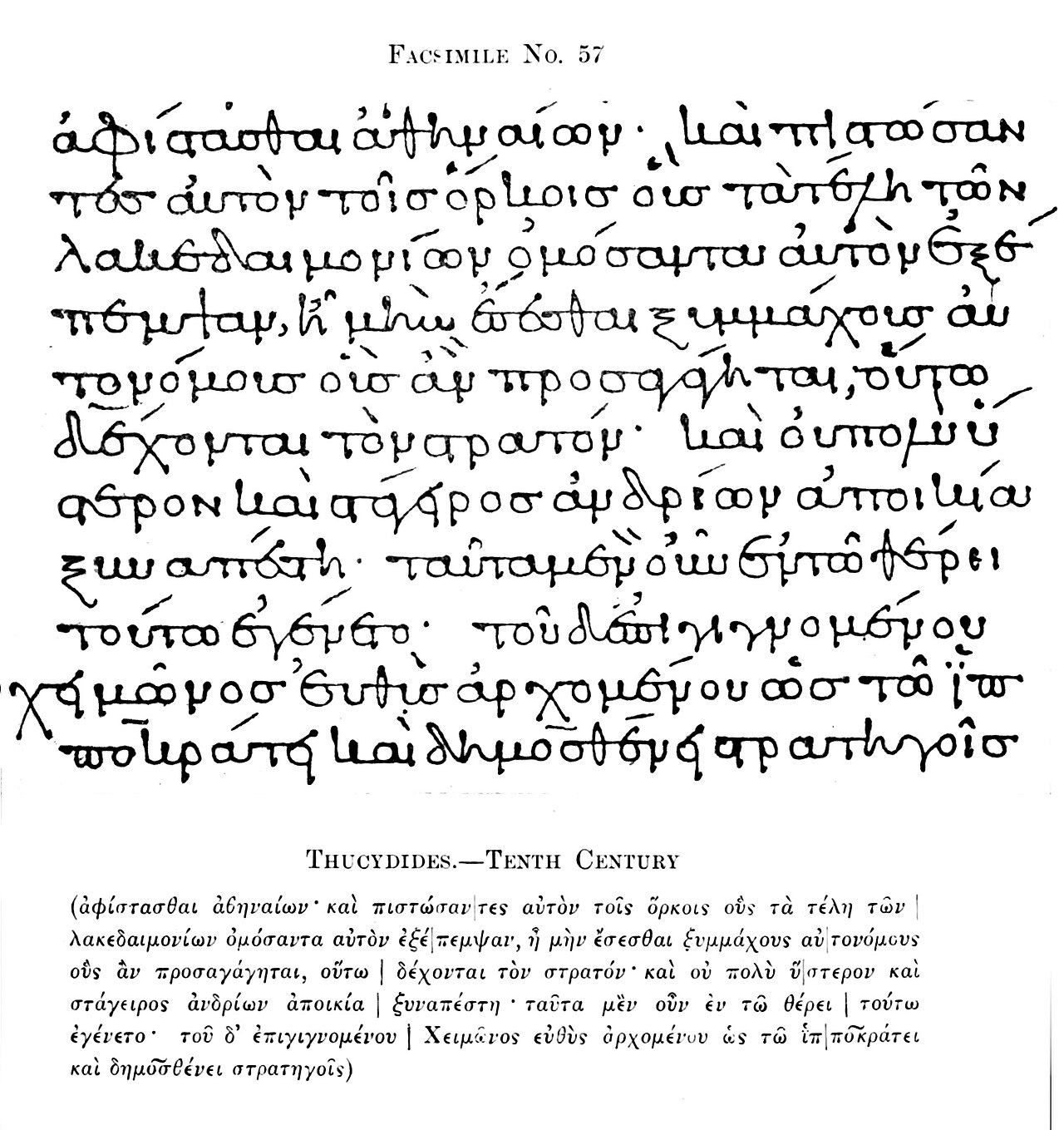 Book
Primary source
History of the Peloponnesian War
Thucydides · 5th century BCE
 Speech
Secondary source
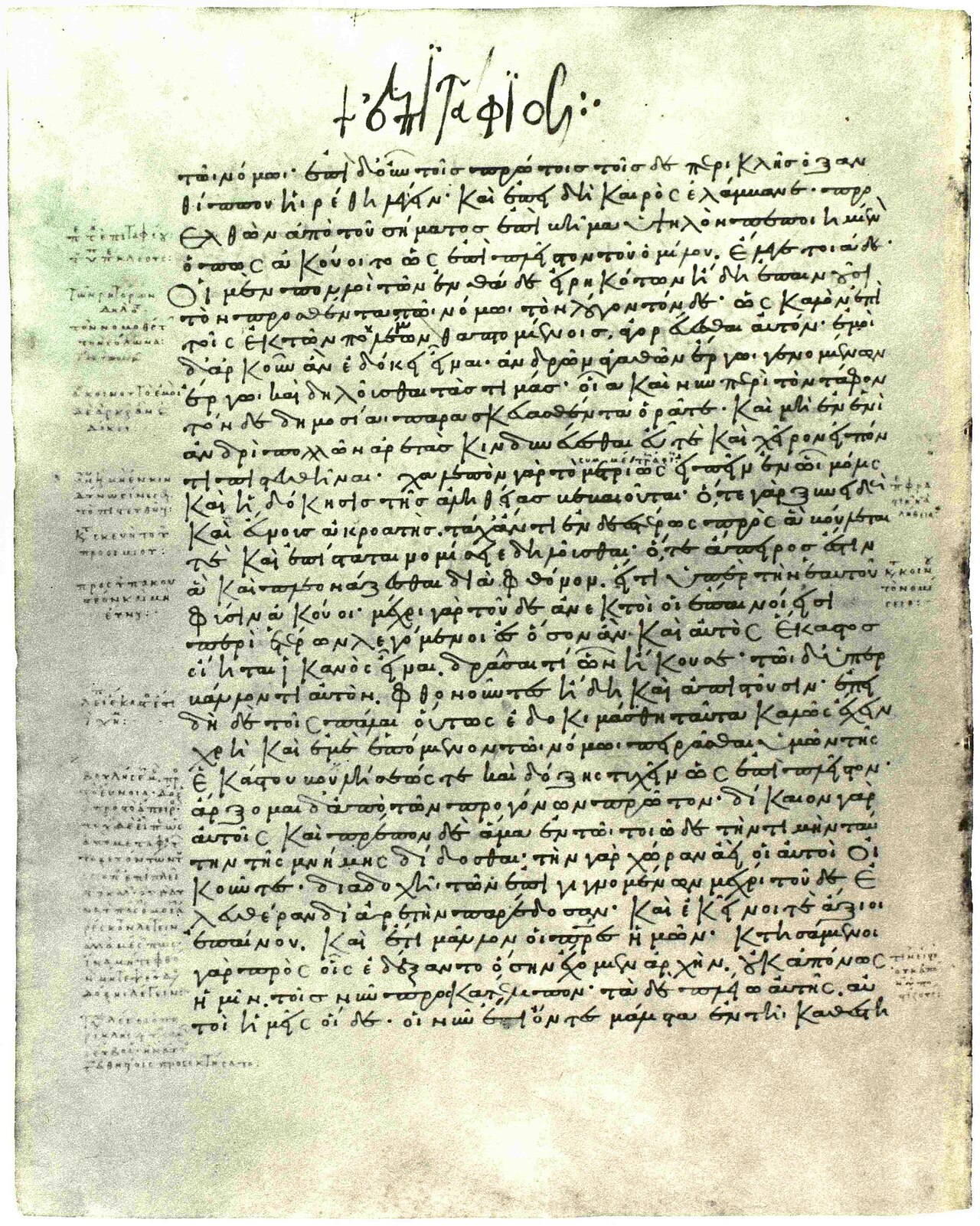
Pericles' Funeral Oration
Thucydides · 431/430 BCE
 Document
Secondary source
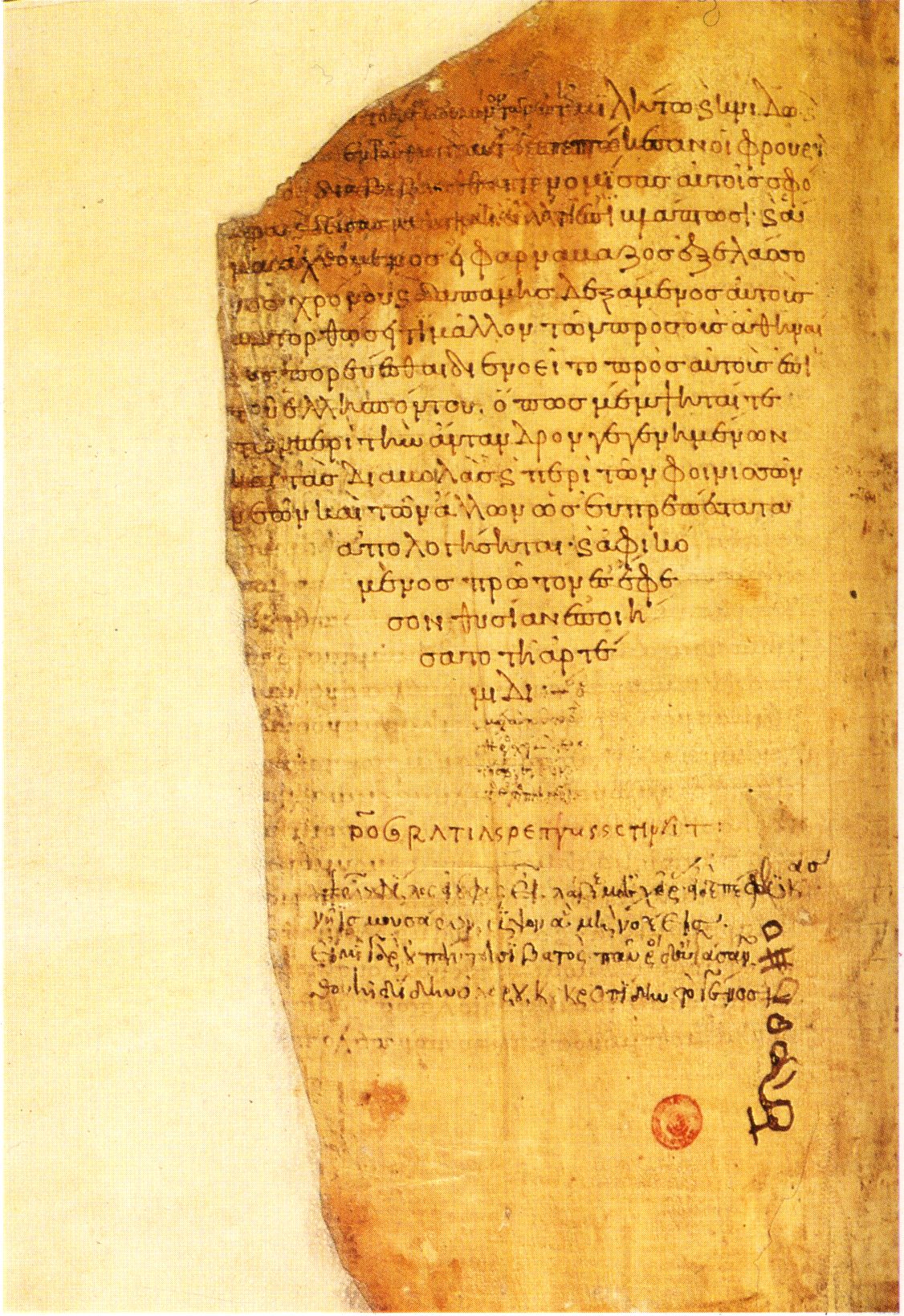
Thucydides, Florence, Plut. 69.2
10th century AD
 Sculpture
Secondary source
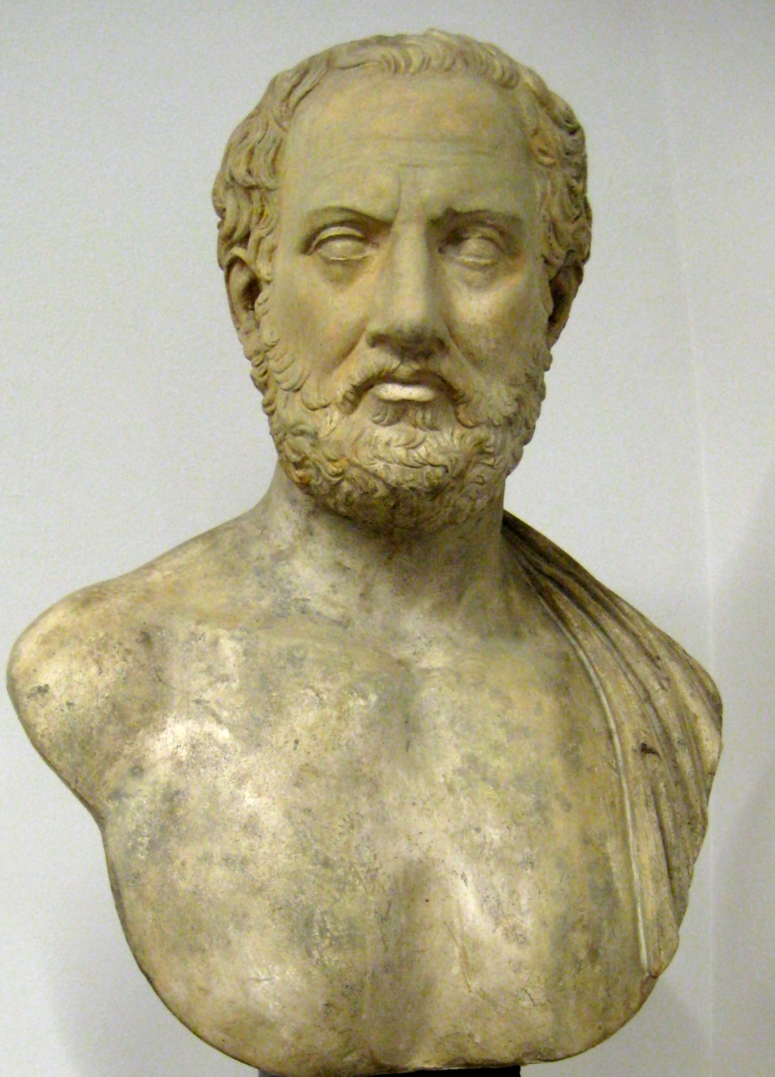
Portrait of Thucydides
Unknown Roman sculptor (after a Greek original) · Roman copy c. 100 CE of a Greek original of the early 4th century BCE; this cast early 20th century
Free account
Read every Thucydides source
Sign up free →
Ready when you are
Start chatting with Thucydides now.
20 messages free · No credit card · Available in 50+ languages.