


Secondary sourcePhotograph4 April 2014
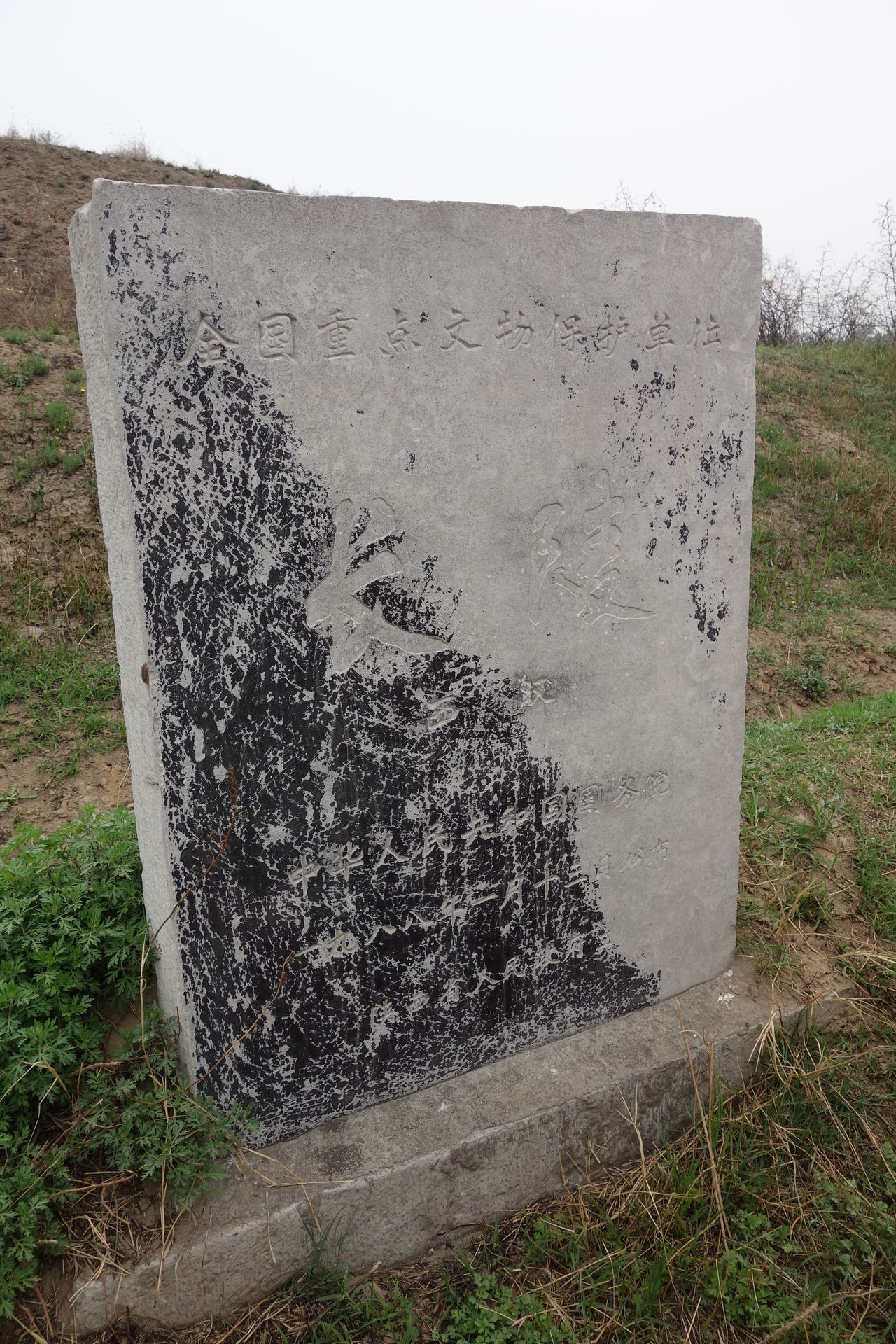
Stele at the Han Changling Tomb
Sohan Dsouza · 4 April 2014
A photograph of a weathered stone stele at Changling, the burial mound traditionally identified as Liu Bang's (Emperor Gaozu's) tomb.
Marks the traditional burial site of Liu Bang, later known as Emperor Gaozu, founder of the Han dynasty.
About this source
What it is
This photograph, taken in 2014, shows a grey stone stele standing on a grassy mound at Changling, the site traditionally identified as the tomb of Liu Bang, who became known as Emperor Gaozu. The stele is a later marker, not an object from his own time.
Why it matters
Changling is one of the main physical places connected to Gaozu's memory. Markers like this stele show how later generations have continued to identify and commemorate the burial site of the dynasty's founder across centuries.
Look closer
- What does the condition of the stone tell you about how long it has stood here?
- Why might later generations want to mark a tomb with carved characters?
- What does this photograph not tell you about the tomb's original appearance or contents?
This photograph is part of the curated material that grounds the AI version of Liu Bang (Gaozu of Han) on Humy.ai — when students ask about related events, the AI can quote it and cite it.
More Liu Bang (Gaozu of Han) sources
Meet the AI Liu Bang (Gaozu of Han) →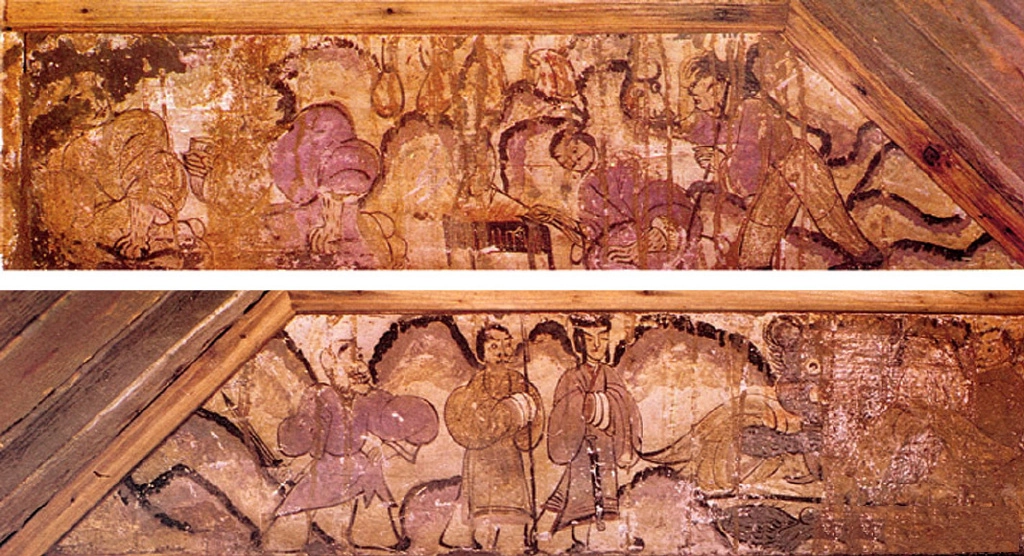 Painting
Secondary source
Feast at Hong Gate
Sima Qian (text); unknown painter (mural) · 206 BCE (event); mural Western Han period
 Book
Secondary source
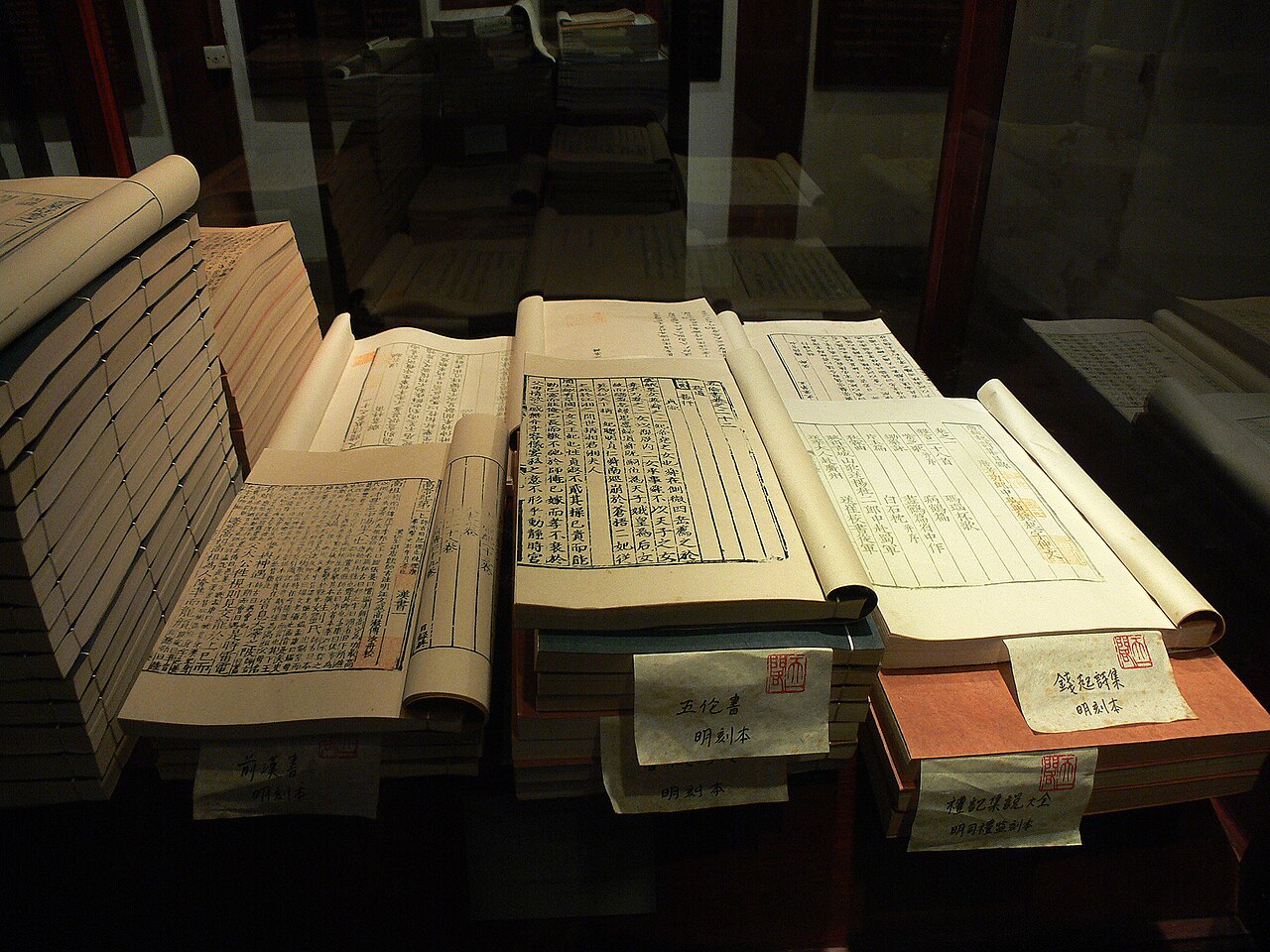
Book of Han
Ban Gu (with Ban Zhao and Ban Biao) · finished 111 CE
 Artifact
Primary source
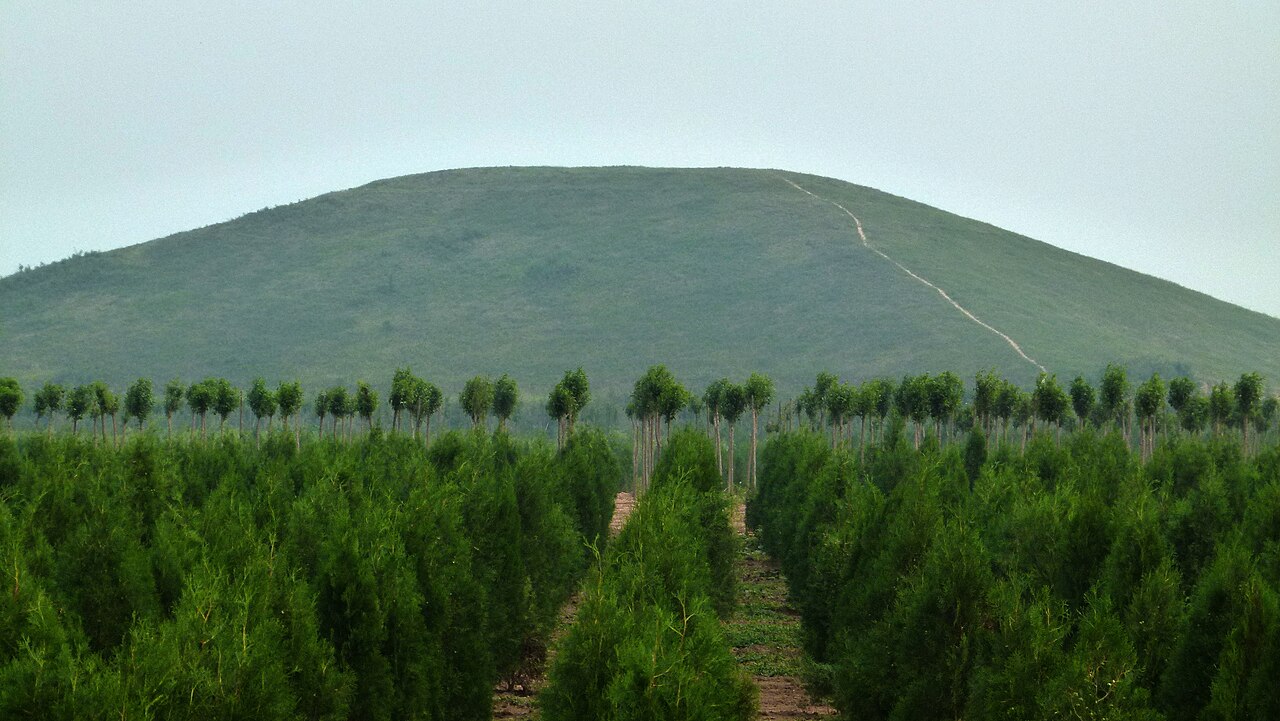
Changling Mausoleum of Emperor Gaozu
Han imperial court · c. 202–195 BC
 Document
Primary source
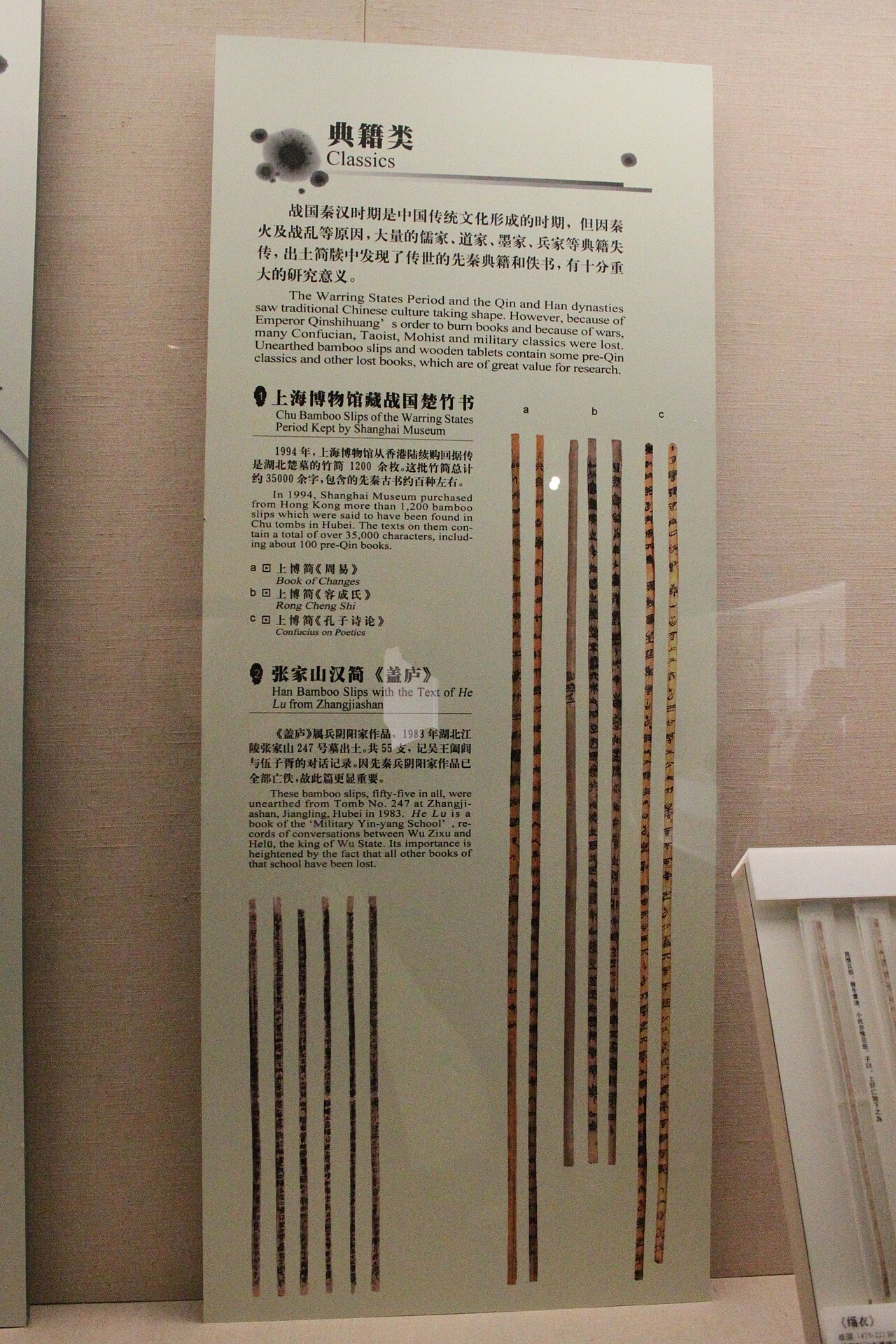
Zhangjiashan Han bamboo texts
Western Han officials · c. 202–186 BCE
 Artifact
Primary source
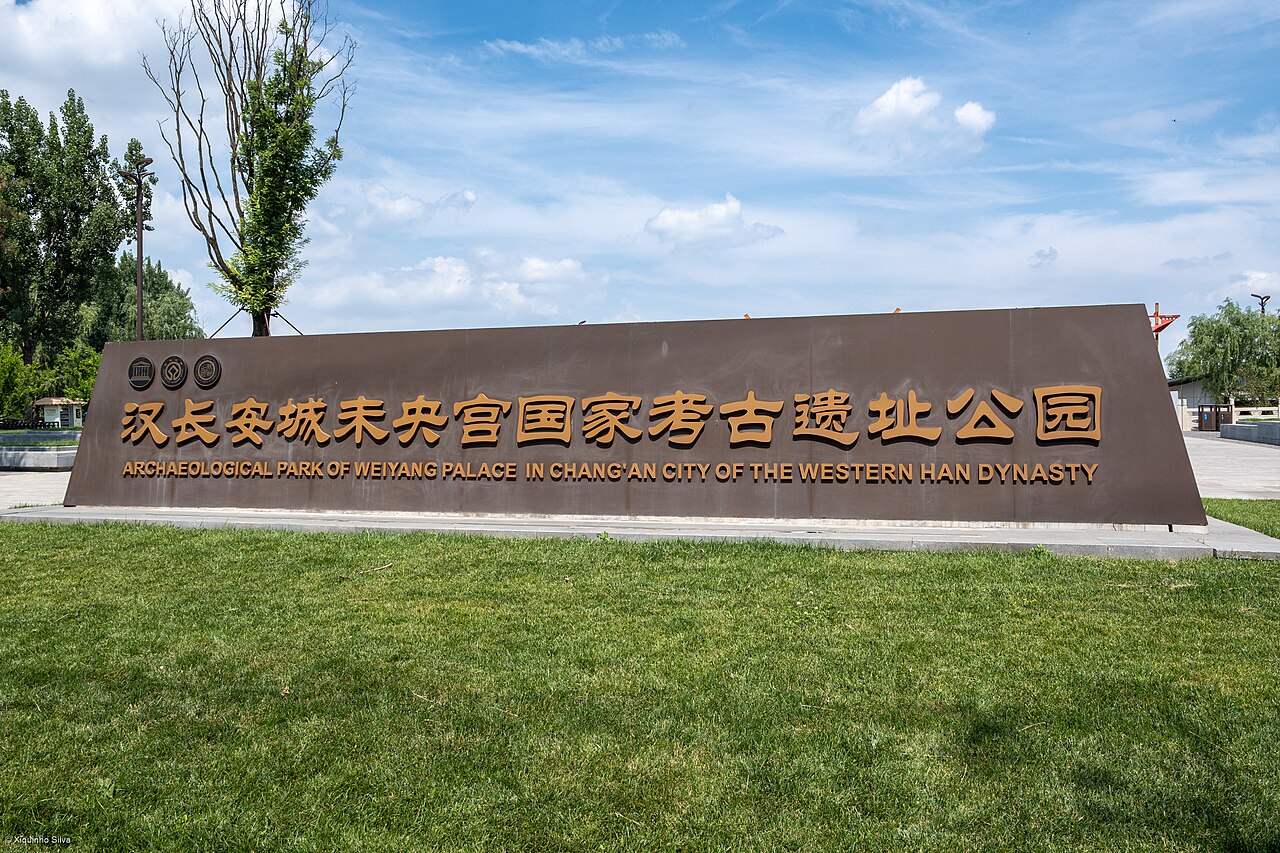
Weiyang Palace
Xiao He for Emperor Gaozu · 200 BC
Ready when you are
Start chatting with Liu Bang (Gaozu of Han) now.
20 messages free · No credit card · Available in 50+ languages.