


Primary sourcePainting1833
Stephen Austin and Dog
William Howard · 1833
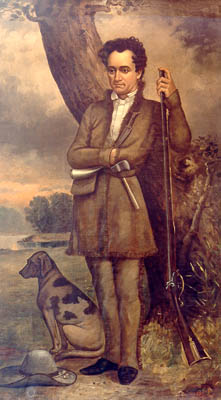
A watercolor miniature portrait of Stephen F. Austin painted from life in Mexico City in 1833, considered the most reliable image of him.
This life portrait of Austin, painted during his mission for Texas statehood, is regarded as his most reliable likeness.
About this source
What it is
This is a watercolor-on-ivory portrait of Stephen F. Austin, painted by William Howard from life in Mexico City in 1833, while Austin was on a mission seeking Texas statehood within Mexico. It shows him full-length, leaning against a tree with a folded paper in hand, a rifle nearby, and a dog at his side.
Why it matters
Because it was painted from life rather than from memory or imagination after his death, historians consider it the most reliable likeness of Austin. It captures him during one of the tense diplomatic missions he undertook on behalf of the Texas colonists, trying to negotiate Texas's political status with the Mexican government.
Look closer
- What details in the painting - his clothing, posture, and belongings - suggest how Austin wanted to be seen?
- Why might an artist include a dog, a rifle, and a landscape in a portrait like this?
- What does the setting (Mexico City, 1833) tell you about what Austin was doing when this was painted?
This painting is part of the curated material that grounds the AI version of Stephen F. Austin on Humy.ai — when students ask about related events, the AI can quote it and cite it.
More Stephen F. Austin sources
Meet the AI Stephen F. Austin →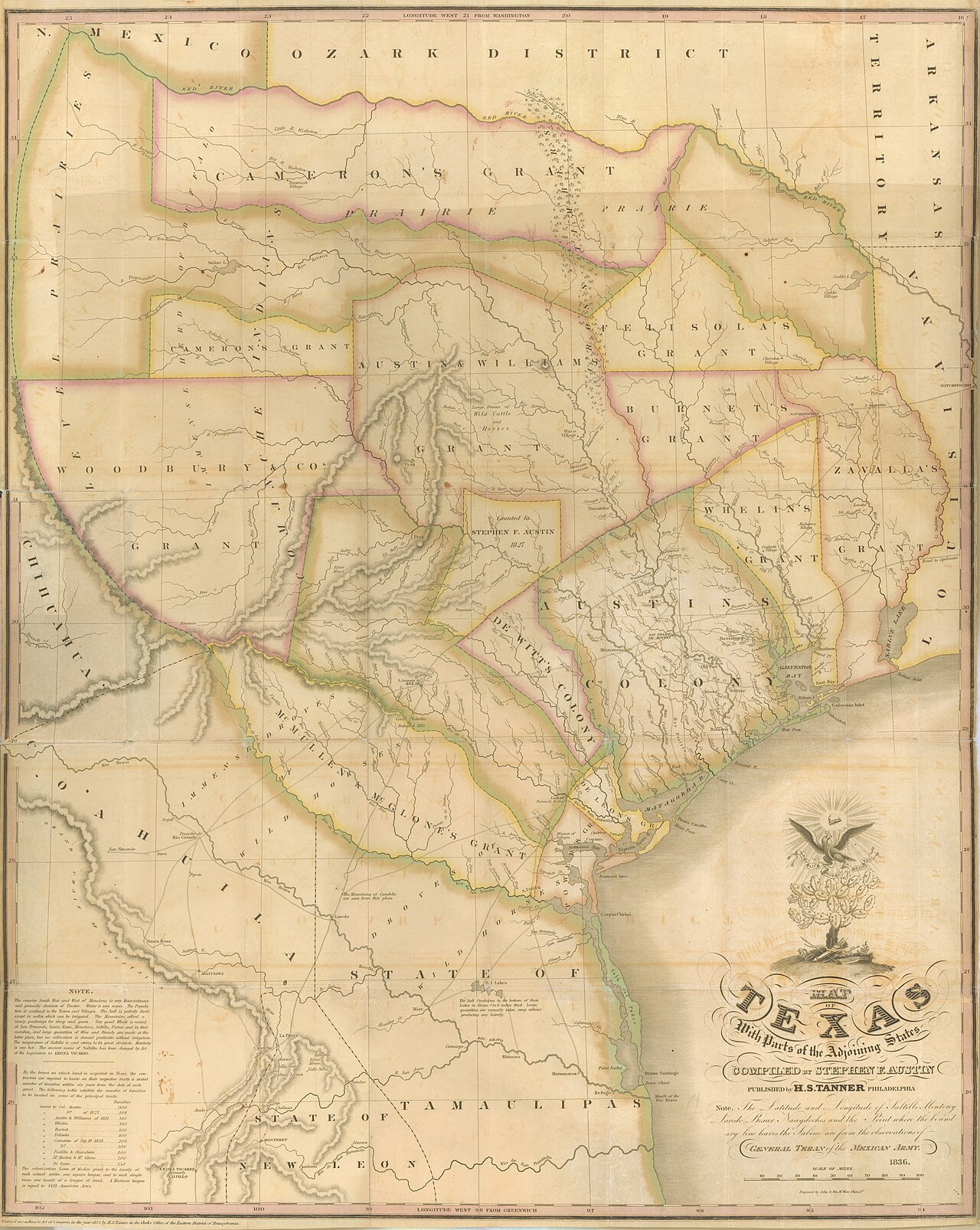 Document
Primary source
Map of Texas with Parts of the Adjoining States
Stephen F. Austin; Henry S. Tanner · 1830 (this edition 1836)
 Document
Primary source
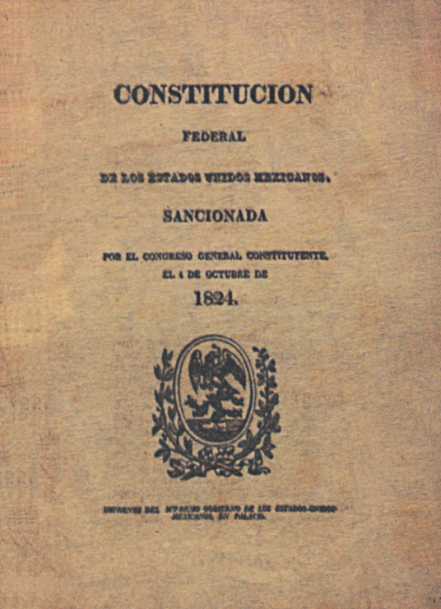
1824 Constitution of Mexico
First Constituent Congress of Mexico · 4 October 1824
Secondary source
Texas: Observations, Historical, Geographical and Descriptive
Mary Austin Holley · 1833
 Document
Secondary source
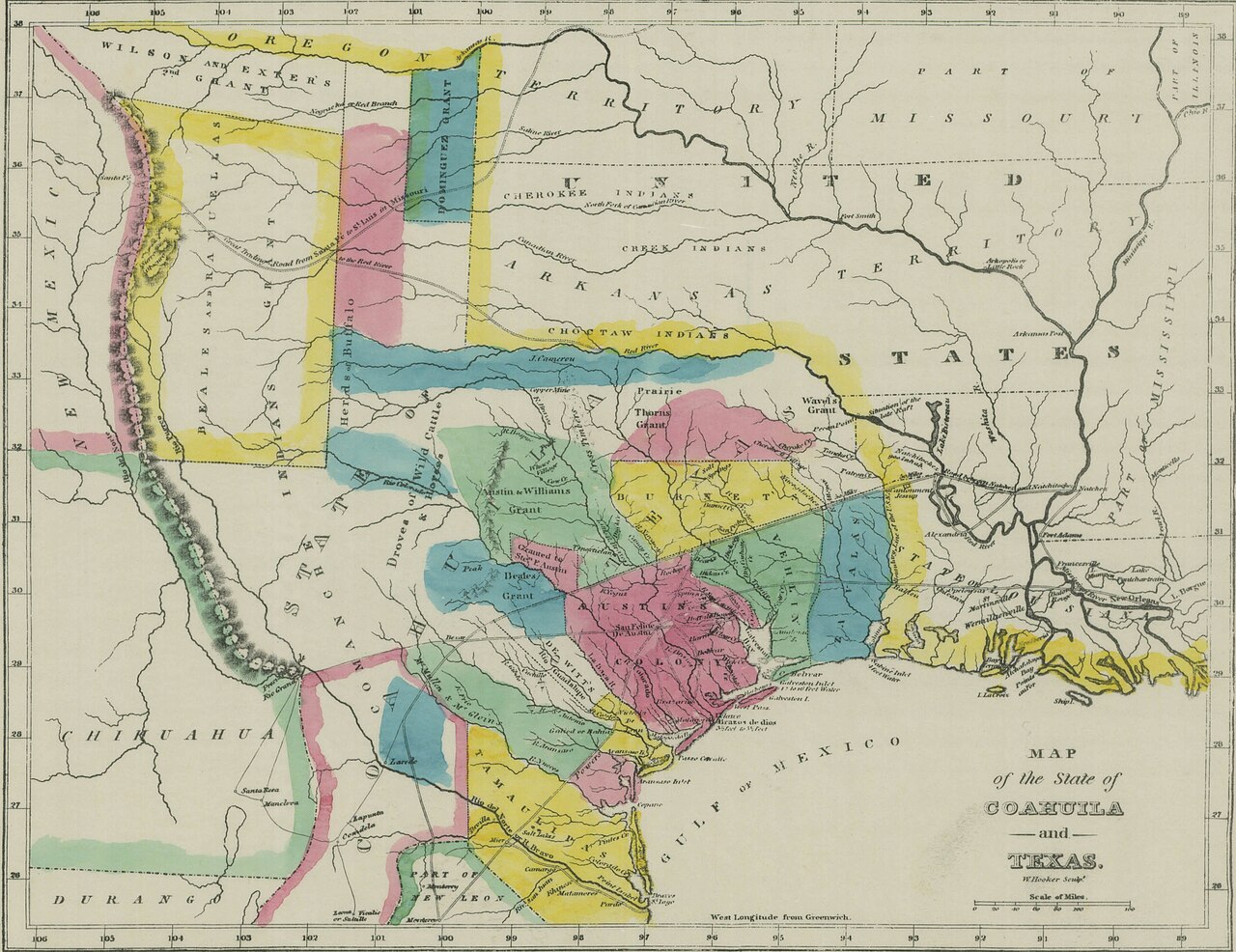
Map of Coahuila and Texas in 1833
Armstrong & Plaskitt (for Holley) · 1833
 Document
Primary source
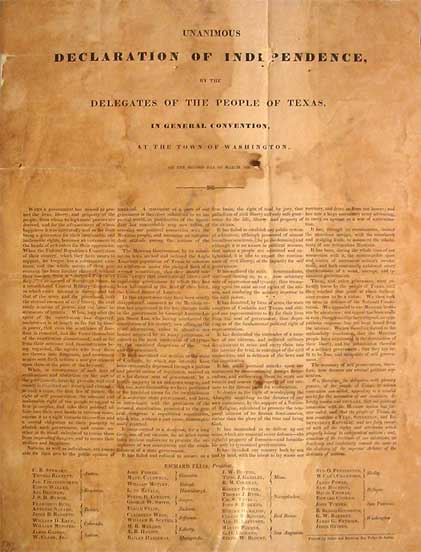
Texas Declaration of Independence
George Childress · 2 March 1836
Ready when you are
Start chatting with Stephen F. Austin now.
20 messages free · No credit card · Available in 50+ languages.