


Secondary sourceArtifact12th century, chancel 1150-1180
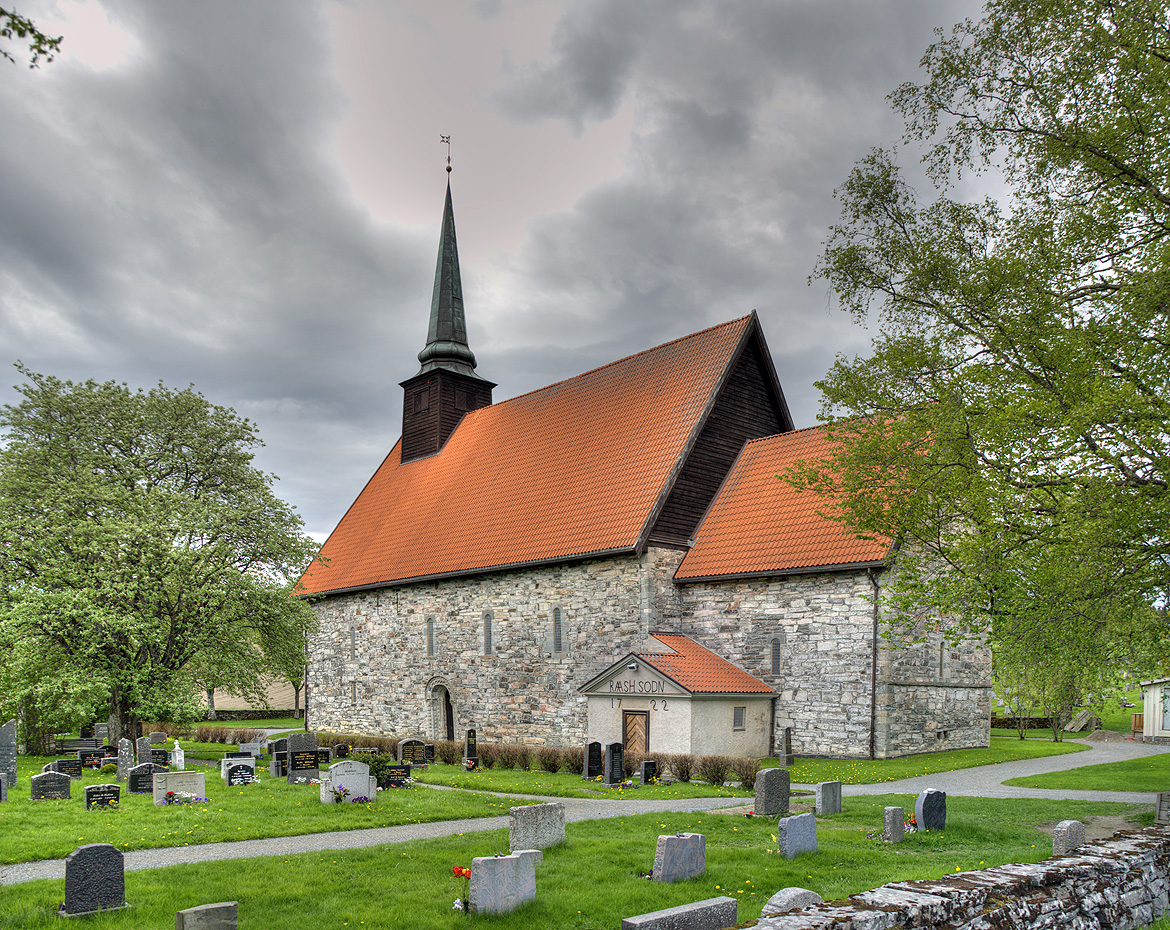
Stiklestad Church
12th century, chancel 1150-1180
A medieval stone church built on the site where Olaf fell in battle in 1030, marking the place of his death and sainthood.
Built on the spot where Olaf died in battle in 1030, marking his death and the start of his cult as Norway's patron saint.
Free Humy account · No credit card · 120,912 sources to read
About this source
What it is
Stiklestad Church is a Romanesque stone church in Verdal, Norway, built during the 12th century on the site of the Battle of Stiklestad. Olaf Haraldsson is said to have been killed there on 29 July 1030, and tradition holds that the stone he leaned against as he died, Olavssteinen, is built into the church's altar.
Why it matters
The church marks the exact spot linked to Olaf's death and his transformation into Norway's patron saint. Its long use, including as a polling place in Norway's first national elections in 1814 and as the site of major commemorations, shows how Olaf's memory remained tied to Norwegian identity for centuries after his death.
Look closer
- Why would a church be built directly on a battlefield where a king died?
- What does the legend of the stone inside the altar suggest about how people wanted to remember Olaf?
- How has the building changed over time, and what do these changes tell us about shifting attitudes to Olaf's memory?
This artifact is part of the curated material that grounds the AI version of Olaf II of Norway on Humy.ai — when students ask about related events, the AI can quote it and cite it.
More Olaf II of Norway sources
Browse all 87 →Secondary source
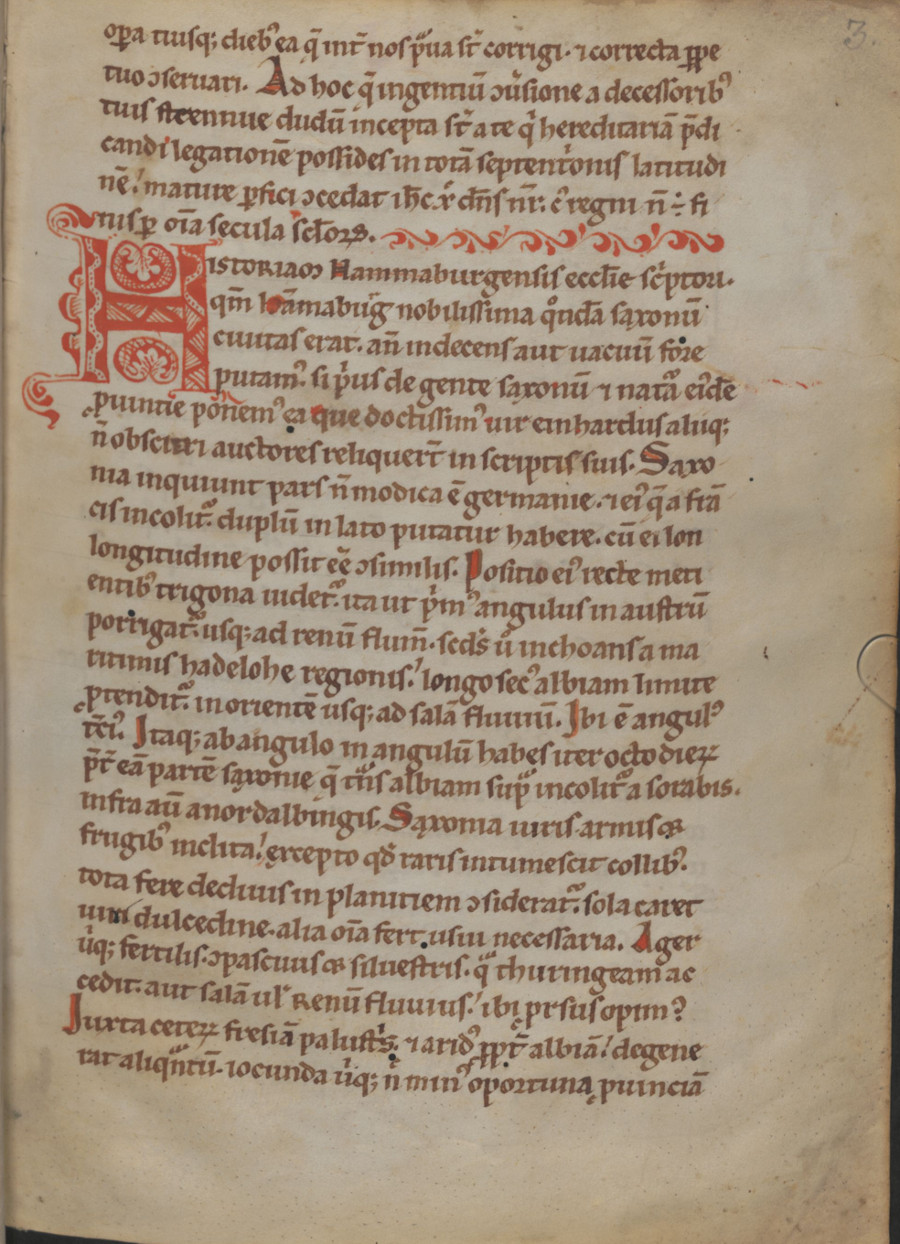
Óláfs saga helga in Heimskringla
Snorri Sturluson · c. 1230
 Book
Secondary source
Gesta Hammaburgensis ecclesiae pontificum
Adam of Bremen · 1073-1076
 Artifact
Secondary source
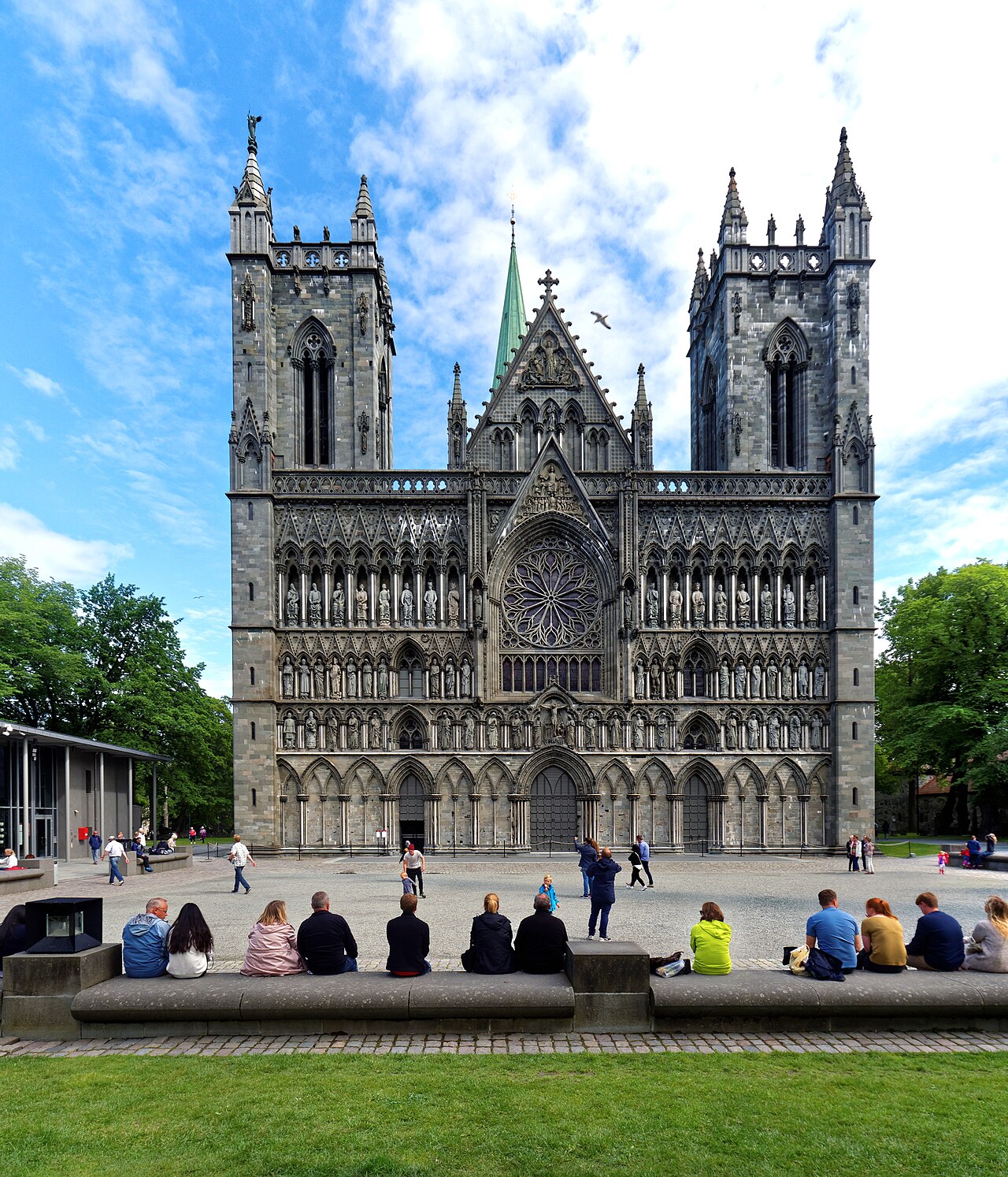
Nidaros Cathedral
1070-1300 (begun)
 Artifact
Primary source
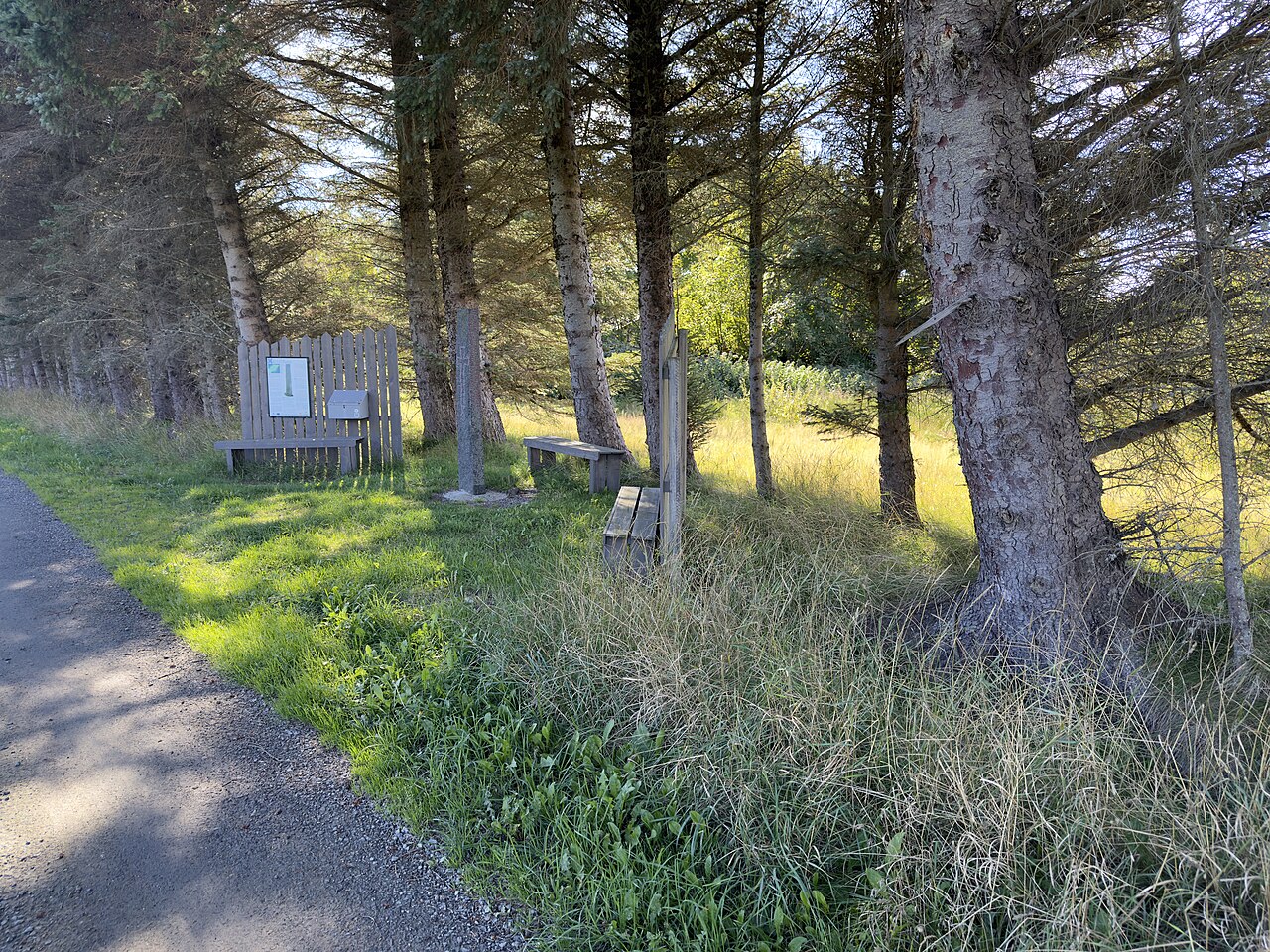
Kuli Stone
c. 1034

Free account
Read every Olaf II of Norway source
Sign up free →
Ready when you are
Start chatting with Olaf II of Norway now.
20 messages free · No credit card · Available in 50+ languages.