


Secondary sourcePainting
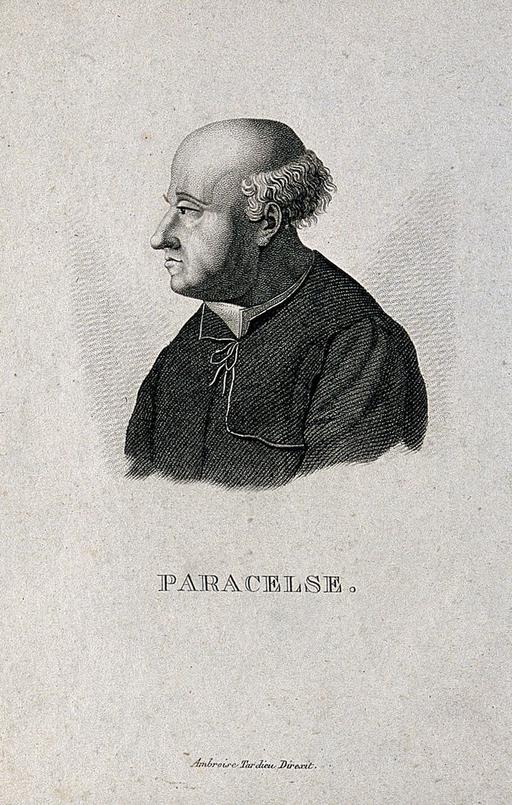
Stipple Engraving of Paracelsus by H. Pfenniger
H. Pfenniger
A later stipple engraving of Paracelsus, made by H. Pfenniger after an unnamed original. It is held by the Wellcome Collection.
Shows Paracelsus as a later engraved portrait copied from an unnamed earlier image, showing how his appearance was passed on.
About this source
What it is
This is a stipple engraving of Paracelsus by H. Pfenniger. It shows a bald older man with curly hair at the sides, seen in left profile. He wears a dark high-collared coat with a white collar and a tied cravat. A caption below reads PARACELSE, and there is a small inscription at the bottom edge. The print was made after an original that is not named in the record. It is held by the Wellcome Collection.
Why it matters
Paracelsus lived from about 1493 to 1541 and worked as a physician, philosopher, theologian and alchemist. Engravings like this one were copied from earlier portraits, so each copy adds another layer between the viewer and the man. Because the original source is unknown, this print shows how a later artist chose to present him.
Look closer
- What features did the engraver emphasise, such as the hair, collar and cravat?
- Why might a printmaker copy a portrait whose original is no longer named?
- What can we not learn about Paracelsus from a copy of a copy?
This painting is part of the curated material that grounds the AI version of Paracelsus on Humy.ai — when students ask about related events, the AI can quote it and cite it.
More Paracelsus sources
Browse all 93 →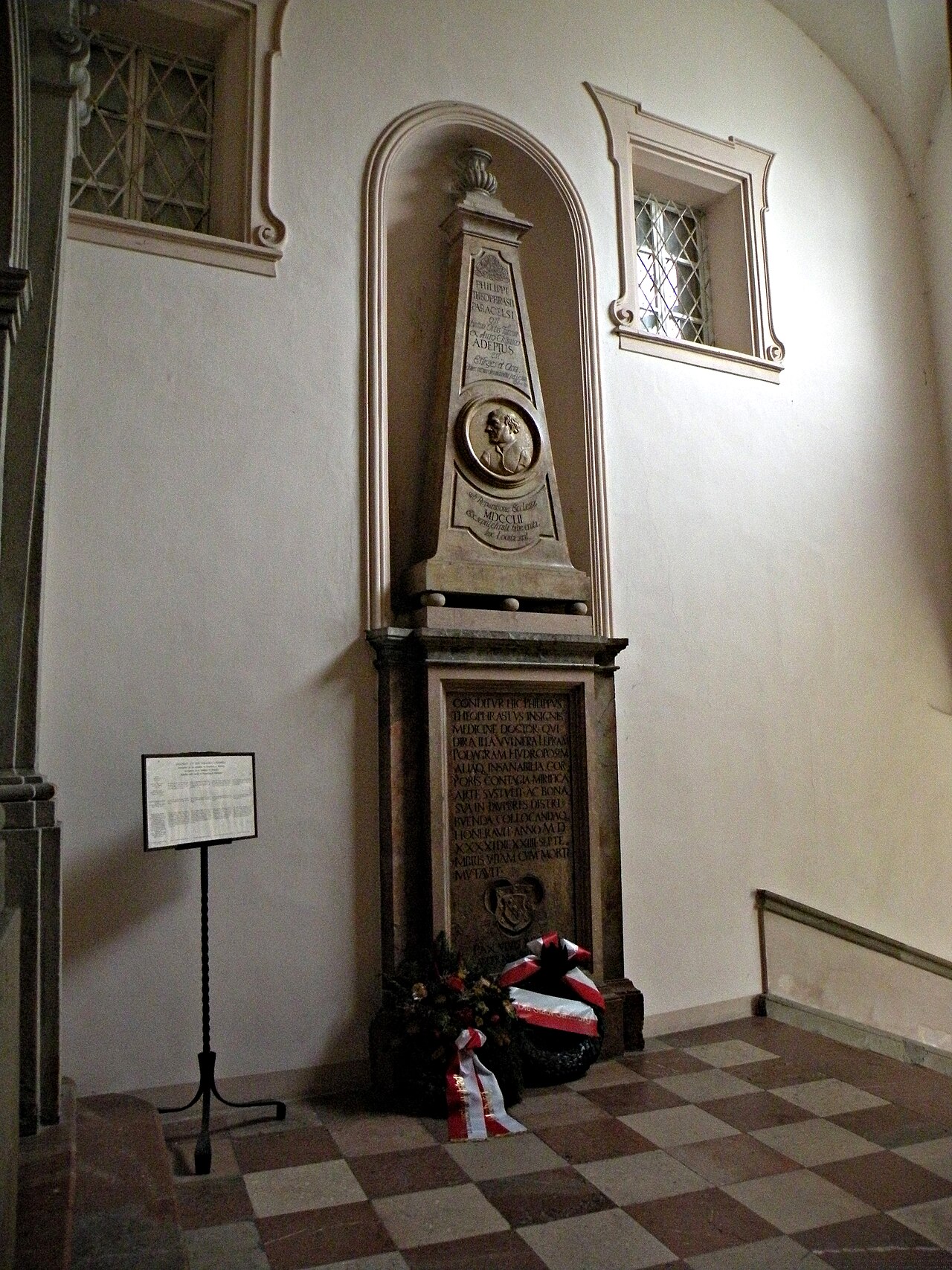 Artifact
Secondary source
Grave of Paracelsus
 Book
Secondary source
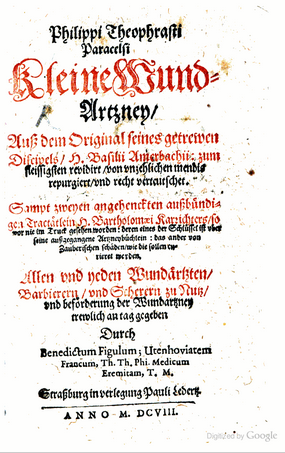
Kleine Wundarzney
Benedictus Figulus (editor), Paracelsus · 1608
 Painting
Secondary source
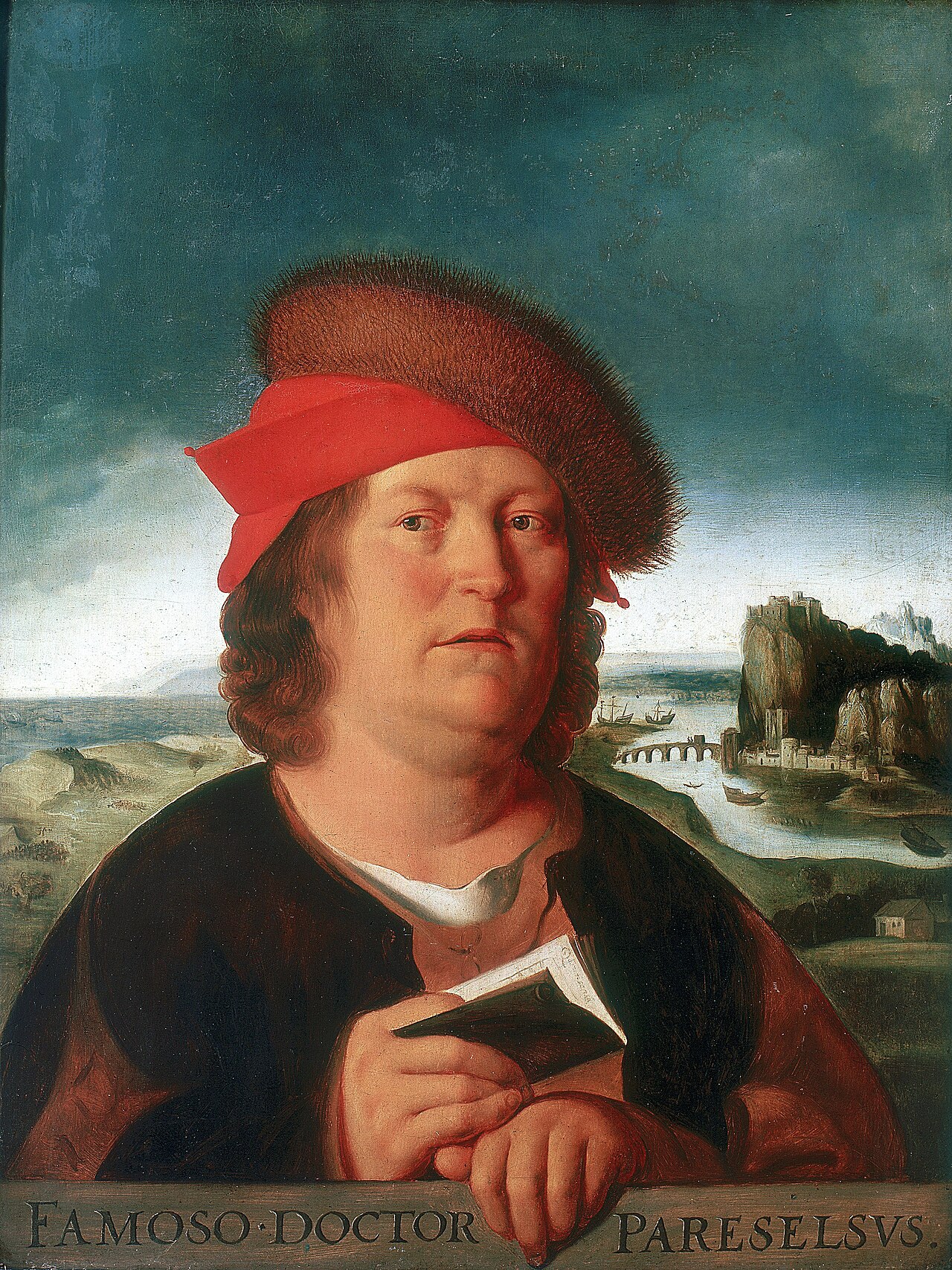
Portrait of een man voor een landschap, zogenaamd de arts Paracelsus
1650
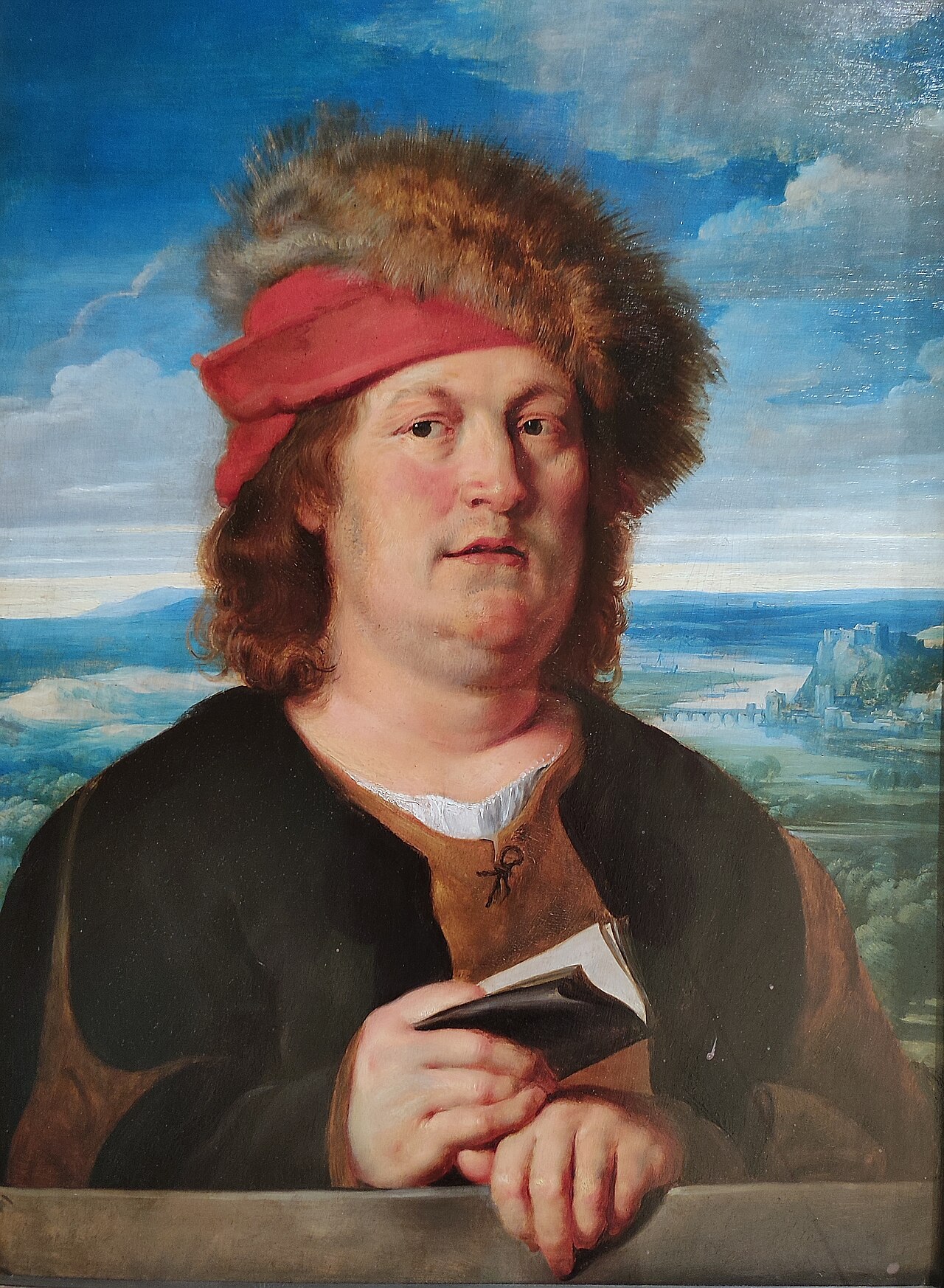 Painting
Secondary source
Portrait of Paracelsus
Peter Paul Rubens · 1625
Free account
Read every Paracelsus source
Sign up free →
Ready when you are
Start chatting with Paracelsus now.
20 messages free · No credit card · Available in 50+ languages.