


Primary sourceSculpture1916
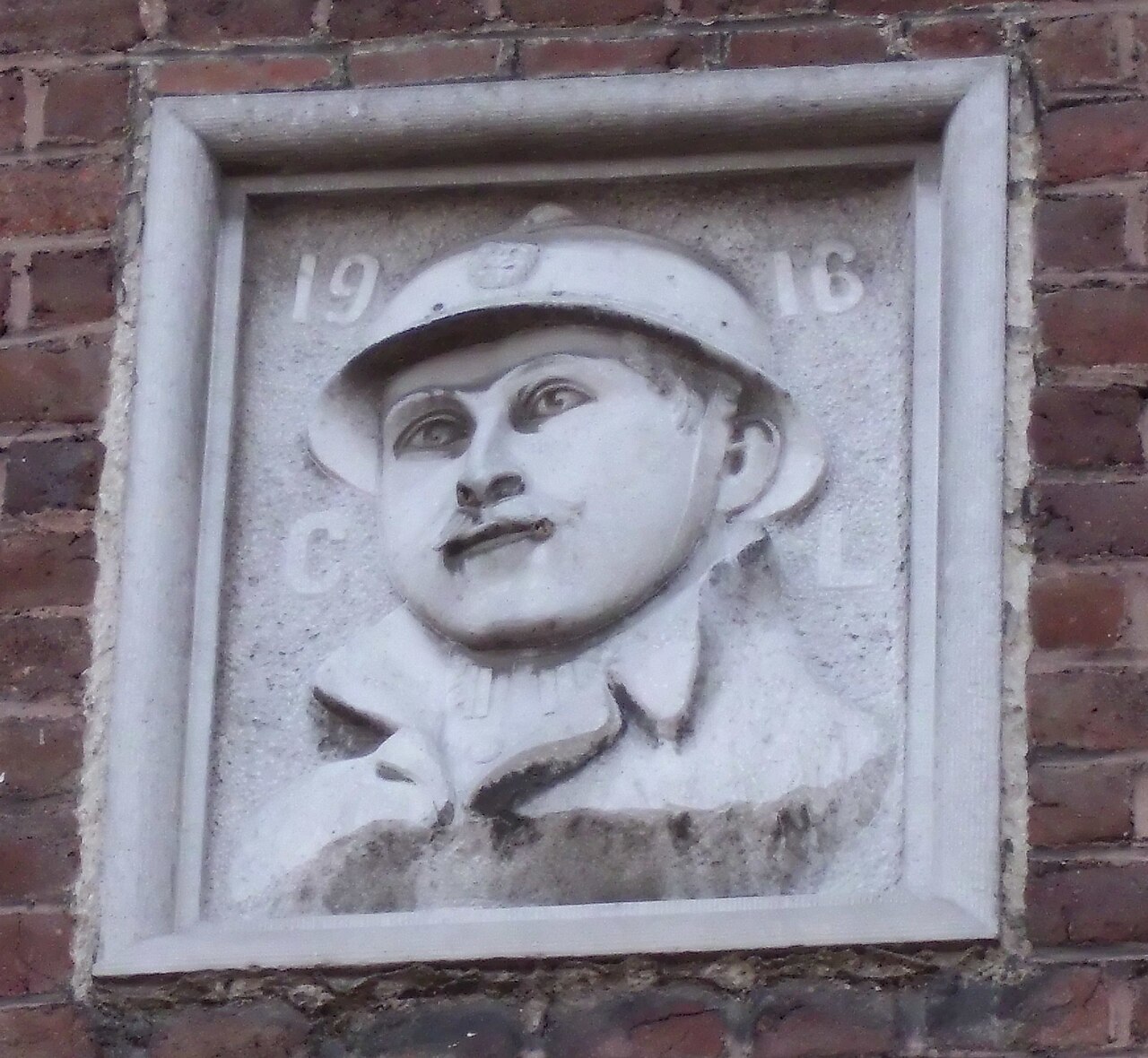
Stone carving of Albert I at Paix-Dieu farm
1916
A 1916 stone relief carving of King Albert I's head, set into a wall of a farm in occupied Belgium during the First World War.
This wartime carving shows Albert as a symbol of national loyalty under German occupation of Belgium.
About this source
What it is
This is a stone relief carving dated 1916, set into the wall of the Paix-Dieu farm in Oleye, Belgium. It shows a man's head and shoulders wearing a helmet, identified as King Albert I of the Belgians.
Why it matters
Created during the First World War, while much of Belgium was occupied by German forces, this carving is a sign of quiet loyalty to the absent king, who had become a symbol of national resistance after leading the army. Local people making or keeping such images under occupation took a real risk.
Look closer
- Why might someone carve a king's portrait into a farm wall rather than display it more openly?
- What does the helmet in the carving tell you about how Albert was remembered during the war?
- Why do you think this image survived in a private, rural setting rather than a public monument?
This sculpture is part of the curated material that grounds the AI version of Albert I of Belgium on Humy.ai — when students ask about related events, the AI can quote it and cite it.
More Albert I of Belgium sources
Browse all 96 →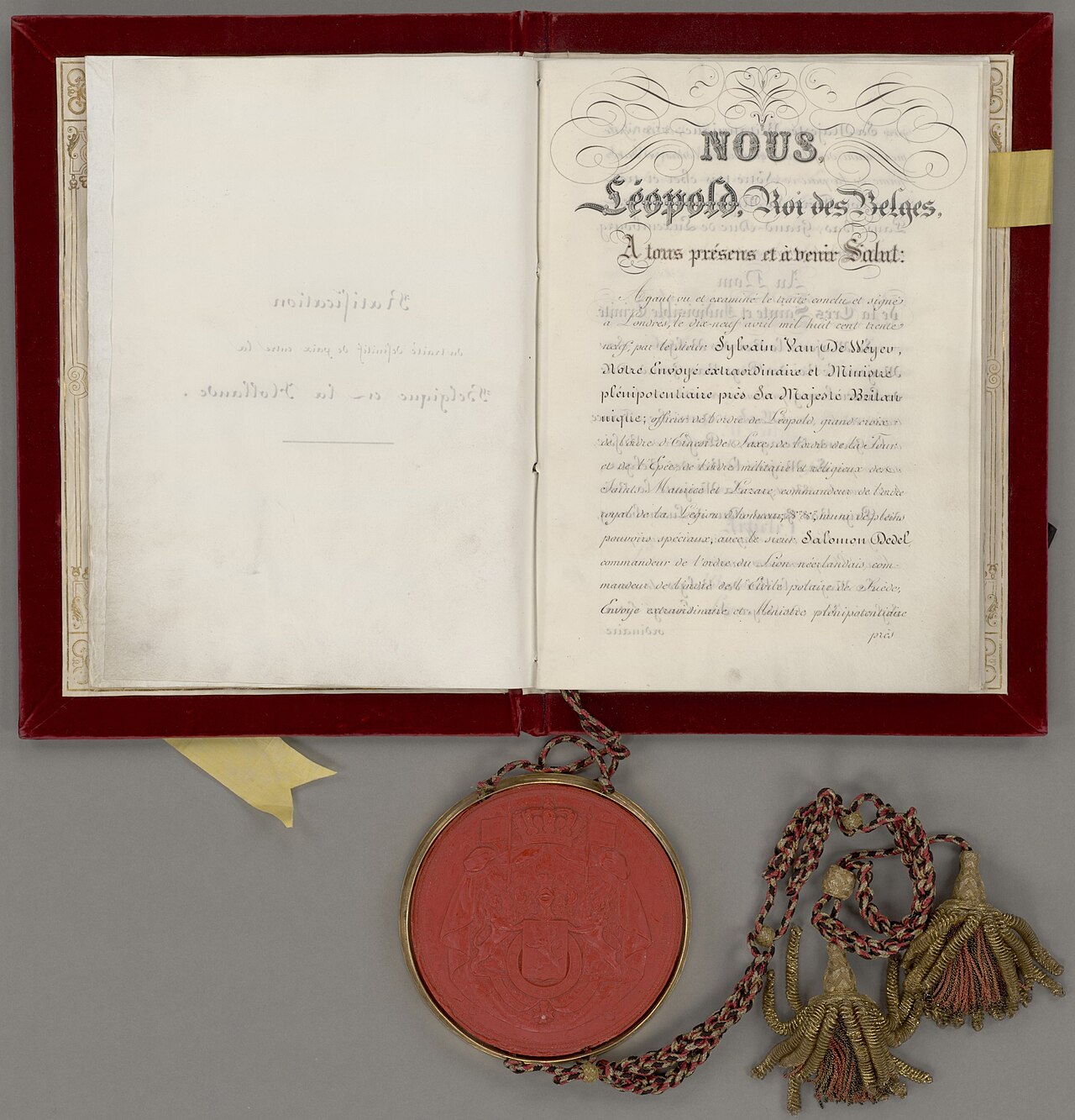 Document
Primary source
Treaty of London (1839)
19 April 1839
 Photograph
Primary source
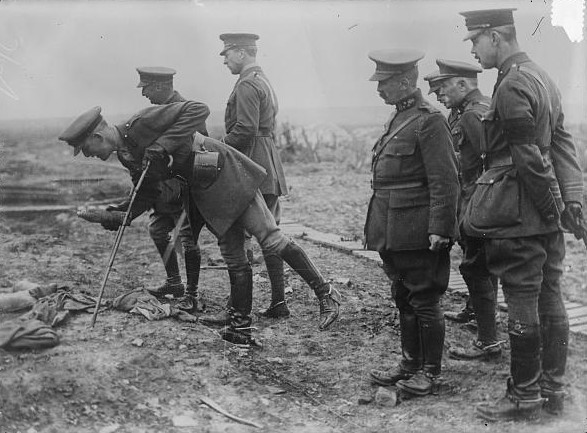
King Albert I of Belgium on Battle Field
Bain News Service
 Painting
Secondary source
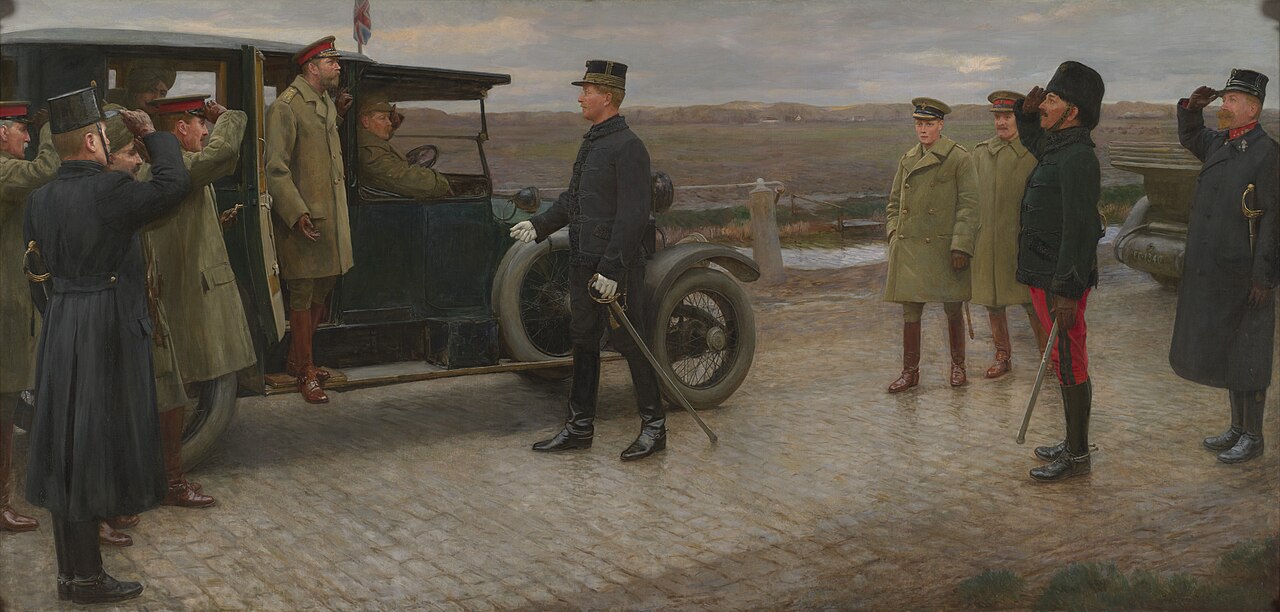
Where Belgium Greeted Britain: Meeting of George V and Albert I at Adinkerke, 4 December 1914
Herbert Arnould Olivier · 1915
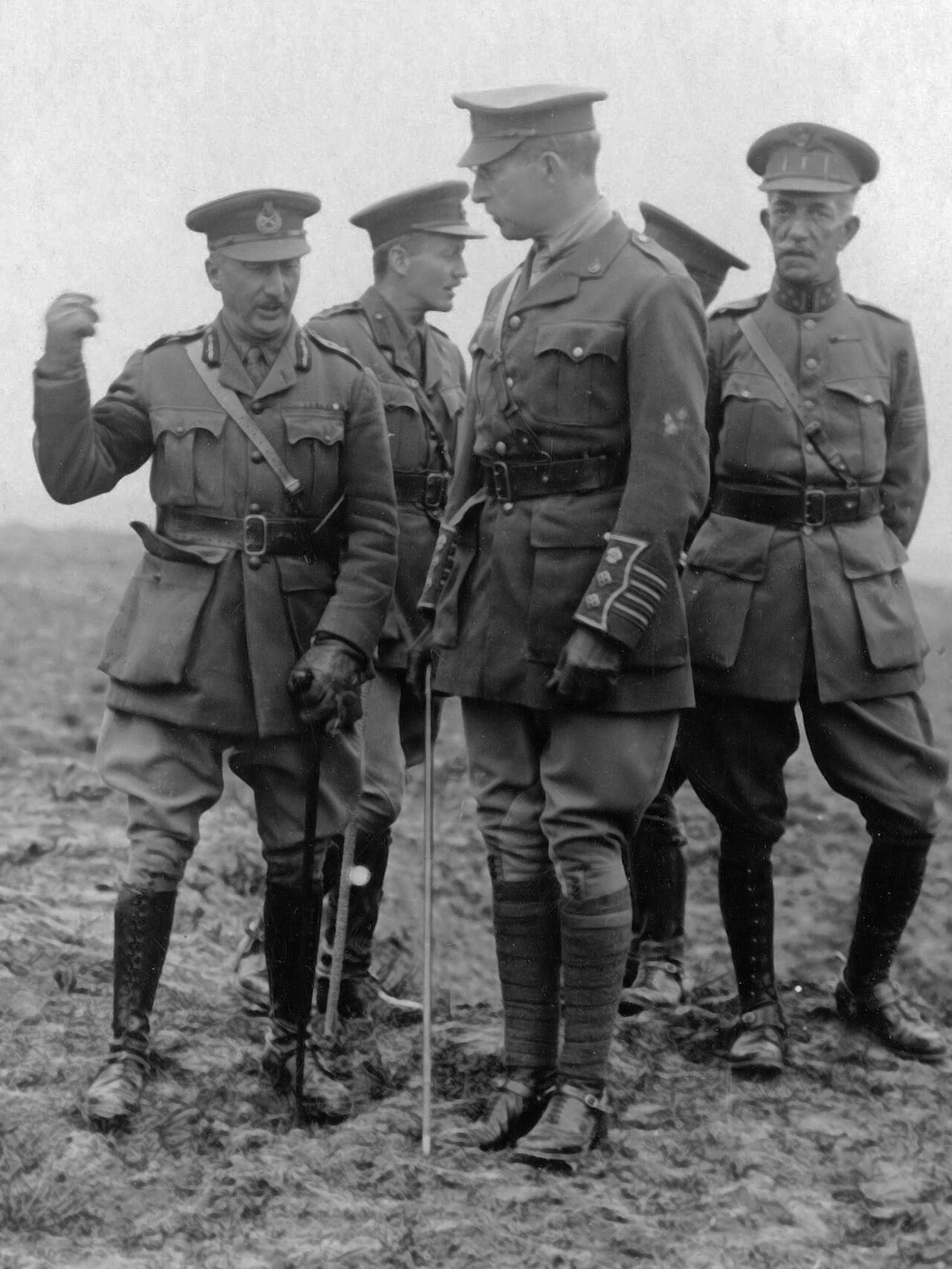 Photograph
Primary source
Hubert Gough and King Albert I of Belgium
The Press Bureau
Free account
Read every Albert I of Belgium source
Sign up free →
Ready when you are
Start chatting with Albert I of Belgium now.
20 messages free · No credit card · Available in 50+ languages.