


Primary sourceArtifact13th century
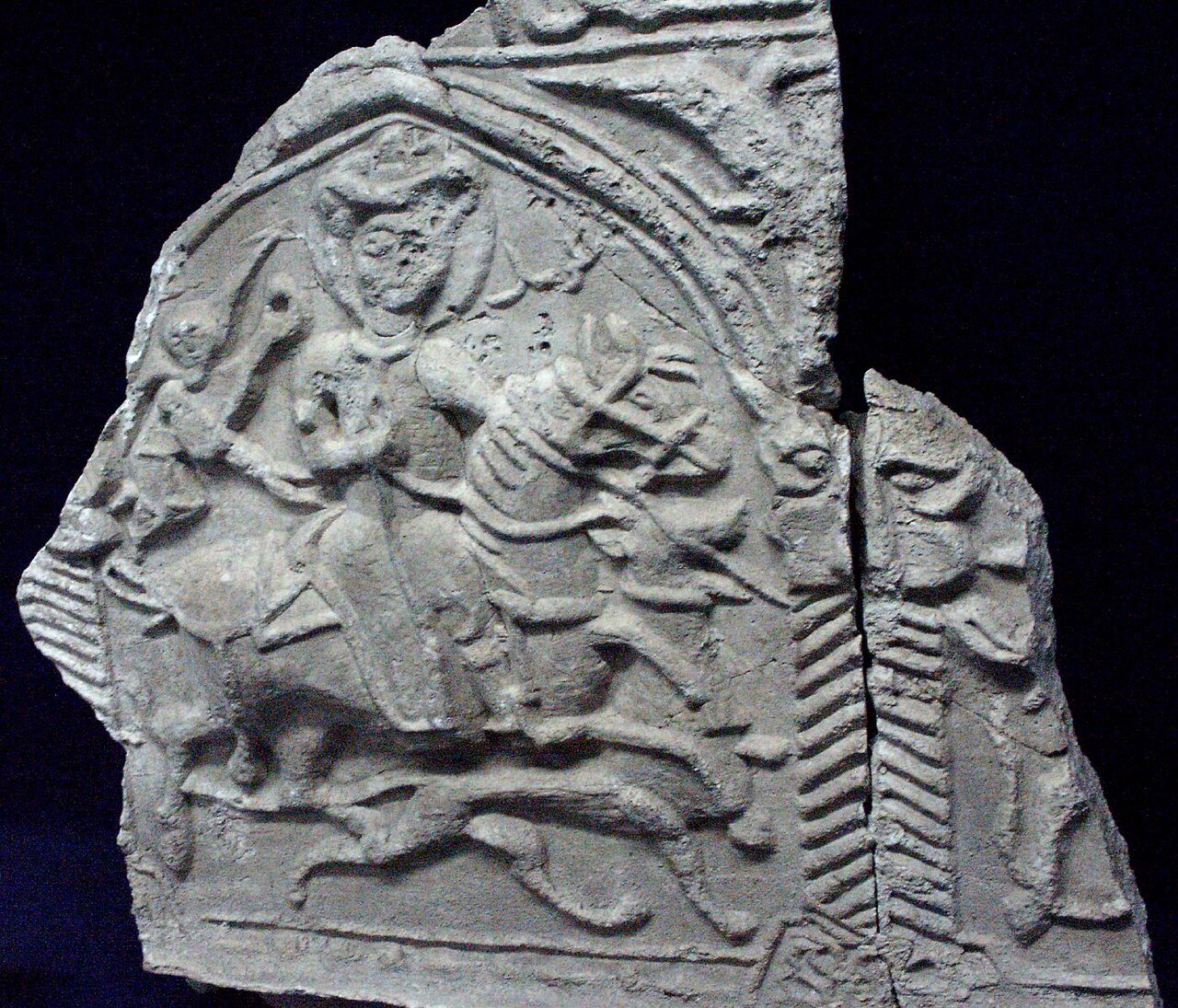
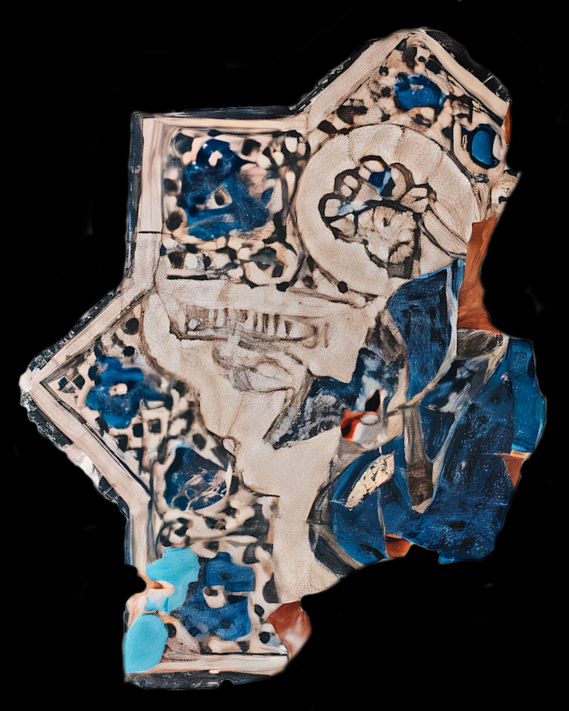
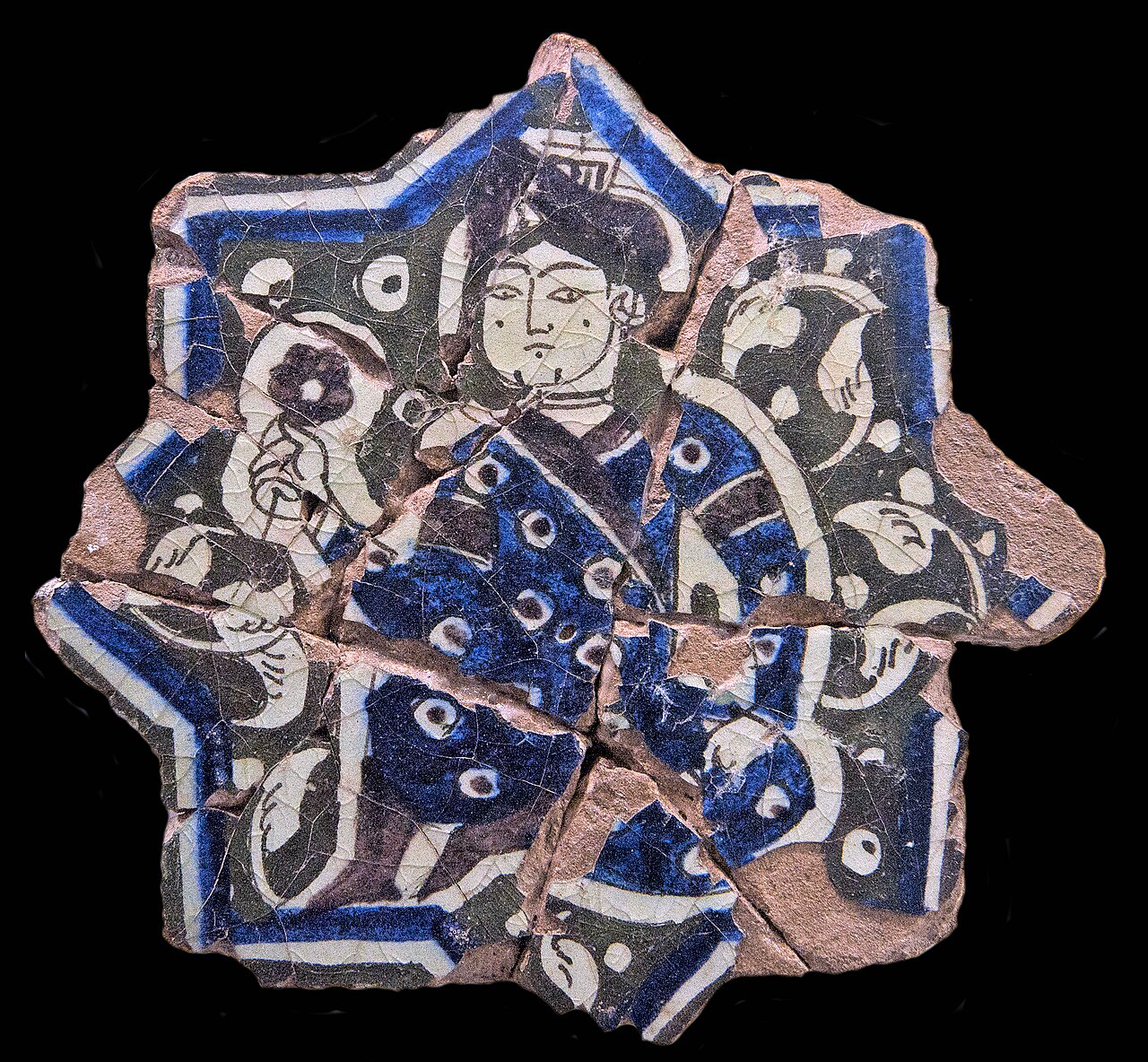
Stone Ornament from Kubadabad Palace
13th century
A carved stone relief fragment from Sultan Kayqubad I's palace at Kubadabad, now in the Karatay Museum in Konya.
This palace ornament comes from Kubadabad, the palace built for Kayqubad I, showing the style of his court.
About this source
What it is
This is a fragment of stone ornamentation from Kubadabad Palace, built for the Seljuk sultan Kayqubad I near Lake Beyşehir. It shows a carved horseman in a pointed hat, a figure beneath him, and a hunting scene bordered by a chevron pattern. It is now kept in a museum in Konya.
Why it matters
Konya was the capital of the Seljuk Empire of Rum, and Kayqubad I ruled at the height of its power. Palace decoration like this reveals the tastes of his court and the skill of the craftsmen who worked for Seljuk rulers in the 13th century.
Look closer
- What activity is the carved scene showing, and why might a sultan want this on his palace walls?
- What does the detail in the carving tell you about the skill of the artisans who made it?
- What is missing from this fragment that might help us understand the whole original scene?
This artifact is part of the curated material that grounds the AI version of Kayqubad I on Humy.ai — when students ask about related events, the AI can quote it and cite it.
More Kayqubad I sources
Browse all 87 →
Ready when you are
Start chatting with Kayqubad I now.
20 messages free · No credit card · Available in 50+ languages.