


Primary sourceSculpture141-87 BC
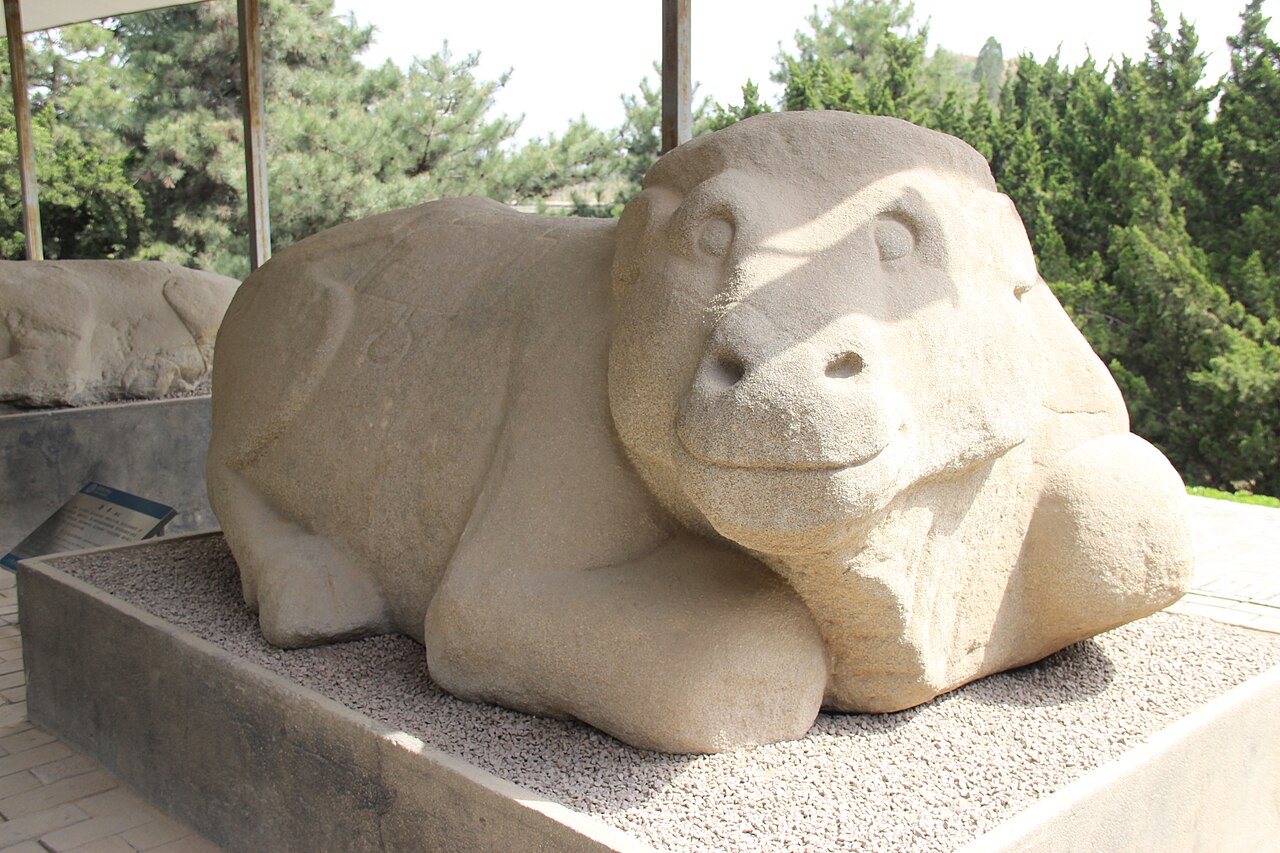
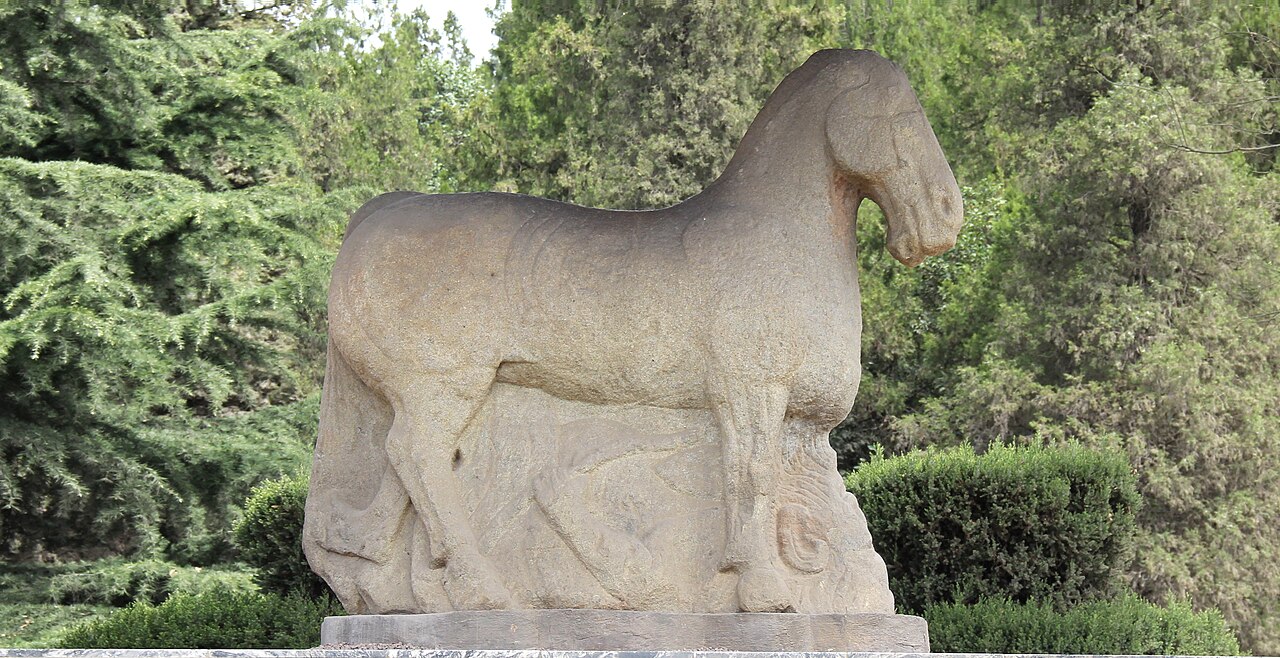
Stone Ox Lying at Leisure, Maoling Tomb Sculpture
141-87 BC
A Han dynasty stone sculpture of a resting ox from the Maoling tomb complex of Emperor Wu.
A stone sculpture from Emperor Wu's tomb complex, illustrating the funerary art of his reign.
About this source
What it is
This photograph shows a large weathered stone sculpture of an ox lying down with its legs tucked beneath its body, located at the Maoling tomb complex, the mausoleum of Emperor Wu of Han, who reigned from 141 to 87 BC.
Why it matters
Stone animal sculptures like this were part of the grand funerary art surrounding imperial tombs, reflecting the wealth and ceremony devoted to honoring rulers like Emperor Wu. They also give insight into the animals valued in Han society, such as the ox, important for farming and labor.
Look closer
- Why might an ox have been chosen as one of the animals placed near the emperor's tomb?
- What does the weathered condition of the stone tell us about its age?
- What might these animal sculptures reveal about everyday life in the Han dynasty?
This sculpture is part of the curated material that grounds the AI version of Emperor Wu of Han on Humy.ai — when students ask about related events, the AI can quote it and cite it.
More Emperor Wu of Han sources
Browse all 91 →Primary source
Annals of Emperor Xiaowu (Shiji, Vol. 12)
Sima Qian · c. 100 BCE
Primary source
Autumn Wind Rhapsody
Emperor Wu of Han · 2nd century BCE
 Book
Secondary source
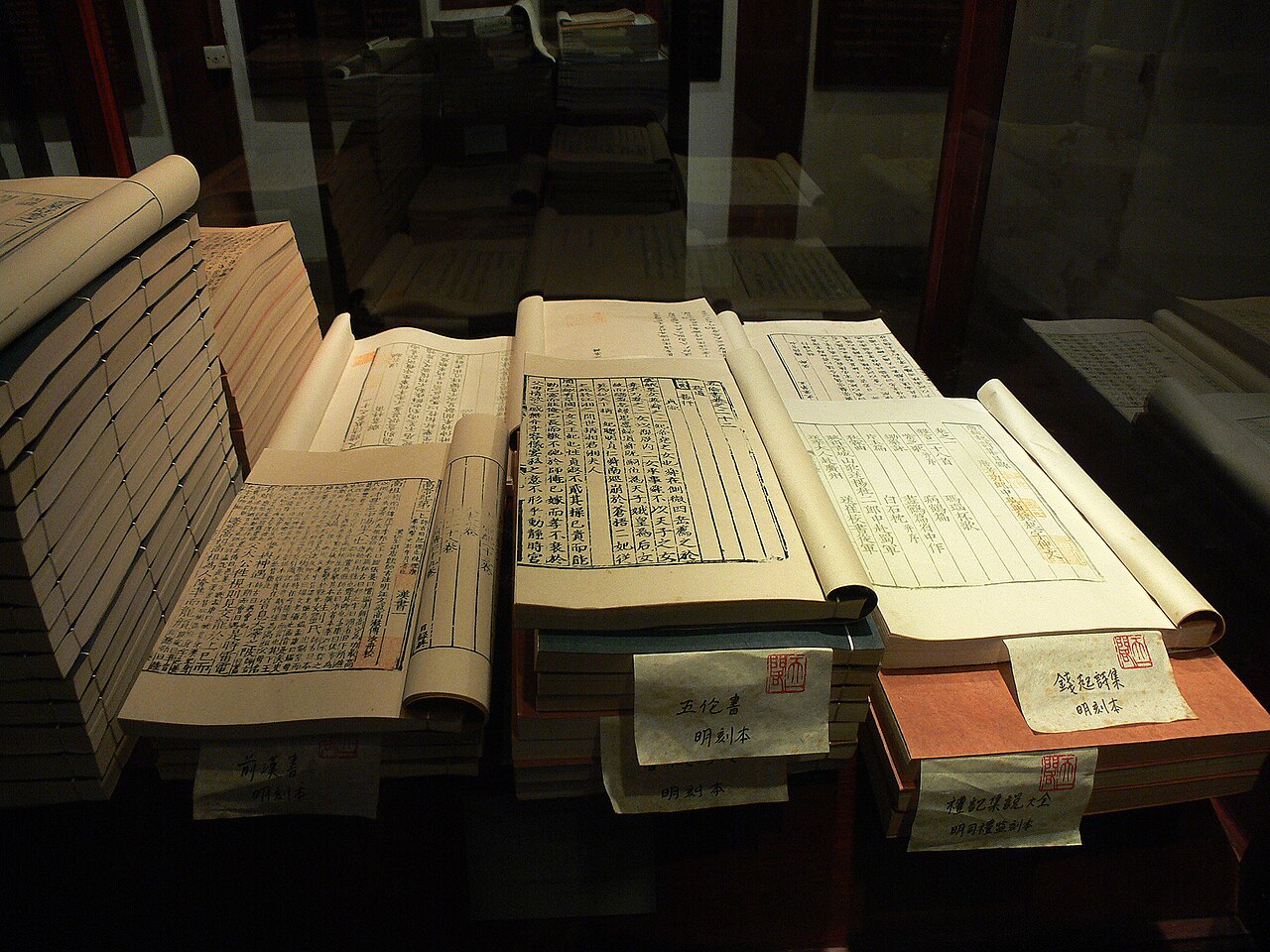
Book of Han
Ban Gu (with Ban Zhao and Ban Biao) · finished 111 CE
 Artifact
Primary source
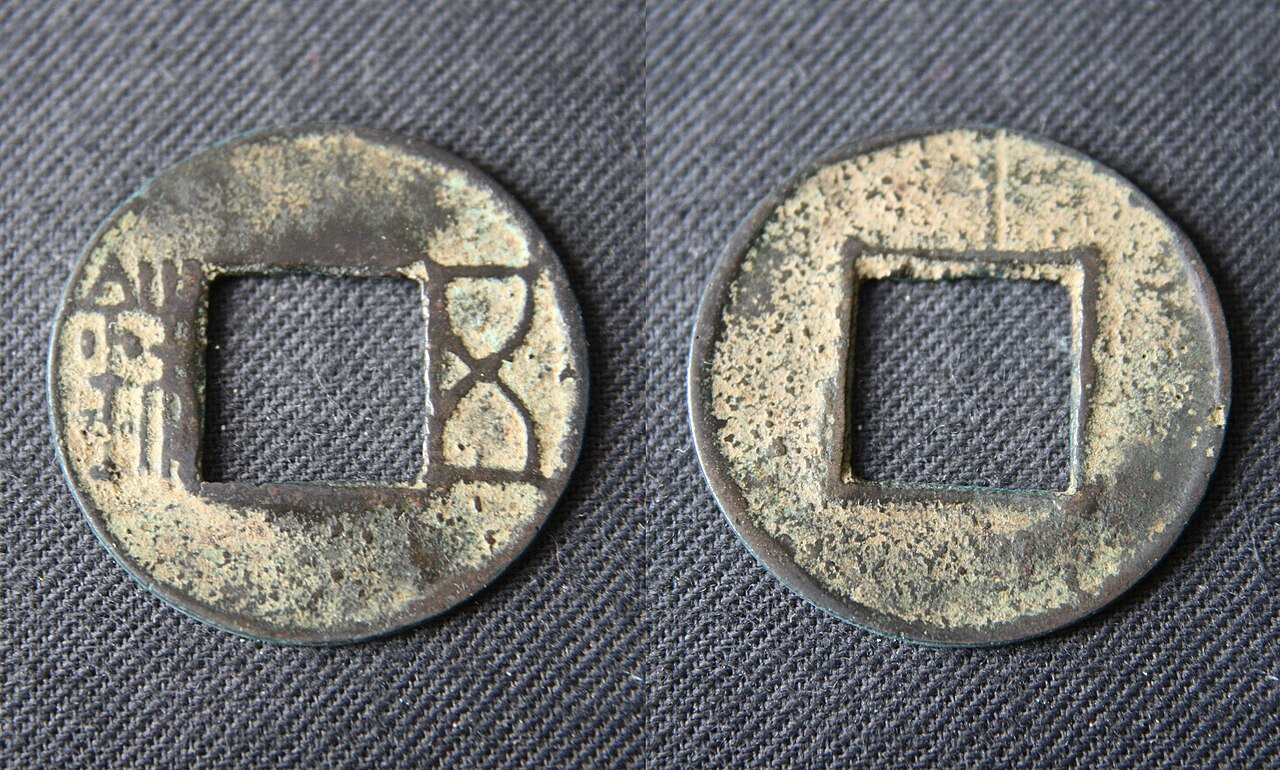
Han Wu Zhu Coin of Emperor Wu
after 118 BCE
Free account
Read every Emperor Wu of Han source
Sign up free →
Ready when you are
Start chatting with Emperor Wu of Han now.
20 messages free · No credit card · Available in 50+ languages.