


Primary sourceDocument19 February 1810
Strangford Treaty
19 February 1810
An 1810 treaty signed by John's government in exile in Rio de Janeiro, giving Britain trade privileges in exchange for protection.
John VI's government signed this treaty in exile, trading commercial privileges for British protection.
About this source
What it is
The Strangford Treaty, also called the Treaty of Commerce and Navigation, was signed in Rio de Janeiro on 19 February 1810 between the British government and the Portuguese government, then in exile under John VI. It was negotiated by the British diplomat Percy Smythe, Viscount Strangford.
Why it matters
The treaty gave Britain preferential tariffs on goods sold in Brazil in return for British protection of Portugal and its colonies during the Napoleonic Wars. It shows how dependent John VI's government was on British support after fleeing Napoleon's invasion, and how this dependence reshaped Brazil's economy, favoring British imports over local industry. Portugal also agreed to limit the slave trade.
Look closer
- What does this treaty reveal about the balance of power between Portugal, Britain, and Brazil at this time?
- Why might a ruler in exile need to make such concessions?
- What groups in Brazil might have lost out because of this agreement?
This document is part of the curated material that grounds the AI version of John VI of Portugal on Humy.ai — when students ask about related events, the AI can quote it and cite it.
More John VI of Portugal sources
Browse all 98 →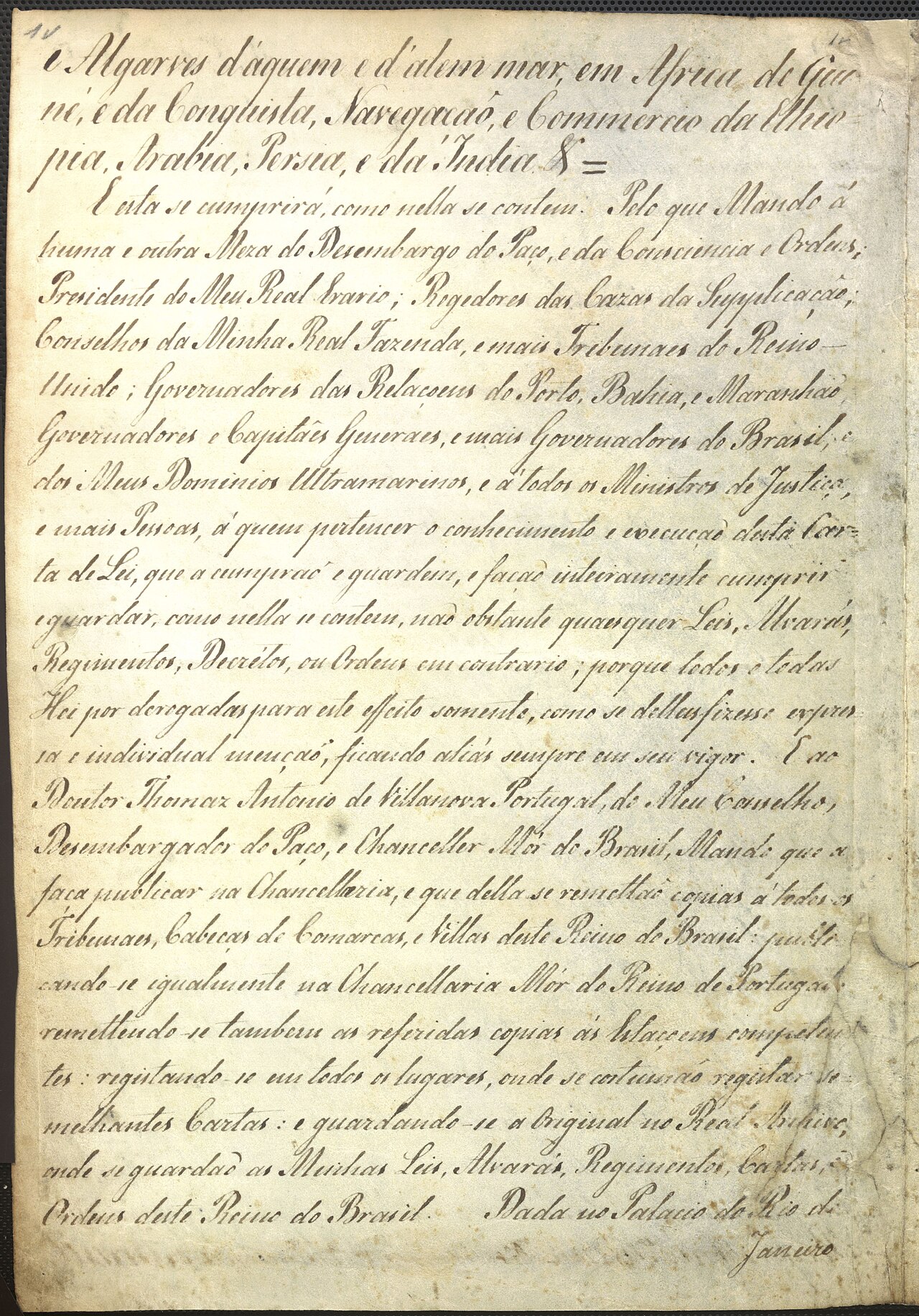 Document
Primary source
Carta de Lei de 16 de Dezembro de 1815
16 December 1815
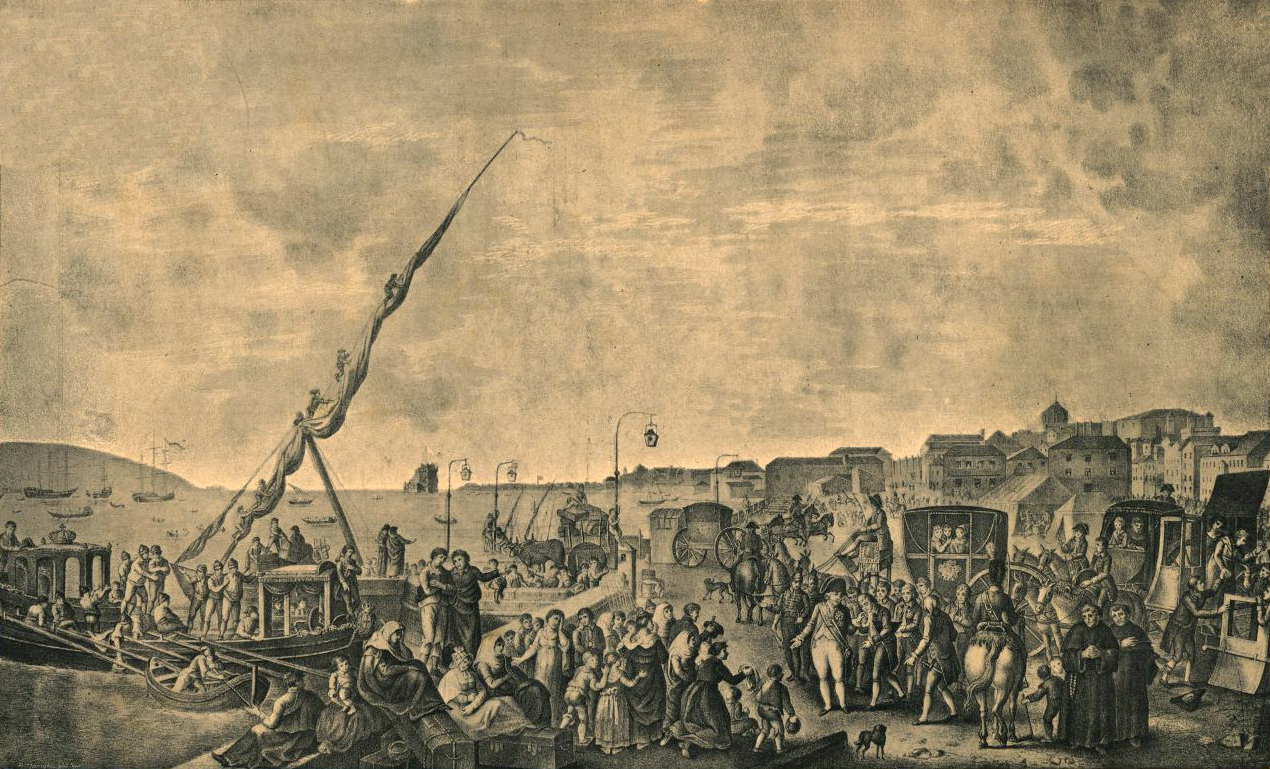 Painting
Secondary source
Príncipe Regente de Portugal e toda a Família Real embarcando para Brasil no cais de Belém
Henri L'Evêque · after 1807
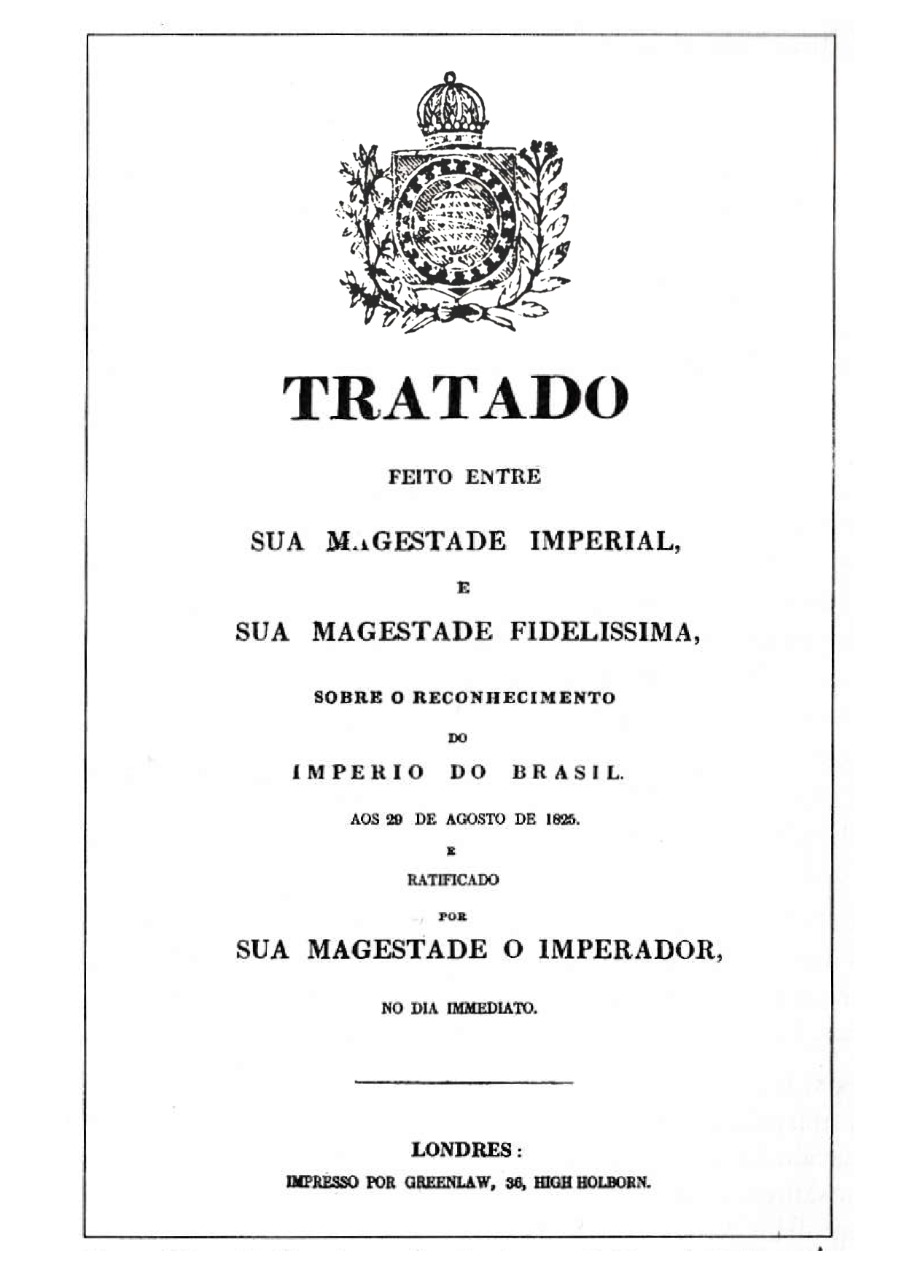 Document
Primary source
Treaty of Rio de Janeiro
29 August 1825
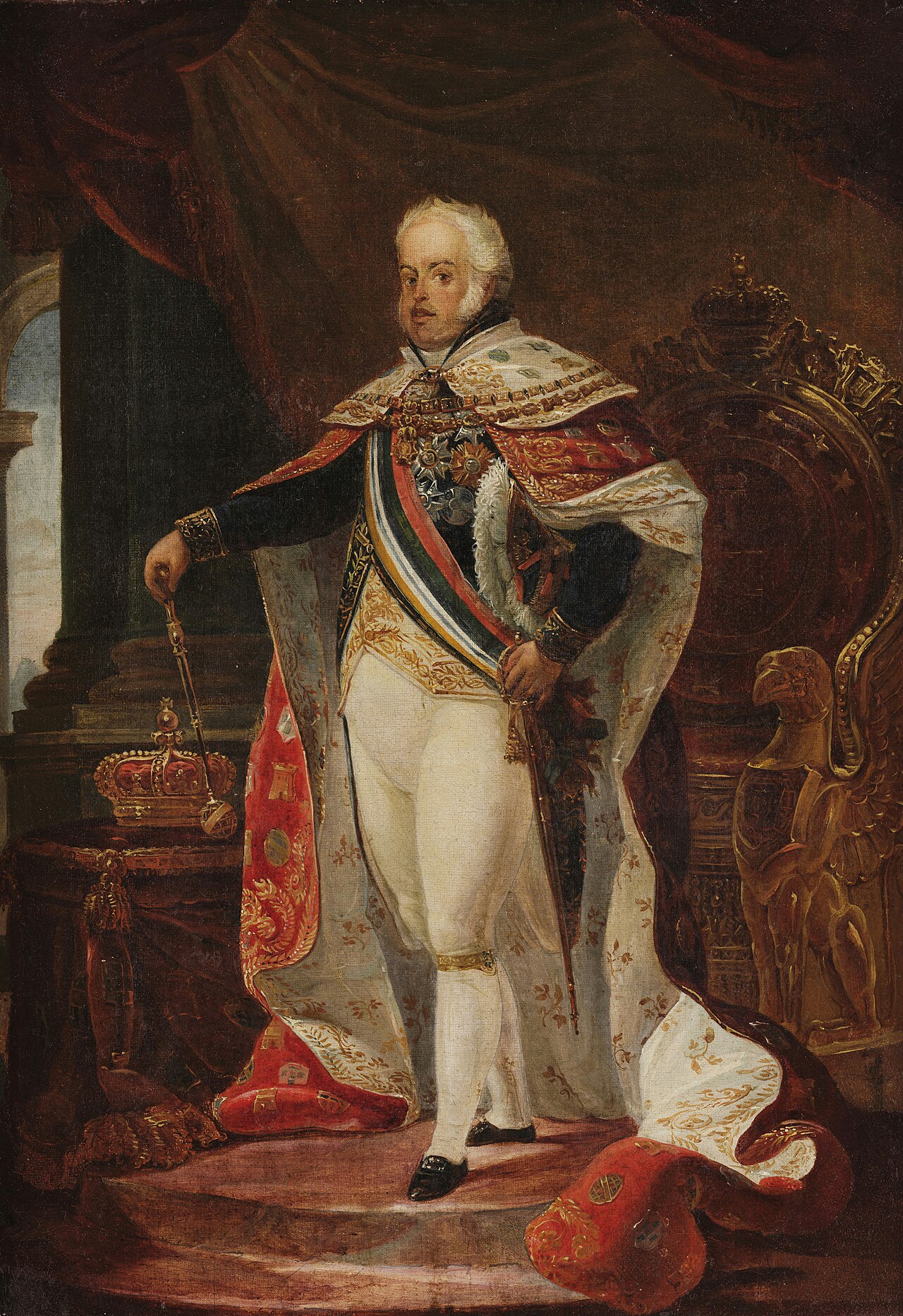 Painting
Primary source
Portrait of Dom João VI by Jean-Baptiste Debret
Jean-Baptiste Debret · c. 1817
Free account
Read every John VI of Portugal source
Sign up free →
Ready when you are
Start chatting with John VI of Portugal now.
20 messages free · No credit card · Available in 50+ languages.