


Primary sourceDocument1618
Stucley Petition
Lewis Stucley · 1618
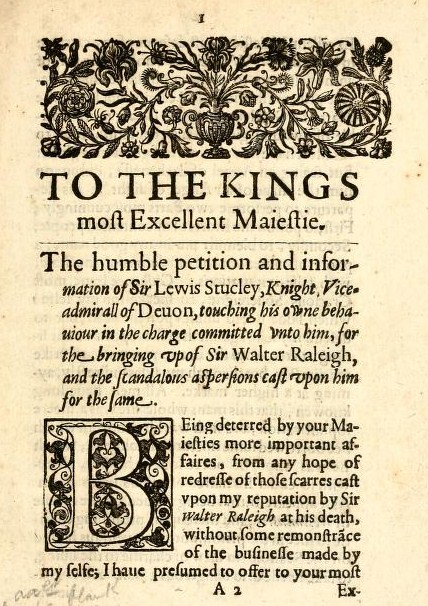
A 1618 printed petition by Sir Lewis Stucley, who had arrested Raleigh, defending his own conduct amid public outrage.
This petition was written by the man who arrested and betrayed Raleigh, defending himself amid public anger after Raleigh's execution.
About this source
What it is
This is the title page of a printed pamphlet from 1618, published by printers Bonham Norton and John Bill in London. It is a petition addressed to the king by Sir Lewis Stucley, vice admiral of Devon, defending his own behaviour in bringing Sir Walter Raleigh to London for trial.
Why it matters
Stucley had arrested and effectively betrayed Raleigh, and this pamphlet was written to answer the public outrage and 'scandalous aspersions' cast on him after Raleigh's execution. It shows how controversial Raleigh's downfall was and how those involved tried to defend their reputations in print.
Look closer
- Why might Stucley have felt the need to publish a public defence of his actions?
- What does this pamphlet reveal about public opinion toward Raleigh after his execution?
- What parts of the story might be missing if we only read Stucley's side?
This document is part of the curated material that grounds the AI version of Sir Walter Raleigh on Humy.ai — when students ask about related events, the AI can quote it and cite it.
More Sir Walter Raleigh sources
Meet the AI Sir Walter Raleigh →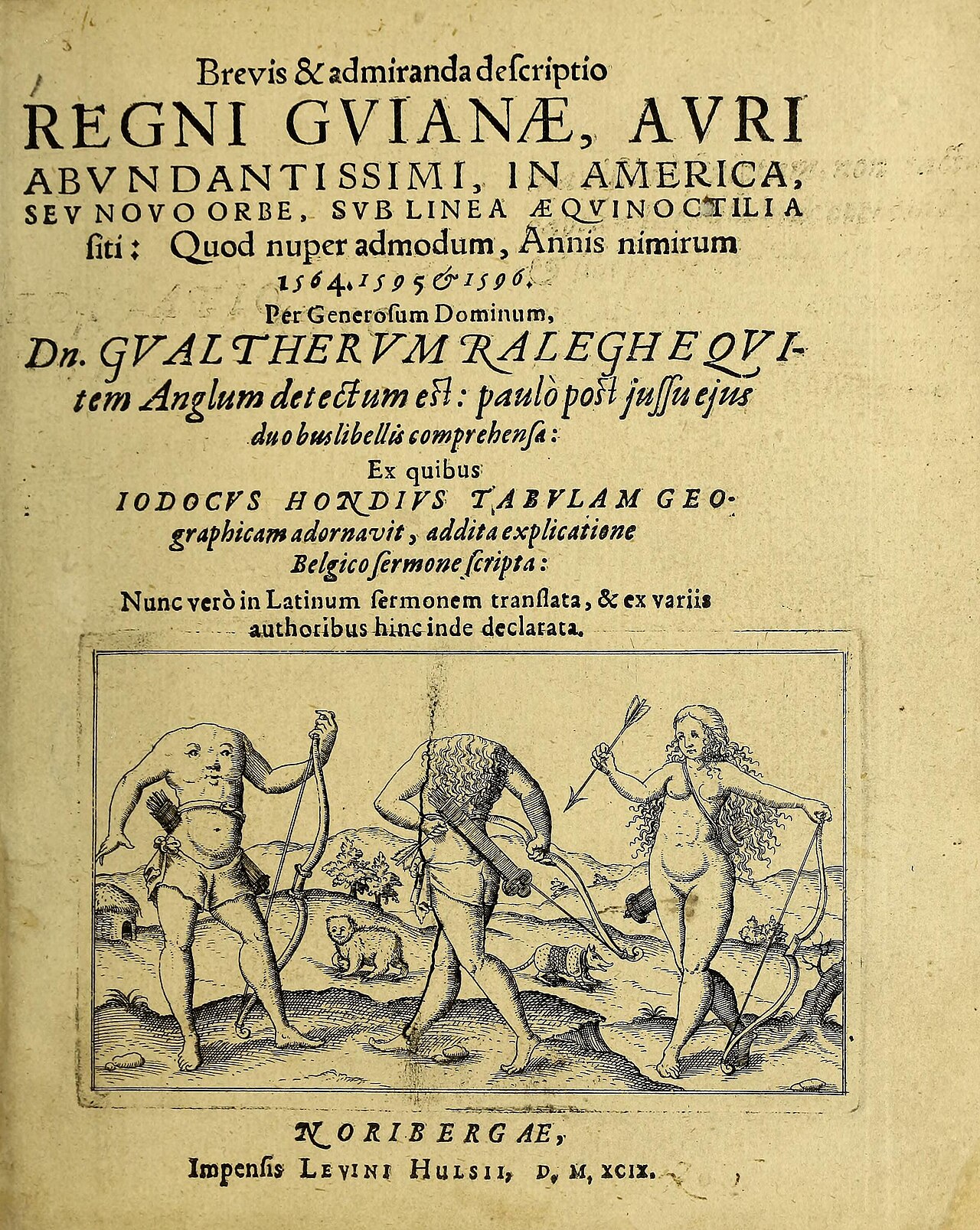 Book
Primary source
The Discovery of Guiana
Walter Raleigh · 1596
Primary source
Charter to Sir Walter Raleigh
Elizabeth I · 1584
 Book
Primary source
The History of the World
Walter Raleigh · 1614
 Painting
Primary source
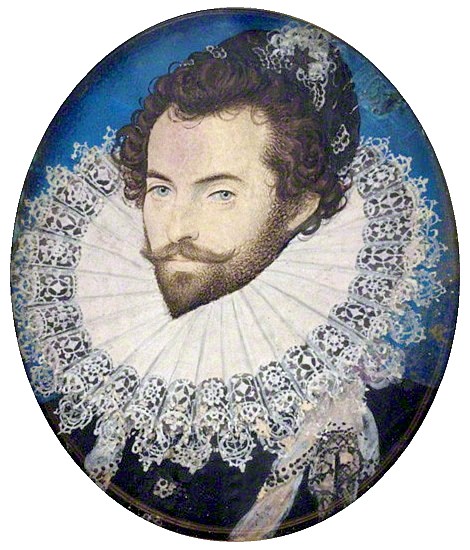
Sir Walter Raleigh
Nicholas Hilliard · c. 1585
 Painting
Primary source
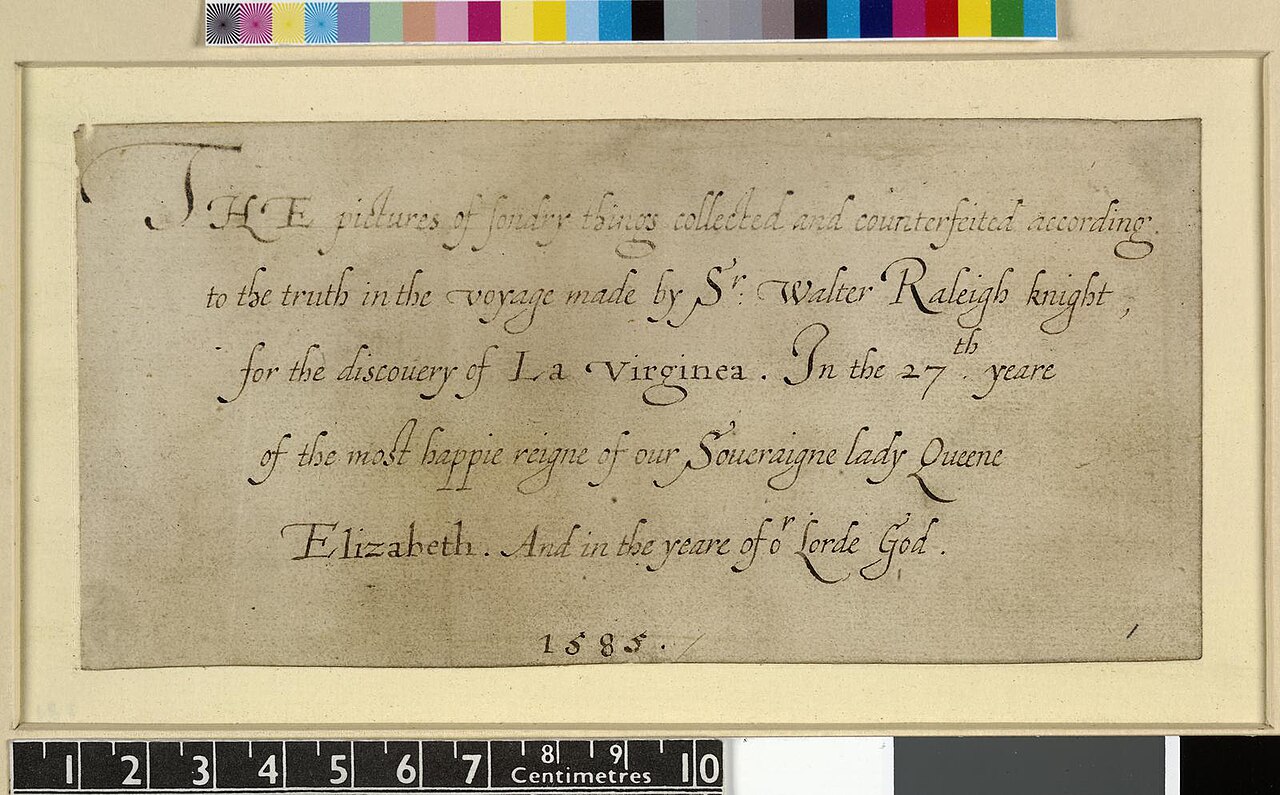
John White's watercolours of the Roanoke voyage
John White · 1585-1586
Ready when you are
Start chatting with Sir Walter Raleigh now.
20 messages free · No credit card · Available in 50+ languages.