


Primary sourceArtifactc. 1511
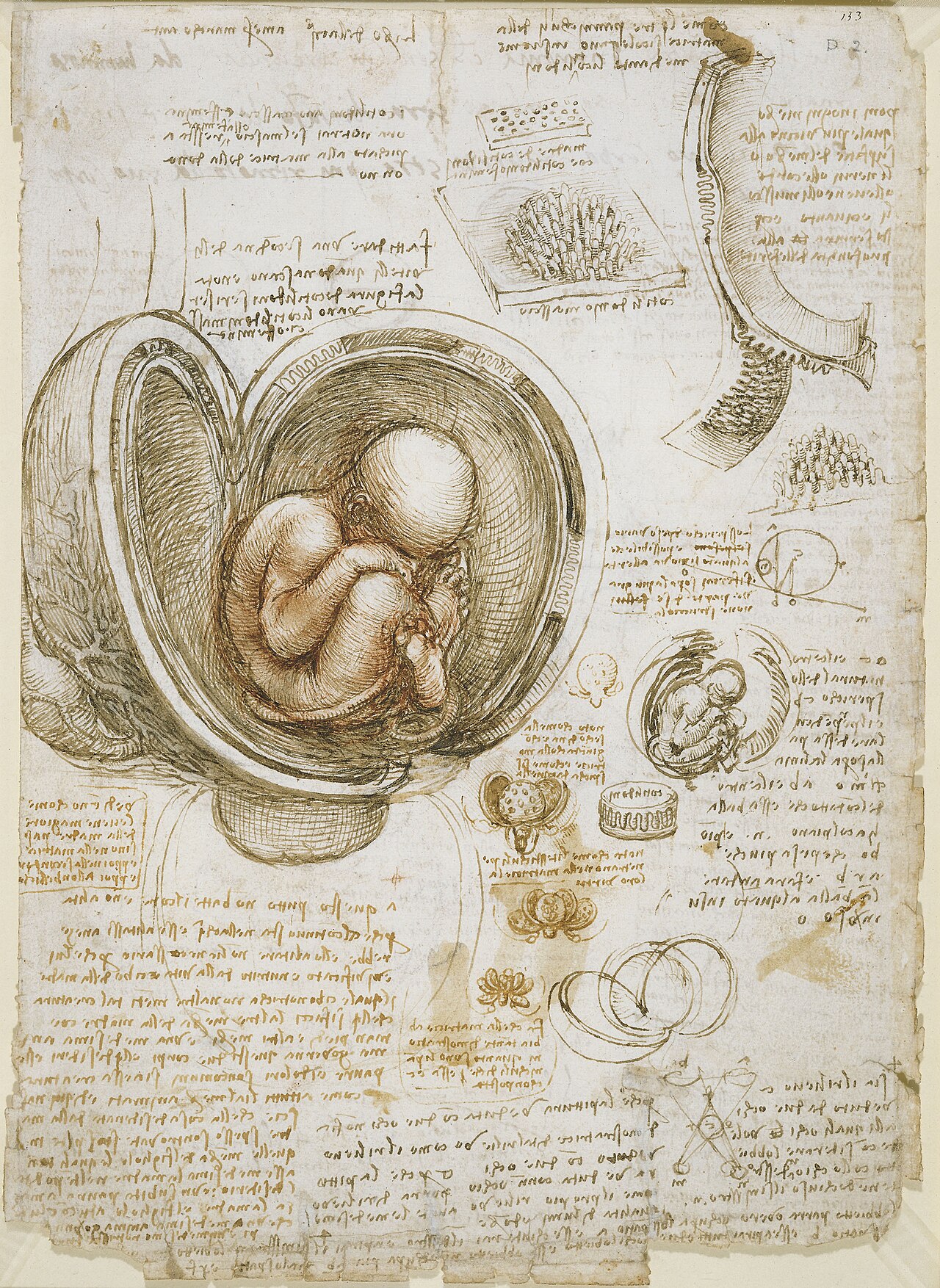
Studies of the Fetus in the Womb
Leonardo da Vinci · c. 1511
Two coloured anatomical drawings by Leonardo da Vinci showing a human fetus inside a dissected uterus.
An original anatomical drawing made by Leonardo himself, showing his scientific study of the human body.
About this source
What it is
These are two coloured, annotated sketches made by Leonardo da Vinci around 1511, showing a fetus inside a dissected uterus. They are now kept in the Royal Collection in the United Kingdom.
Why it matters
Leonardo studied human embryology with help from an anatomist and based these drawings on direct observation of a cadaver. He correctly showed the uterus as a single chamber and drew the uterine blood vessels accurately, though he mixed in details from a cow's uterus and had wrong ideas about the umbilical cord. The drawings show how closely Leonardo combined art and science.
Look closer
- What details suggest Leonardo observed a real body rather than just imagining the scene?
- What mistakes did Leonardo make, and what do they tell us about the limits of science at the time?
- Why might an artist be interested in studying anatomy this closely?
This artifact is part of the curated material that grounds the AI version of Leonardo da Vinci on Humy.ai — when students ask about related events, the AI can quote it and cite it.
More Leonardo da Vinci sources
Meet the AI Leonardo da Vinci →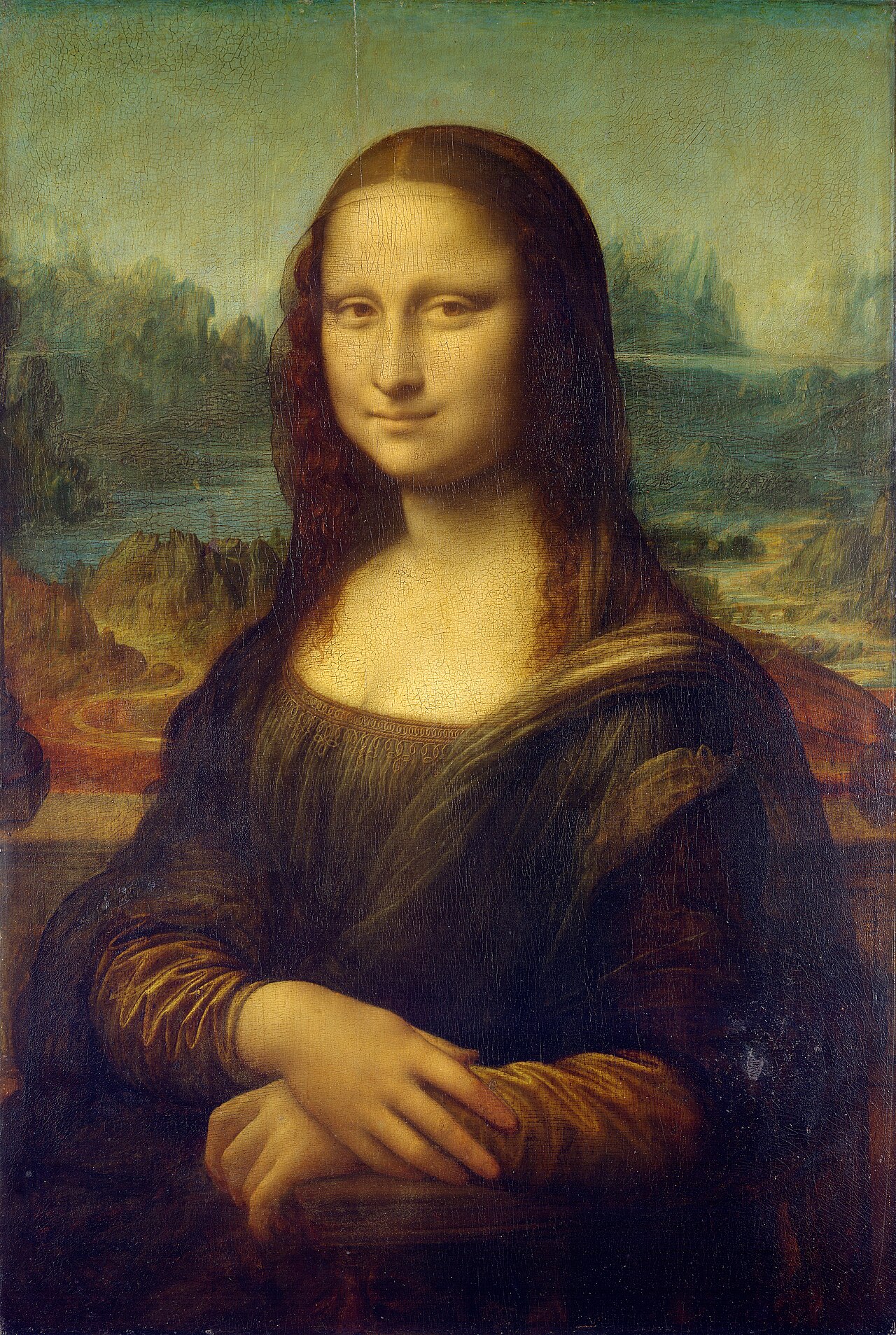 Painting
Primary source
Mona Lisa
Leonardo da Vinci · c. 1503-1519
 Painting
Secondary source
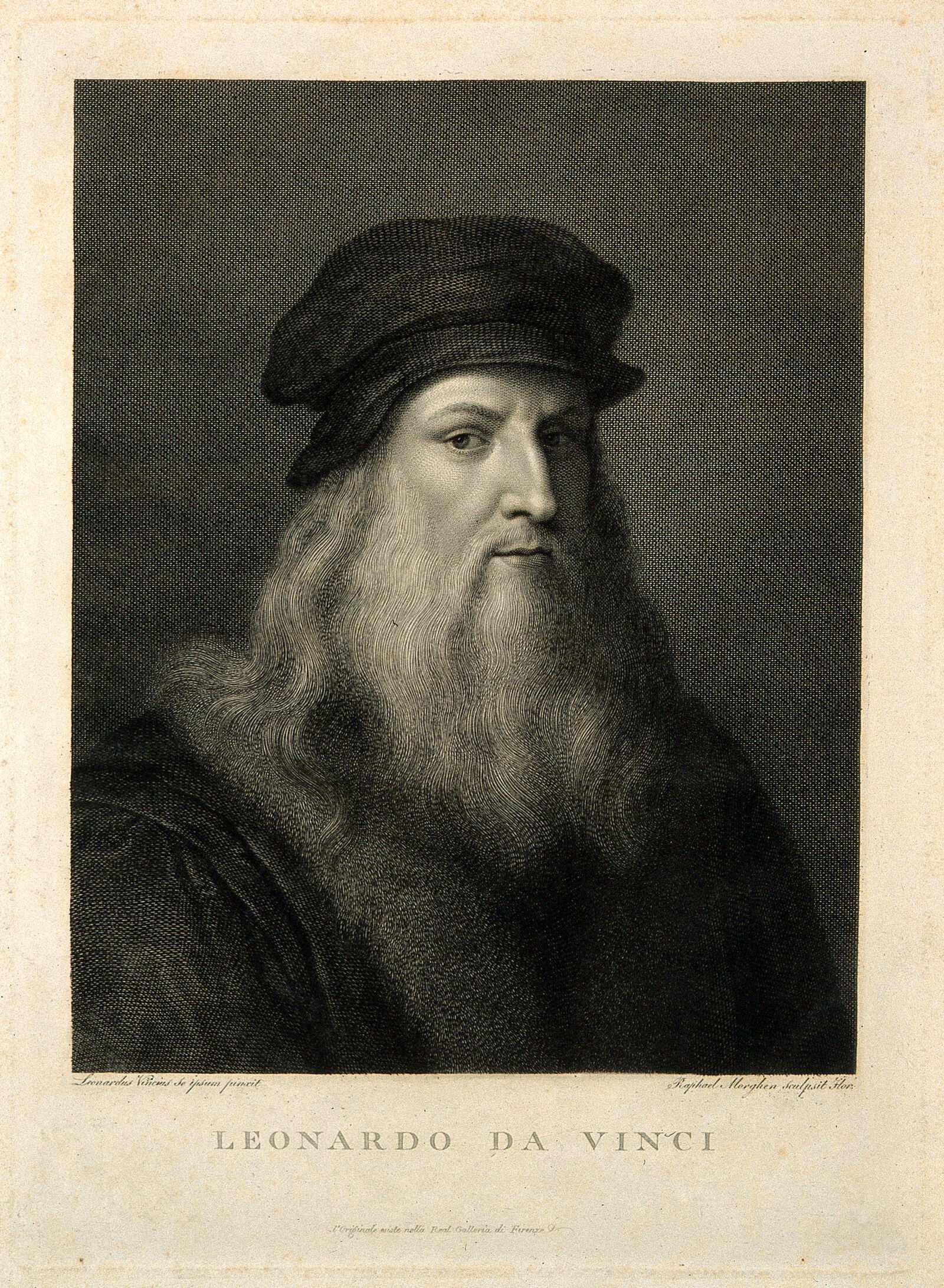
Leonardo da Vinci portrait line engraving by Raphael Morghen
R. Morghen
 Book
Primary source
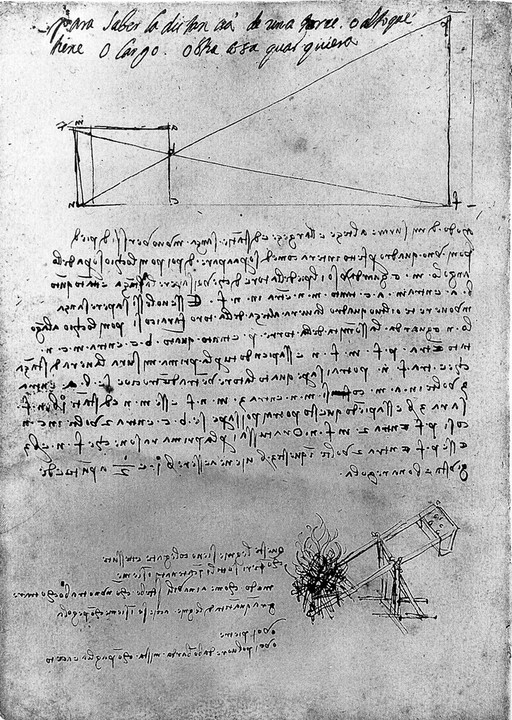
Manuscript Notebook MS B
Leonardo da Vinci
 Painting
Primary source
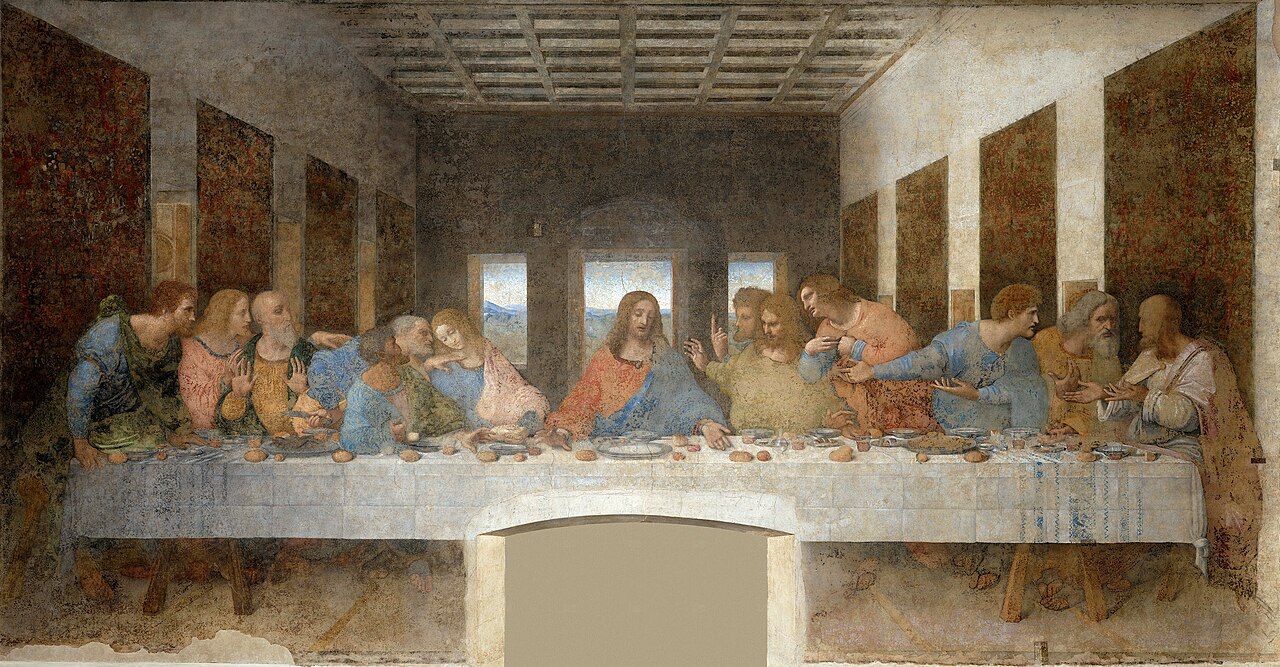
The Last Supper
Leonardo da Vinci · c. 1495-1498
 Painting
Primary source
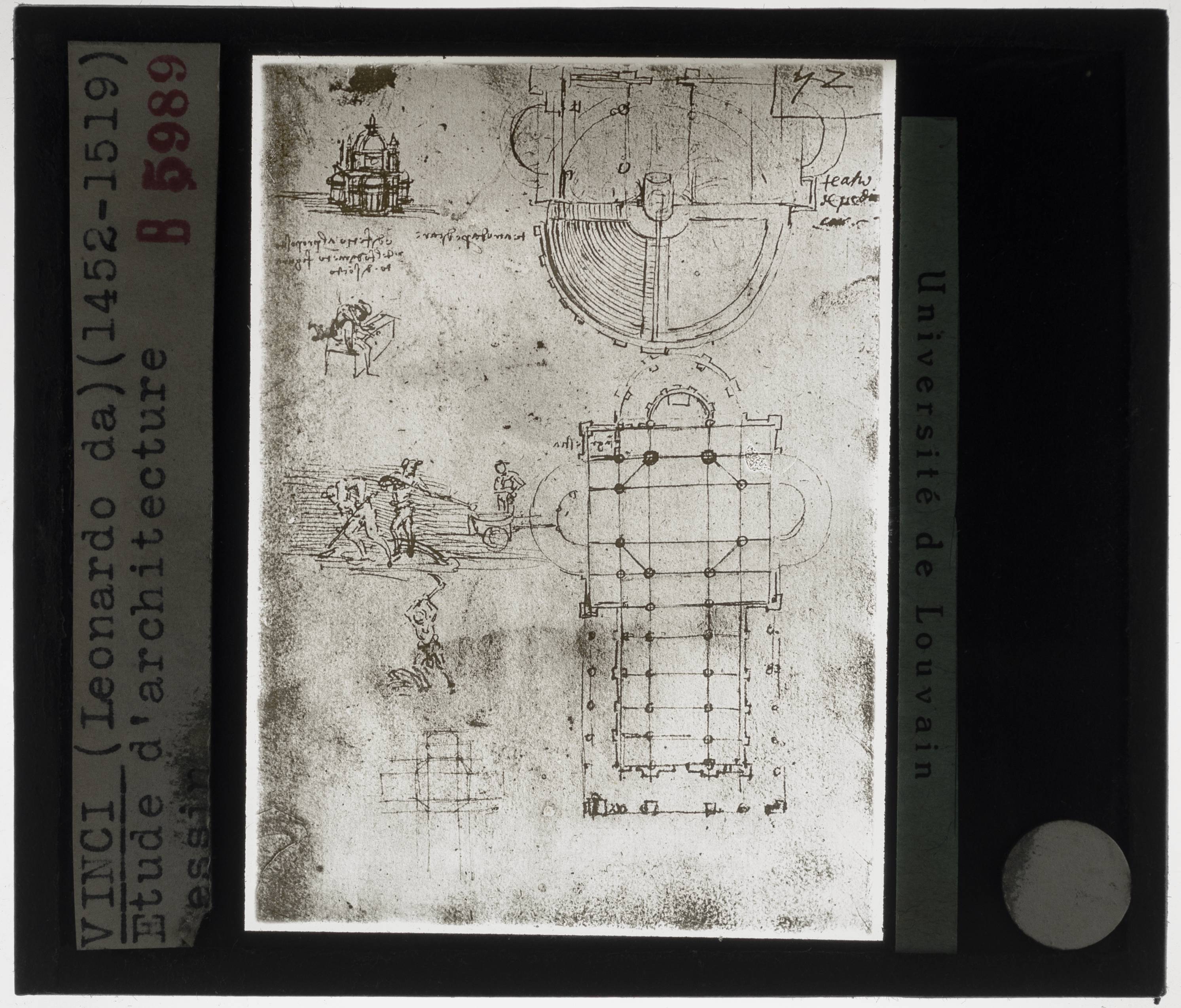
Architectural Studies
Leonardo da Vinci · c. 1500
Ready when you are
Start chatting with Leonardo da Vinci now.
20 messages free · No credit card · Available in 50+ languages.