


Primary sourcePaintingc. 1603
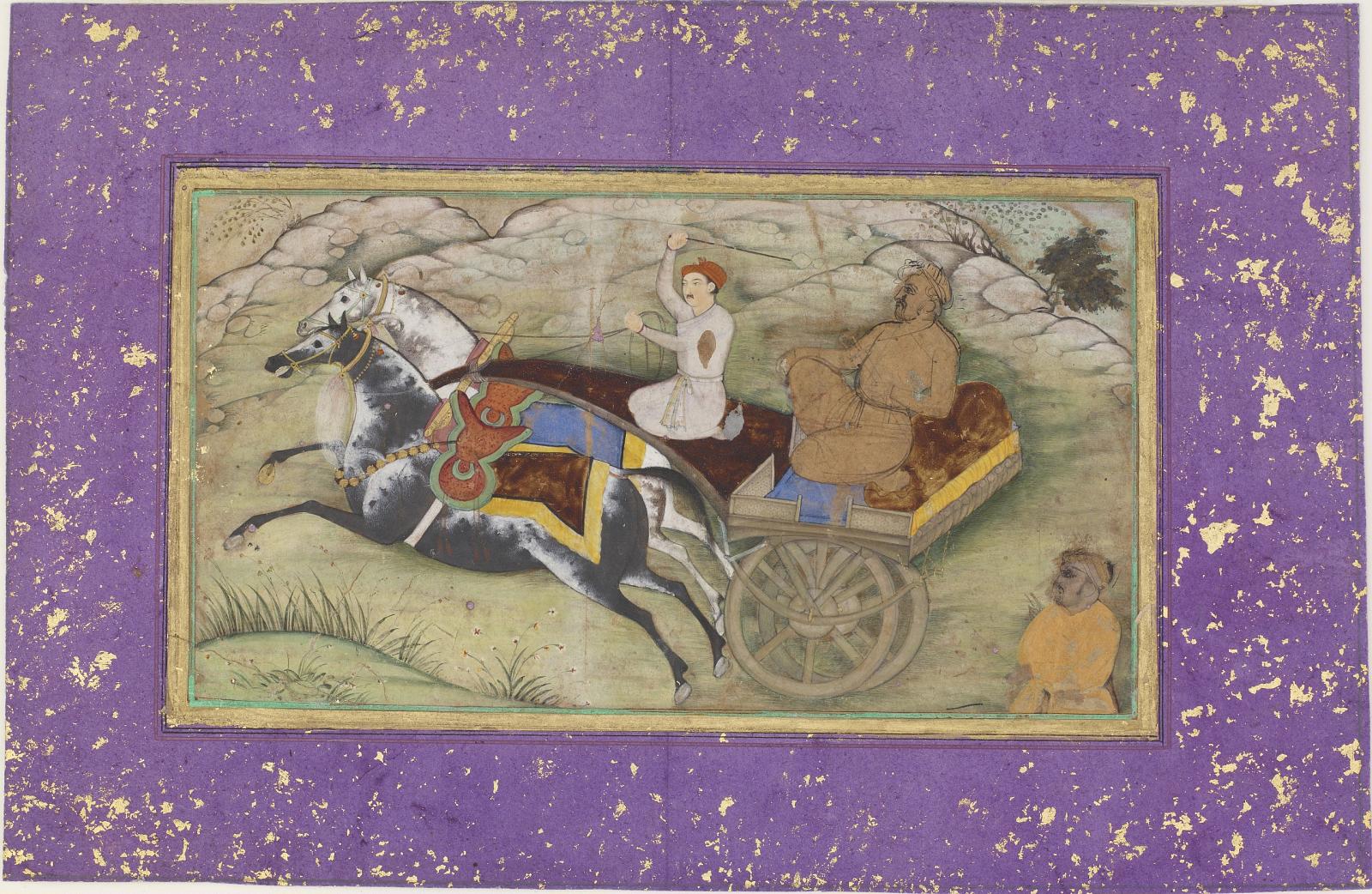
Sultan Salim in a Carriage
c. 1603
A Mughal painting from around 1603 showing Prince Salim, who later became Emperor Jahangir, riding in a horse-drawn carriage.
This painting shows Jahangir as Prince Salim, before he became emperor.
About this source
What it is
This painting, made around 1603, shows Prince Salim before he became emperor and took the name Jahangir. It is held by the National Museum of Asian Art.
Why it matters
Because it was made before his accession, this image gives a rare glimpse of the future emperor as a prince, still under his father Akbar's rule. It is a primary source from the Mughal court painting tradition.
Look closer
- What details in the painting suggest wealth and status?
- Why might an artist choose to show the prince traveling rather than at court?
- What might this image not tell us about Salim's relationship with his father at this time?
This painting is part of the curated material that grounds the AI version of Jahangir I on Humy.ai — when students ask about related events, the AI can quote it and cite it.
More Jahangir I sources
Browse all 98 →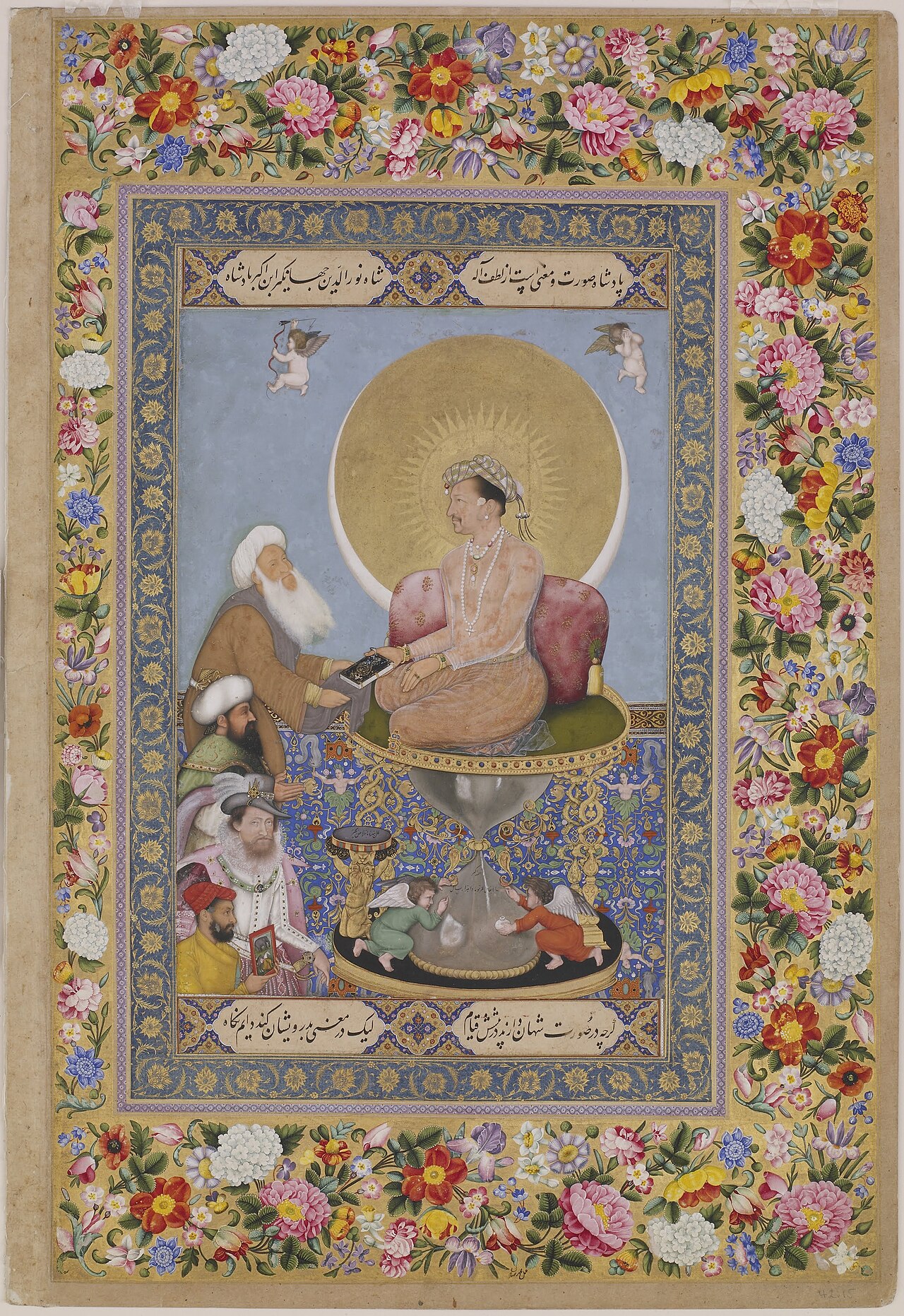 Painting
Primary source
Jahangir Preferring a Sufi Shaikh to Kings
Bichitr · c. 1615-1618
 Painting
Primary source
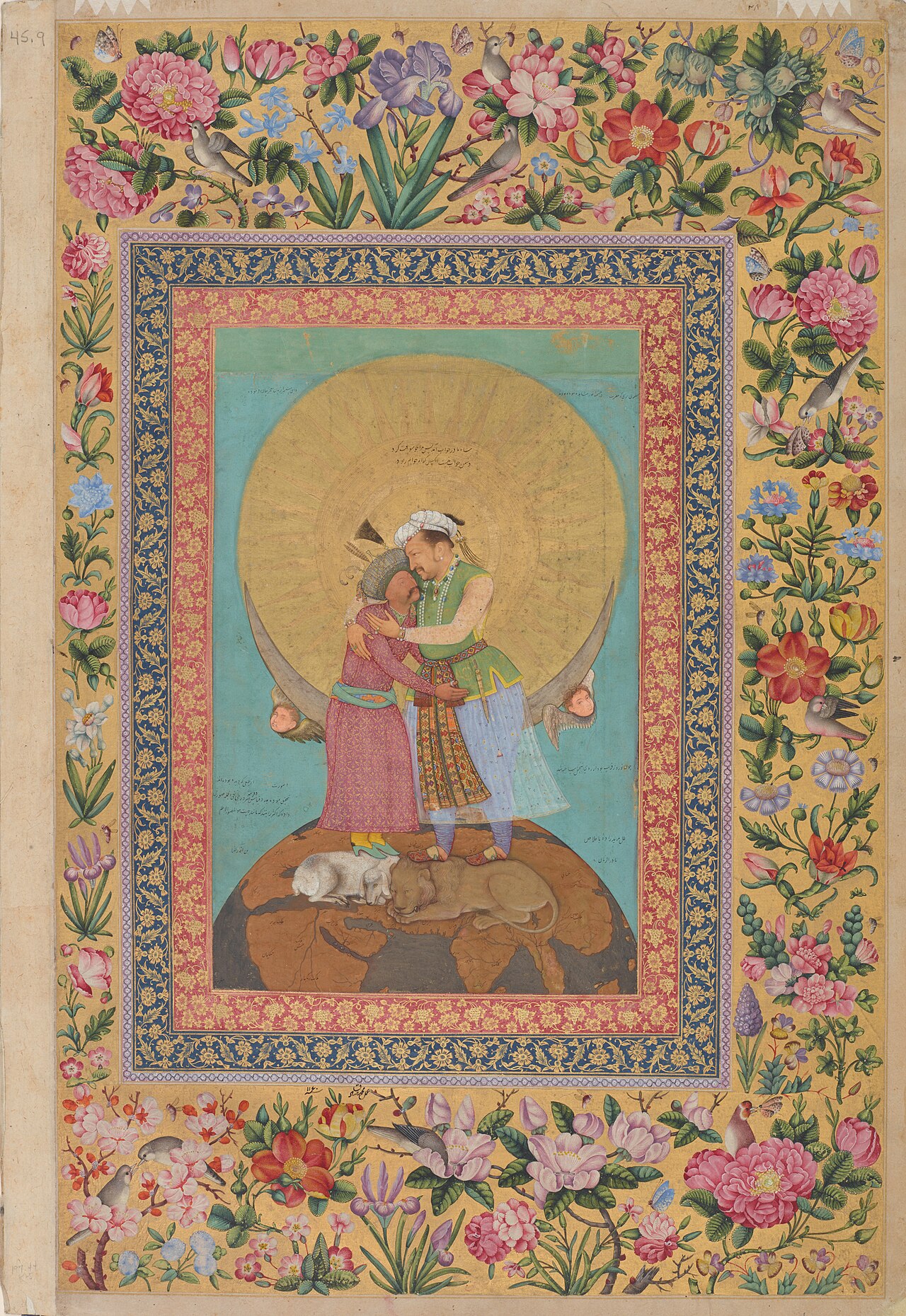
Jahangir Embracing Shah Abbas
Abu'l Hasan · c. 1618
 Painting
Primary source
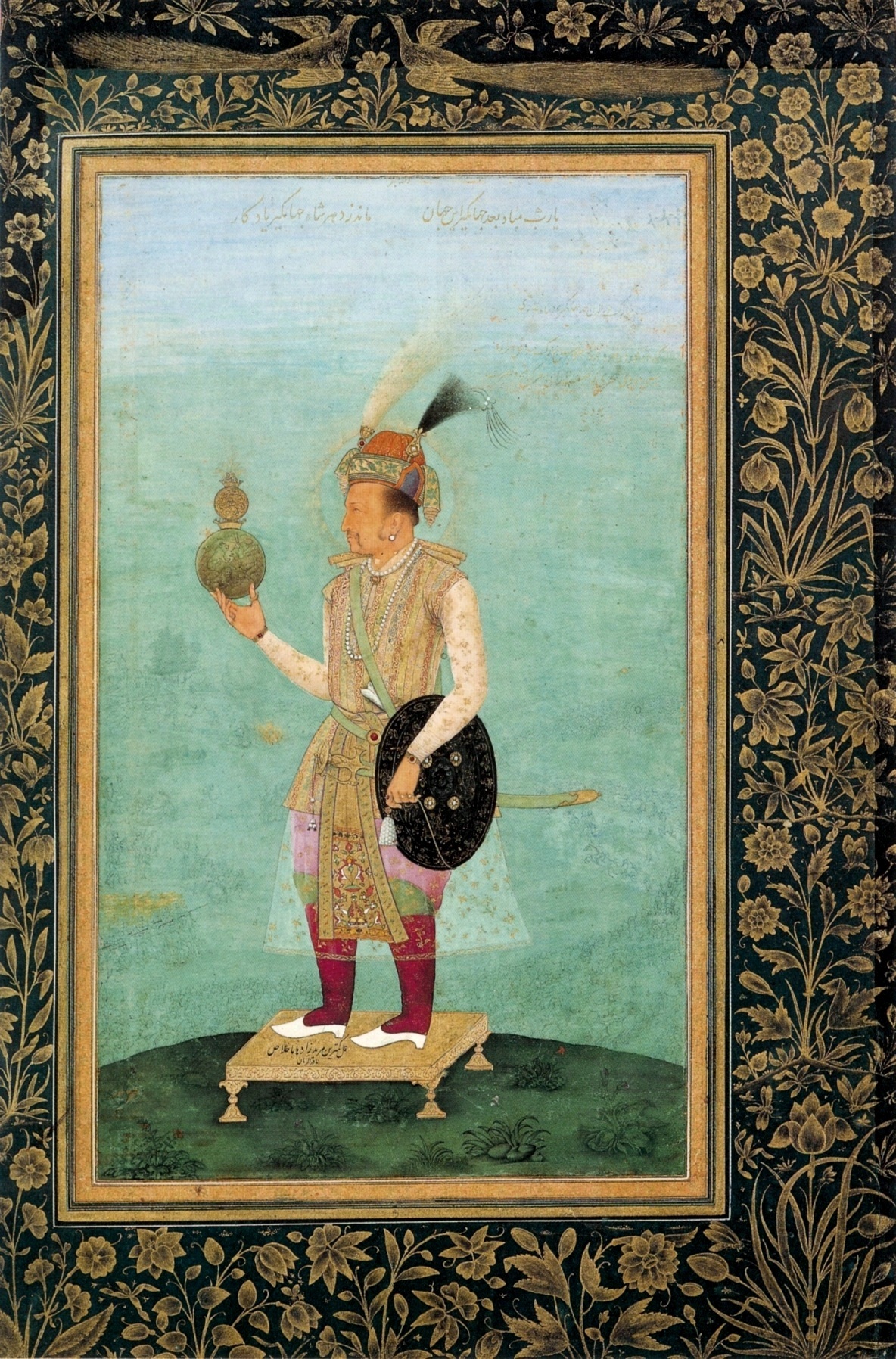
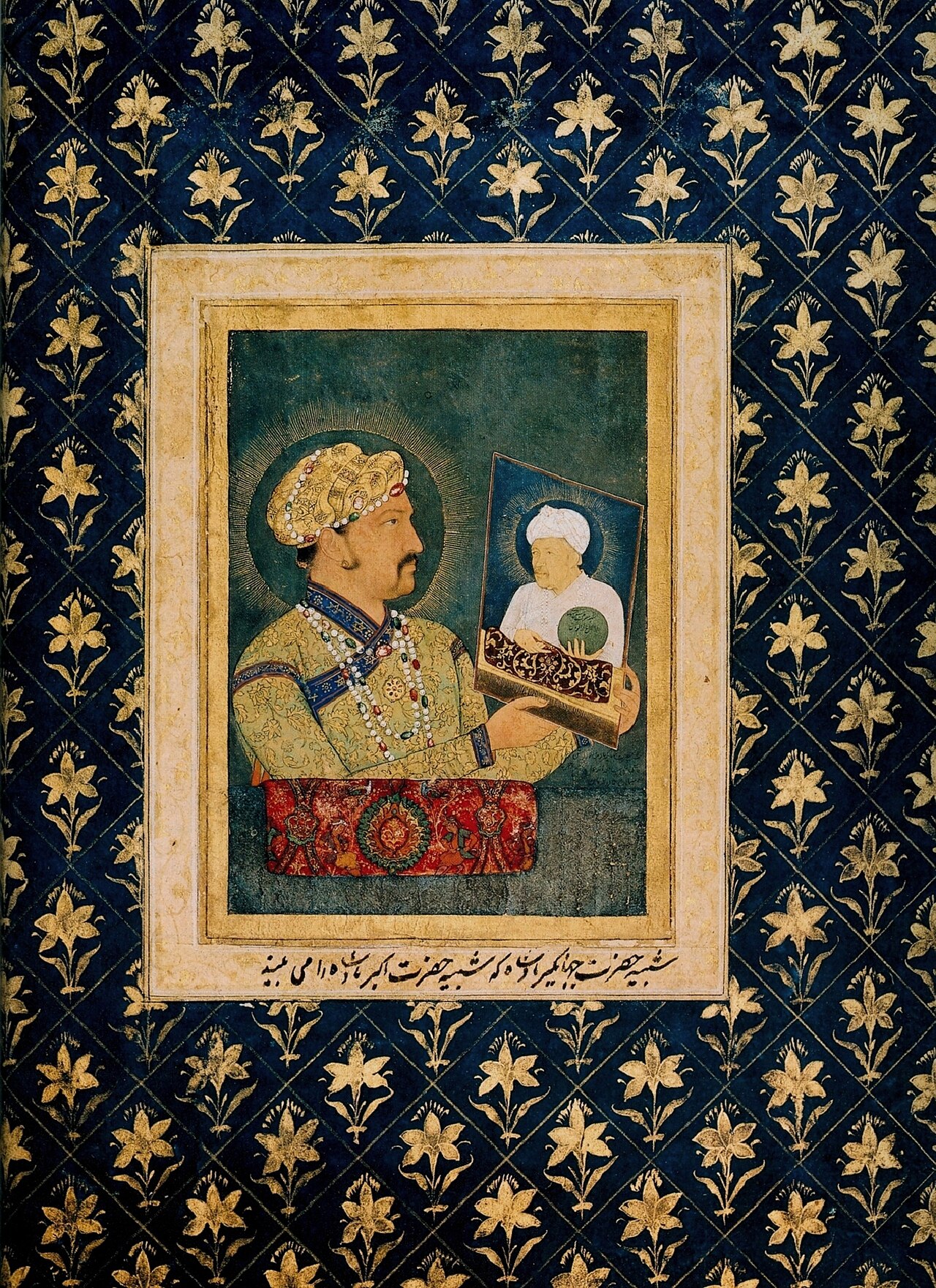
Jahangir Holding a Globe
Abu'l Hasan · c. 1620
 Painting
Primary source
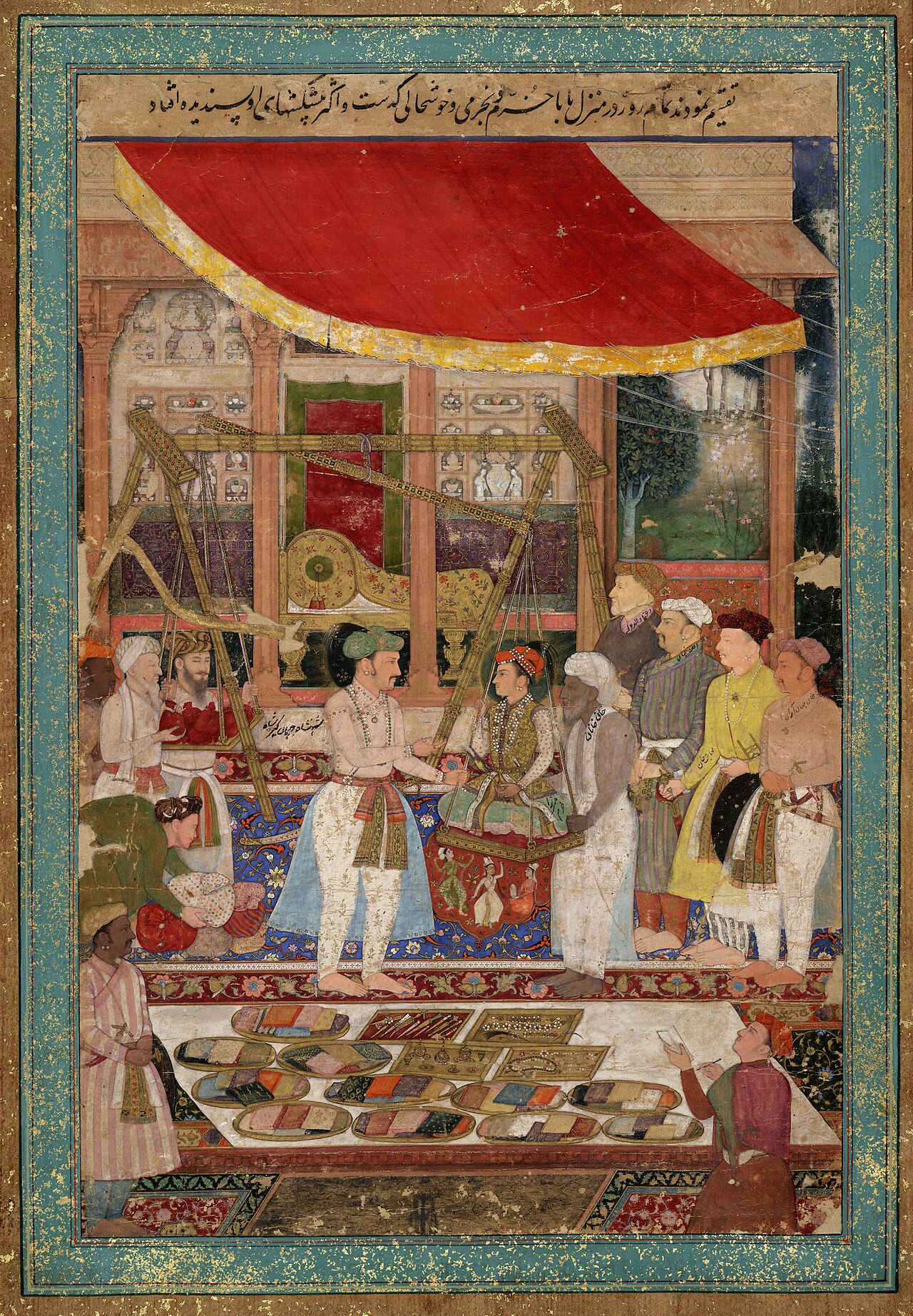
Jahangir Weighing Prince Khurram Against Gold and Silver
Manohar Das · c. 1610-1615
Free account
Read every Jahangir I source
Sign up free →
Ready when you are
Start chatting with Jahangir I now.
20 messages free · No credit card · Available in 50+ languages.