


Primary sourceArtifact1618 (1027 AH)
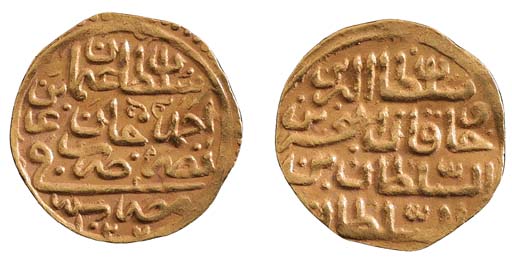
Sultani Gold Coin of Osman II
1618 (1027 AH)
A gold coin minted in Egypt in 1618 bearing the name of Osman II, issued during his reign as sultan.
This coin was minted in Osman II's name in Egypt during his reign, direct evidence of his authority.
About this source
What it is
This is a gold sultani coin, weighing about 3.42 grams, minted in Egypt in 1618 (1027 AH) during the reign of Osman II. Both sides carry Arabic calligraphic inscriptions, as was standard for Ottoman coinage.
Why it matters
Coins minted in a sultan's name were official acts of state, proclaiming his authority across the empire's territories, including distant provinces like Egypt. This coin is a genuine object from Osman II's reign, offering direct physical evidence of his rule and the reach of Ottoman authority at the time.
Look closer
- Why would minting coins in a ruler's name matter for his authority?
- What does the inscription tell us, and what might it leave out about daily life under his rule?
- How does an object like a coin differ from a painted portrait as historical evidence?
This artifact is part of the curated material that grounds the AI version of Osman II on Humy.ai — when students ask about related events, the AI can quote it and cite it.
More Osman II sources
Browse all 49 →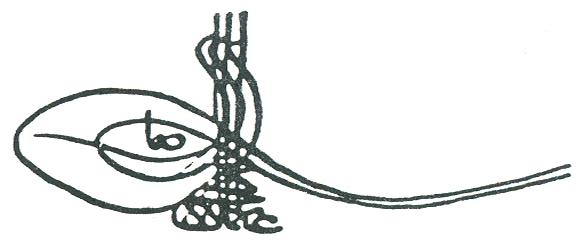 Document
Primary source
Tughra of Osman II
1618-1622
 Painting
Primary source
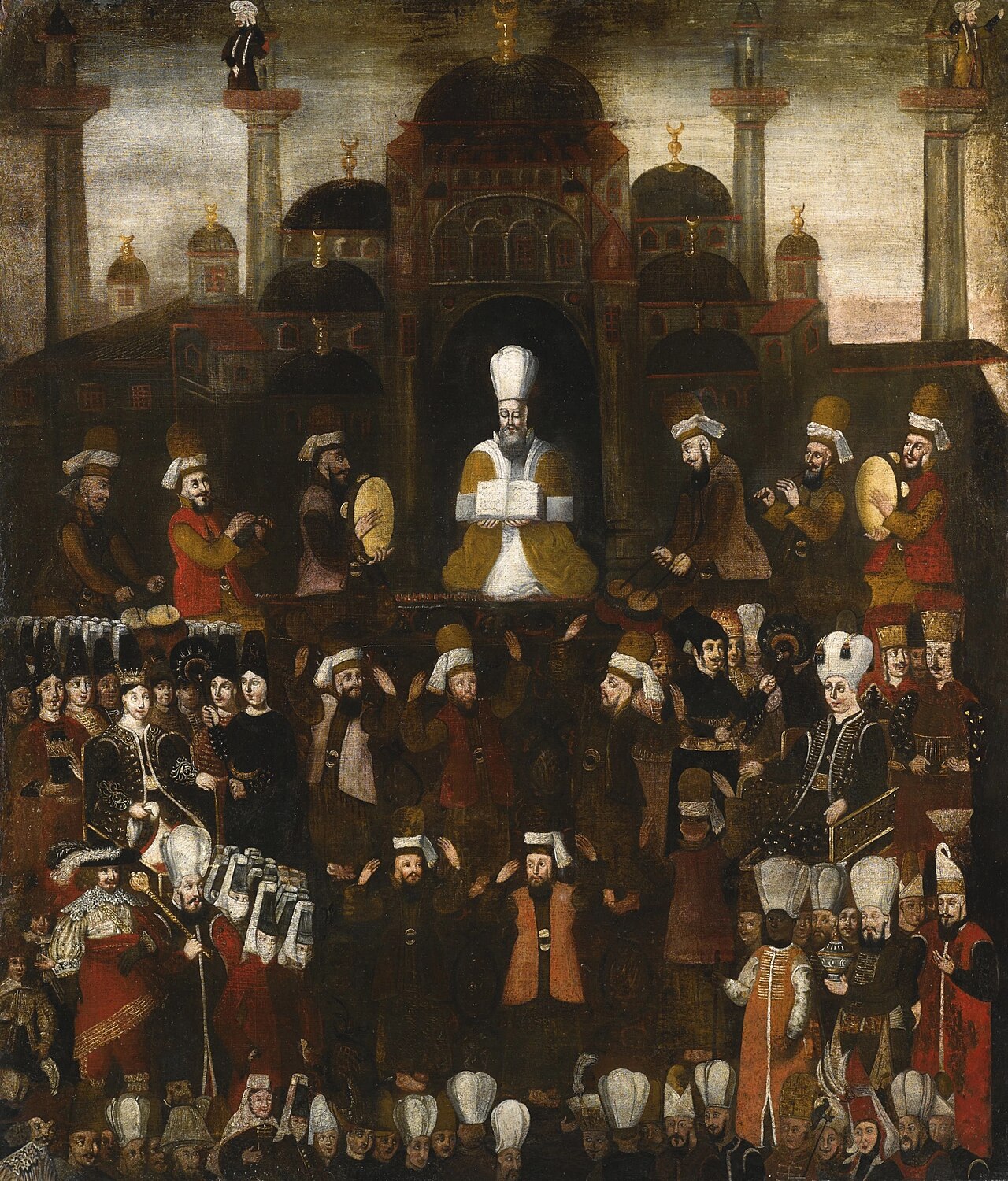
Sultan Osman II Cülus
Unknown artist · 1618
 Painting
Primary source
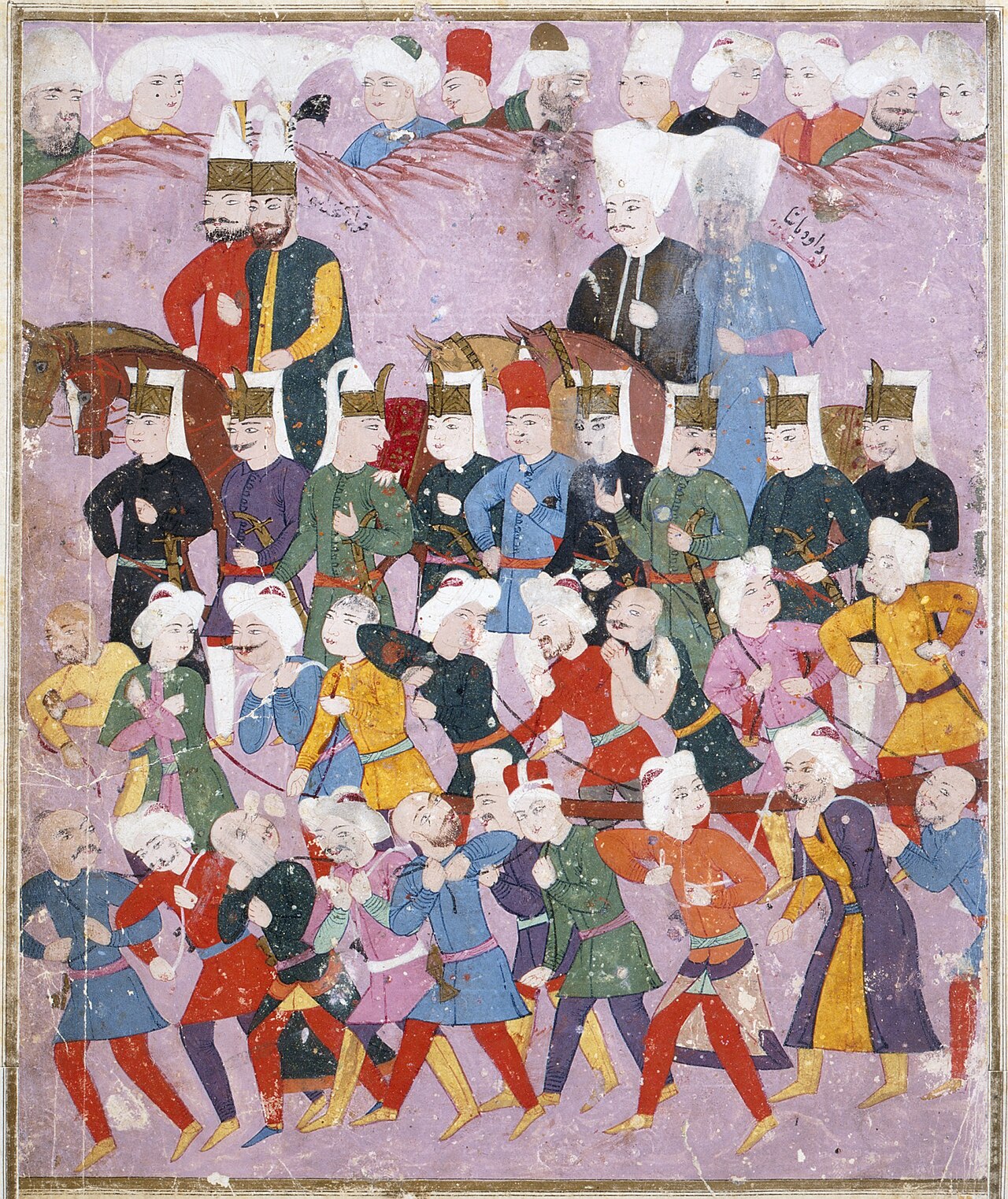
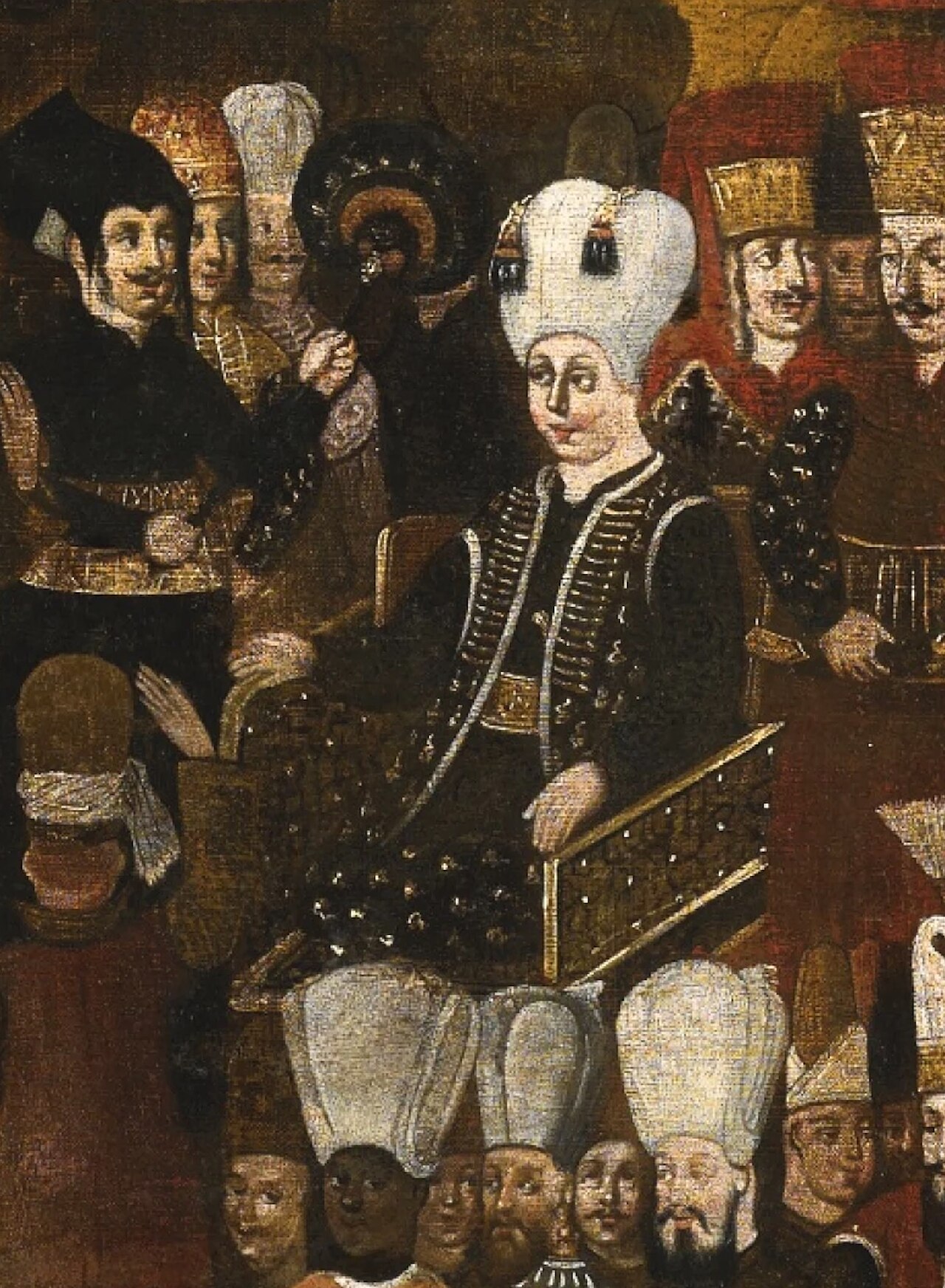
Sultan Osman II with His Vizier Davud Pasha in a Procession of Janissaries and Guards
Unknown artist · c. 1620-1622
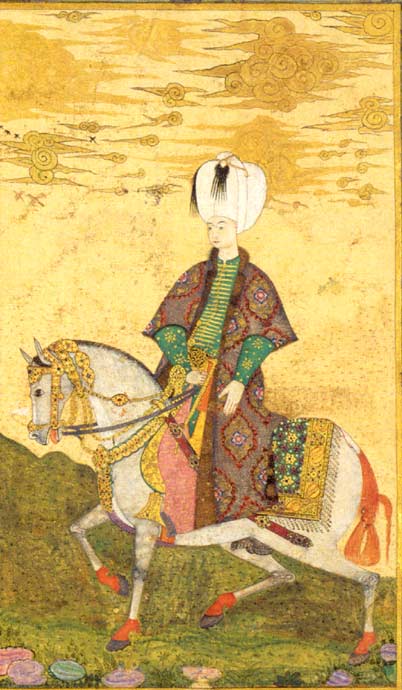 Painting
Primary source
II Osman
Ahmed Nakşi
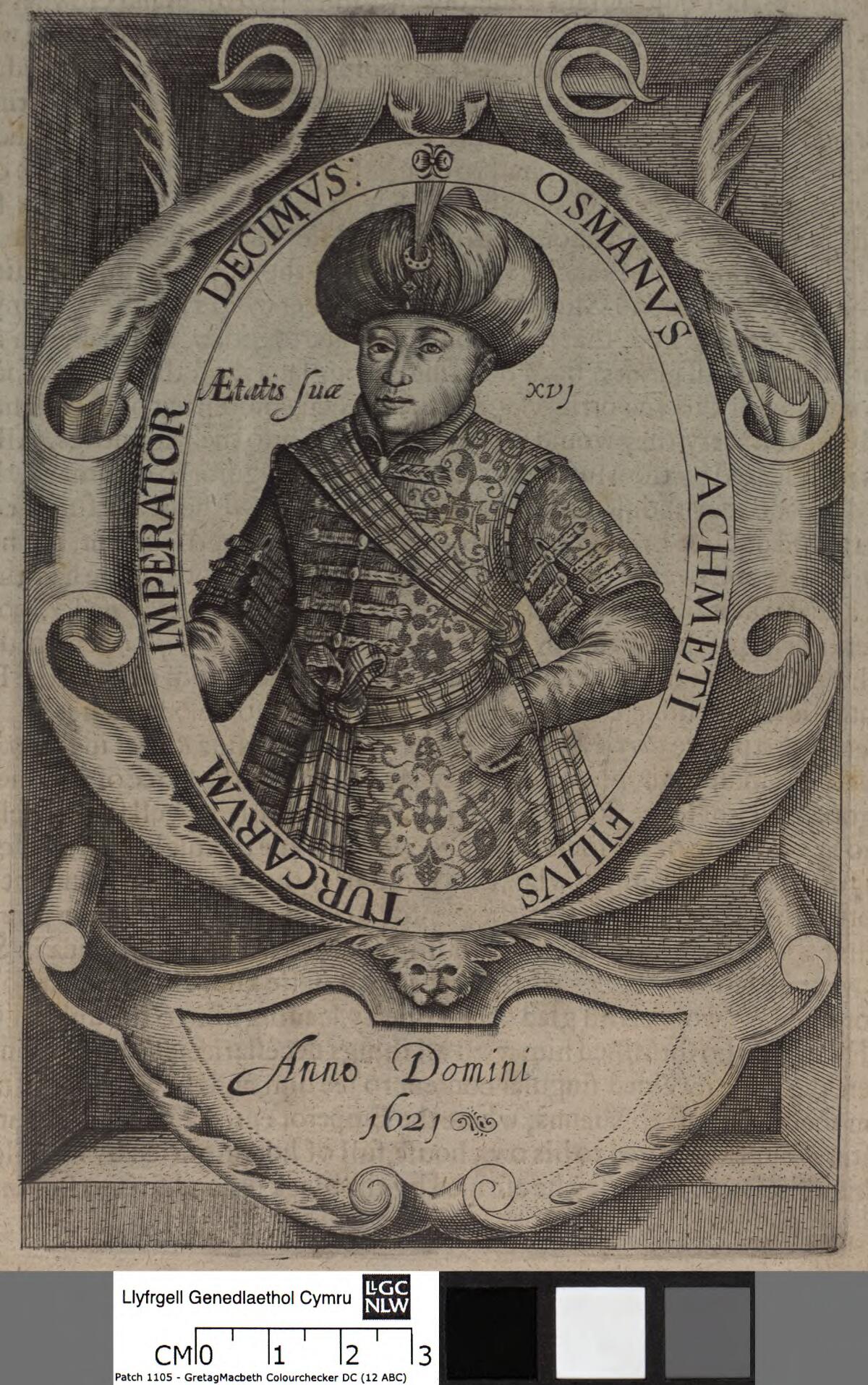
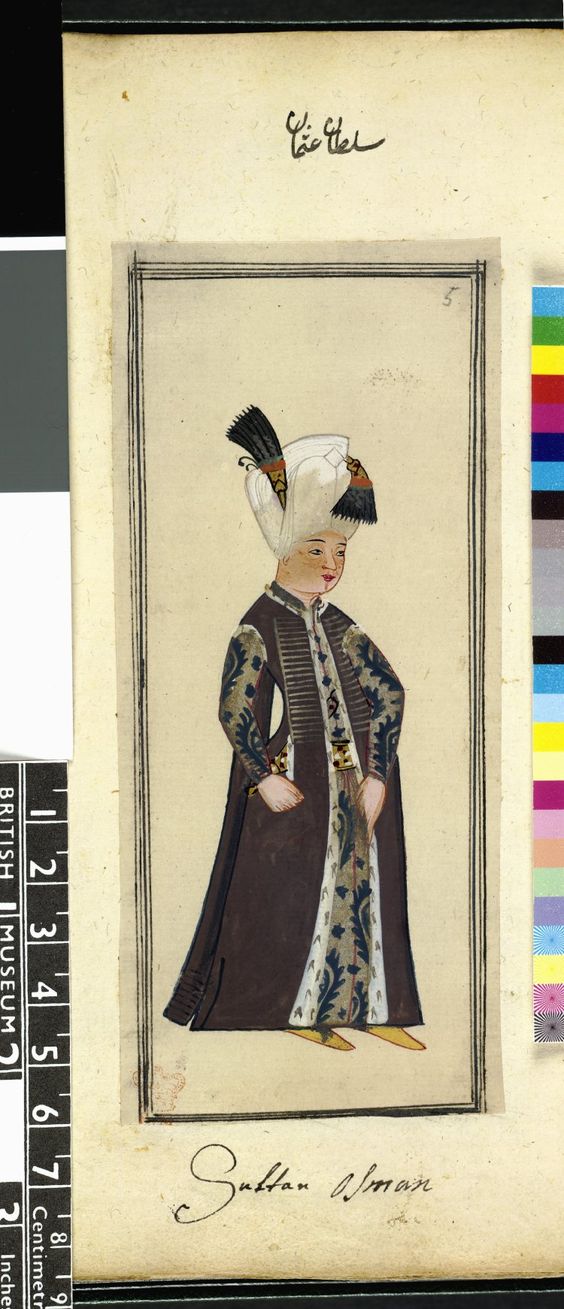
Free account
Read every Osman II source
Sign up free →
Ready when you are
Start chatting with Osman II now.
20 messages free · No credit card · Available in 50+ languages.