


Primary sourcePainting1936
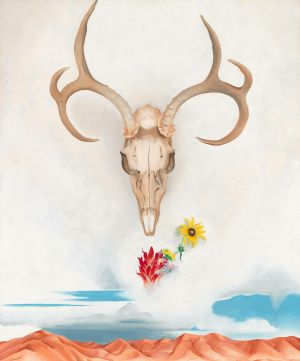
Summer Days
Georgia O'Keeffe · 1936
A 1936 oil painting by Georgia O'Keeffe showing a deer skull and wildflowers floating over New Mexico desert hills.
One of O'Keeffe's best-known works, painted by her as part of her 1930s Southwestern skull-and-landscape series.
About this source
What it is
Summer Days is an oil painting made in 1936 by Georgia O'Keeffe. It shows a buck deer skull with large antlers alongside bright wildflowers, floating above a mountainous desert landscape. It is now held by the Whitney Museum of American Art.
Why it matters
O'Keeffe painted several works combining animal skulls and desert landscapes between 1934 and 1936, inspired by the New Mexico desert where she increasingly spent her time. She never gave the skull imagery a fixed symbolic meaning, later calling this painting simply a 'picture of summertime.' The work later became closely associated with her artistic identity, appearing on the cover of a major book about her in 1976, and passing through private hands before reaching the museum.
Look closer
- Why might O'Keeffe combine a skull with living flowers in the same picture?
- What does the painting leave out that a straightforward desert photograph would show?
- How does the floating arrangement change how you read the landscape below it?
This painting is part of the curated material that grounds the AI version of Georgia O'Keeffe on Humy.ai — when students ask about related events, the AI can quote it and cite it.
More Georgia O'Keeffe sources
Browse all 99 →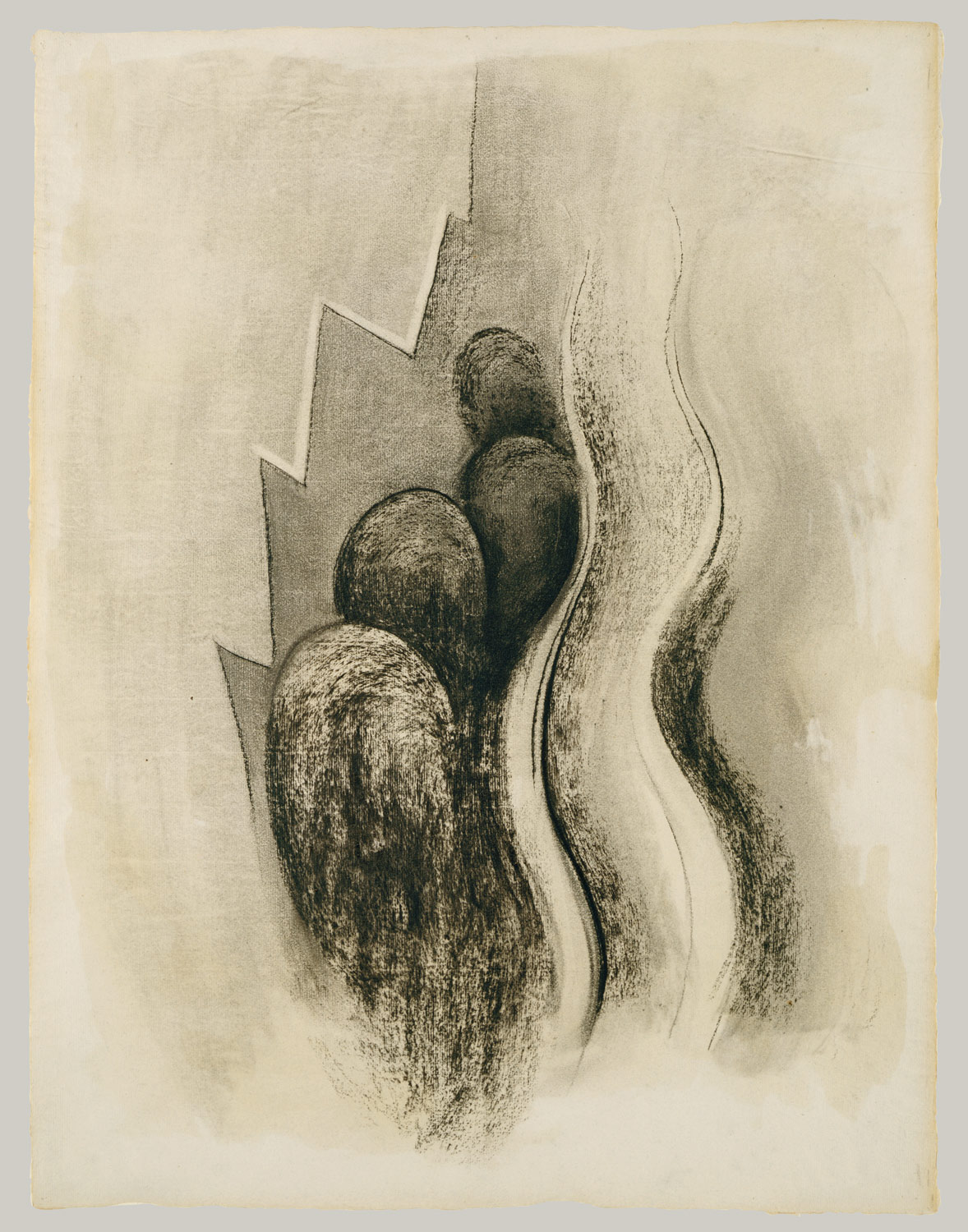 Artifact
Primary source
Drawing XIII
Georgia O'Keeffe · 1915
 Painting
Primary source
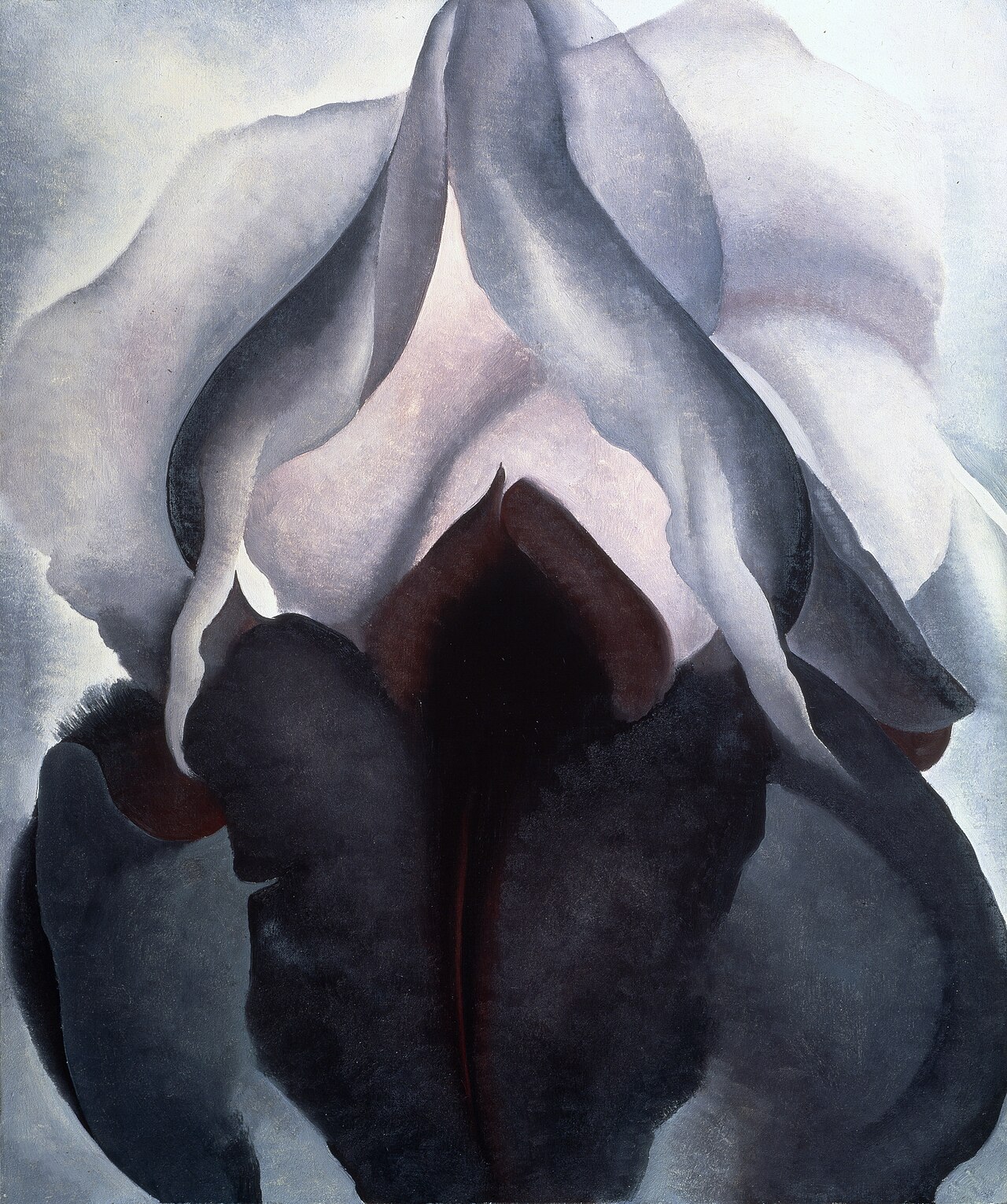
Black Iris
Georgia O'Keeffe · 1926
 Artifact
Primary source
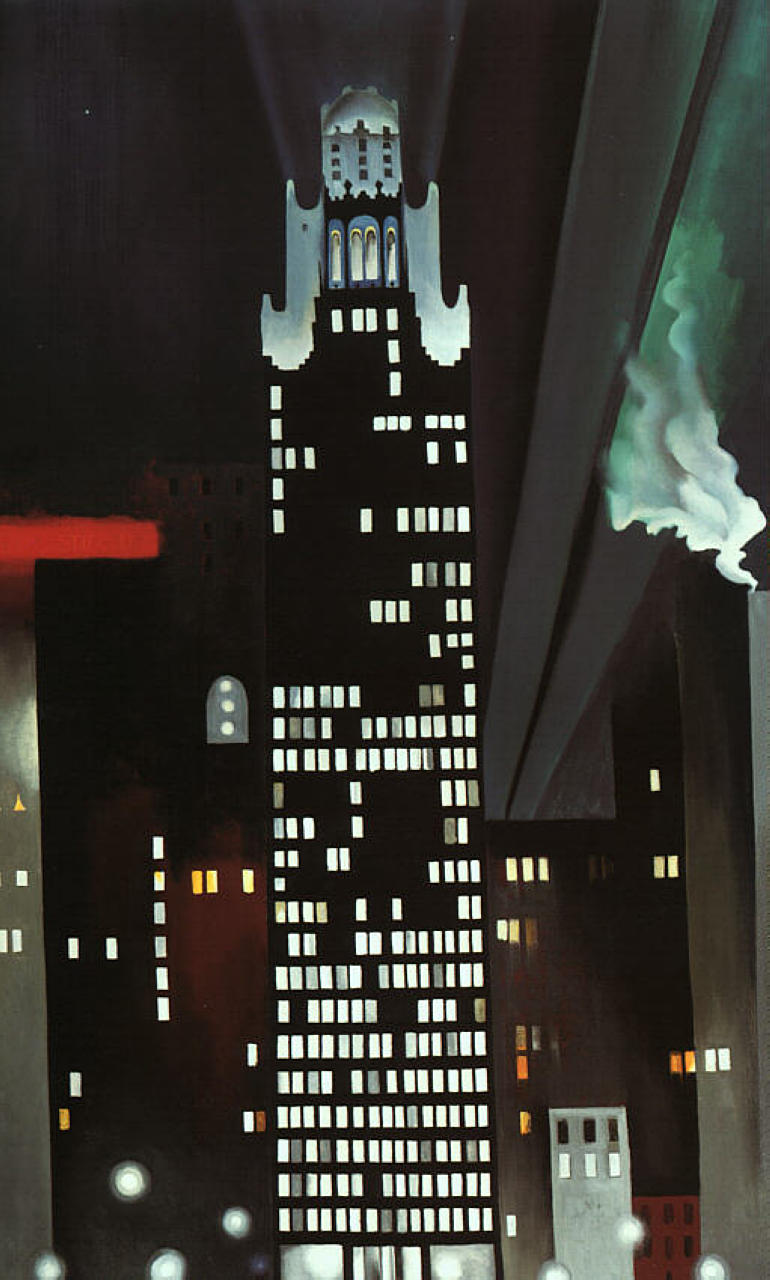
Radiator Building—Night, New York
Georgia O'Keeffe · 1927
 Photograph
Primary source
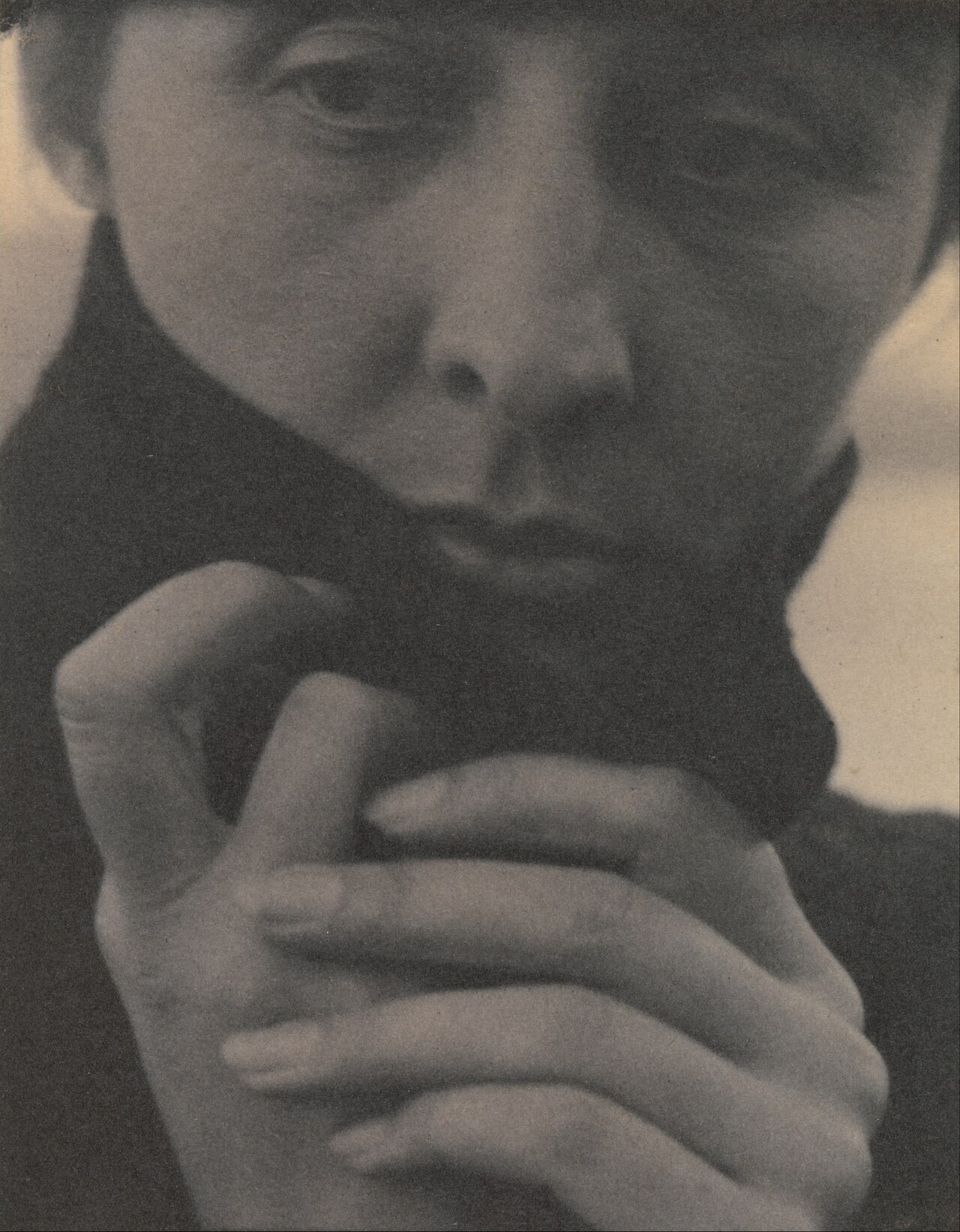
Georgia O'Keeffe (Stieglitz portrait)
Alfred Stieglitz · 1918
Free account
Read every Georgia O'Keeffe source
Sign up free →
Ready when you are
Start chatting with Georgia O'Keeffe now.
20 messages free · No credit card · Available in 50+ languages.