


Secondary sourceBook9th century CE
Sunan ibn Majah
Ibn Majah · 9th century CE
A canonical ninth-century hadith collection by Ibn Majah that preserves many reports from Aisha about the Prophet's daily and ritual life.
Aisha is one of the most-cited narrators in this collection, which preserves her reports about Muhammad's domestic and ritual life.
Free Humy account · No credit card · 120,288 sources to read
About this source
What it is
Sunan ibn Majah is one of the six major Sunni hadith collections, compiled by the scholar Ibn Majah, who died in 887 CE. It organizes thousands of hadith (reports of the Prophet Muhammad's sayings and actions) into books and chapters.
Why it matters
This collection is one of the main written sources for how early Muslims remembered Muhammad's life. Aisha is one of the most frequently cited narrators in it, and her reports describe details of household and ritual life that only someone close to Muhammad could have known. This shows her importance as a transmitter of religious knowledge after his death.
Look closer
- Why might reports from a wife be especially valuable for describing domestic and ritual matters?
- Ibn Majah compiled this collection generations after Muhammad died — what challenges does that create for checking accuracy?
- Why do you think some later scholars debated whether to include this collection among the most trusted six?
This book is part of the curated material that grounds the AI version of Aisha on Humy.ai — when students ask about related events, the AI can quote it and cite it.
More Aisha sources
Browse all 41 →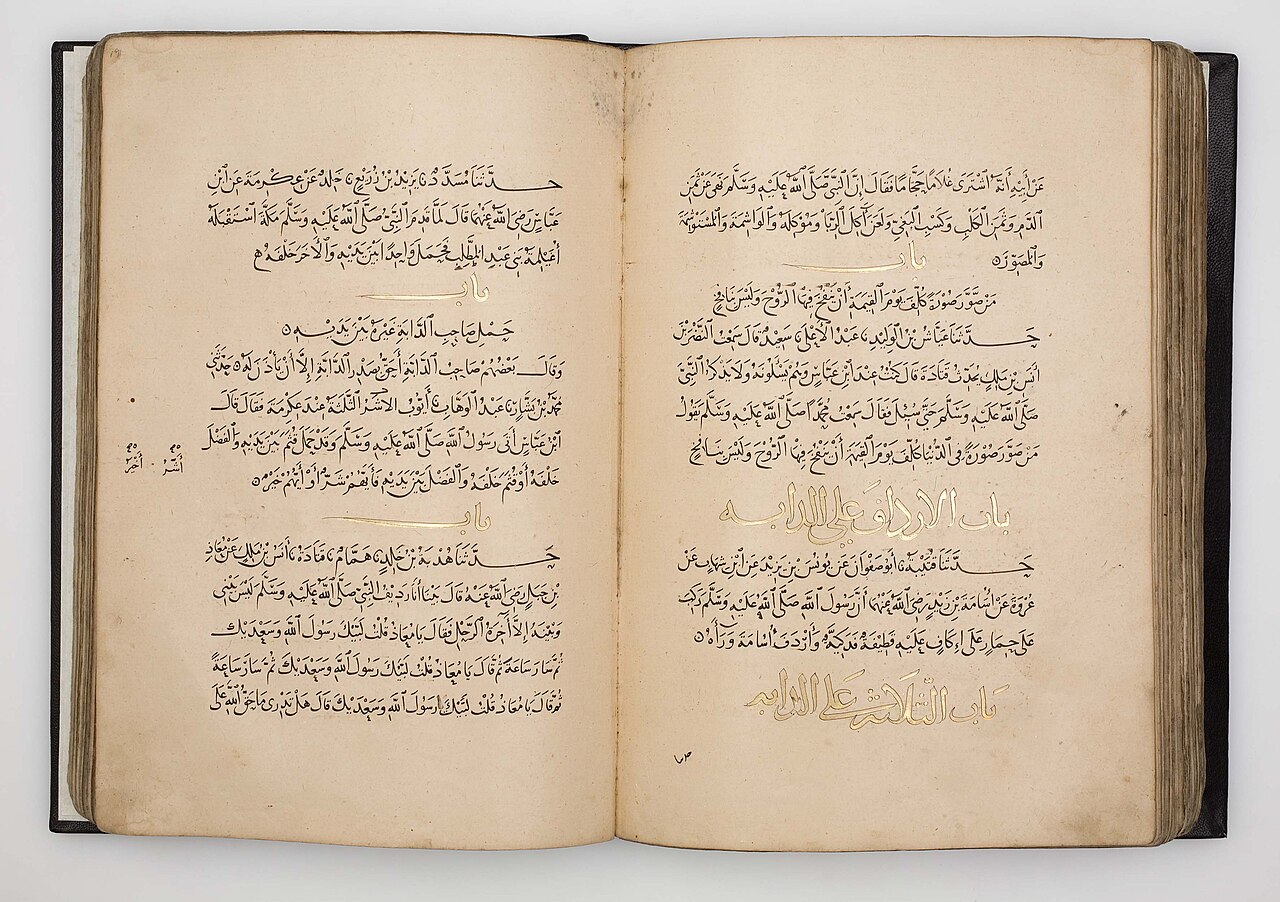 Book
Secondary source
Sahih al-Bukhari
Muhammad ibn Isma'il al-Bukhari · c. 846 CE
 Book
Secondary source
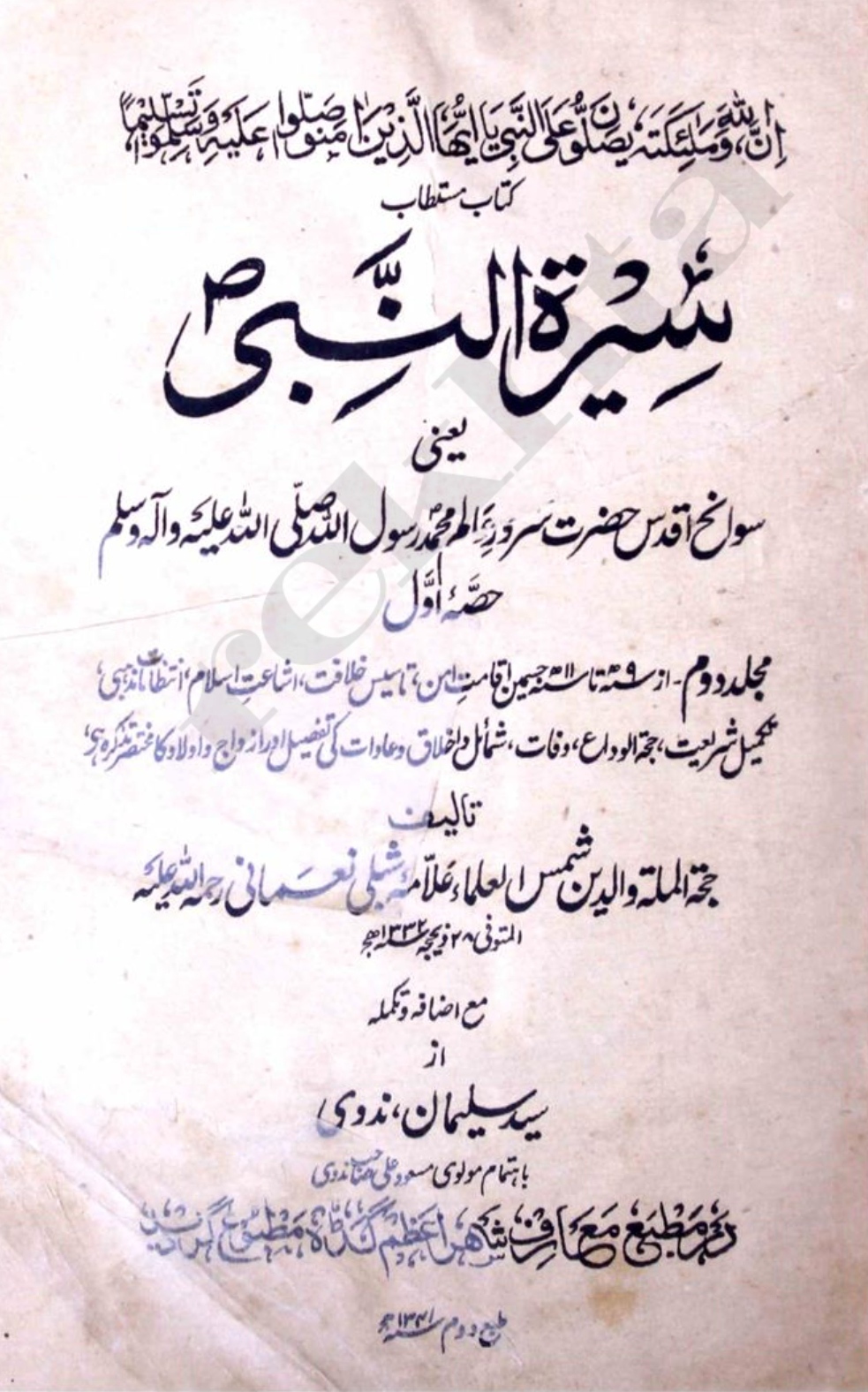
Sirat al-Nabi (Prophetic Biography)
Tradition traced to 7th century; later compiled
 Book
Secondary source
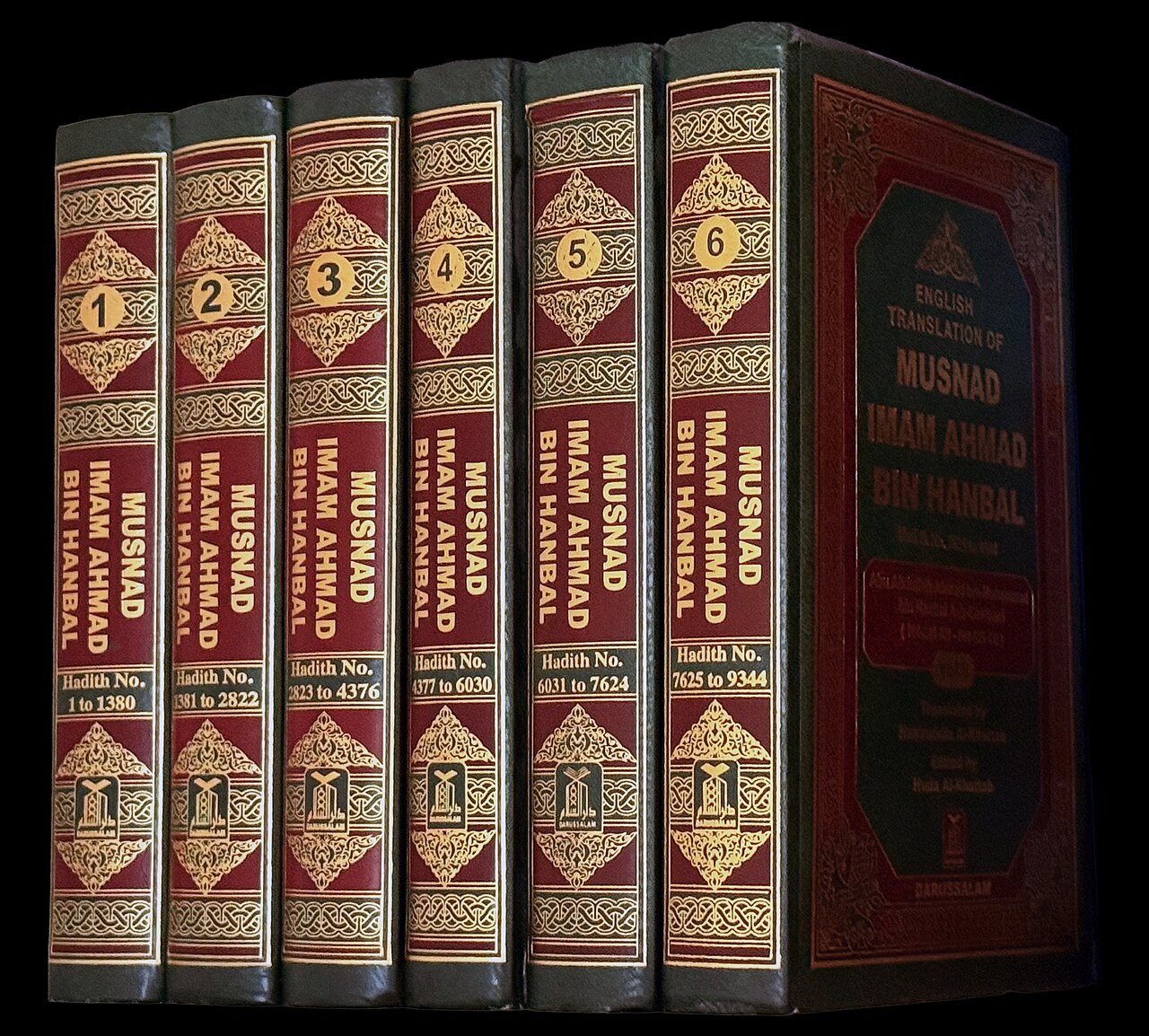
Musnad Ahmad ibn Hanbal
Ahmad ibn Hanbal · 9th century CE
 Painting
Secondary source
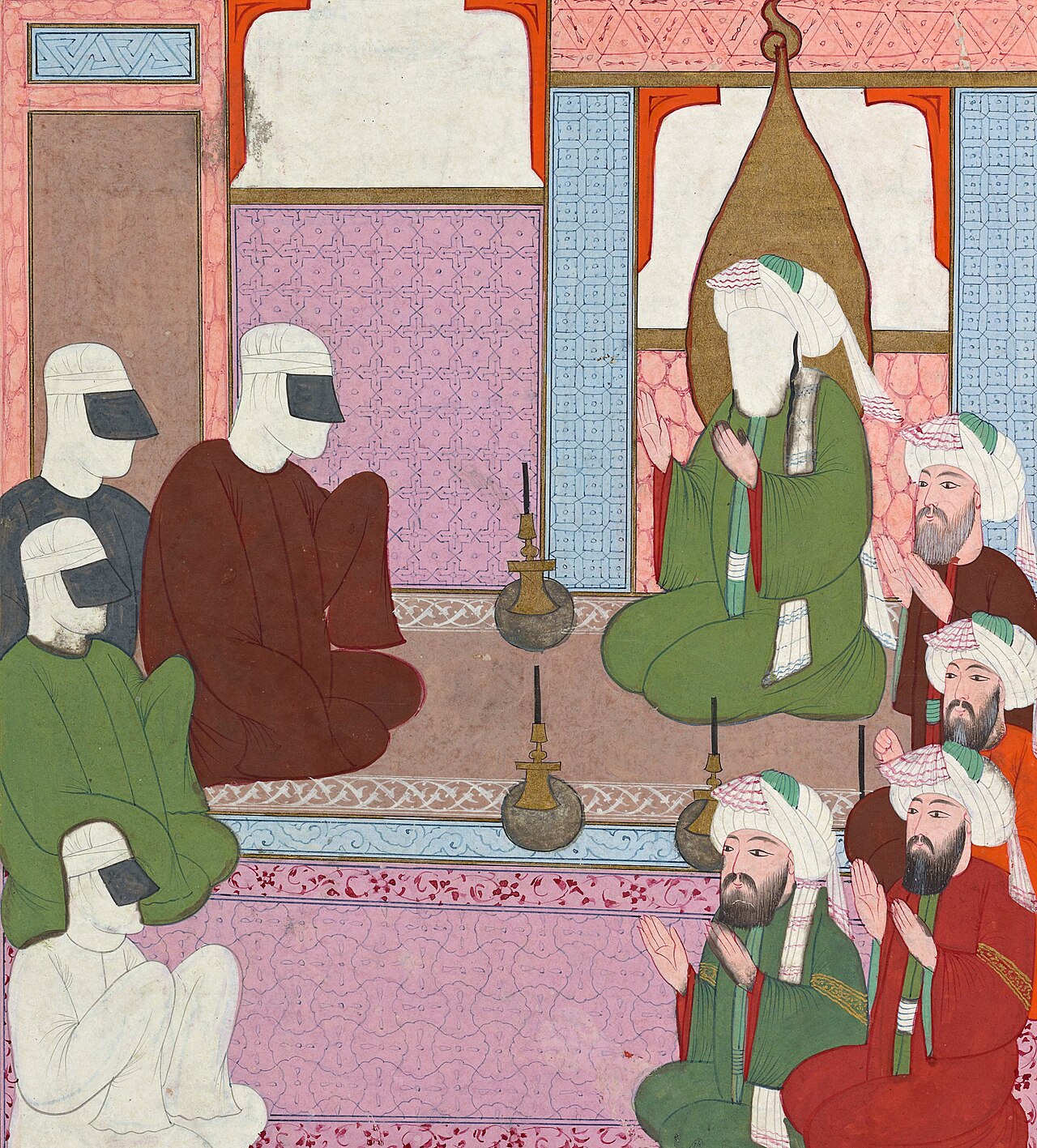
Mohammed and his Wife Aisha Freeing the Daughter of a Tribal Chief
Unknown
Free account
Read every Aisha source
Sign up free →
Ready when you are
Start chatting with Aisha now.
20 messages free · No credit card · Available in 50+ languages.