


Primary sourceBookwritten 1772, published 1796
Supplément au voyage de Bougainville
Denis Diderot · written 1772, published 1796
A philosophical dialogue by Diderot that uses a Tahitian elder's farewell speech to critique European colonialism and sexual morality.
Diderot wrote this dialogue attacking European colonialism and sexual morality, a key Enlightenment anti-colonial text.
Free Humy account · No credit card · 120,912 sources to read
About this source
What it is
This is a set of philosophical dialogues written by Denis Diderot, composed in 1772 but not published until 1796, after his death. It was inspired by the explorer Louis Antoine de Bougainville's account of his voyage to Tahiti.
The text imagines conversations, including one between a Tahitian elder and Bougainville, contrasting Tahitian and European society.
Why it matters
Diderot uses the fictional dialogue to question European assumptions about morality, property, and sexuality, making it an important Enlightenment critique of colonialism. It reveals how Diderot used travel writing and invented voices to challenge his own society's customs and laws.
Look closer
- Why might Diderot choose a fictional dialogue rather than a direct essay to make his argument?
- What does it tell us that the text was not published until after Diderot's death?
- How does giving a Tahitian character a voice serve Diderot's critique of Europe?
This book is part of the curated material that grounds the AI version of Denis Diderot on Humy.ai — when students ask about related events, the AI can quote it and cite it.
More Denis Diderot sources
Browse all 95 →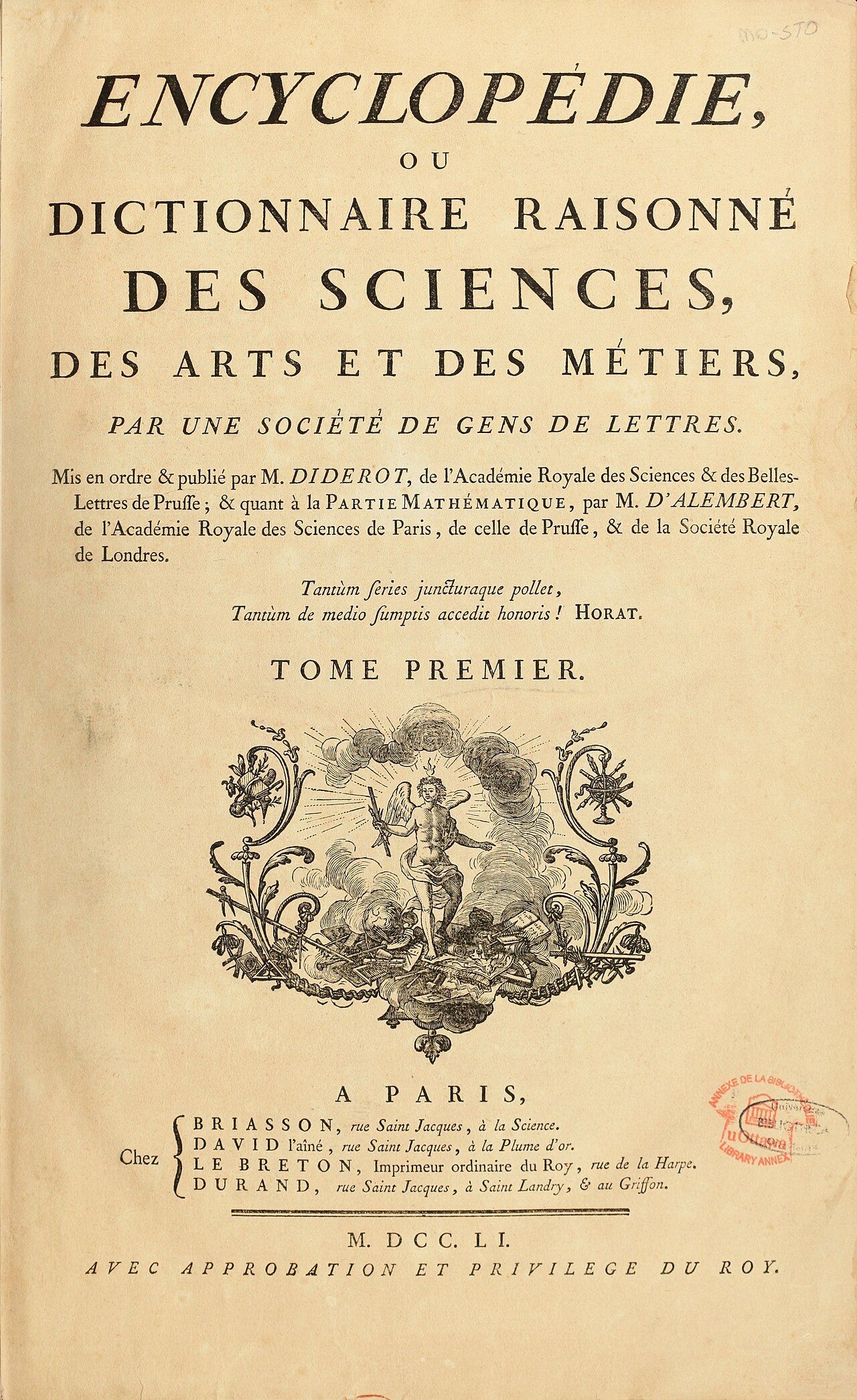 Book
Primary source
Encyclopédie
Denis Diderot · 1751
 Artifact
Primary source
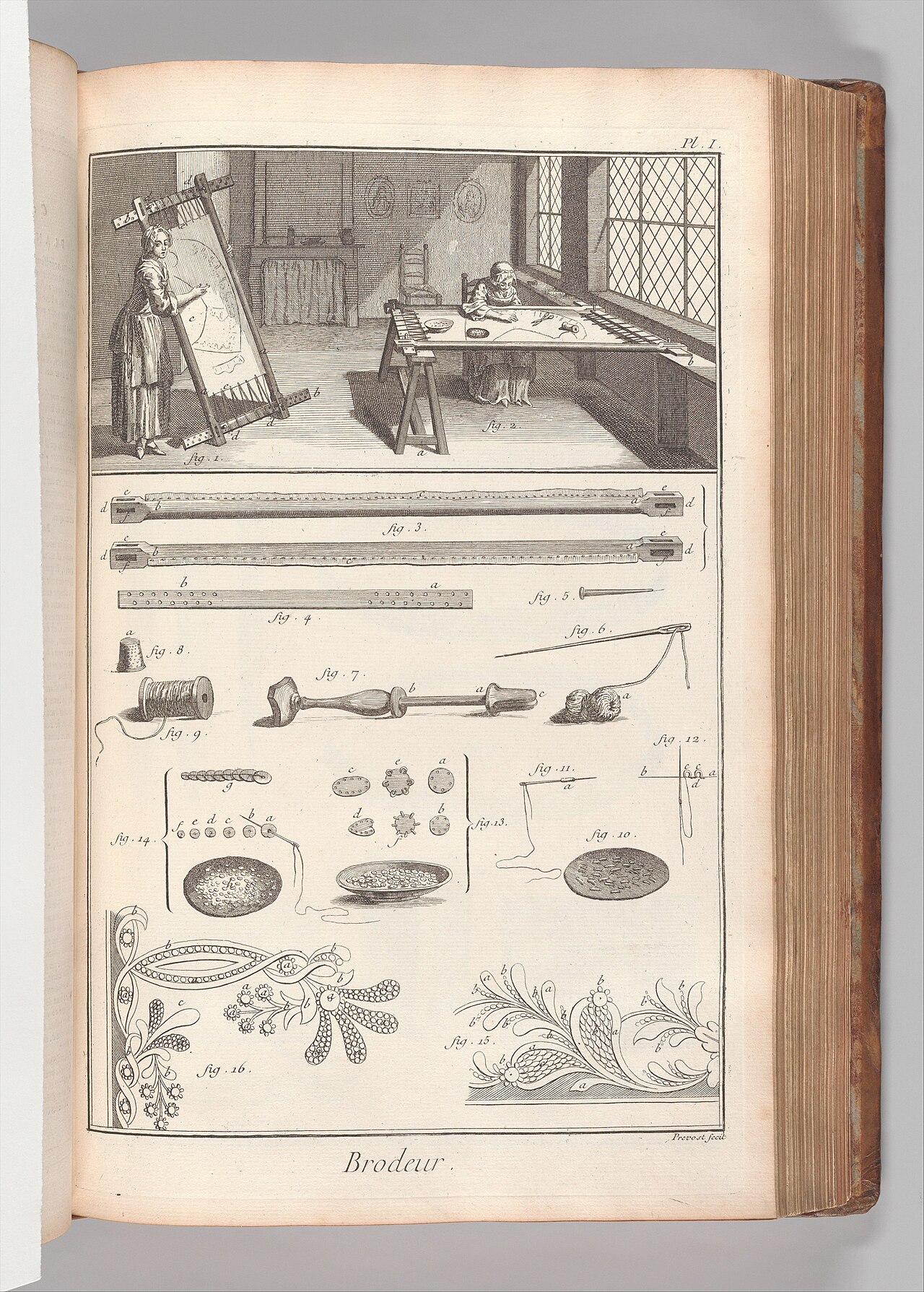
Recueil de planches, sur les sciences, les arts libéraux, et les arts méchaniques
Denis Diderot · 1767
 Painting
Primary source
Portrait of Denis Diderot
Louis-Michel van Loo · 1767
 Book
Primary source
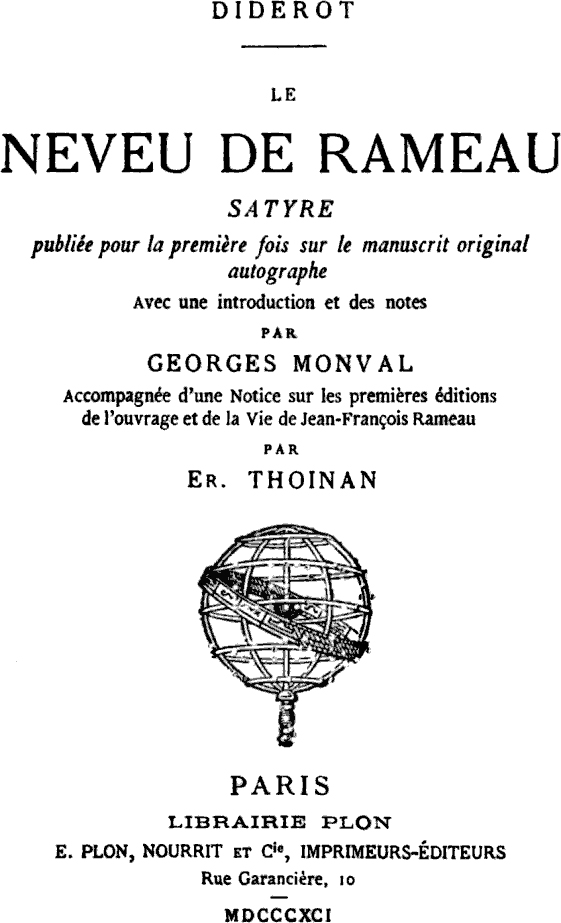
Rameau's Nephew
Denis Diderot · written c. 1761–1774, published 1805 (German), 1823 (French)
Free account
Read every Denis Diderot source
Sign up free →
Ready when you are
Start chatting with Denis Diderot now.
20 messages free · No credit card · Available in 50+ languages.