


Primary sourceBook
Sur l'évidence
Denis Diderot
An essay by Denis Diderot on evidence and knowledge, written in French. Its opening tests whether good and bad works of taste can be judged by proof, which connects it to his Enlightenment view of reason.
This essay shows Diderot working through philosophical questions about reason and proof, a central concern of his writing.
Free Humy account · No credit card · 120,288 sources to read
About this source
What it is
This is an essay by Denis Diderot titled Sur l'évidence (On Evidence), written in French. The opening passage asks who decides whether a work of taste is good, and argues that the crowd does not read, think or feel in a way that settles the question. A small group of enlightened people, it suggests, guides its judgment. The text is known here through a transcription on French Wikisource, under the heading Œuvres / Essais. No date is given in the record.
Why it matters
Diderot was one of the leading thinkers of the French Enlightenment and a central figure in the Encyclopédie. In this essay he tests evidence, the kind of proof that reason can show, against questions of taste, which are harder to demonstrate. Readers can see how he and his circle thought about reason, feeling and the authority of educated people in their time.
Look closer
- Which kind of judgment does Diderot set against proof, and why does he think it is hard to demonstrate?
- Who does he say decides what counts as a good work, and why does he doubt that the crowd does?
- What might this opening leave out, since it is only the start of a longer essay?
This book is part of the curated material that grounds the AI version of Denis Diderot on Humy.ai — when students ask about related events, the AI can quote it and cite it.
More Denis Diderot sources
Browse all 95 →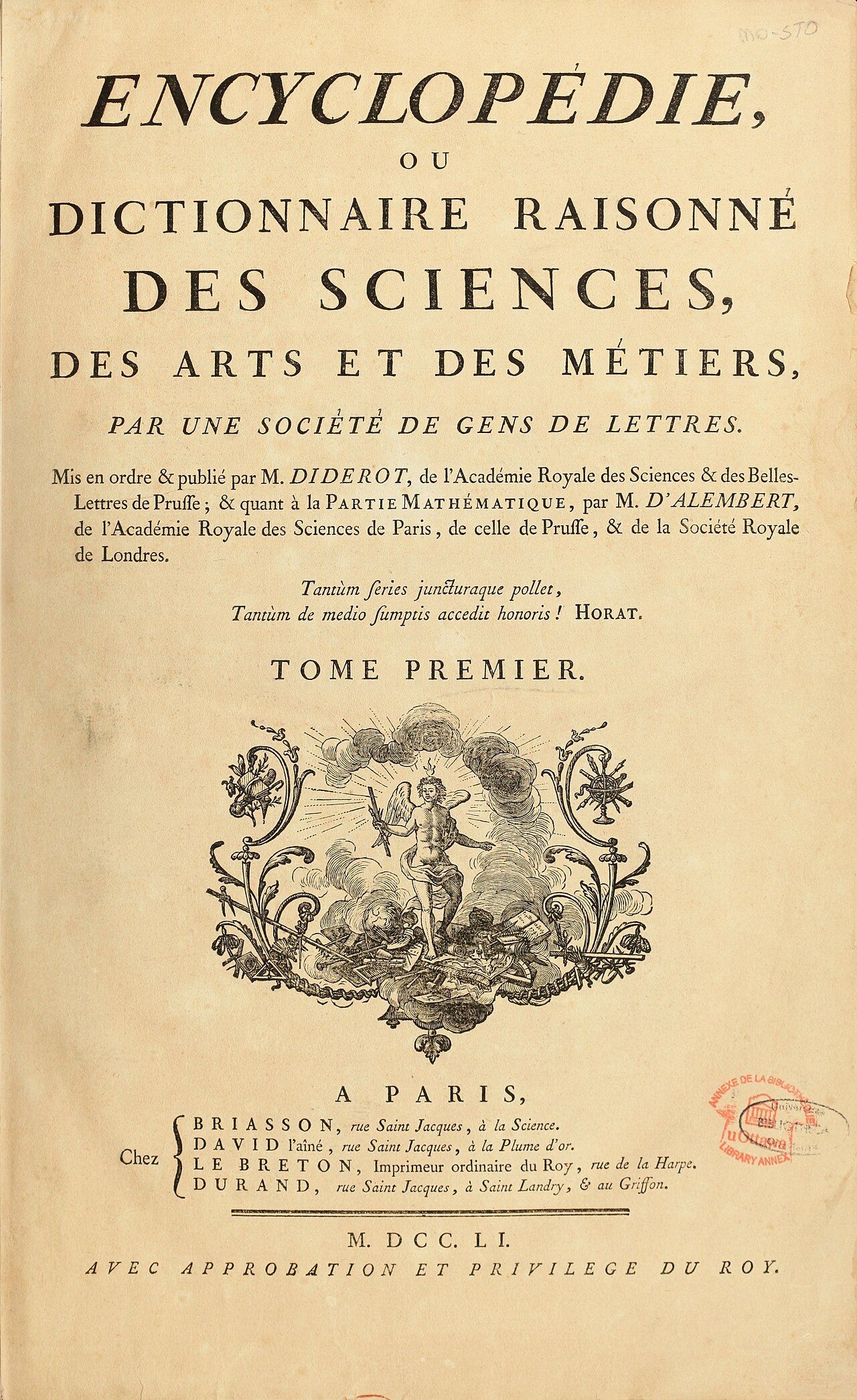 Book
Primary source
Encyclopédie
Denis Diderot · 1751
 Artifact
Primary source
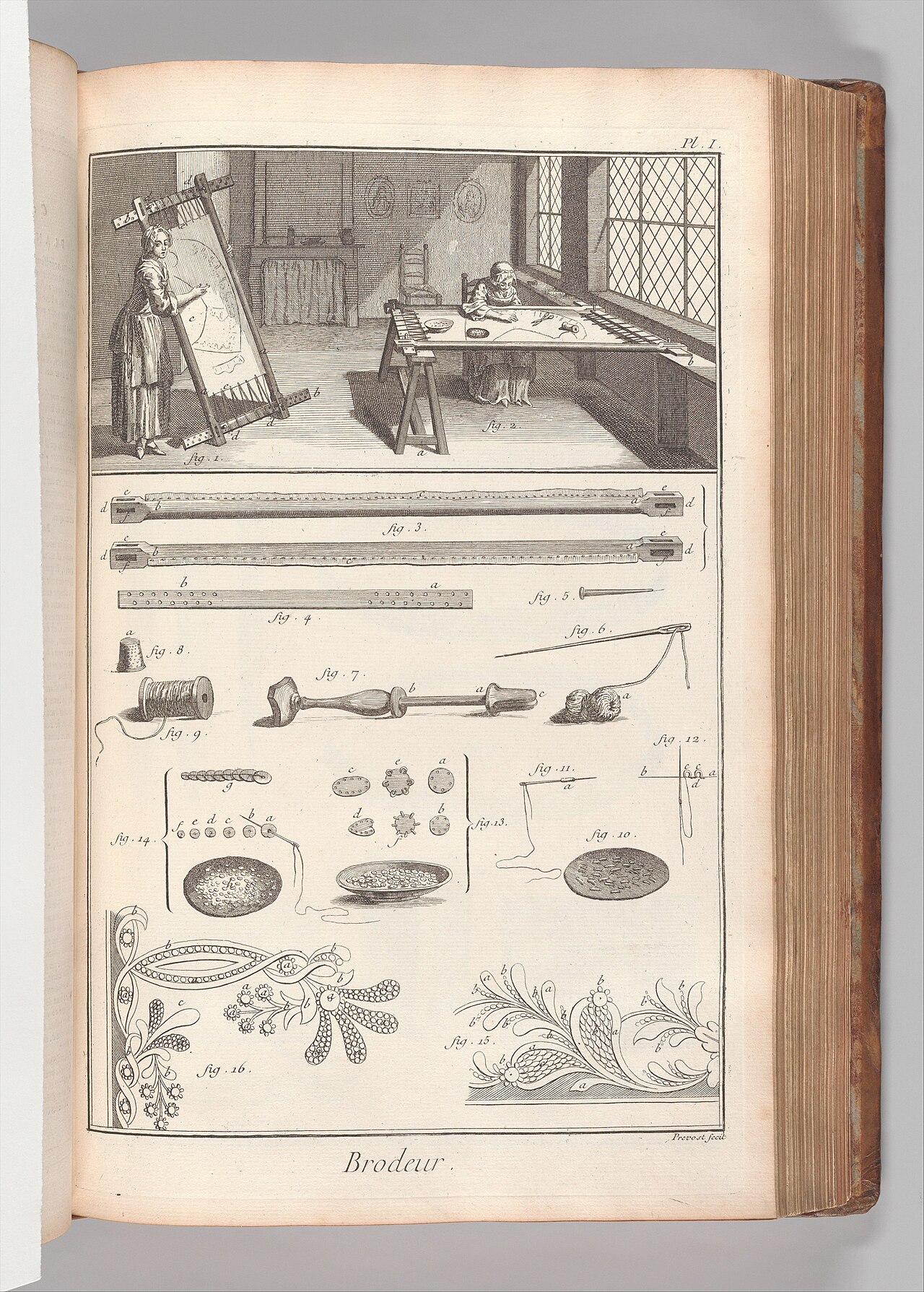
Recueil de planches, sur les sciences, les arts libéraux, et les arts méchaniques
Denis Diderot · 1767
 Painting
Primary source
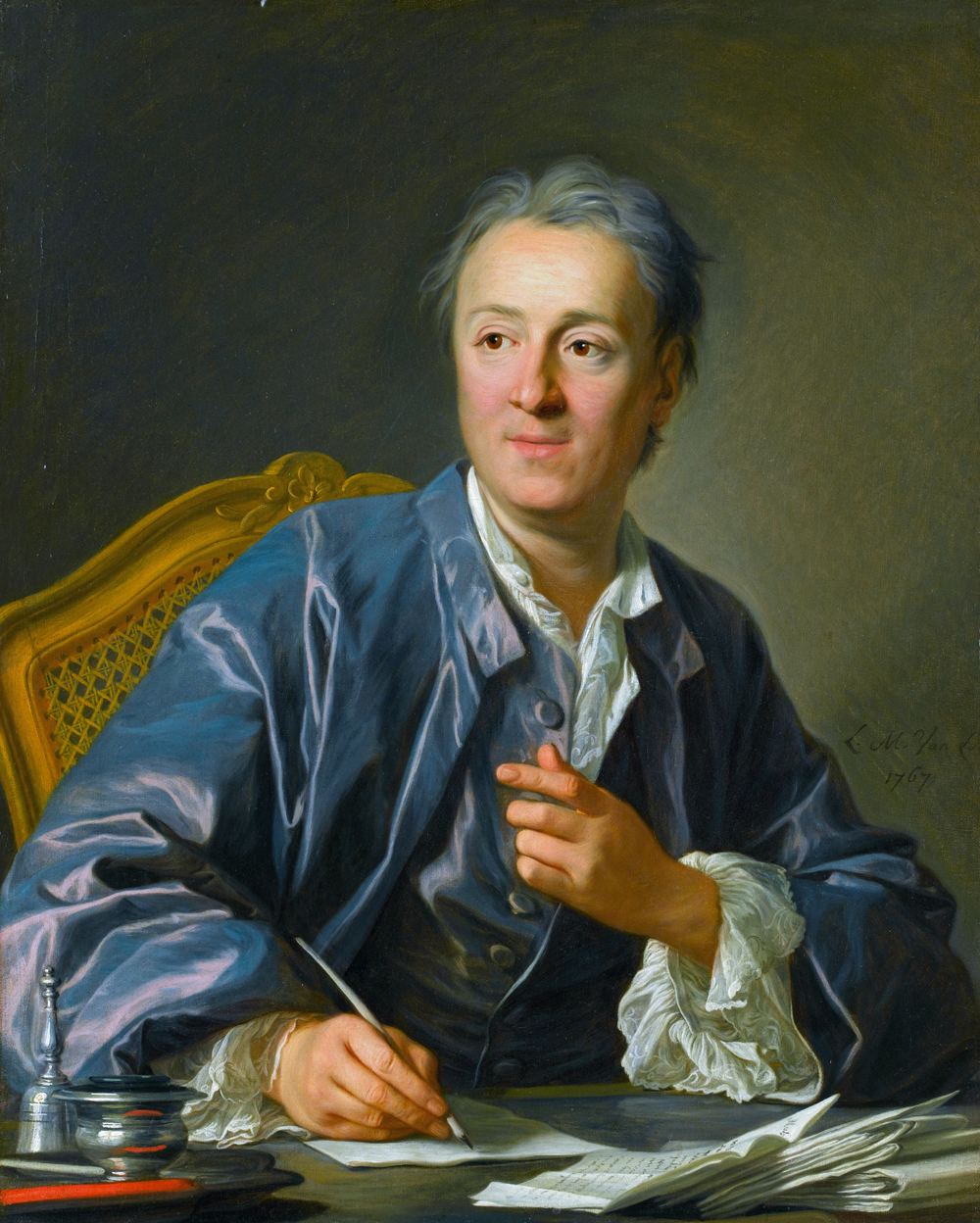
Portrait of Denis Diderot
Louis-Michel van Loo · 1767
 Book
Primary source
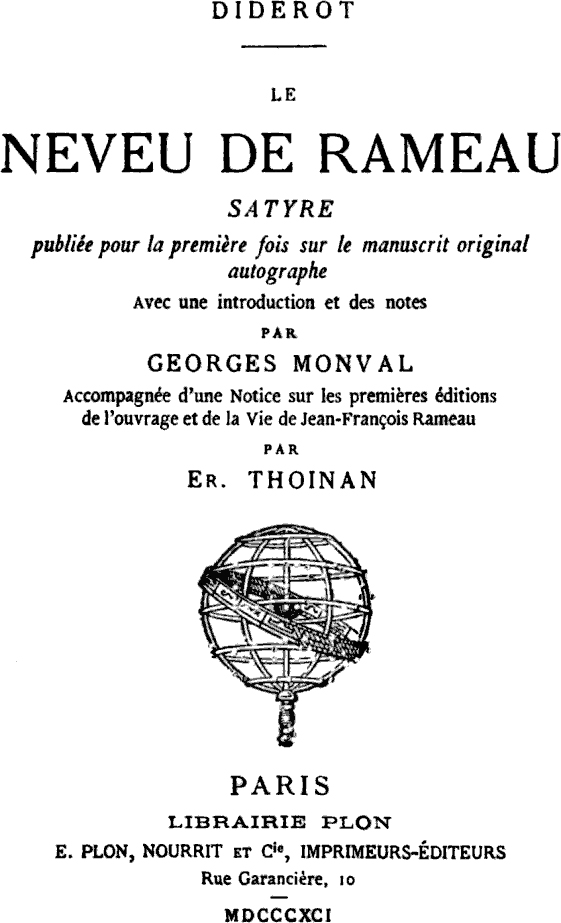
Rameau's Nephew
Denis Diderot · written c. 1761–1774, published 1805 (German), 1823 (French)
Free account
Read every Denis Diderot source
Sign up free →
Ready when you are
Start chatting with Denis Diderot now.
20 messages free · No credit card · Available in 50+ languages.