


Primary sourcePaintingcirca 1871
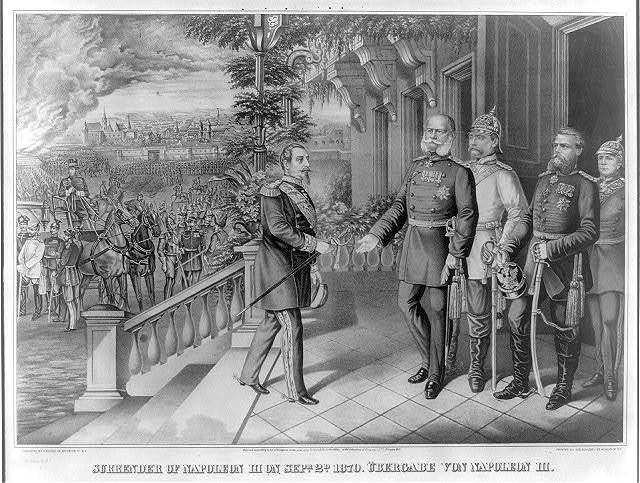
Surrender of Napoleon III at Sedan
Artist unknown; printed by George Schlegel · circa 1871
A circa 1871 lithograph printed by George Schlegel showing Napoleon III handing his sword to Wilhelm I after the battle of Sedan in 1870.
Shows Wilhelm I receiving Napoleon III's surrender at Sedan, a victory that made him central to the new German Empire.
About this source
What it is
This is a lithograph print titled 'Surrender of Napoleon III on Sept 2nd 1870' and 'Übergabe von Napoleon III'. The artist is unknown and the print was made by George Schlegel. It was made around 1871. On a palace terrace with a balustrade, a figure in a dark uniform with a sash and sword offers his hand to a bearded officer in a military coat with a pickelhaube-style helmet. Other uniformed officers stand nearby. Troops on horseback and a walled town with smoke fill the background.
Why it matters
The print records the meeting after the battle of Sedan on 2 September 1870, when Napoleon III handed his sword to Wilhelm I, King of Prussia. The surrender helped end the Franco-Prussian War and was a key moment in the creation of the German Empire. Printed images like this one spread the event to people who had not seen it, and they shaped how Germans and others understood Wilhelm's victory.
Look closer
- Who is giving something, who is receiving it, and what object is exchanged?
- Why might a print show the two rulers standing on a terrace rather than on the battlefield?
- What does the image leave out about the soldiers and the town that suffered in the battle?
This painting is part of the curated material that grounds the AI version of Wilhelm I on Humy.ai — when students ask about related events, the AI can quote it and cite it.
More Wilhelm I sources
Browse all 95 →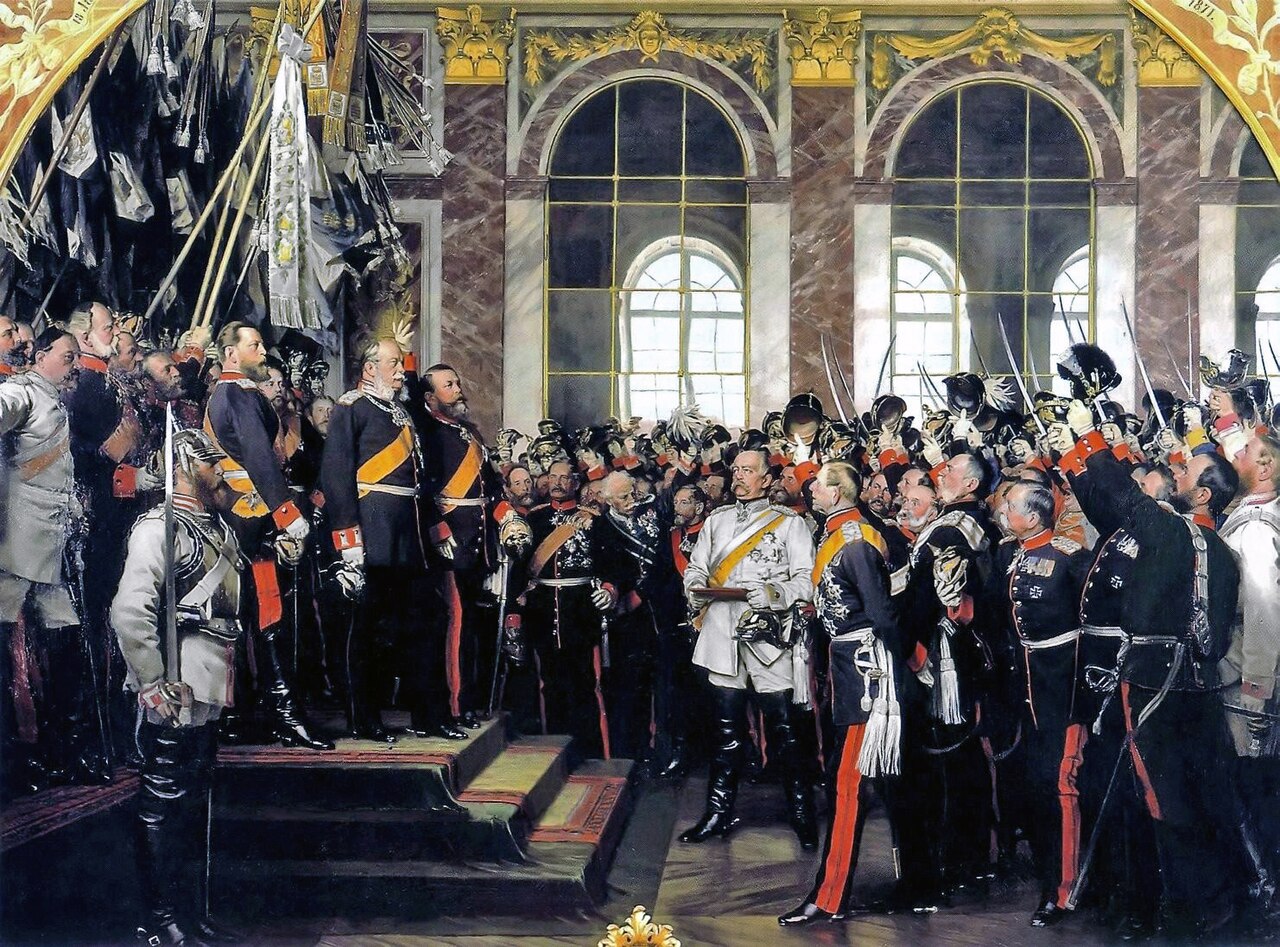 Painting
Secondary source
Proclamation of the German Empire at Versailles
Anton von Werner · 1885
 Document
Primary source
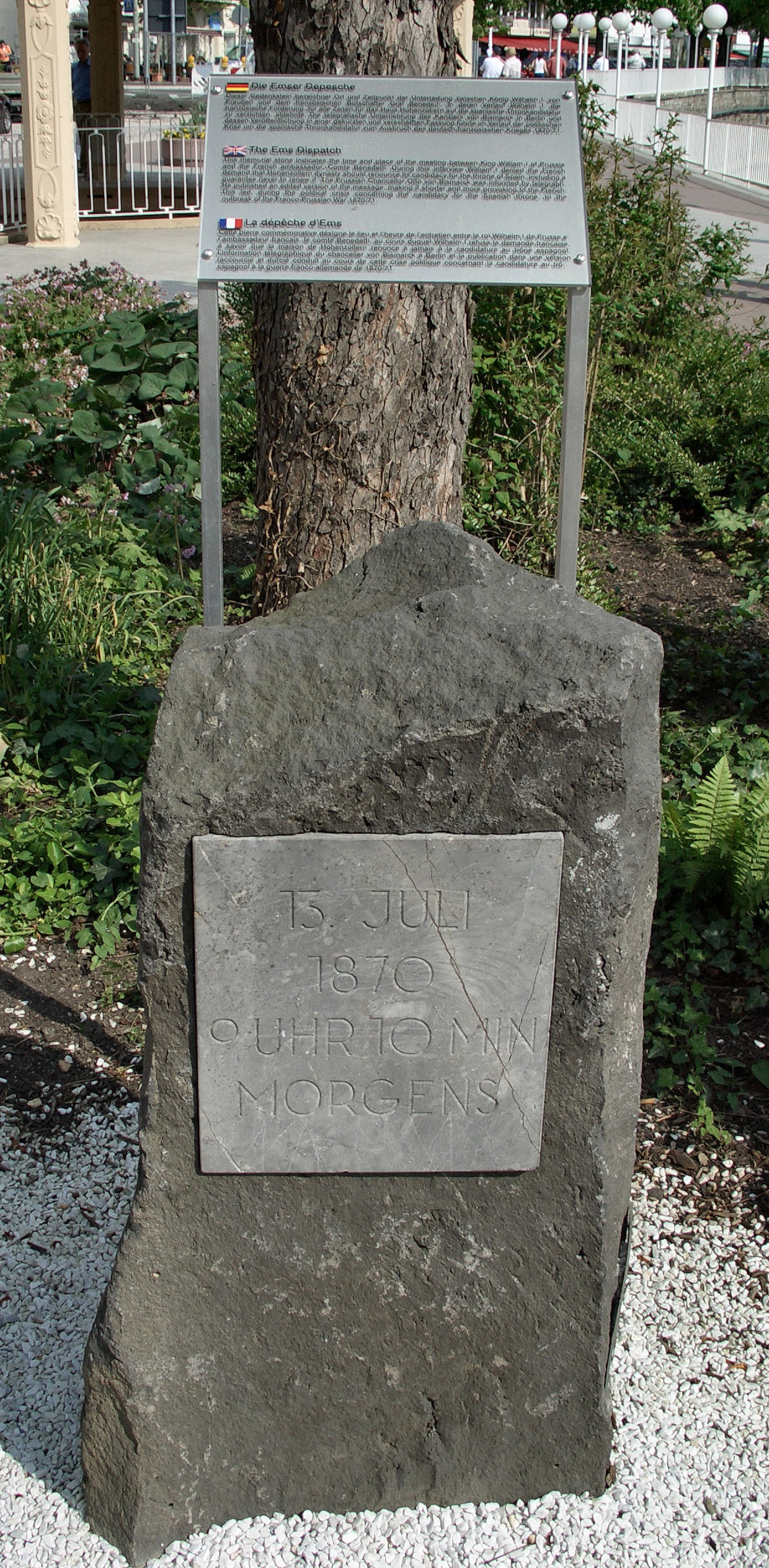
Ems Dispatch
Otto von Bismarck · 13 July 1870
 Document
Primary source
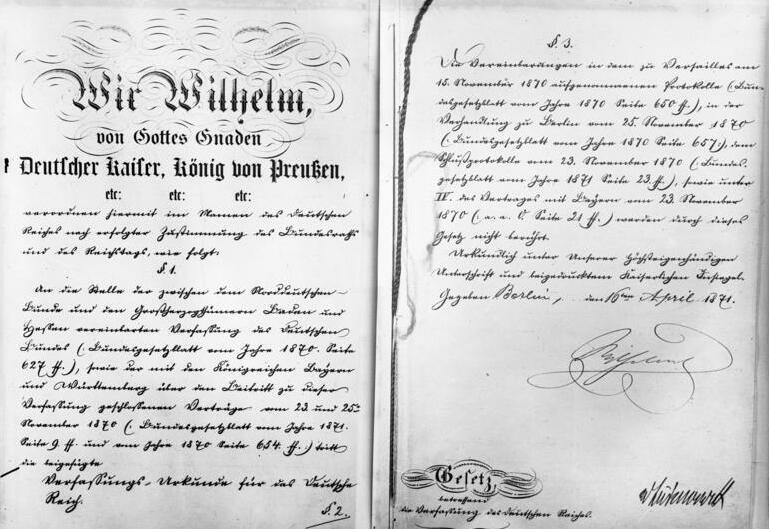
Constitution of the German Empire
4 May 1871
 Document
Primary source
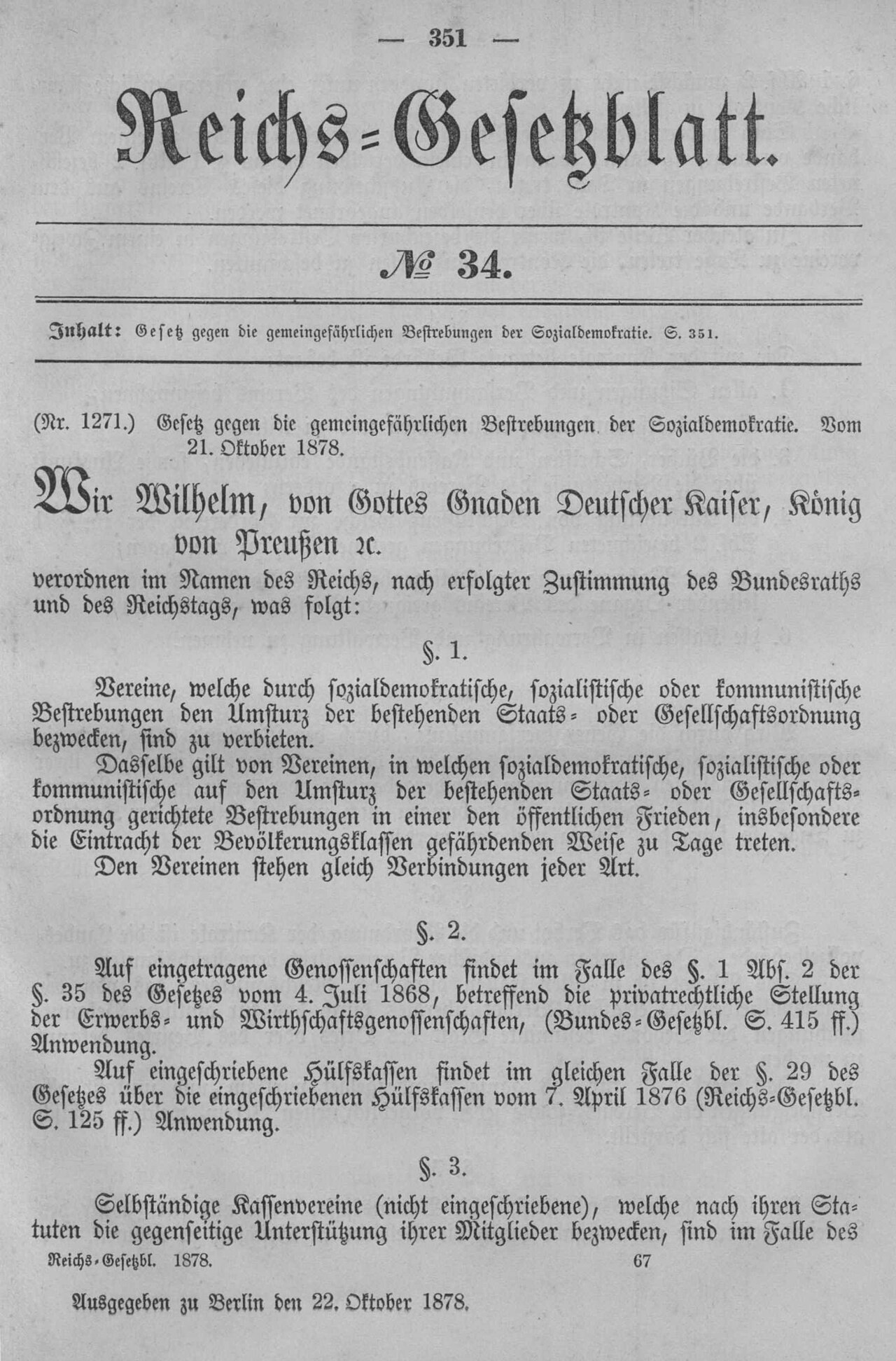
Anti-Socialist Law
21 October 1878
Free account
Read every Wilhelm I source
Sign up free →
Ready when you are
Start chatting with Wilhelm I now.
20 messages free · No credit card · Available in 50+ languages.