


Primary sourcePhotograph1891
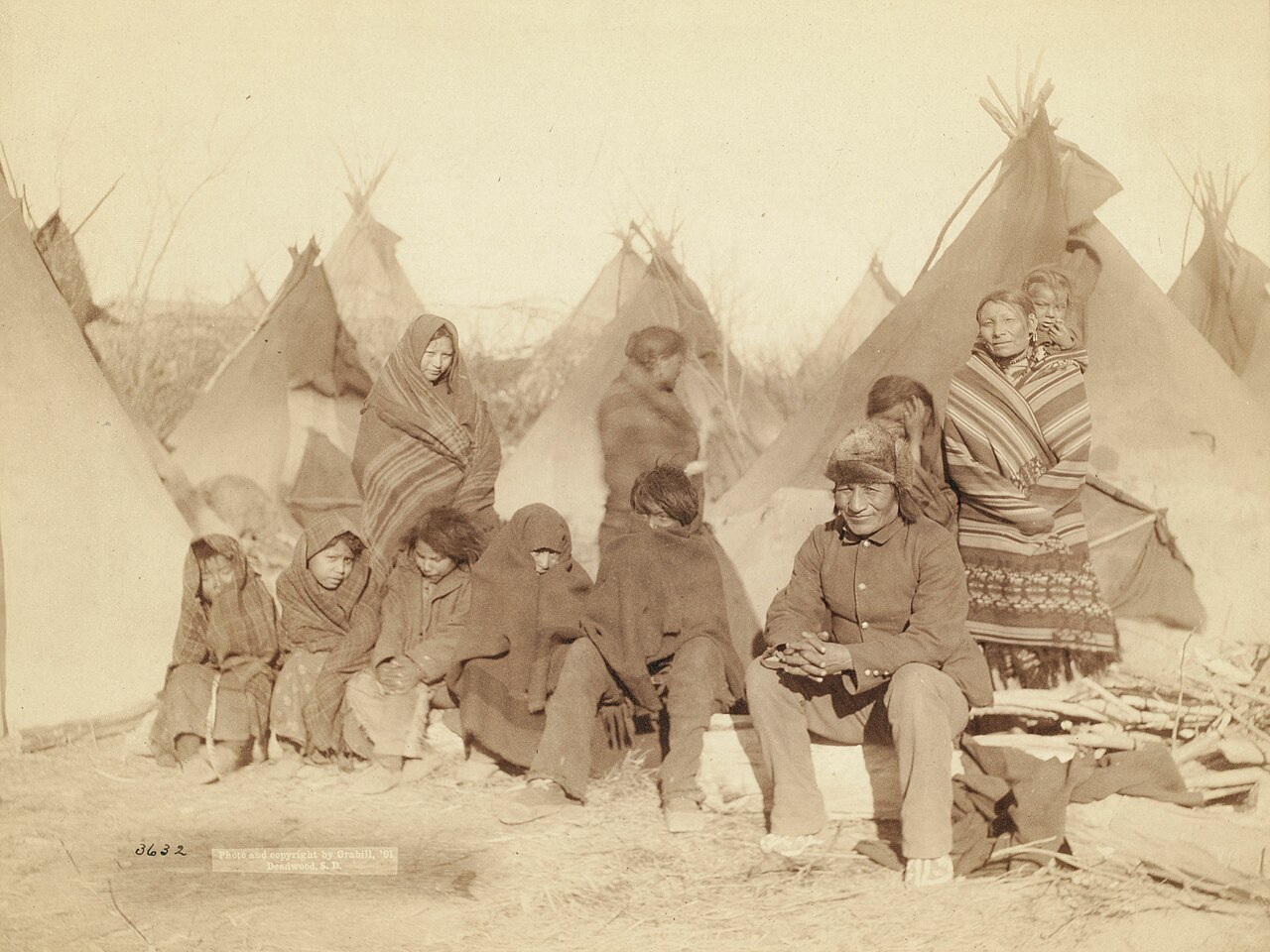
Survivors of Big Foot's Band After the Wounded Knee Massacre
John Grabill · 1891
A photograph of Lakota survivors of the Wounded Knee Massacre, taken in 1891; it documents the events Dee Brown's history later described.
Shows Lakota survivors of Wounded Knee, the historical subject of Brown's best-known book.
About this source
What it is
This photograph was taken in 1891 by John Grabill and shows survivors of Big Foot's band after the Wounded Knee Massacre, sitting and standing among tipis. The image was titled by its photographer as showing what was left of Big Foot's band.
Why it matters
This is a rare photographic record of the people who survived the massacre, rather than only its dead. It gives a human face to the Lakota community devastated by the event, which later became central to Dee Brown's history of Native Americans in the American West. The photograph was made for commercial sale, which shaped how it presented its subjects.
Look closer
- What can you tell about the people in this photograph from their expressions and surroundings?
- Why might the photographer have titled the image the way he did?
- What questions would you want to ask the people shown, if you could?
This photograph is part of the curated material that grounds the AI version of Dee Brown on Humy.ai — when students ask about related events, the AI can quote it and cite it.
More Dee Brown sources
Meet the AI Dee Brown →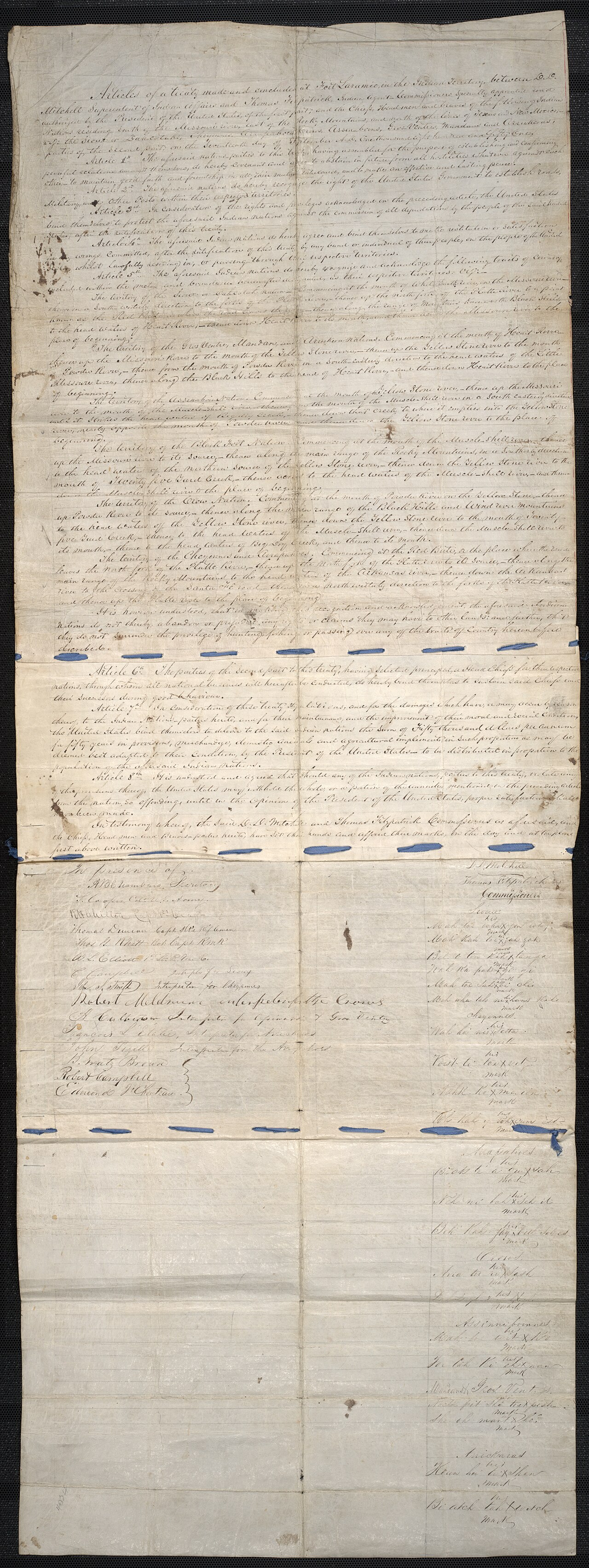 Document
Primary source
Fort Laramie Treaty of 1851
Office of Indian Affairs · 17 September 1851
 Document
Primary source
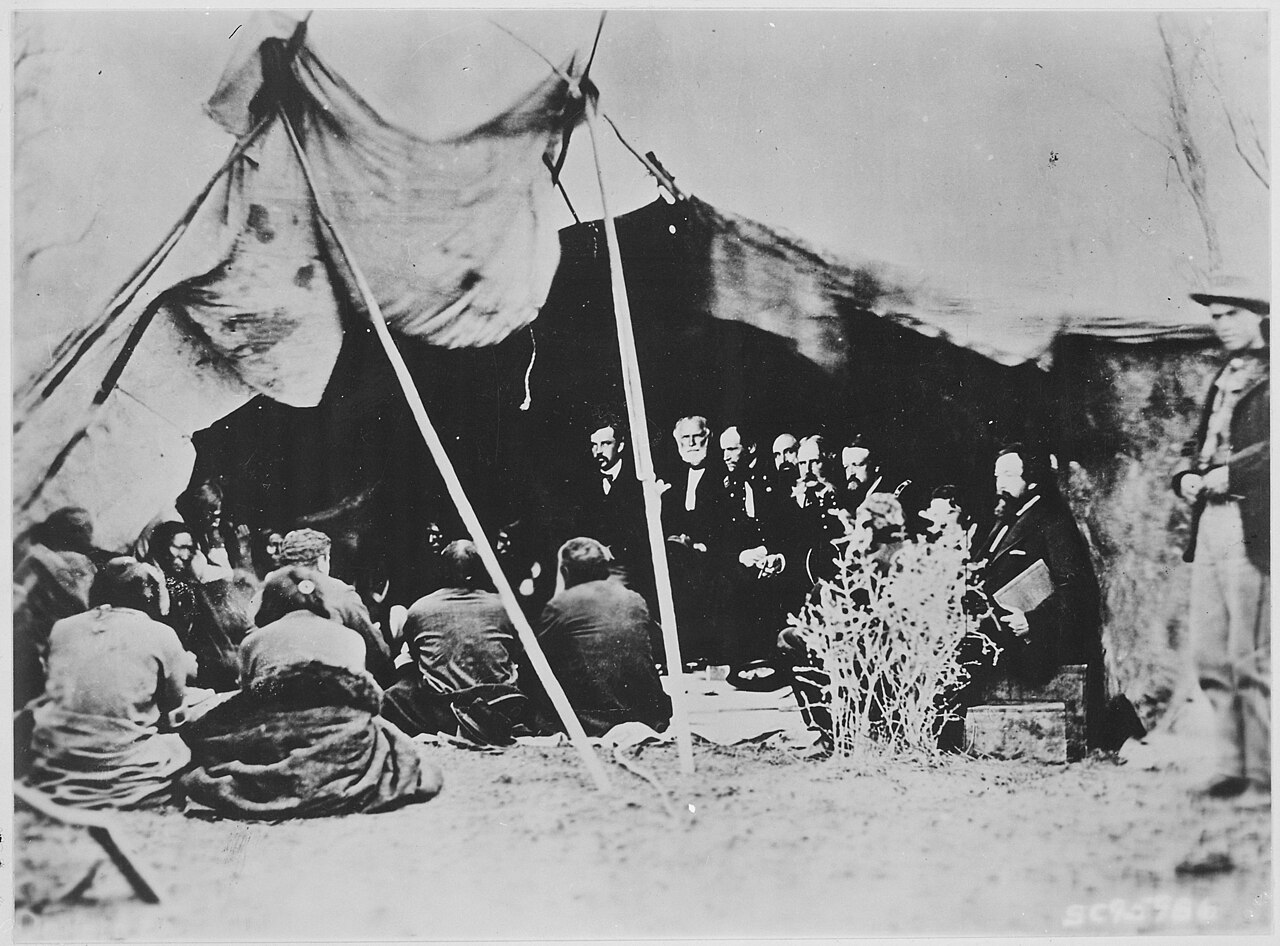
Treaty of Fort Laramie
1868
 Photograph
Primary source
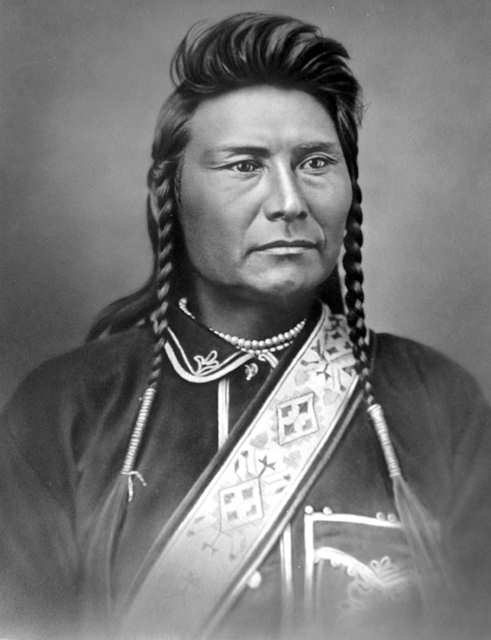
Chief Joseph, Bismarck Portrait
O. S. Goff (attributed) · November 1877
Primary source
The Ghost-Dance Religion and the Sioux Outbreak of 1890
James Mooney · 1896
 Document
Primary source
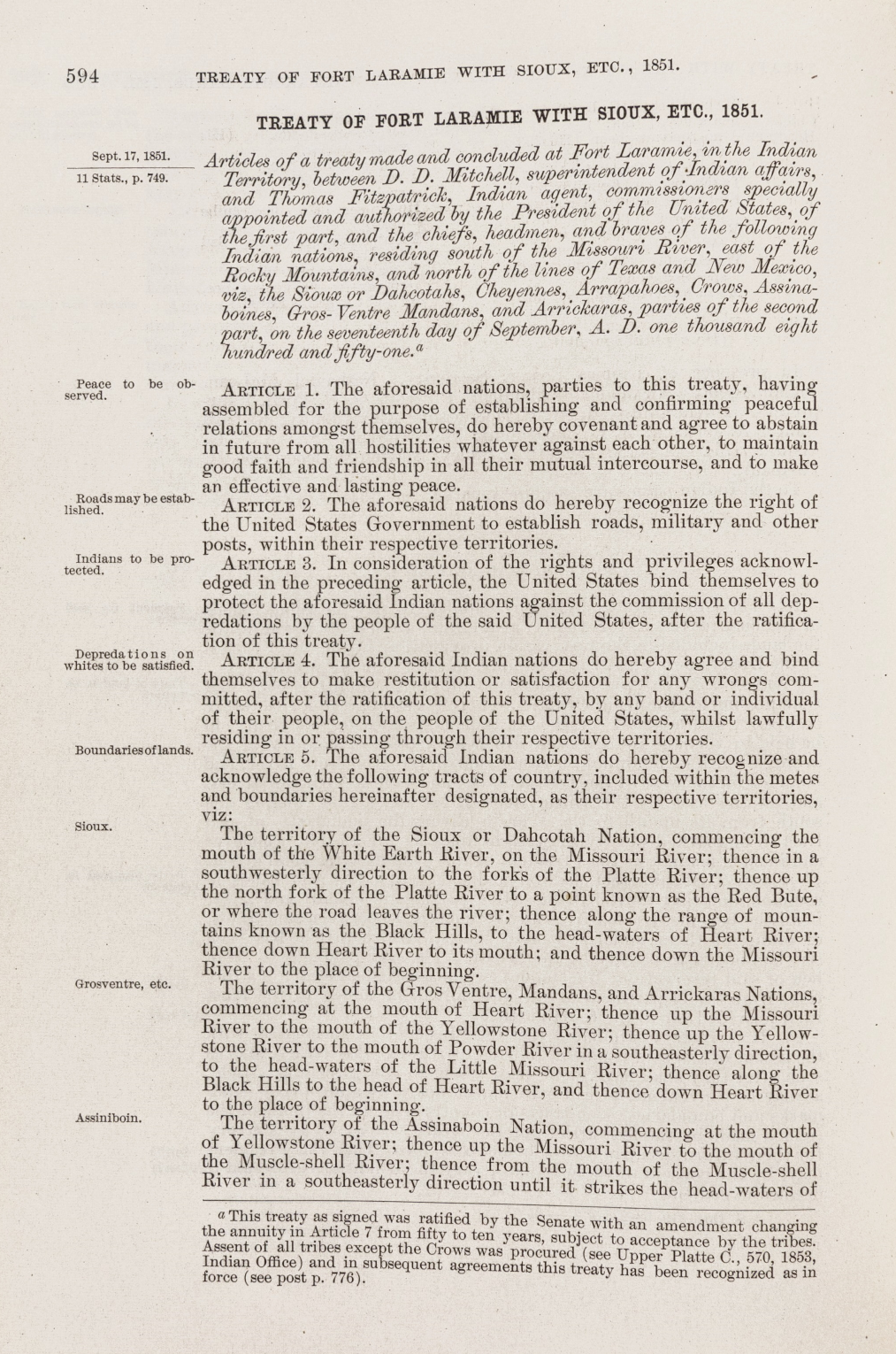
Fort Laramie Treaty, 1851, printed in Kappler volume 2
Government Printing Office · 17 September 1851 (printed 1904)
Ready when you are
Start chatting with Dee Brown now.
20 messages free · No credit card · Available in 50+ languages.