


Primary sourceArtifact1624
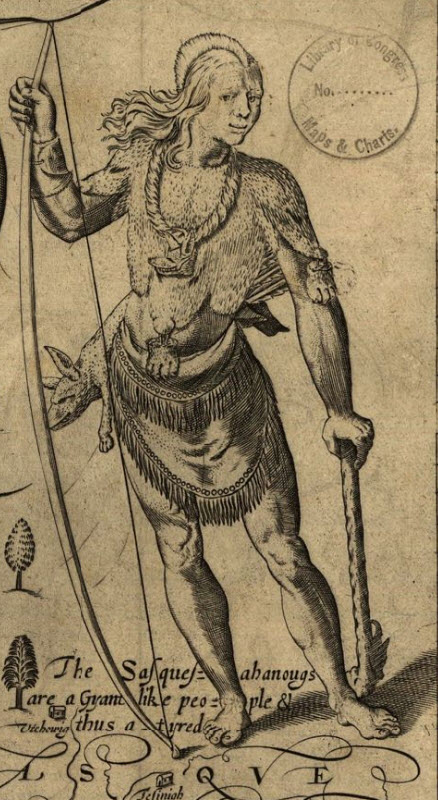
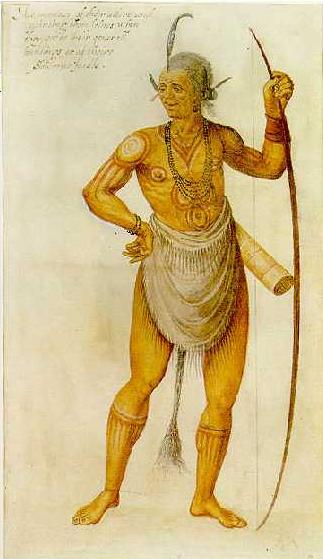
Susquehannock Figure from the 1624 Smith Map
William Hole, after John Smith · 1624
A detail of a Native American figure taken from John Smith's 1624 map of Virginia.
This figure comes from Smith's own 1624 map of Virginia, made from his exploration of the region.
About this source
What it is
This engraving shows a Susquehannock man, extracted from the 1624 map of Virginia made by John Smith and engraved by William Hole. It is held with Library of Congress Maps and Charts materials.
Why it matters
Smith's map was one of the earliest detailed English depictions of Virginia and its Indigenous peoples, based on his own exploration. The figure reflects how English explorers like Smith portrayed Native Americans for European audiences, mixing observation with artistic convention.
Look closer
- What details of clothing and posture do you notice in this figure, and what might they tell you about how the engraver saw Native people?
- Why would Smith include images of Native people on a map meant to encourage English settlement?
- What might this image leave out about the Susquehannock people's own culture and perspective?
This artifact is part of the curated material that grounds the AI version of John Smith on Humy.ai — when students ask about related events, the AI can quote it and cite it.
More John Smith sources
Browse all 81 →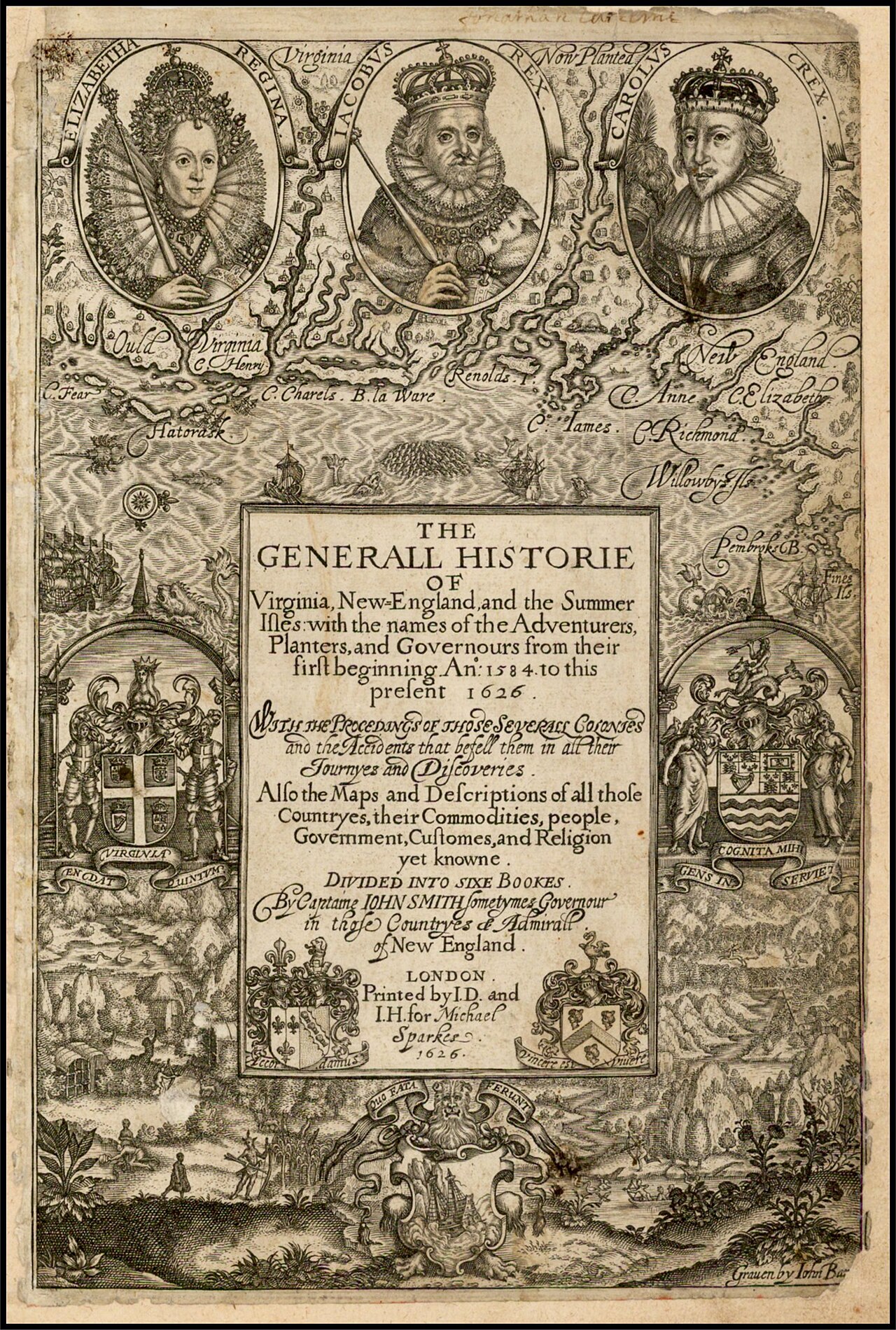 Book
Primary source
The Generall Historie of Virginia, New-England, and the Summer Isles
John Smith · 1624
Primary source
To the Most High and Virtuous Princess
John Smith · 1616
 Document
Primary source
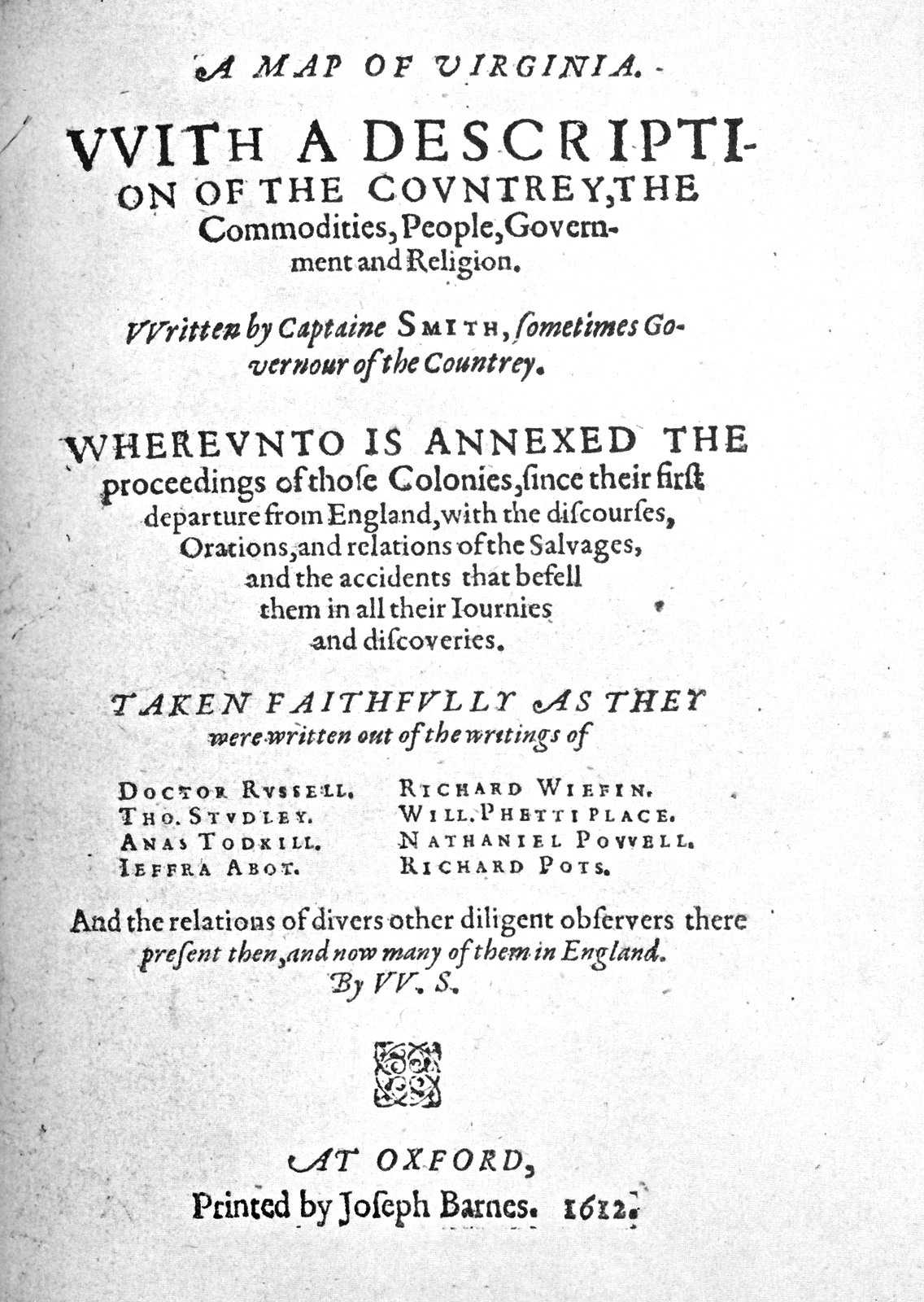
A Map of Virginia
John Smith · 1612
 Book
Primary source
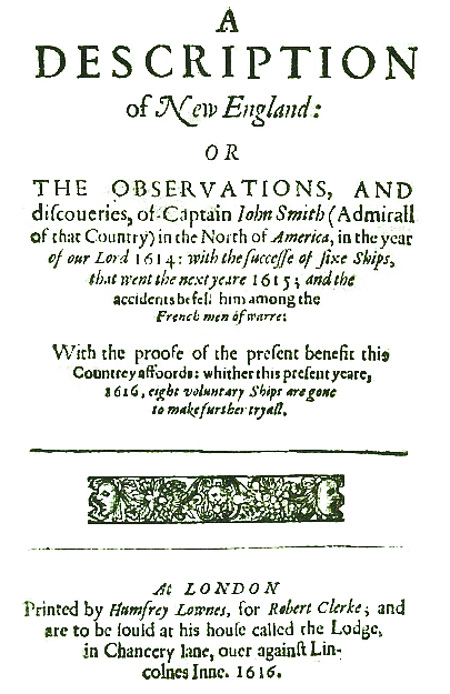
A Description of New England
John Smith · 1616
Free account
Read every John Smith source
Sign up free →
Ready when you are
Start chatting with John Smith now.
20 messages free · No credit card · Available in 50+ languages.