


Secondary sourceArtifact
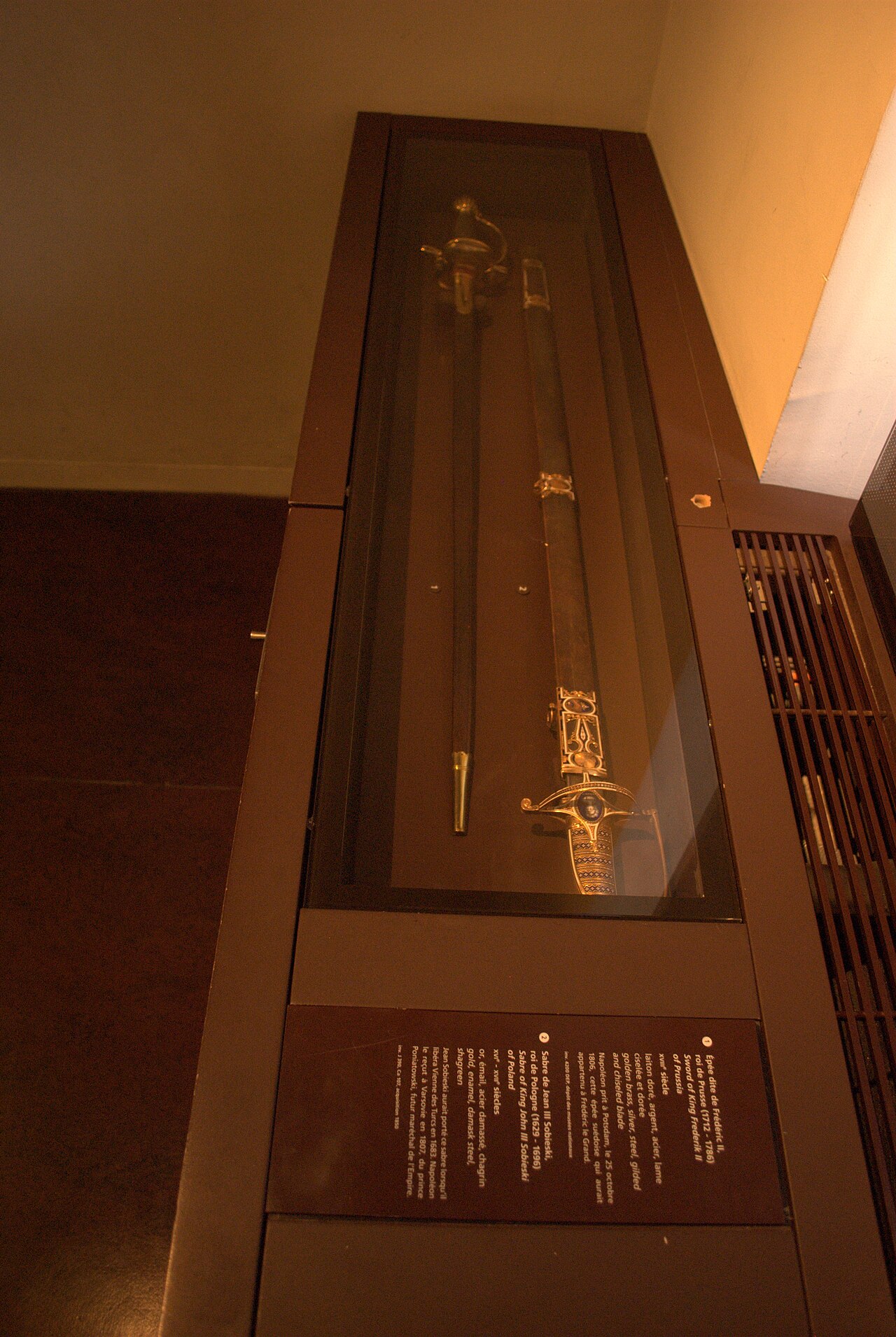
Sword attributed to John III Sobieski
A sabre attributed to Sobieski, displayed alongside a sword of Frederick II of Prussia in a Paris military museum.
This sword, displayed in a Paris museum, is attributed to John III Sobieski and reflects his fame as a military commander.
About this source
What it is
This photograph shows a glass display case in the Musée de l'Armée in Paris containing two swords: one attributed to John III Sobieski, King of Poland, and another belonging to Frederick II of Prussia. A placard identifies both weapons.
Why it matters
Weapons like this connect a ruler's personal story to the wider military culture of his time. Sobieski was famous as a commander, and a sword linked to him represents the warrior-king image that made him renowned across Europe, especially for his victories against Cossack and Tatar forces and later at Vienna.
Look closer
- Why might a museum display these two swords together?
- What can a weapon tell us about a historical figure that a portrait cannot?
- How reliable do you think the attribution of a centuries-old sword to a specific person might be?
This artifact is part of the curated material that grounds the AI version of John III Sobieski on Humy.ai — when students ask about related events, the AI can quote it and cite it.
More John III Sobieski sources
Browse all 94 → Artifact
Primary source
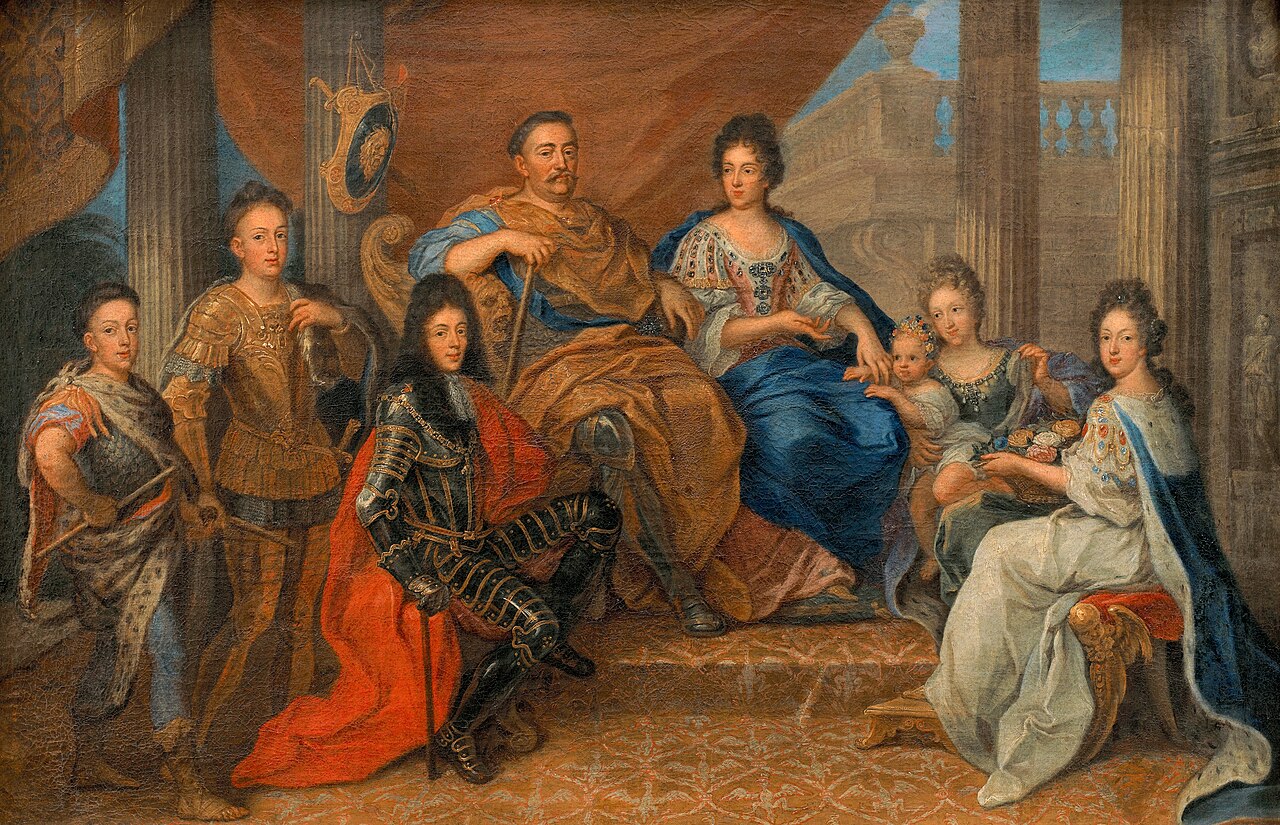
Wilanów Palace
Augustyn Wincenty Locci · 1677–1696
 Painting
Primary source
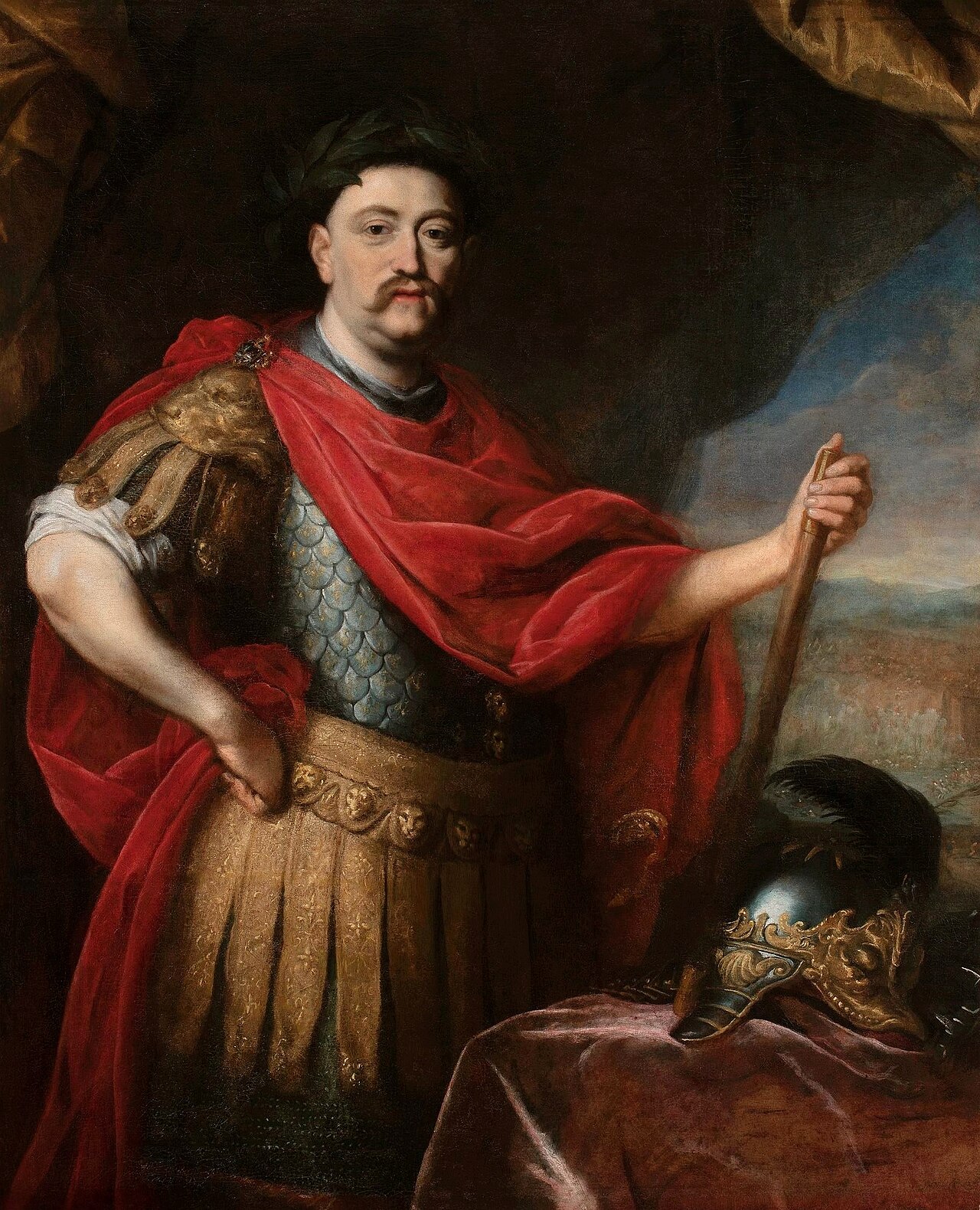
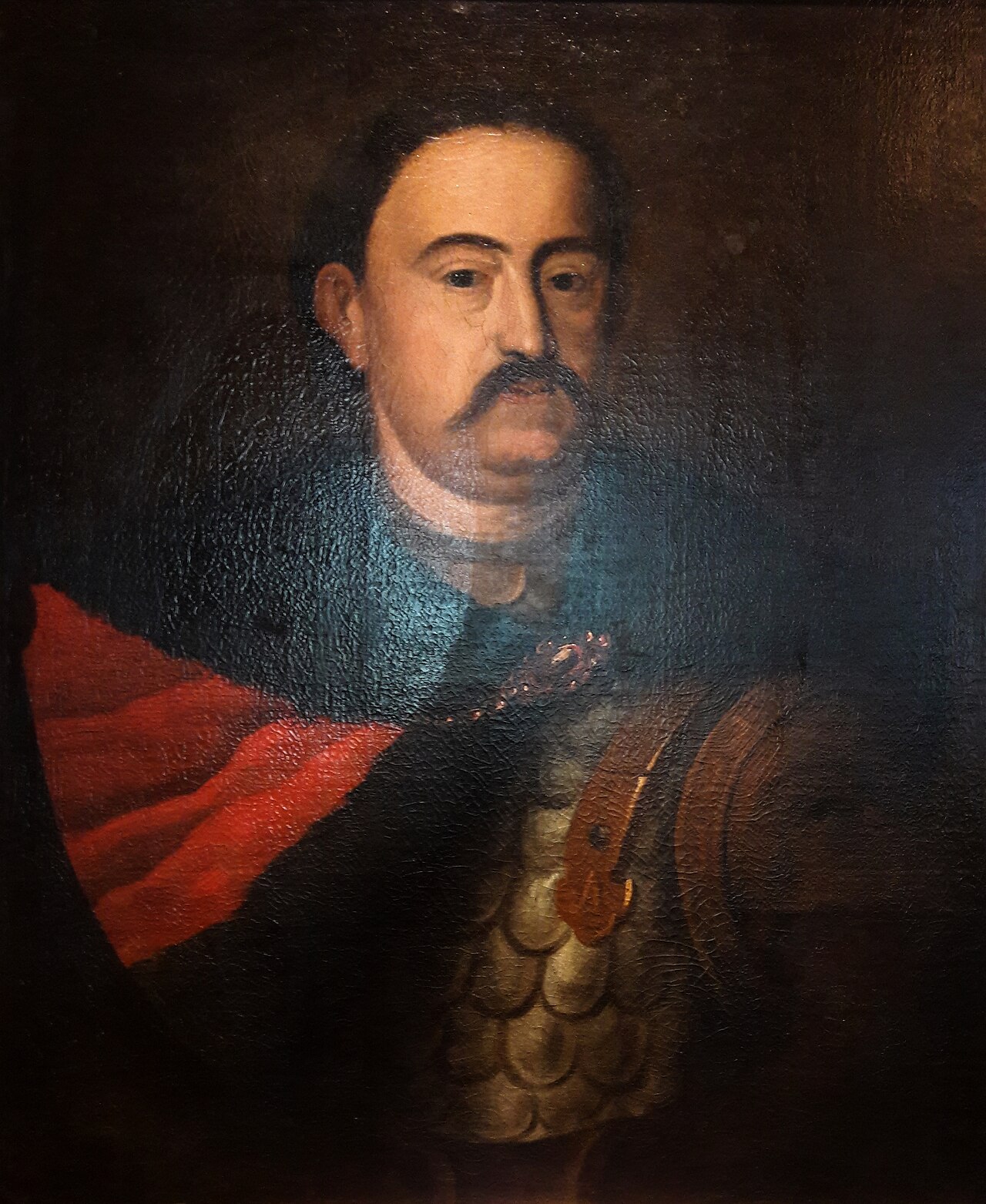
Portrait of John III Sobieski in Roman Costume
Daniel Schultz · 1673
 Painting
Primary source
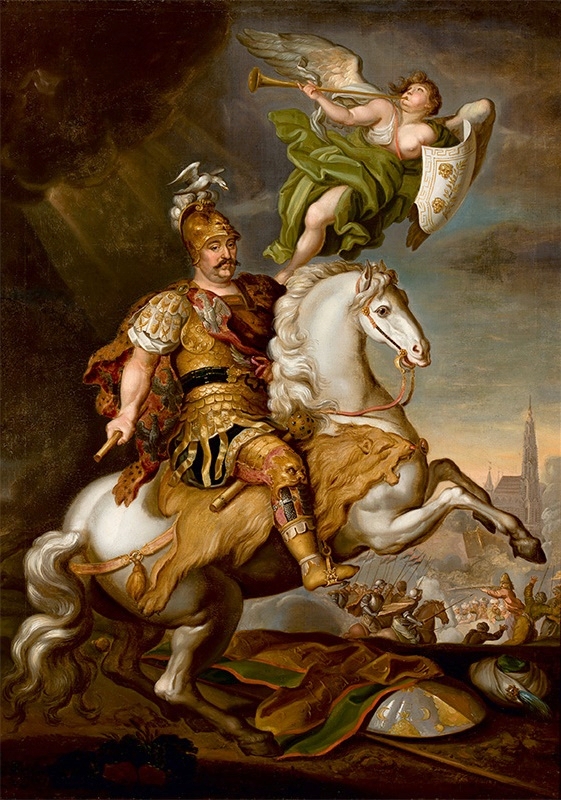
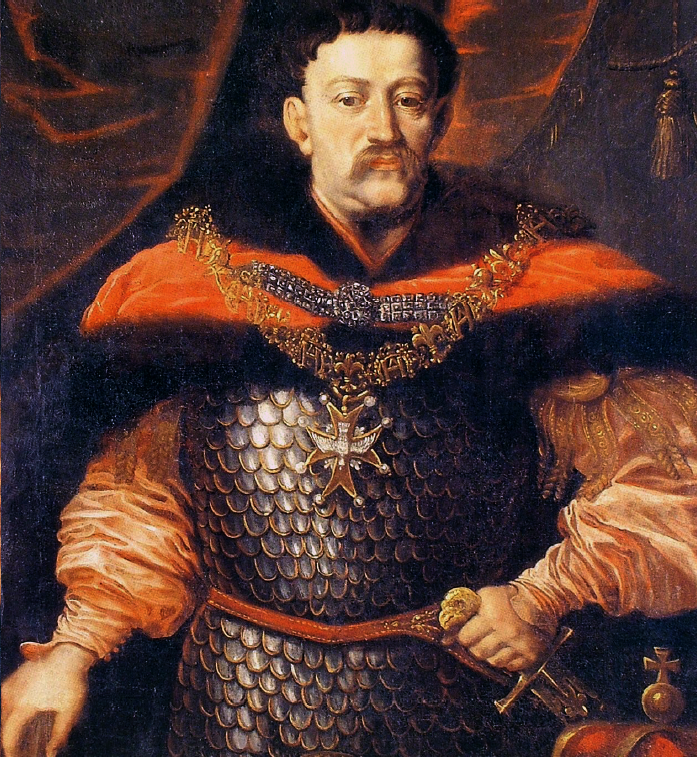
John III Sobieski at the Battle of Vienna
Jerzy Siemiginowski-Eleuter · 1686
 Artifact
Primary source
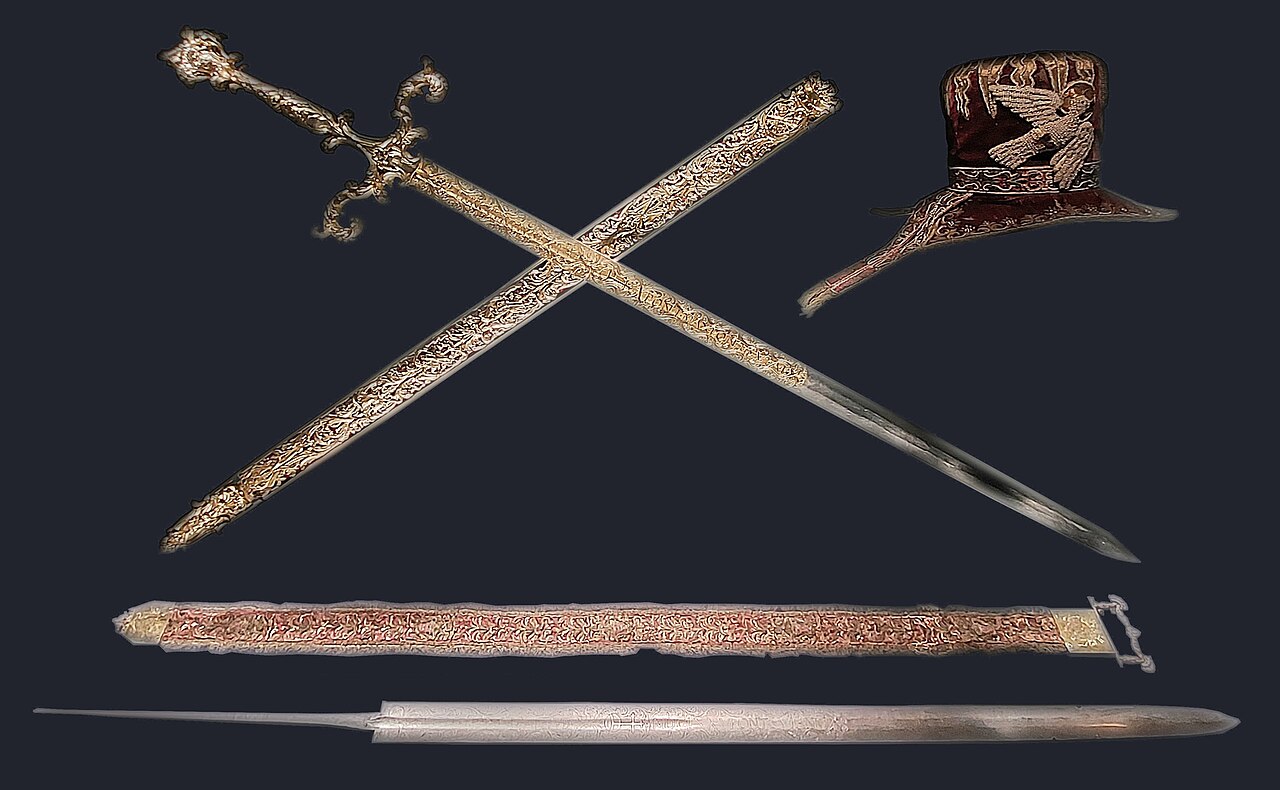
Blessed Sword and Hat of John III Sobieski
1684
Free account
Read every John III Sobieski source
Sign up free →
Ready when you are
Start chatting with John III Sobieski now.
20 messages free · No credit card · Available in 50+ languages.