


Secondary sourcePaintingc. 1480
Sylvestri Altar Panel with Hildegard of Bingen
Unknown author · c. 1480
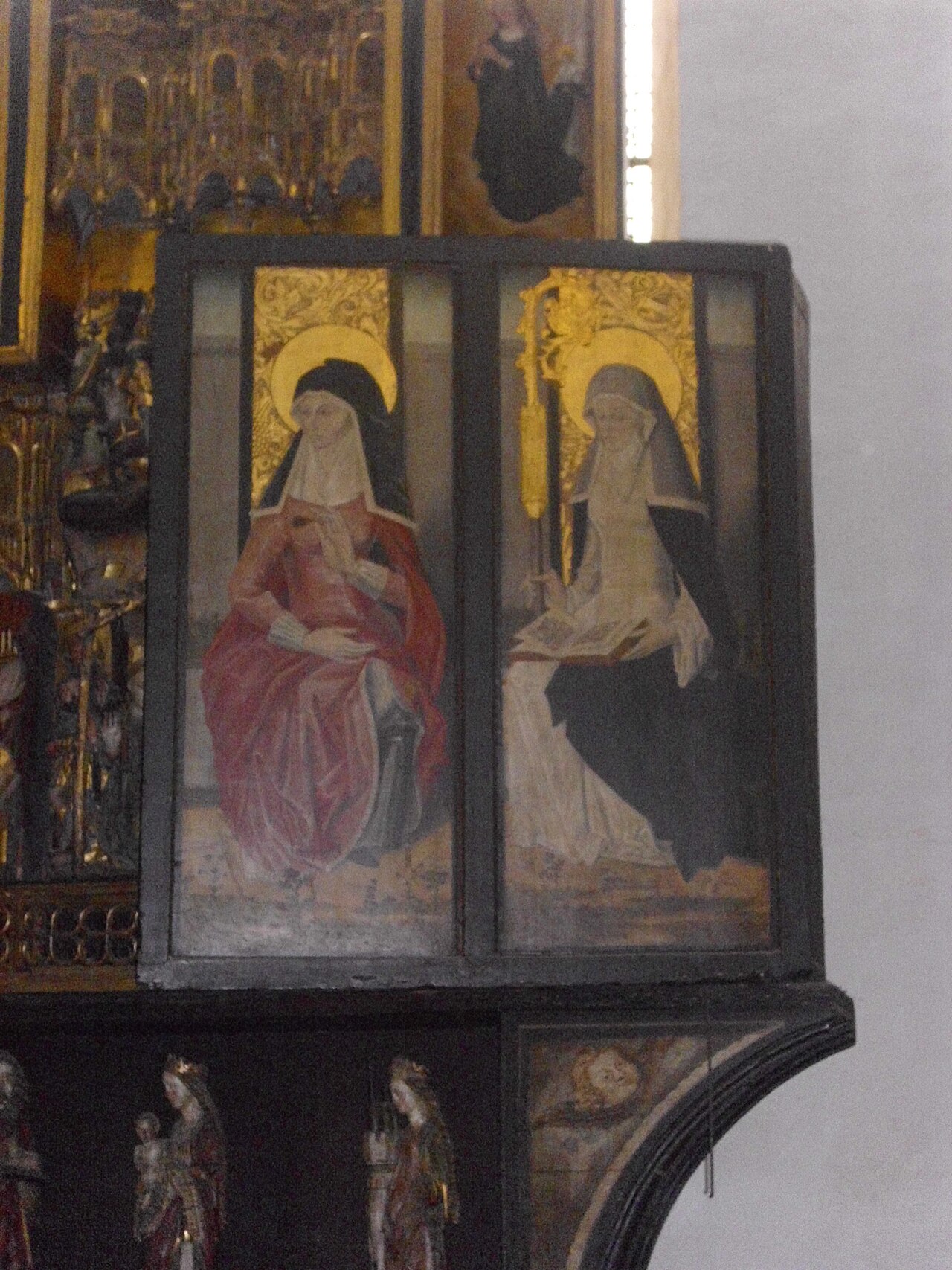
A c.1480 altar panel from Wernigerode showing Hildegard of Bingen alongside an unknown abbess, used as a closed Holy Week image.
This altar panel venerates Hildegard alongside an unknown abbess, showing her later religious significance.
About this source
What it is
This altar panel from St. Sylvestri in Wernigerode dates to around 1480 and was created by an unknown artist. It shows Hildegard of Bingen on the left and an unidentified abbess on the right, as displayed when the altar was closed during Holy Week.
Why it matters
This panel is evidence of Hildegard's veneration as a holy figure centuries after her death, placed within a church altar alongside another abbess figure. It reflects the ongoing religious significance attached to her memory in later medieval Germany.
Look closer
- Why might Hildegard be paired with another abbess in this altar imagery?
- What does the choice to display this image specifically during Holy Week suggest about its religious purpose?
- What can we tell about Hildegard's reputation from being included in church altar art centuries after her lifetime?
This painting is part of the curated material that grounds the AI version of Hildegard of Bingen on Humy.ai — when students ask about related events, the AI can quote it and cite it.
More Hildegard of Bingen sources
Meet the AI Hildegard of Bingen → Book
Primary source
Scivias
Hildegard of Bingen · 1151-1152
 Painting
Primary source
Scivias Frontispiece Miniature
12th century
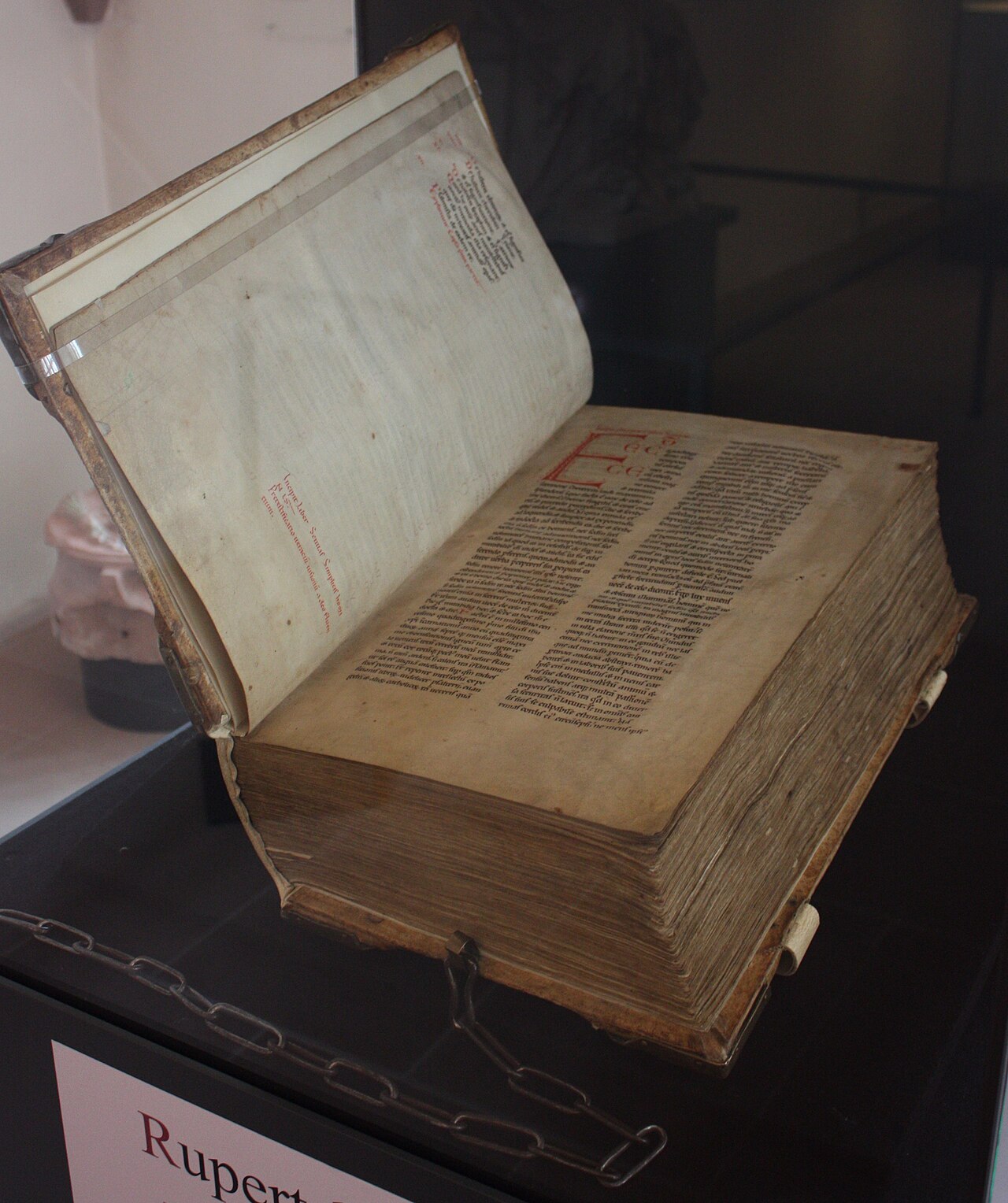 Book
Primary source
Wiesbaden Codex
Hildegard of Bingen · c. 1200
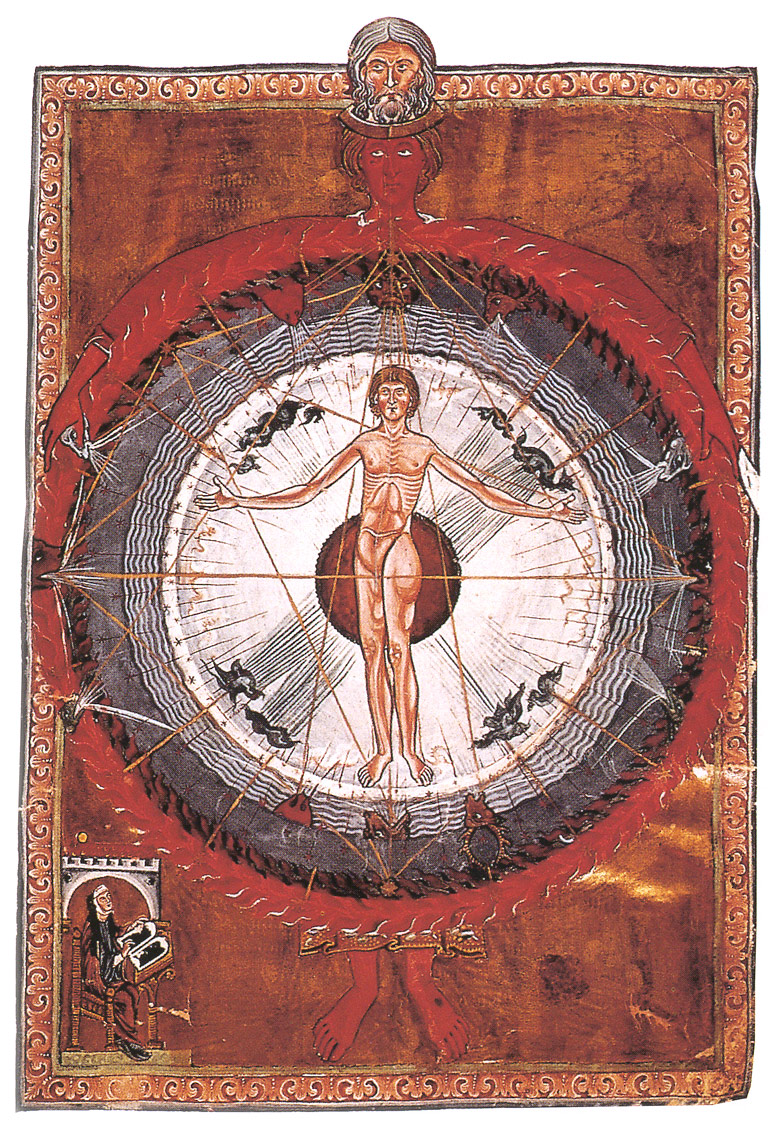 Book
Primary source
Liber divinorum operum
Hildegard of Bingen · c. 1163-1174
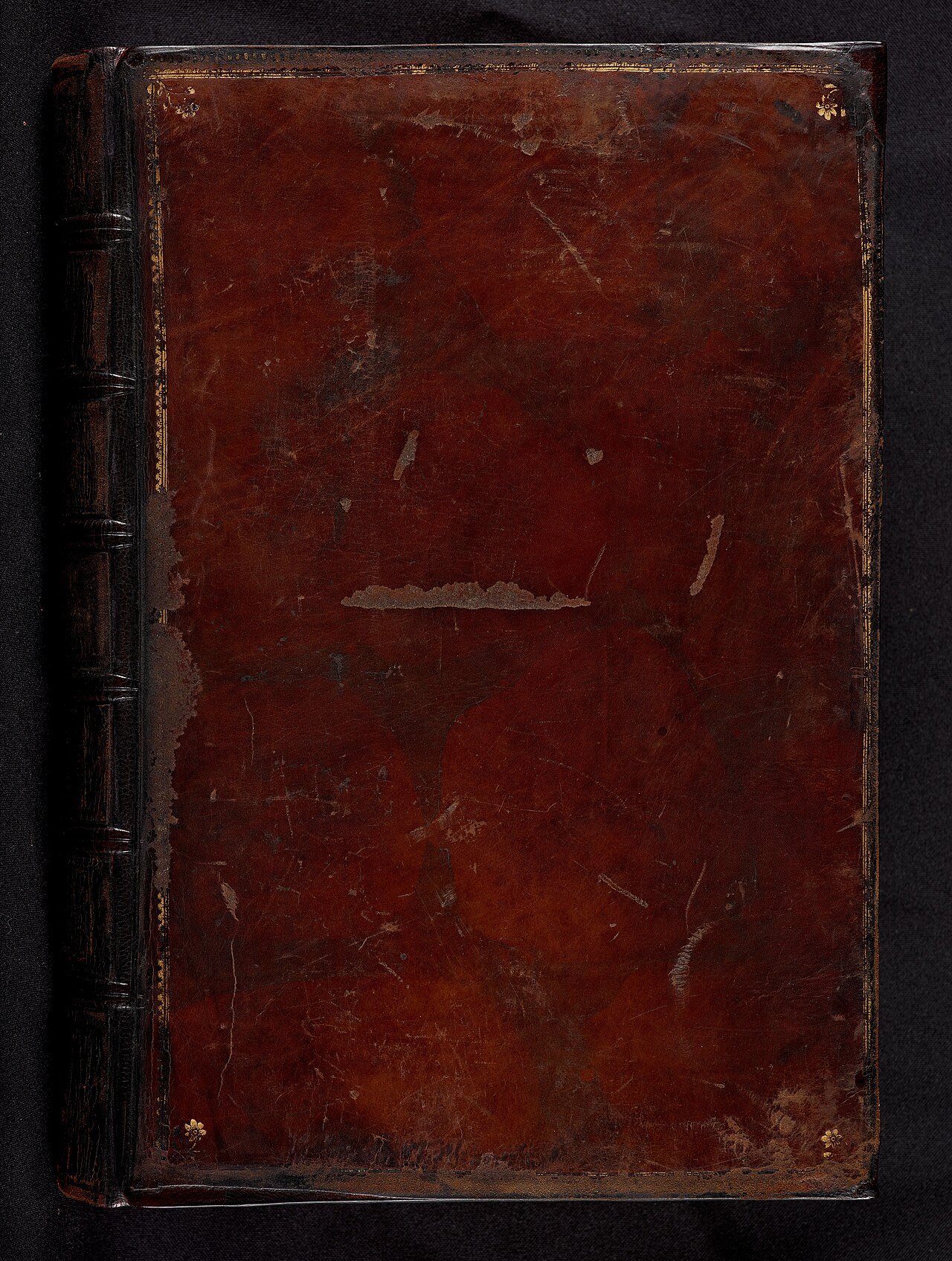 Document
Primary source
Dendermonde Codex
Hildegard of Bingen · c. 1175
Ready when you are
Start chatting with Hildegard of Bingen now.
20 messages free · No credit card · Available in 50+ languages.