


Primary sourceDocument1795
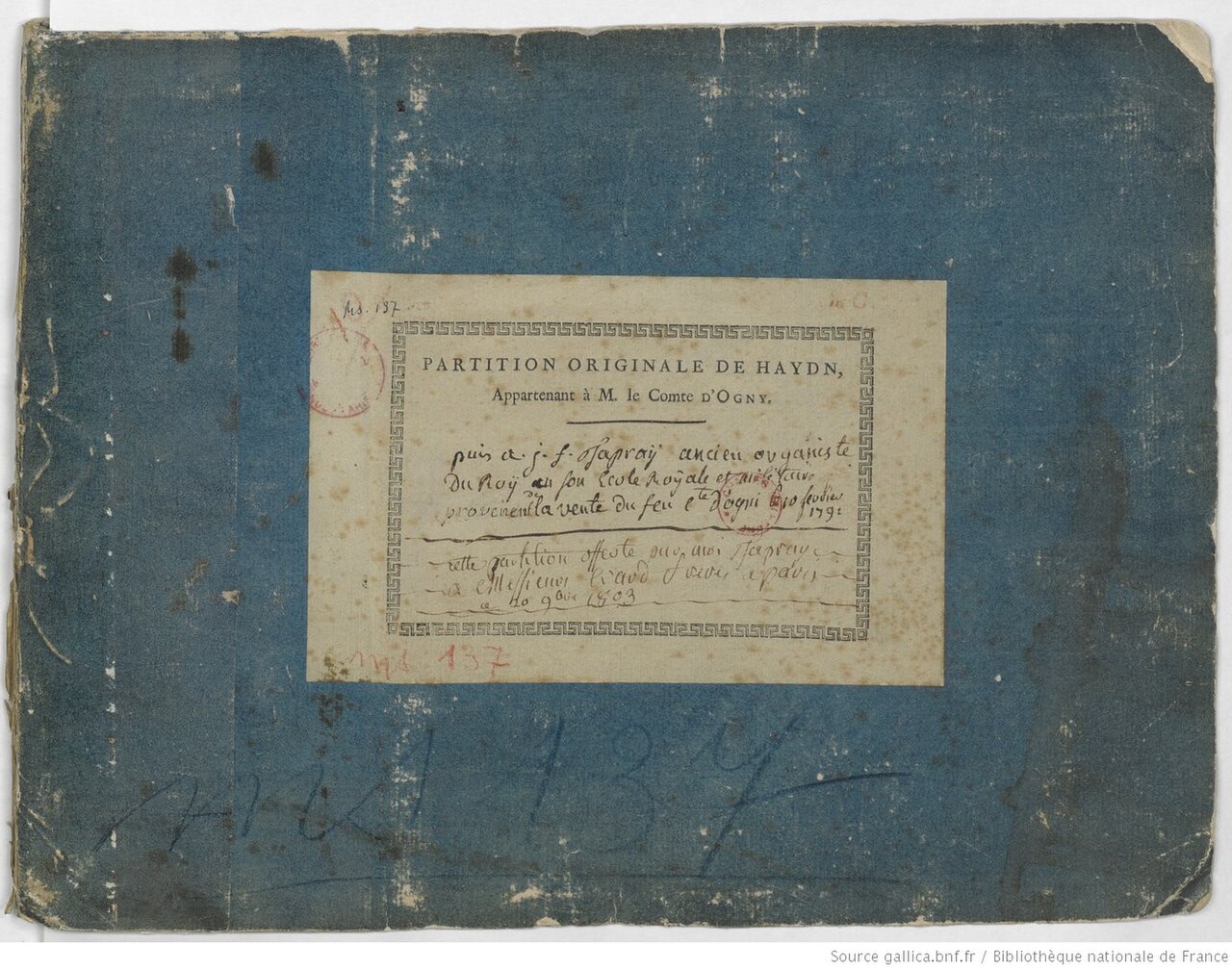
Symphony No. 103 'Drumroll'
Joseph Haydn · 1795
One of Haydn's late London symphonies, famous for its opening timpani roll and composed during his triumphant visits to England.
Haydn composed this symphony during his celebrated second visit to London, late in his career.
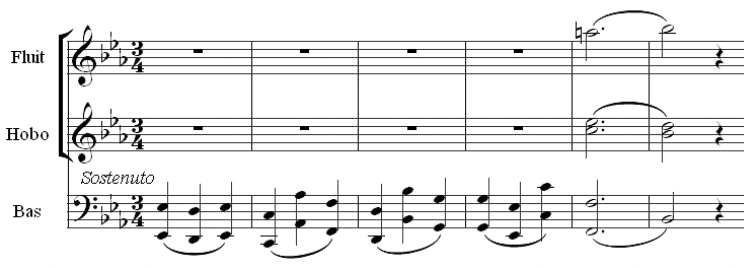
About this source
What it is
Symphony No. 103 in E♭ major was composed by Haydn in 1795, the eleventh of his twelve London symphonies. It premiered at the King's Theatre with Haydn and violinist Giovanni Battista Viotti directing a large orchestra.
Why it matters
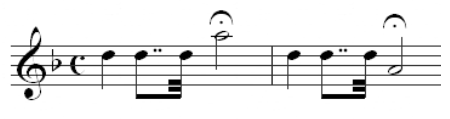
Its nickname, 'Drumroll', comes from the long timpani roll that opens the work. Newspaper reviews from the premiere praised Haydn's genius, and the symphony remained popular even when much of his other work fell out of fashion. Haydn later gave the autograph manuscript to the younger composer Luigi Cherubini, showing the respect between generations of musicians. The manuscript is now held by the British Library.
Look closer
- Why might a composer open a symphony with a dramatic drum roll instead of a melody?
- What does Haydn's gift of the manuscript to Cherubini suggest about relationships among composers?
- What can a score excerpt tell us that a recording cannot?
This document is part of the curated material that grounds the AI version of Joseph Haydn on Humy.ai — when students ask about related events, the AI can quote it and cite it.
More Joseph Haydn sources
Browse all 77 →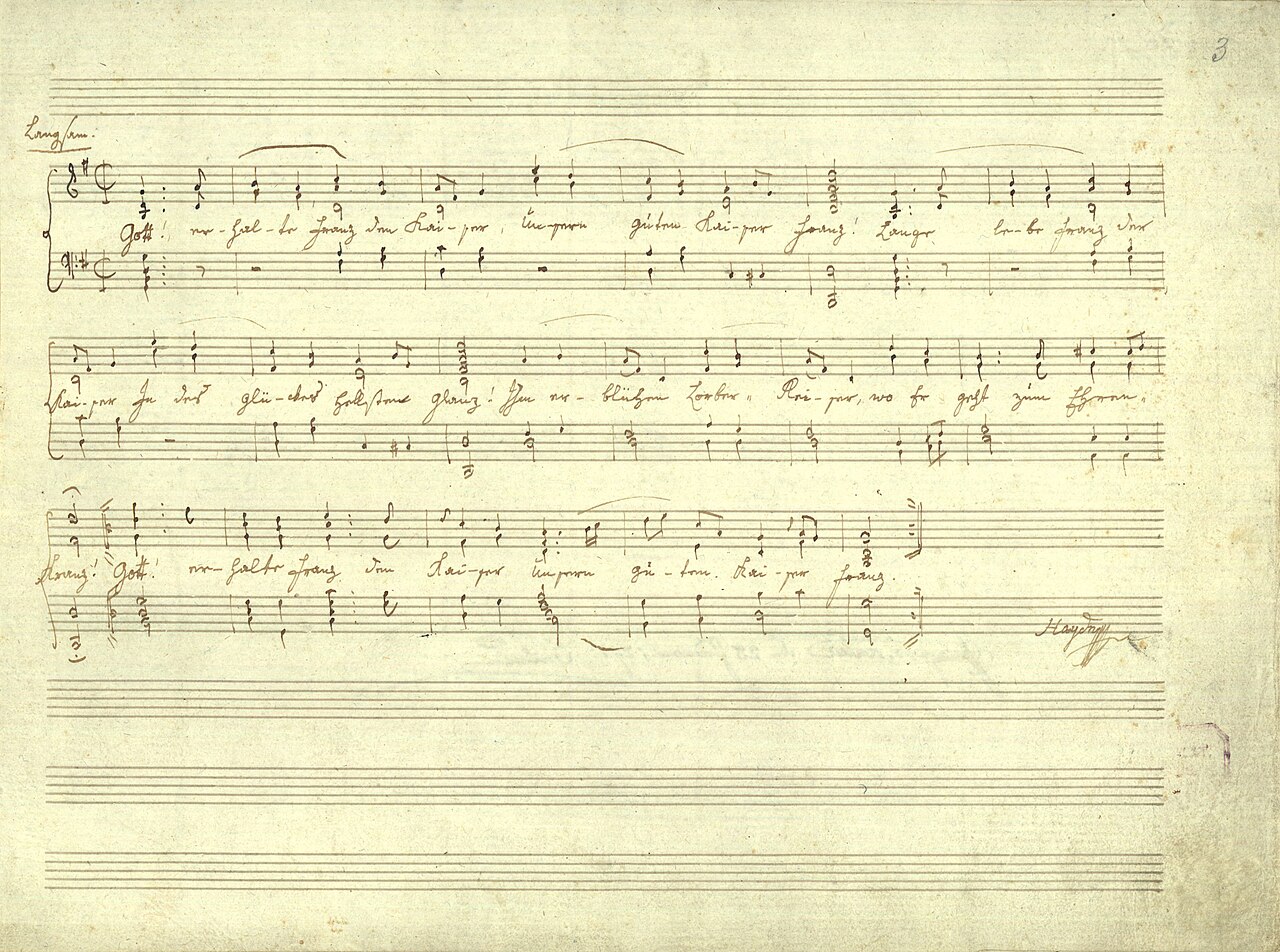 Document
Primary source
Gott erhalte Franz den Kaiser
Joseph Haydn · 1797
 Document
Primary source
Symphony No. 45 (Farewell Symphony)
Joseph Haydn · 1772
 Painting
Primary source
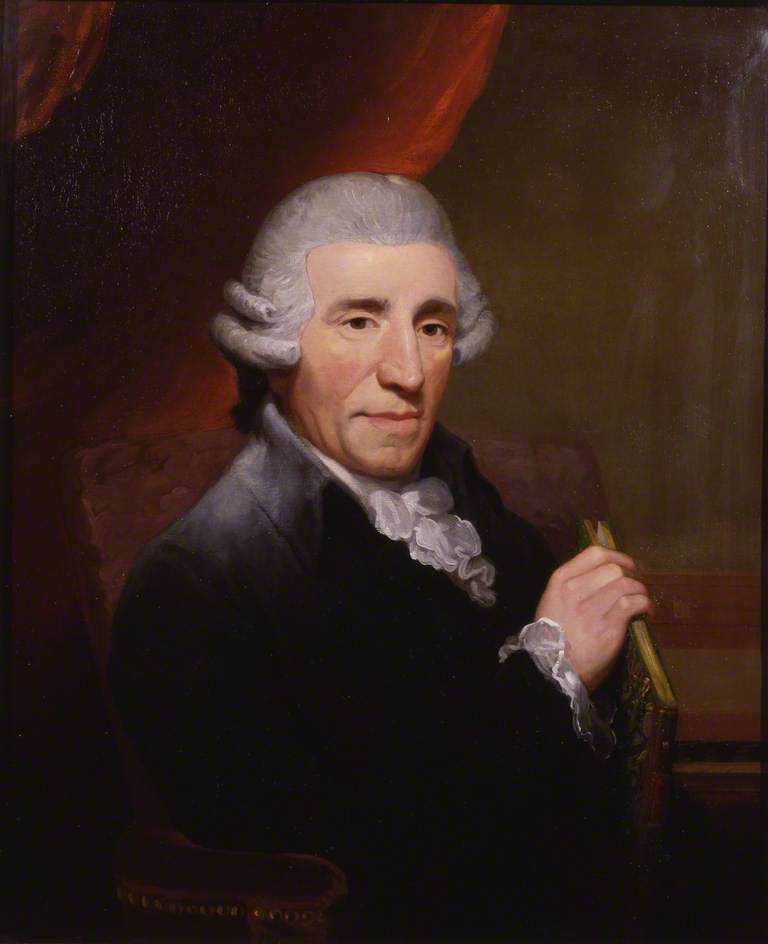
Joseph Haydn
Thomas Hardy · 1791
 Book
Primary source
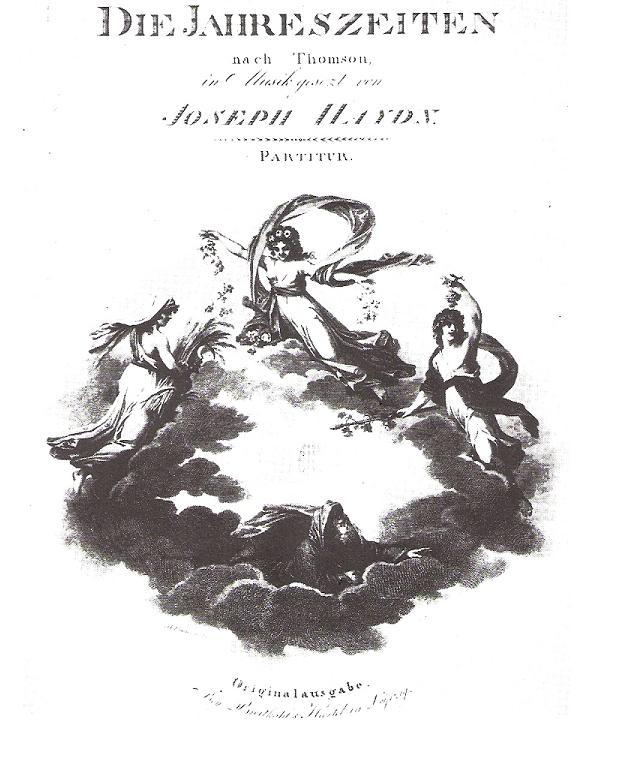
The Seasons
Joseph Haydn · 1801 (published 1802)

Free account
Read every Joseph Haydn source
Sign up free →
Ready when you are
Start chatting with Joseph Haydn now.
20 messages free · No credit card · Available in 50+ languages.