


Primary sourceDocument1883
Symphony No. 3
Johannes Brahms · 1883
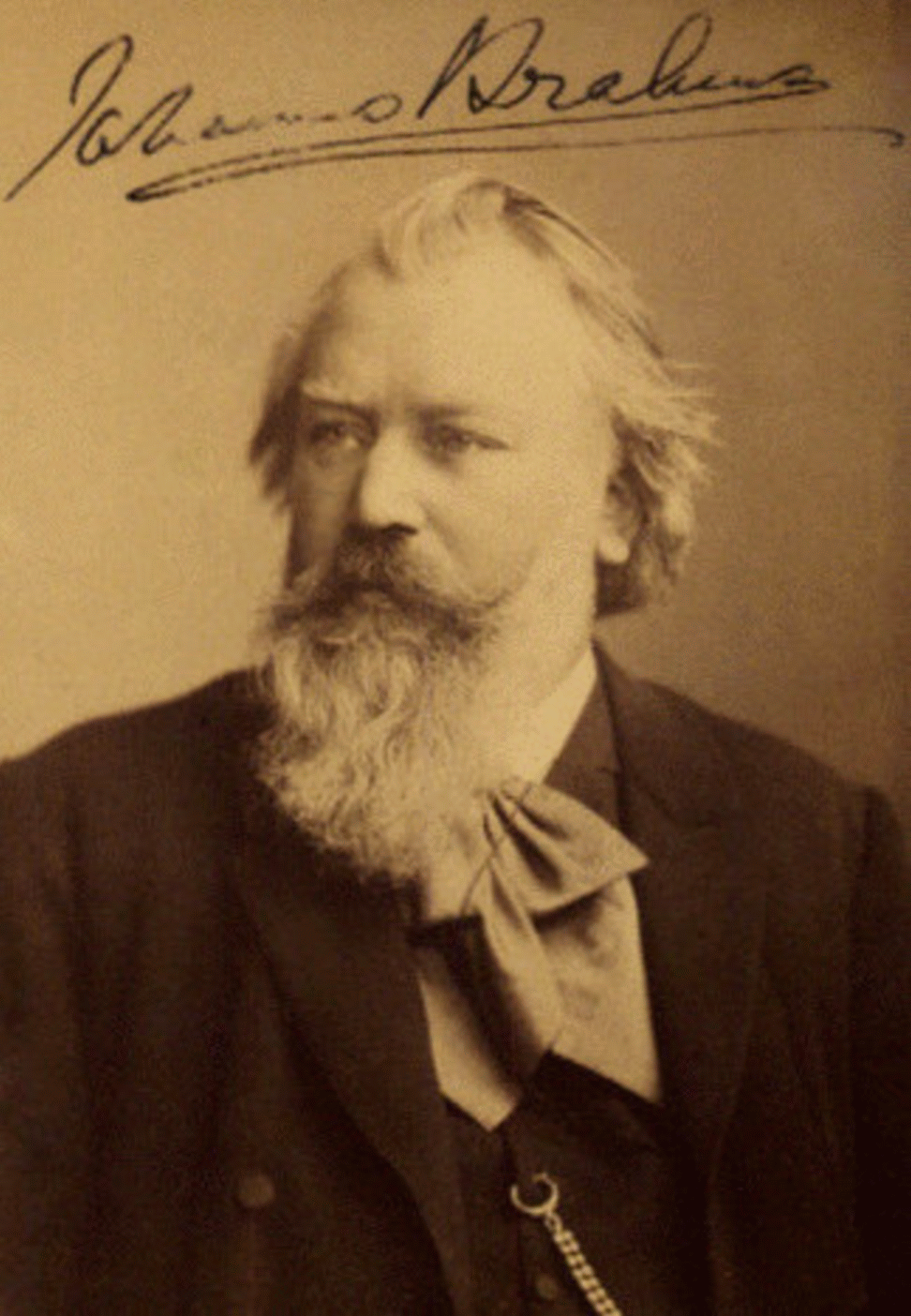
Brahms's compact Third Symphony, composed in 1883 and built around a personal three-note motto.
A symphony composed by Brahms himself, reflecting his personal motto and his friendship with the Schumanns.
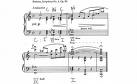
About this source
What it is
Symphony No. 3 in F major, Op. 90, was composed by Johannes Brahms in the summer of 1883 at Wiesbaden and premiered that December in Vienna under conductor Hans Richter. It is the shortest of his four symphonies, published in 1884, with the autograph manuscript now kept at the Library of Congress.
Why it matters
The symphony opens with a three-note motto, F–A♭–F, thought to represent Brahms's personal motto 'free but happy,' a response to his friend Joseph Joachim's own motto. The work also carries echoes of Robert Schumann's 'Rhenish' Symphony, linking it to Brahms's long friendship with the Schumann family. It reveals how Brahms embedded personal meaning into abstract orchestral music.
Look closer
- Why might a composer hide a personal message inside the notes of a symphony rather than stating it directly?
- What does the connection to Schumann's music tell us about Brahms's relationships?
- Why do you think Brahms never explained the motto's meaning himself?
This document is part of the curated material that grounds the AI version of Johannes Brahms on Humy.ai — when students ask about related events, the AI can quote it and cite it.
More Johannes Brahms sources
Browse all 98 →Primary source
Neue Bahnen
Robert Schumann · 28 October 1853
Primary source
Brahms Voice
Johannes Brahms · 1889
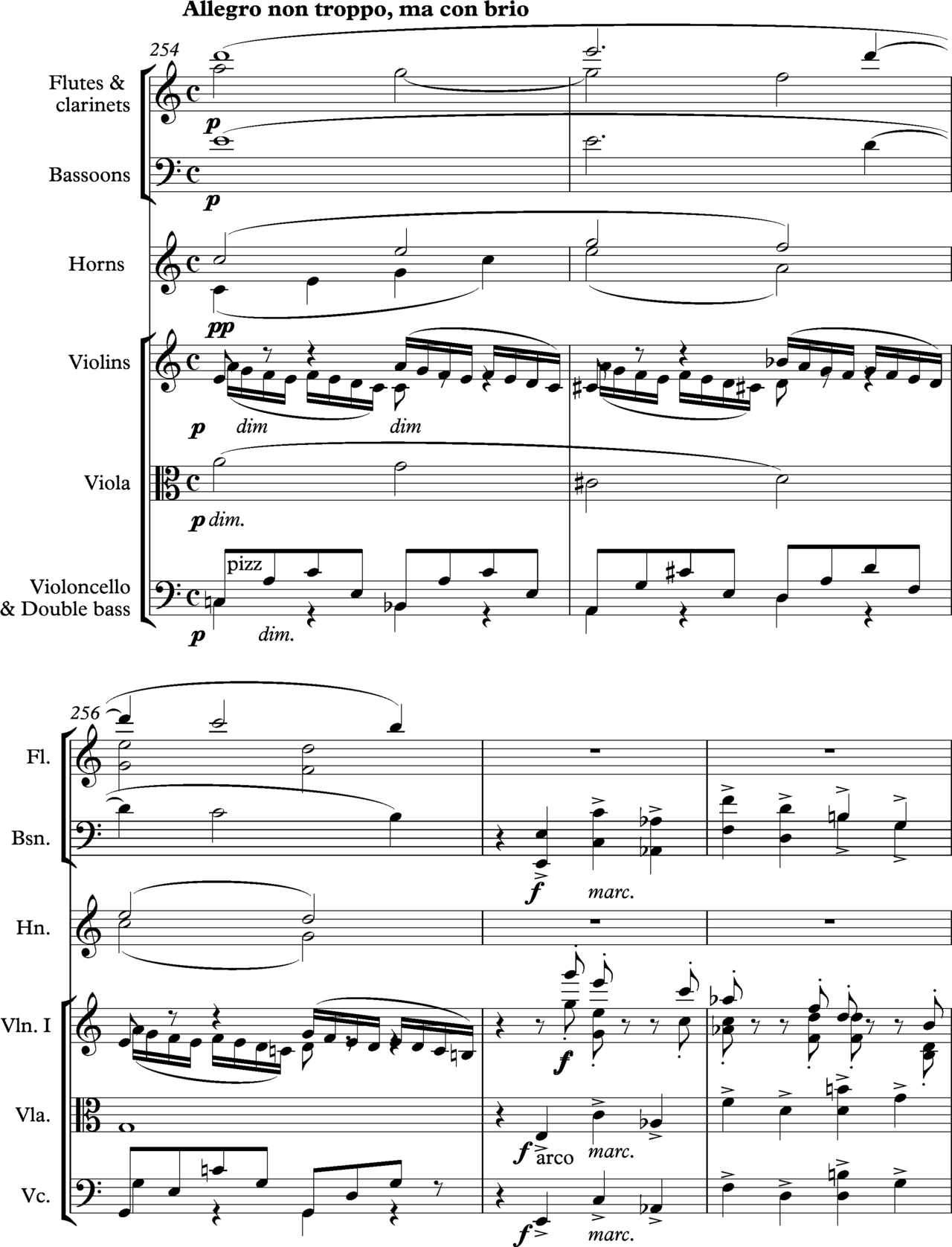 Document
Primary source
Symphony No. 1
Johannes Brahms · 1876
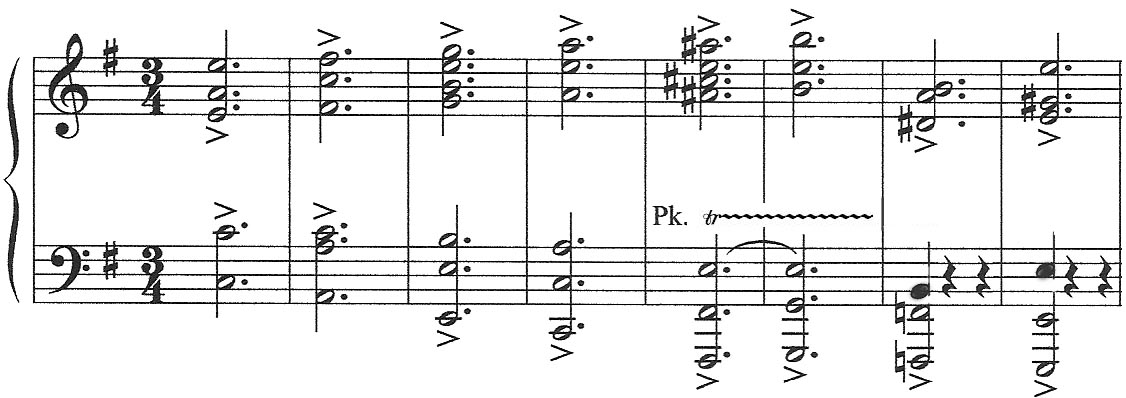 Document
Primary source
Symphony No. 4
Johannes Brahms · 1885
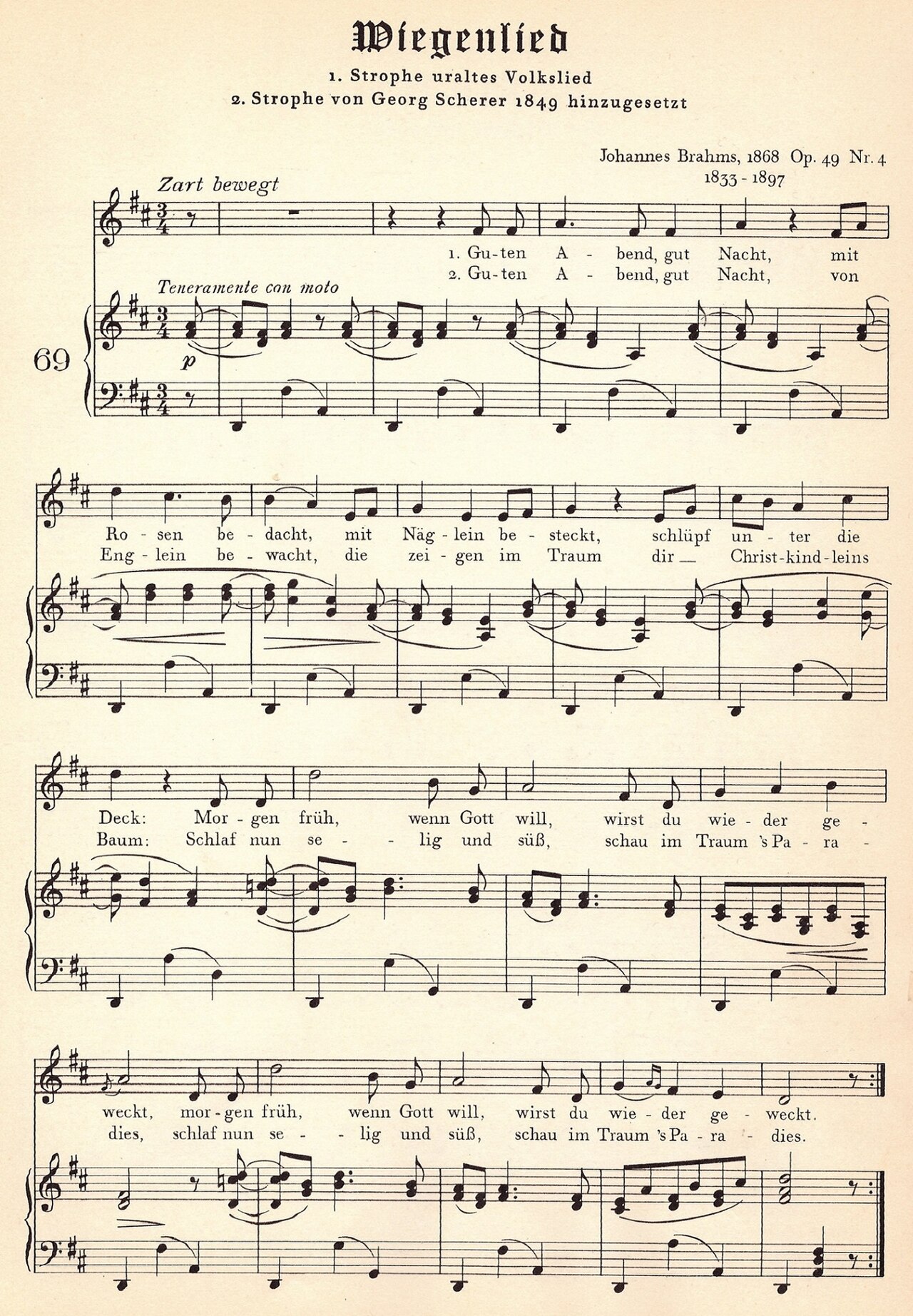
Free account
Read every Johannes Brahms source
Sign up free →
Ready when you are
Start chatting with Johannes Brahms now.
20 messages free · No credit card · Available in 50+ languages.