


Primary sourceDocument1772
Symphony No. 44 (Trauer)
Joseph Haydn · 1772
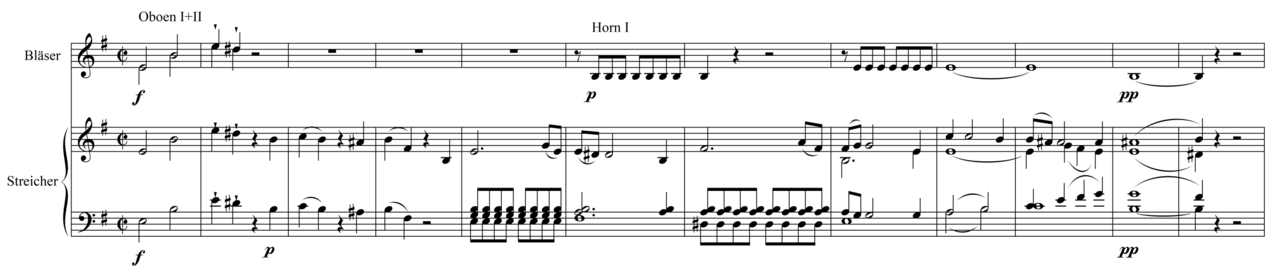
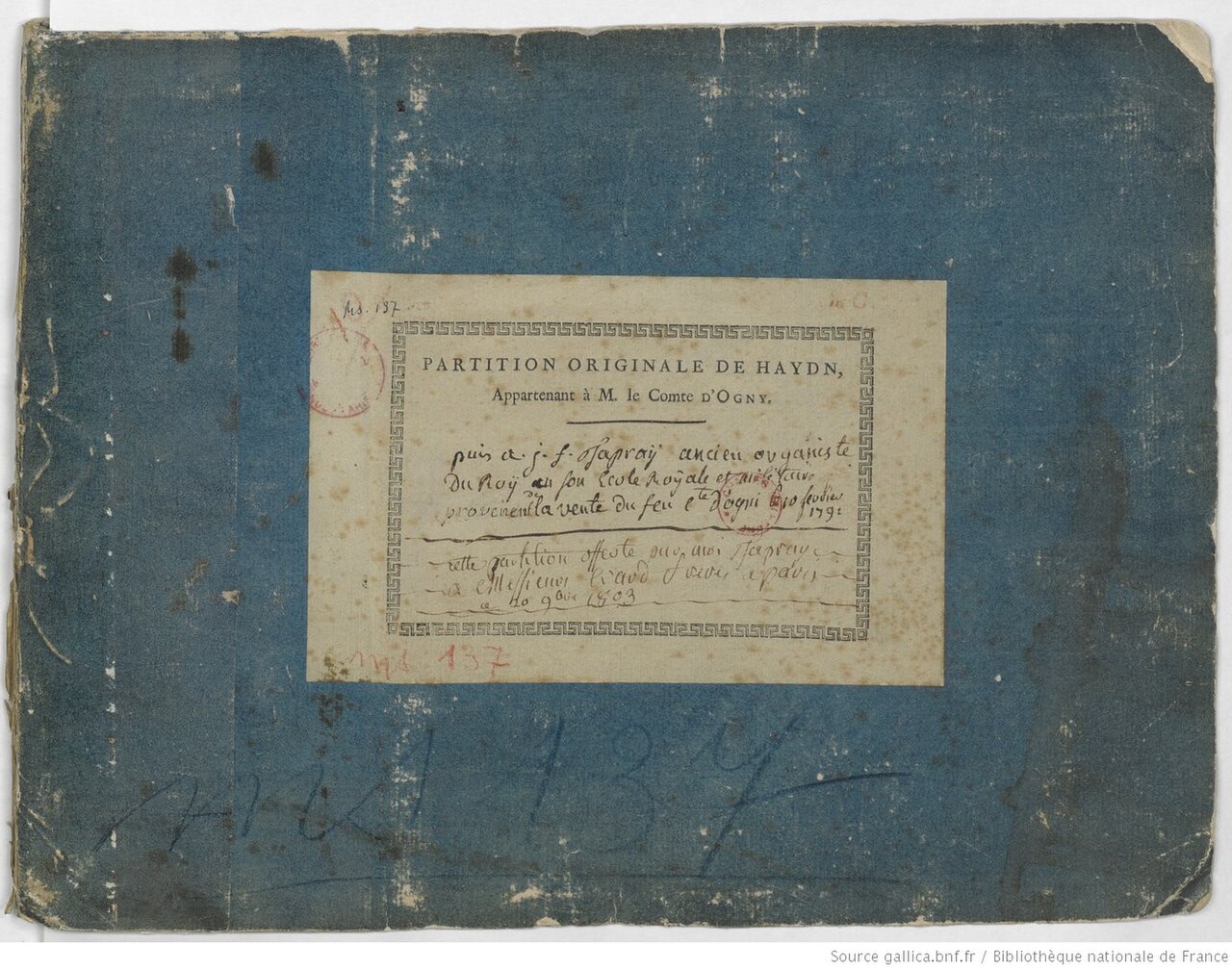
A minor-key symphony by Haydn, nicknamed 'Mourning' from a story that he wanted its slow movement played at his funeral.
Haydn composed this symphony, a key work of his dramatic early period later nicknamed for his reported funeral wish.
About this source
What it is
Symphony No. 44 in E minor, nicknamed Trauer (Mourning), was completed in 1772 by Joseph Haydn. It is scored for oboes, bassoon, horns, strings and continuo, in four movements.
Why it matters
The symphony belongs to Haydn's intense 'Sturm und Drang' period, marked by minor keys and dramatic contrasts. Its nickname comes from an unverified story that Haydn wanted the slow movement played at his own funeral, showing how legends grew around composers even in their own time.
Look closer
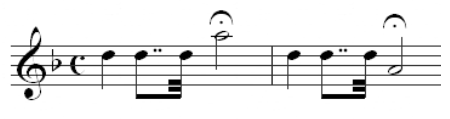
- What do the dynamic markings (f, p, pp) in the score tell you about how dramatic this music was meant to sound?
- Why might a story about a composer's funeral wishes become popular, even if unproven?
- What does the unusual placement of the minuet (second, not third) suggest about Haydn experimenting with form?
This document is part of the curated material that grounds the AI version of Joseph Haydn on Humy.ai — when students ask about related events, the AI can quote it and cite it.
More Joseph Haydn sources
Browse all 77 →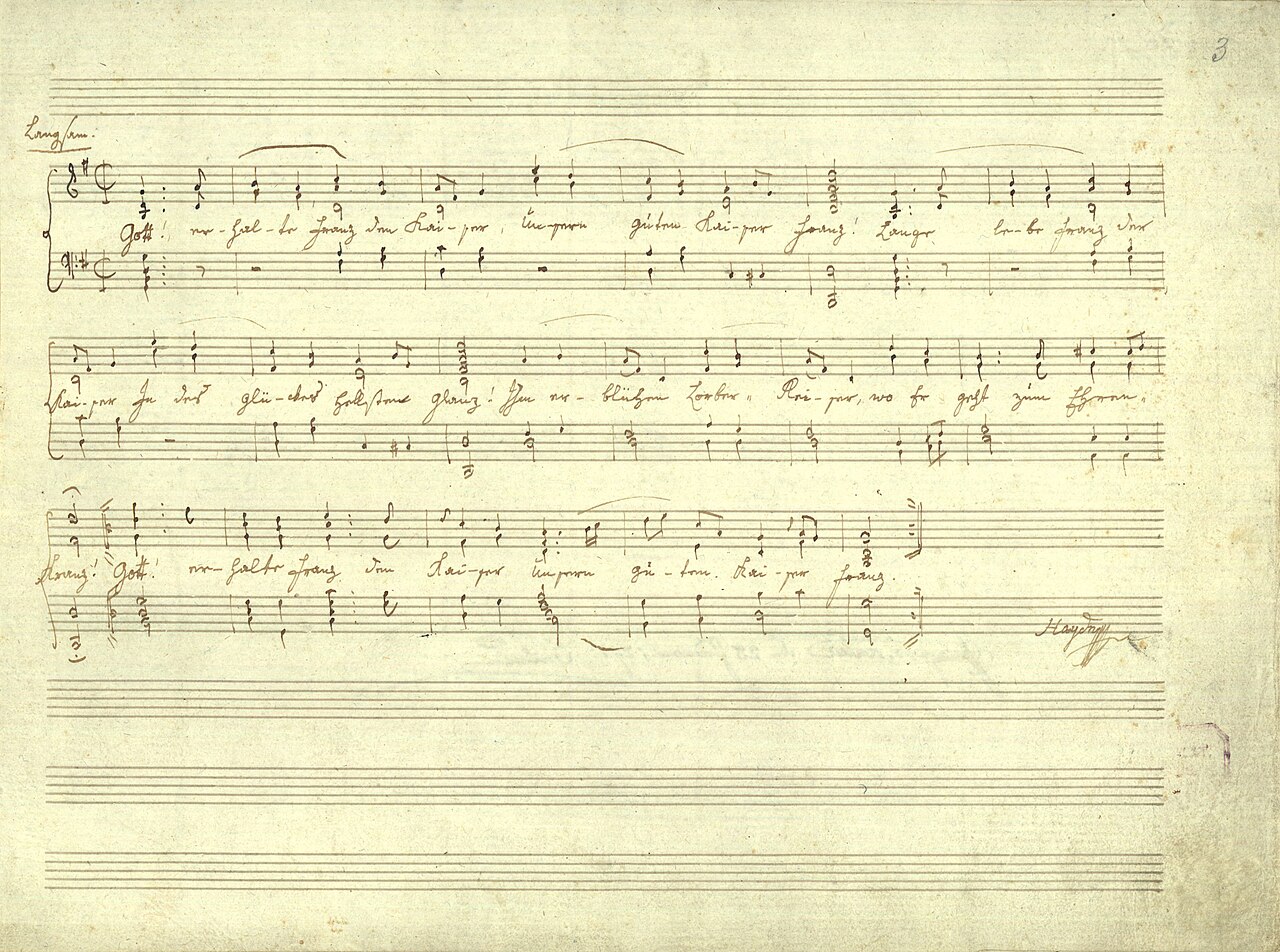 Document
Primary source
Gott erhalte Franz den Kaiser
Joseph Haydn · 1797
 Document
Primary source
Symphony No. 45 (Farewell Symphony)
Joseph Haydn · 1772
 Painting
Primary source
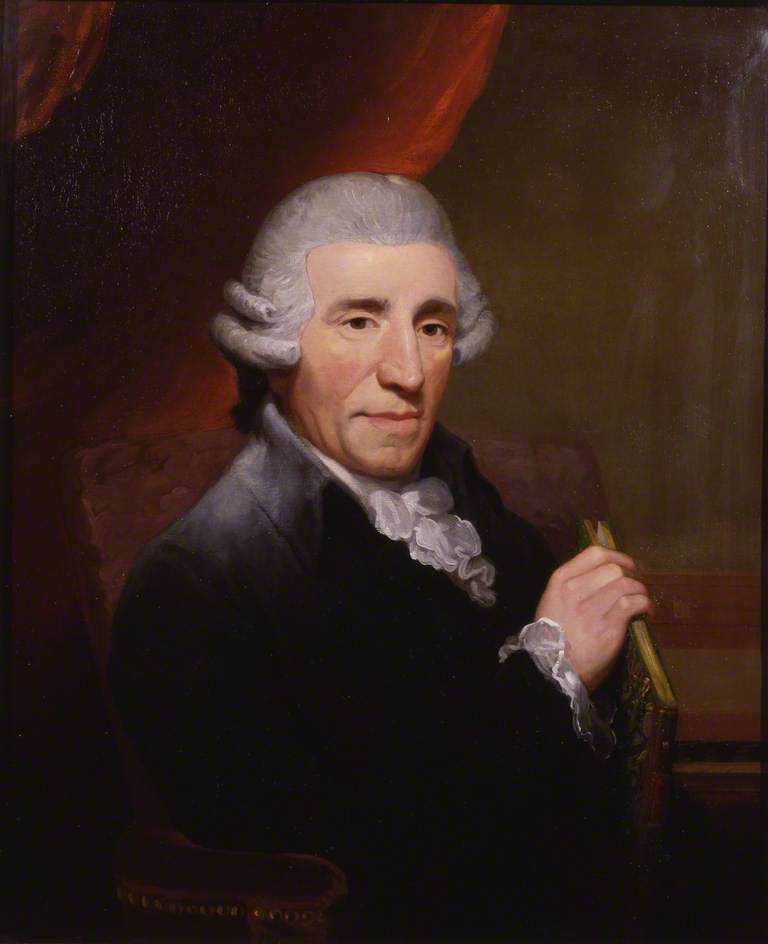
Joseph Haydn
Thomas Hardy · 1791
 Book
Primary source
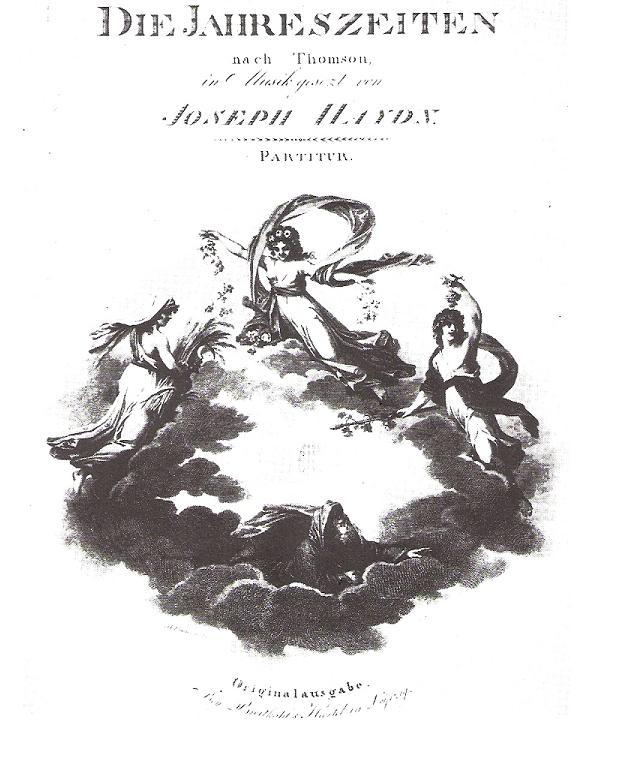
The Seasons
Joseph Haydn · 1801 (published 1802)

Free account
Read every Joseph Haydn source
Sign up free →
Ready when you are
Start chatting with Joseph Haydn now.
20 messages free · No credit card · Available in 50+ languages.