


Primary sourceDocument1768
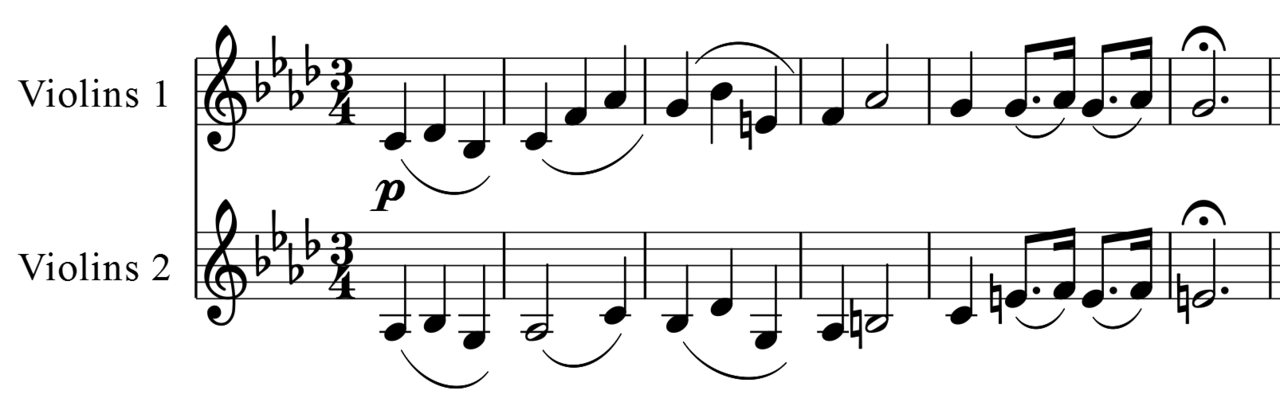
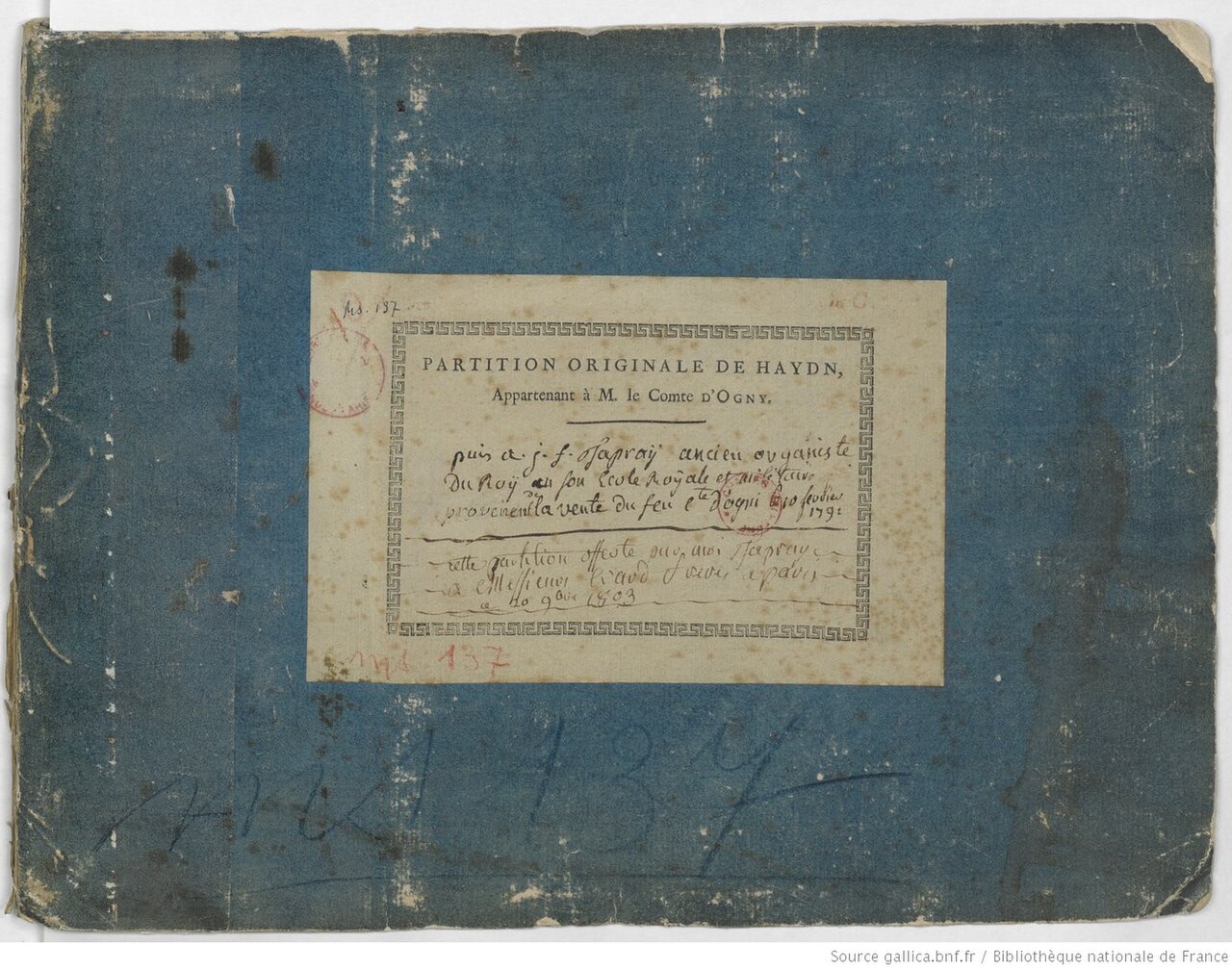
Symphony No. 49, 'La passione'
Joseph Haydn · 1768
A dramatic 1768 symphony by Haydn in F minor, written during his intense 'Sturm und Drang' period at the Esterházy court.
This symphony, composed by Haydn in 1768, exemplifies his intense 'Sturm und Drang' style during his Esterházy years.
About this source
What it is
Symphony No. 49 in F minor, nicknamed 'La passione' (The Passion), was composed by Joseph Haydn in 1768. It is scored for two oboes, bassoon, two horns and strings, and follows an old four-movement church-sonata pattern: slow, fast, slow, fast.
Why it matters
The symphony is often cited as a prime example of Haydn's 'Sturm und Drang' period, known for its intense, minor-key mood. Interestingly, the popular nickname came later and may not reflect Haydn's original intent — some evidence suggests the piece was linked to a comic theatrical character rather than a solemn religious theme. This shows how later audiences and publishers often reshaped the meaning of Haydn's music after it left his hands.
Look closer
- Why might a nickname given long after a piece was written change how listeners understand it?
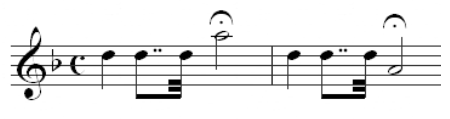
- What clues in the score (key, tempo markings) suggest a mood to performers?
- What does the uncertain origin of the title tell you about how historical sources can conflict?
This document is part of the curated material that grounds the AI version of Joseph Haydn on Humy.ai — when students ask about related events, the AI can quote it and cite it.
More Joseph Haydn sources
Browse all 77 →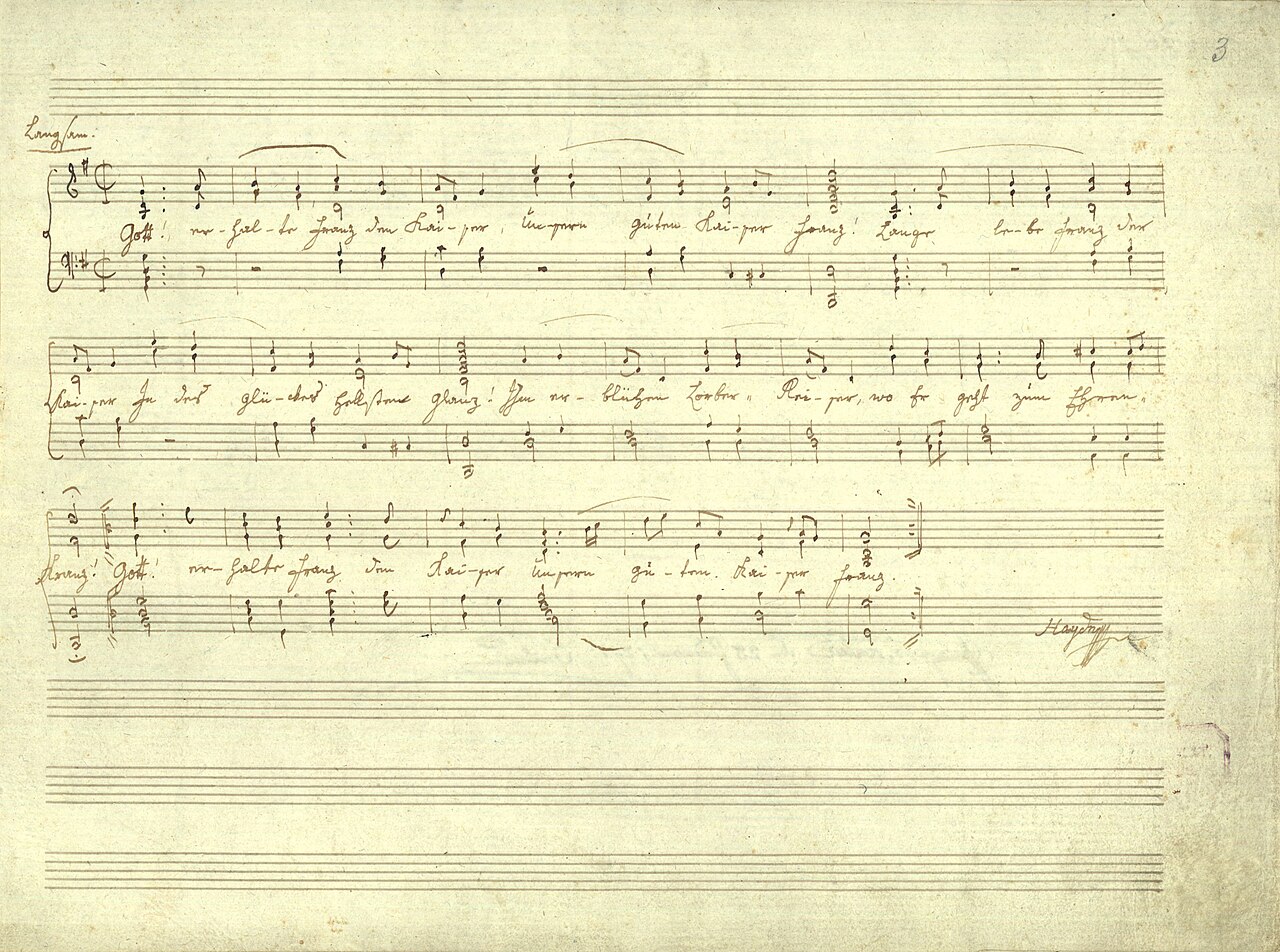 Document
Primary source
Gott erhalte Franz den Kaiser
Joseph Haydn · 1797
 Document
Primary source
Symphony No. 45 (Farewell Symphony)
Joseph Haydn · 1772
 Painting
Primary source
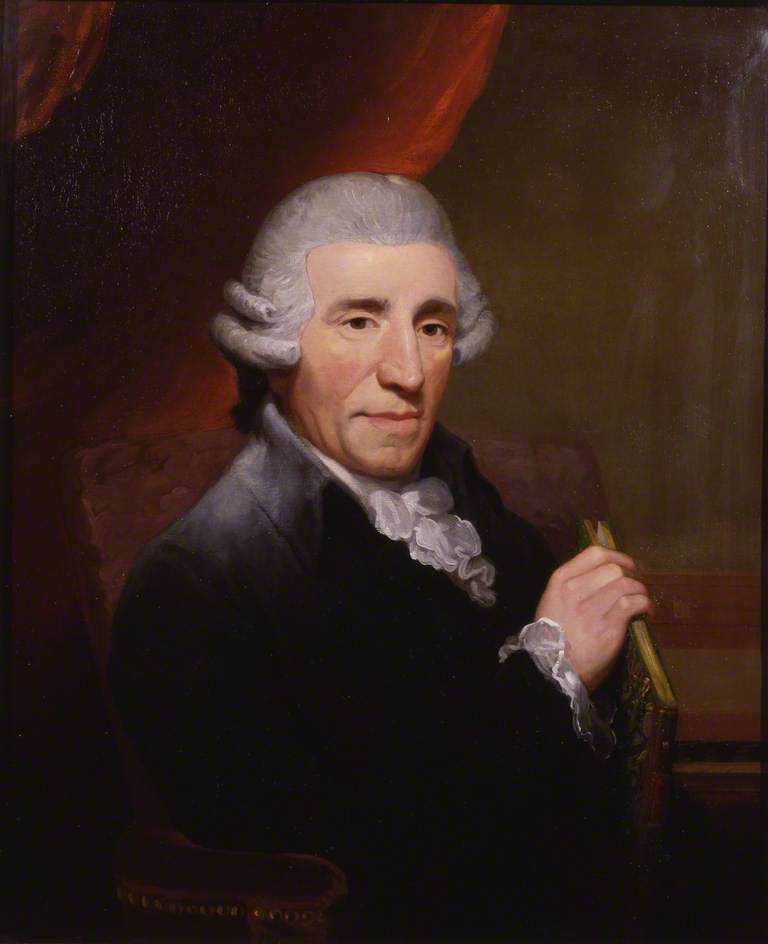
Joseph Haydn
Thomas Hardy · 1791
 Book
Primary source
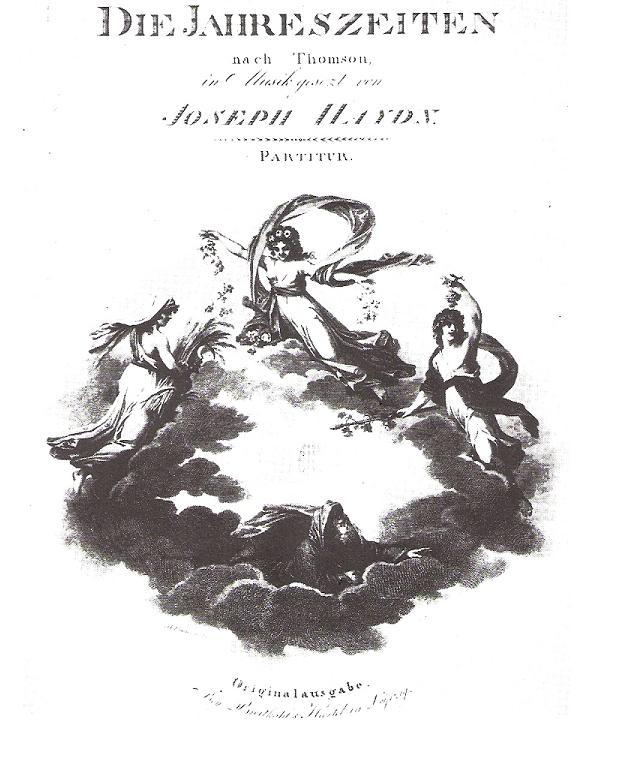
The Seasons
Joseph Haydn · 1801 (published 1802)

Free account
Read every Joseph Haydn source
Sign up free →
Ready when you are
Start chatting with Joseph Haydn now.
20 messages free · No credit card · Available in 50+ languages.