


Primary sourceDocument1761
Symphony No. 6 'Le matin'
Joseph Haydn · 1761
Haydn's first symphony written for the Esterházy court, showcasing the virtuosity of the prince's musicians through a depiction of morning.
Haydn wrote this symphony as his first work for the Esterházy court, marking the start of his long employment there.
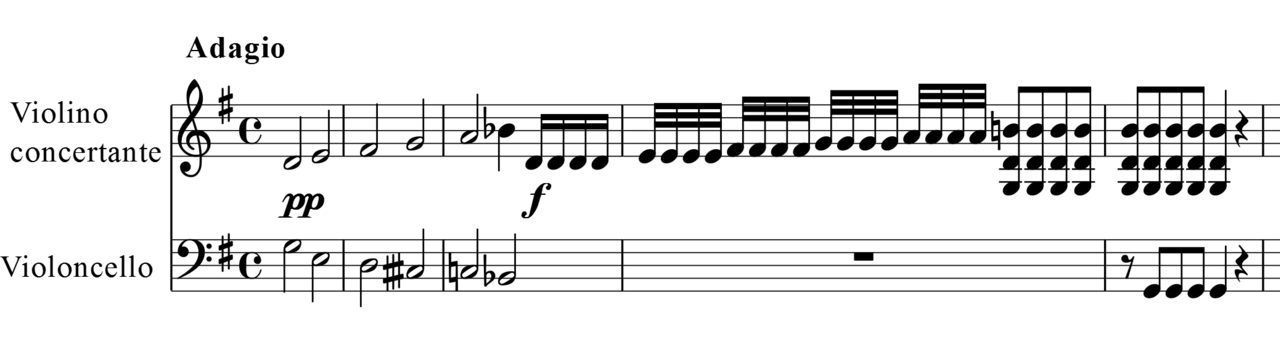
About this source
What it is
Symphony No. 6 in D major was written by Haydn in 1761, shortly after he joined the court of Prince Paul II Anton Esterházy. It is nicknamed 'Le matin' ('Morning') because its opening slow introduction depicts sunrise.
Why it matters
The prince gave Haydn the theme of the times of day for a set of three symphonies. Haydn used extensive solo passages for winds, horn and strings, including rare solo writing for double bass and bassoon, to show off his new orchestra's players and perhaps win their favour as well as the prince's. The work draws on the older concerto grosso tradition popular across Europe.
Look closer
- Why might a new employee compose music that highlights his colleagues' skills rather than his own?
- What does the title 'Morning' add to how we listen to music that has no words?
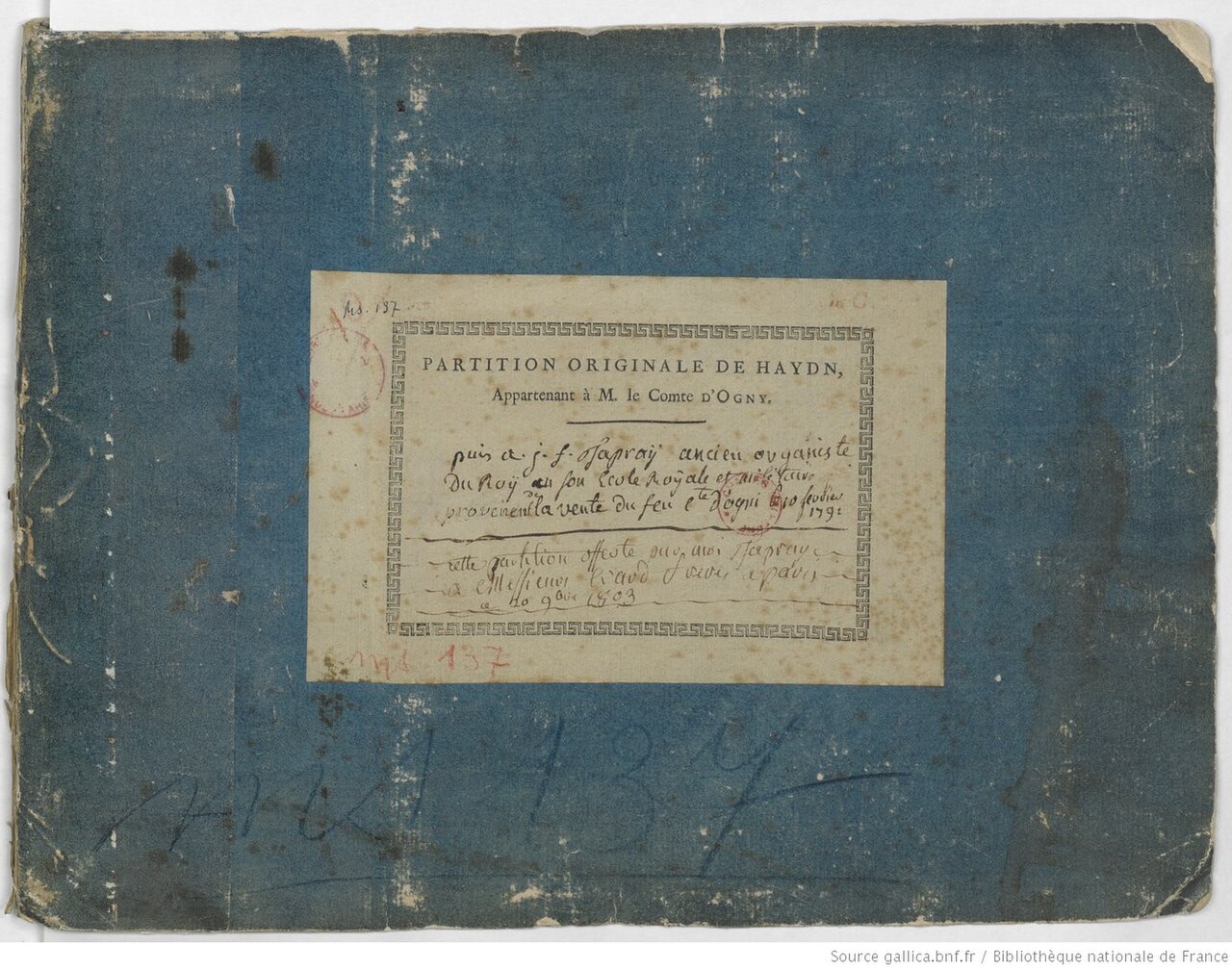
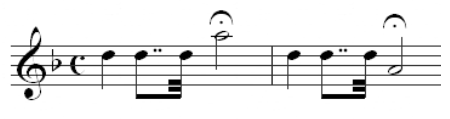
- What does this score excerpt reveal about the instruments Haydn chose to feature?
This document is part of the curated material that grounds the AI version of Joseph Haydn on Humy.ai — when students ask about related events, the AI can quote it and cite it.
More Joseph Haydn sources
Browse all 77 →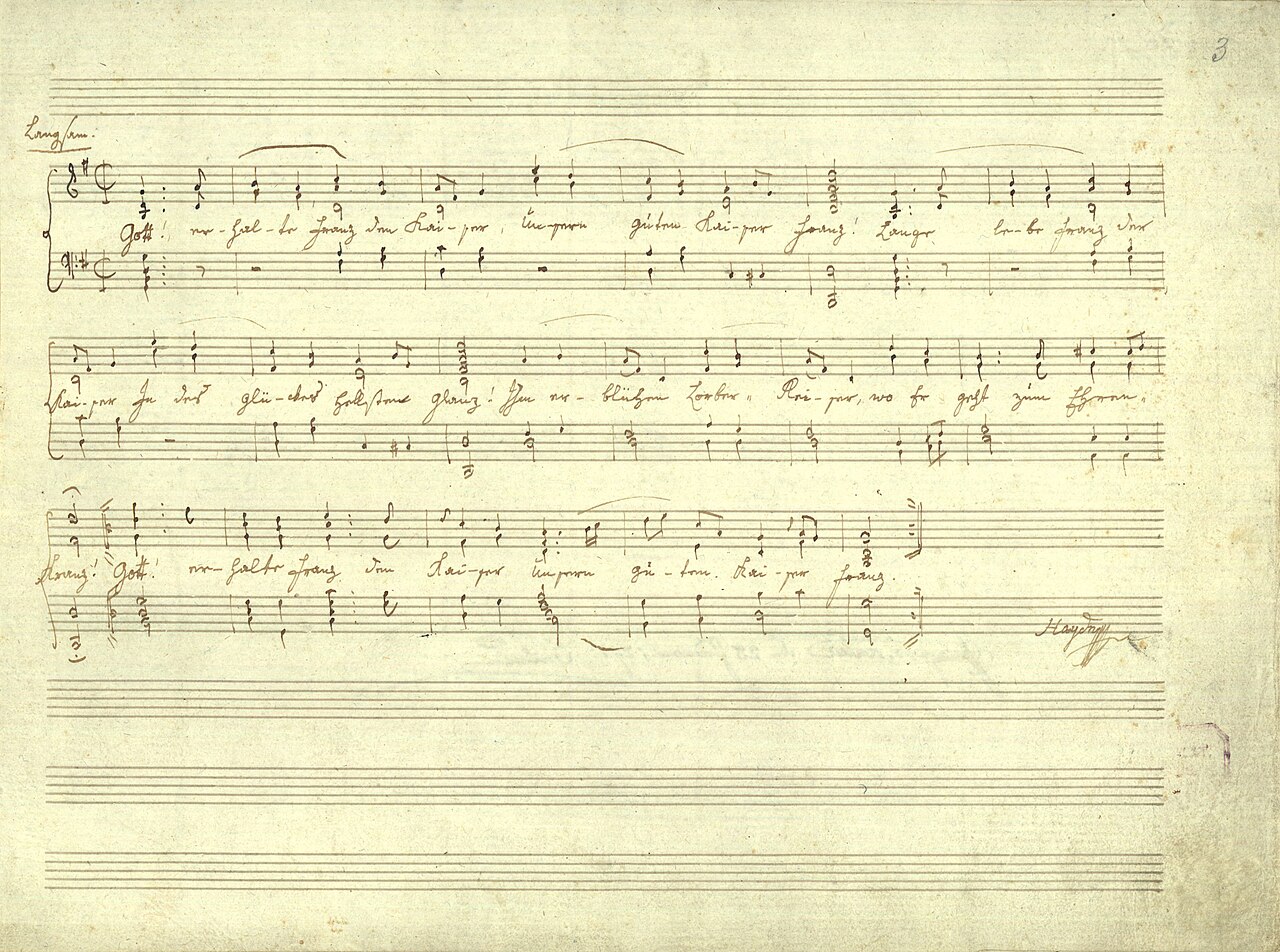 Document
Primary source
Gott erhalte Franz den Kaiser
Joseph Haydn · 1797
 Document
Primary source
Symphony No. 45 (Farewell Symphony)
Joseph Haydn · 1772
 Painting
Primary source
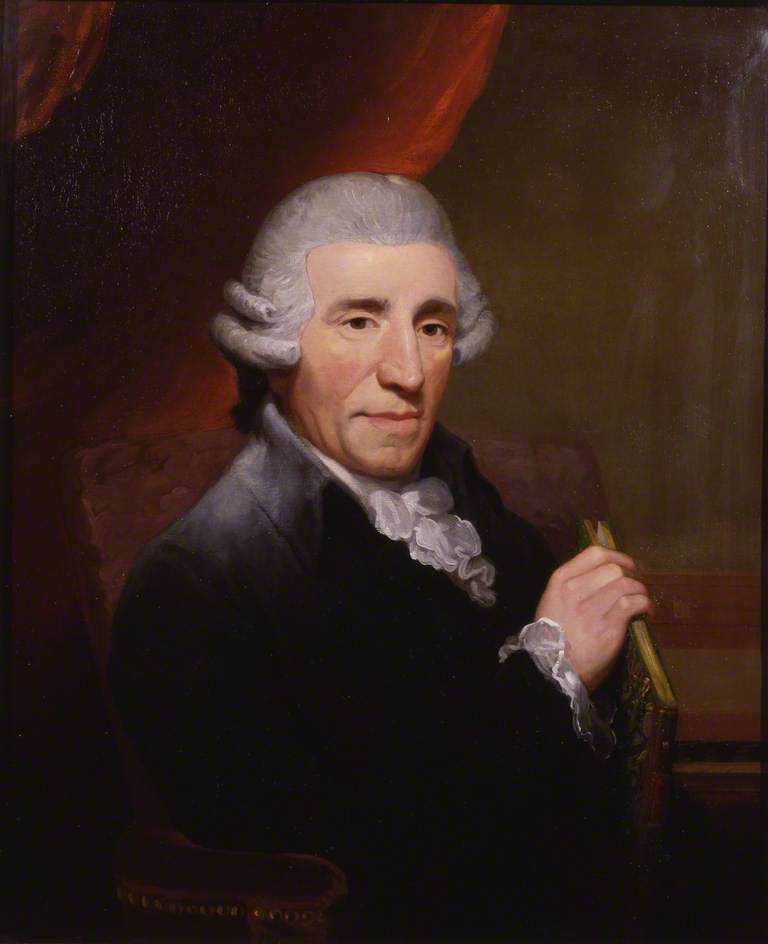
Joseph Haydn
Thomas Hardy · 1791
 Book
Primary source
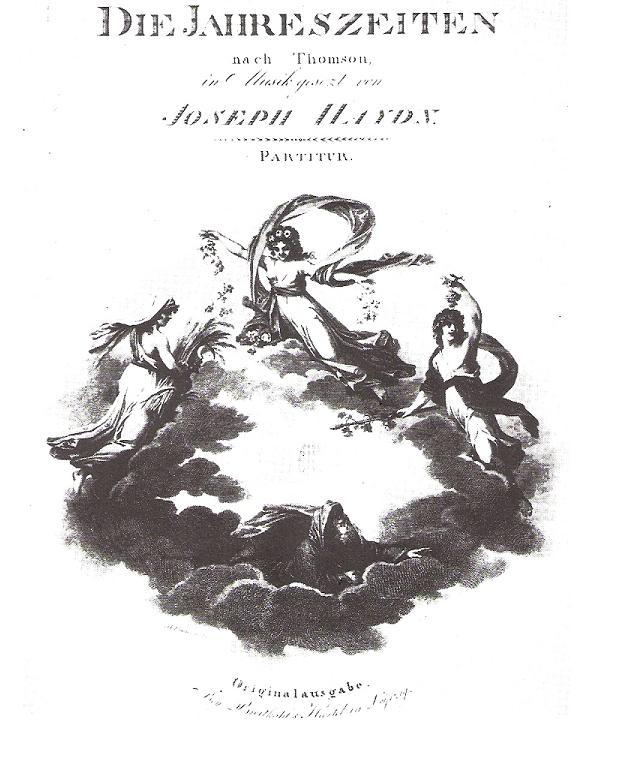
The Seasons
Joseph Haydn · 1801 (published 1802)

Free account
Read every Joseph Haydn source
Sign up free →
Ready when you are
Start chatting with Joseph Haydn now.
20 messages free · No credit card · Available in 50+ languages.