


Primary sourceArtifact1893
Symphony No. 6 (Pathétique)
Pyotr Ilyich Tchaikovsky · 1893
Tchaikovsky's final symphony, premiered just nine days before his death in 1893 and central to debates about his inner life.
Tchaikovsky composed and personally premiered this symphony days before his death, making it deeply tied to his biography.
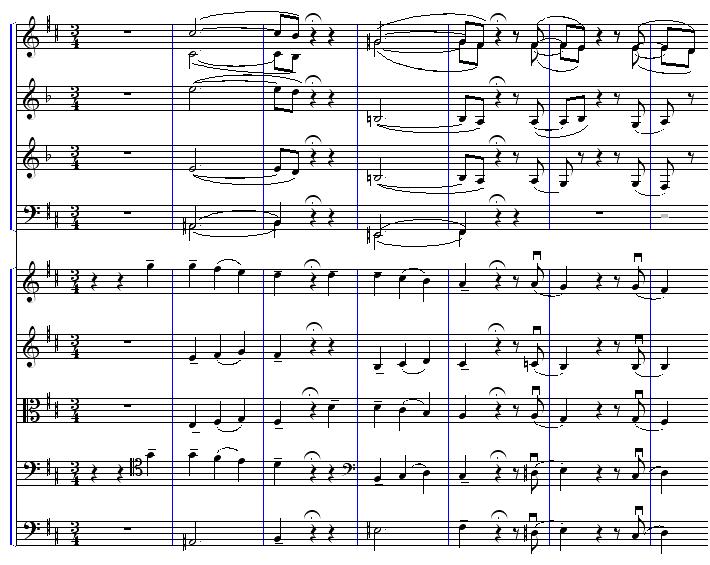
About this source
What it is
The Symphony No. 6 in B minor, known as the Pathétique, is Pyotr Ilyich Tchaikovsky's last completed symphony, written between February and August 1893. He conducted its premiere in Saint Petersburg on 28 October 1893, just nine days before his death. The title, originally a Russian word meaning 'passionate' or 'emotional', was later translated into French as 'Pathétique'.
Why it matters
Tchaikovsky described the symphony as deeply personal, saturated with himself, though he kept its meaning a riddle. Because of its timing so close to his death, the symphony has become central to discussions of his emotional state and the mystery surrounding his final months.
Look closer
- Why might Tchaikovsky have wanted the symphony's meaning to remain a riddle?
- What do his letters to his nephew reveal about his creative process?
- How does knowing the timing of the premiere change how we might listen to this music?
This artifact is part of the curated material that grounds the AI version of Pyotr Ilyich Tchaikovsky on Humy.ai — when students ask about related events, the AI can quote it and cite it.
More Pyotr Ilyich Tchaikovsky sources
Meet the AI Pyotr Ilyich Tchaikovsky →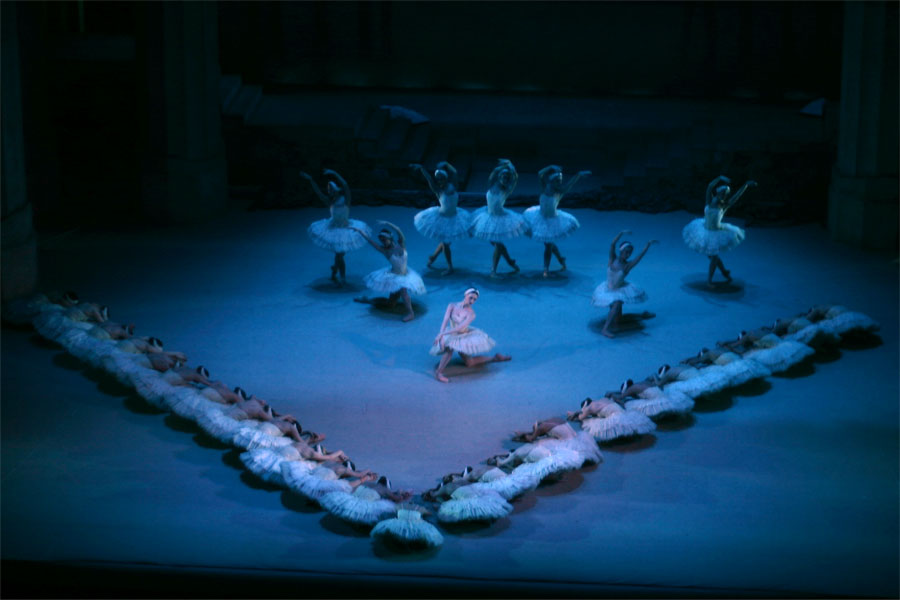 Artifact
Secondary source
Swan Lake
Pyotr Ilyich Tchaikovsky · 1875–1876
 Artifact
Secondary source
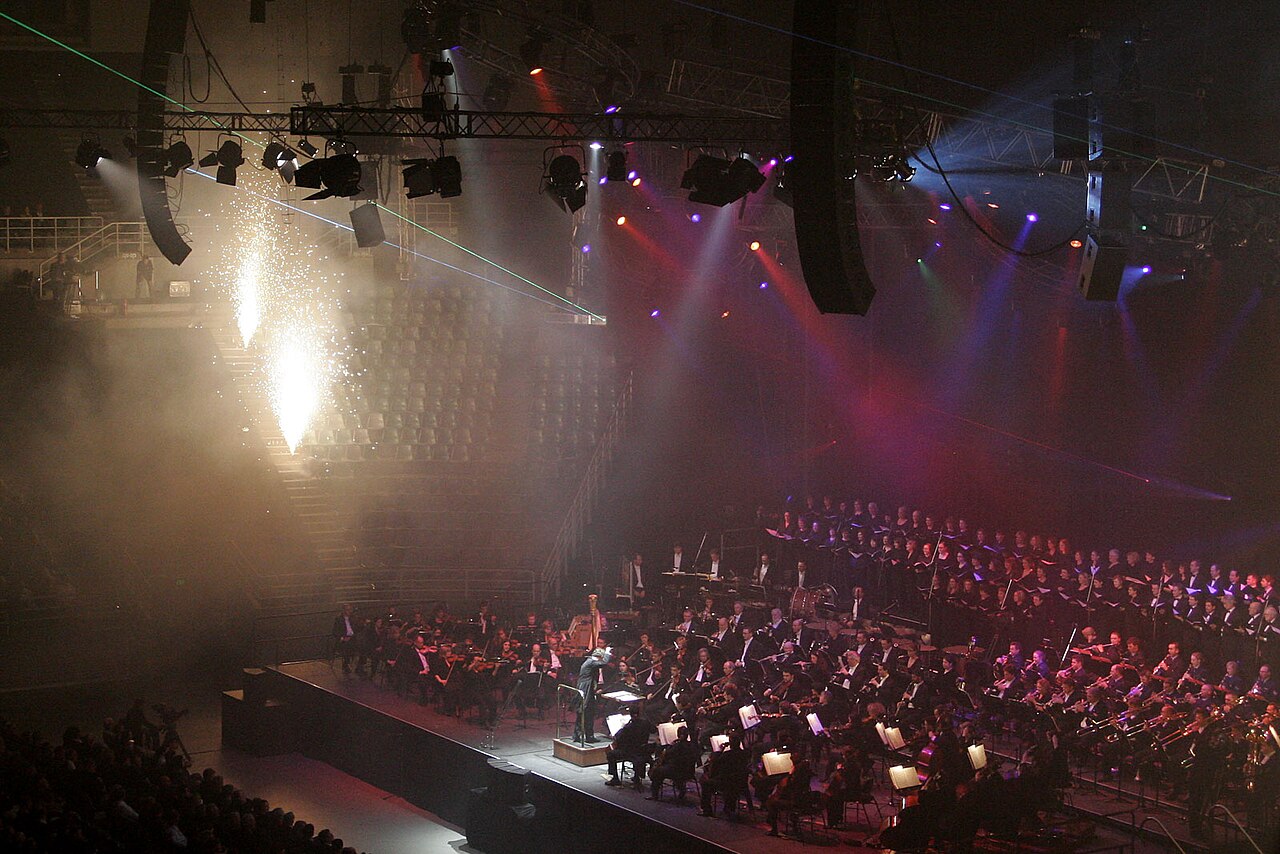
1812 Overture
Pyotr Ilyich Tchaikovsky · 1880
Primary source
Tchaikovsky & Anton Rubinstein & Friends
Julius Block · 1890
 Artifact
Primary source
Eugene Onegin
Pyotr Ilyich Tchaikovsky · 1877–1878
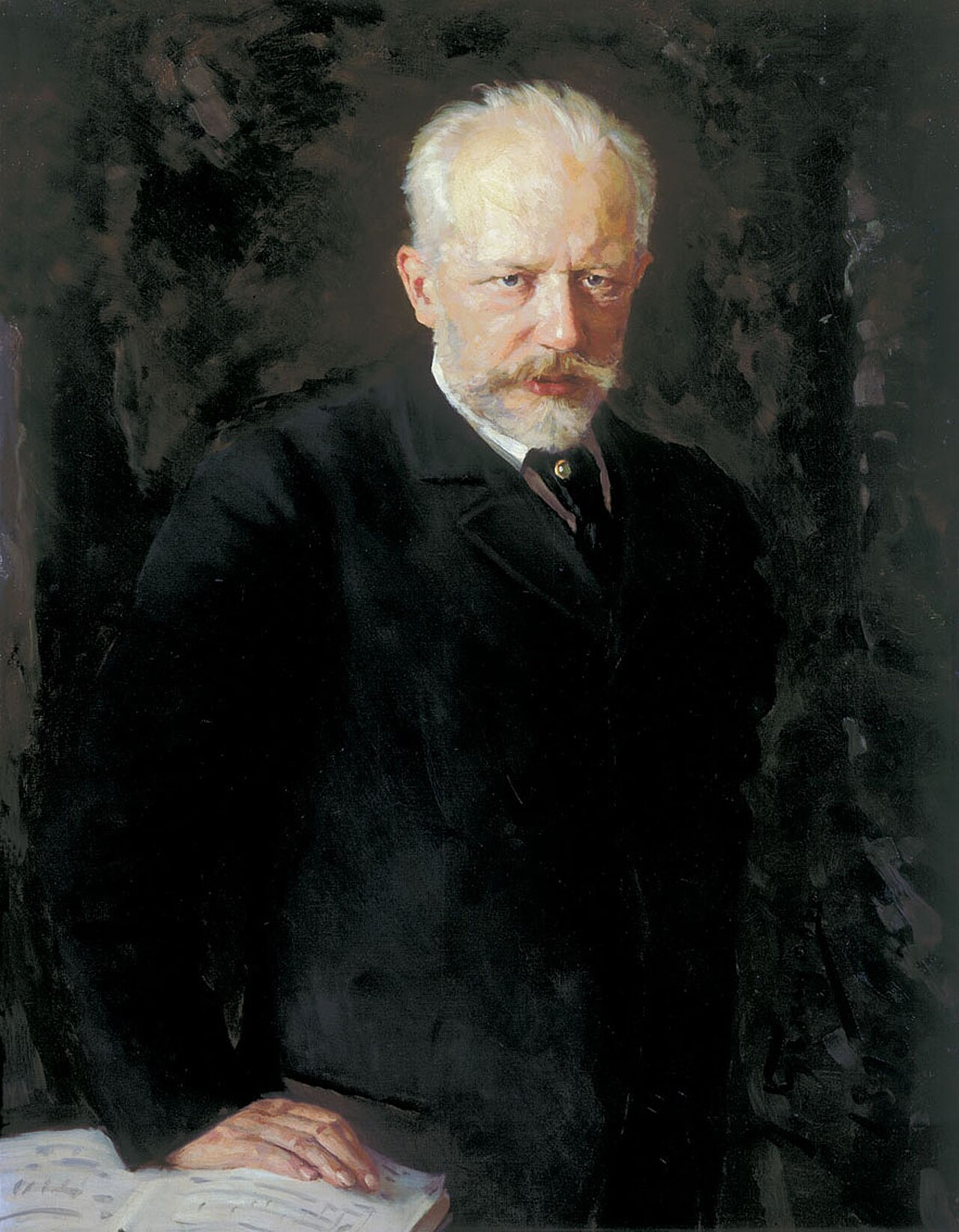 Painting
Primary source
Pyotr Tchaikovsky
Nikolai Dmitriyevich Kuznetsov · 1893
Ready when you are
Start chatting with Pyotr Ilyich Tchaikovsky now.
20 messages free · No credit card · Available in 50+ languages.