


Primary sourceArtifact1890
Tchaikovsky & Anton Rubinstein & Friends
Julius Block · 1890
An 1890 Edison cylinder recording made by Julius Block, preserving the only known recording of Tchaikovsky's voice.
This is the only surviving recording of Tchaikovsky's own voice, captured informally among fellow musicians.
About this source
What it is
This is an audio cylinder recorded in 1890 by Julius Block on behalf of Thomas Edison, capturing the voices of several Russian musicians, including the composer Anton Rubinstein, singer Elizaveta Lavrovskaya, conductor Vasily Safonov, and Pyotr Ilyich Tchaikovsky himself.
Why it matters
This recording is historically significant because it is the only known recording of Tchaikovsky's actual voice. On it, he comments on a trill and jokes about the new recording technology, giving a rare, informal glimpse of the composer among friends and colleagues rather than through his formal compositions.
Look closer
- What does hearing a historical figure's actual voice add that written sources cannot?
- Why might Block have wanted to capture this gathering of musicians on Edison's new technology?
- What do the playful, joking comments reveal about the personalities of those recorded?
This artifact is part of the curated material that grounds the AI version of Pyotr Ilyich Tchaikovsky on Humy.ai — when students ask about related events, the AI can quote it and cite it.
More Pyotr Ilyich Tchaikovsky sources
Meet the AI Pyotr Ilyich Tchaikovsky →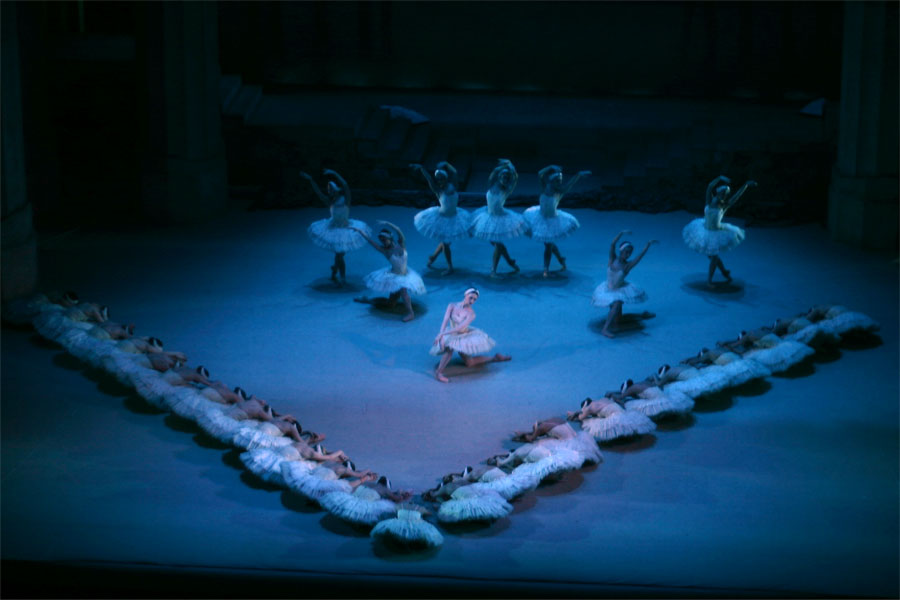 Artifact
Secondary source
Swan Lake
Pyotr Ilyich Tchaikovsky · 1875–1876
 Artifact
Secondary source
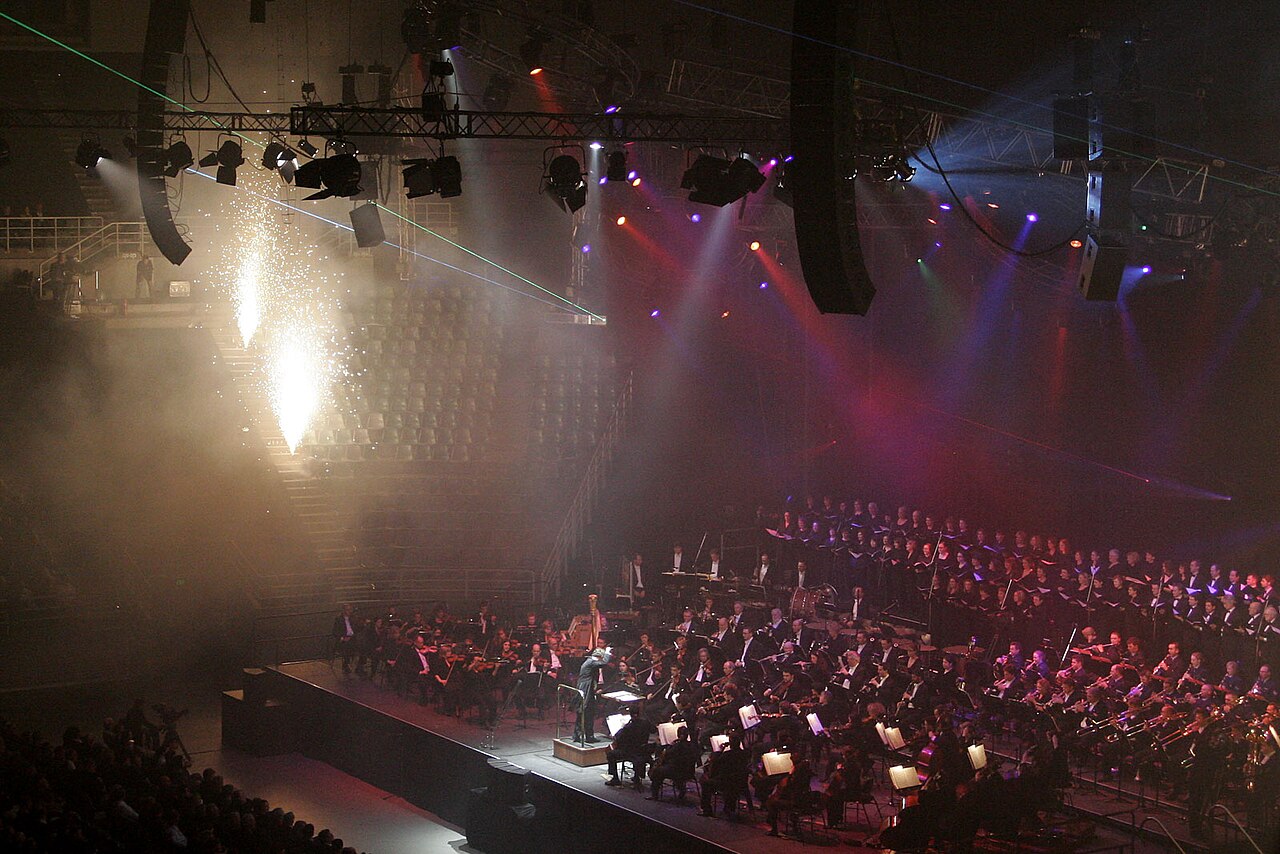
1812 Overture
Pyotr Ilyich Tchaikovsky · 1880
 Artifact
Primary source
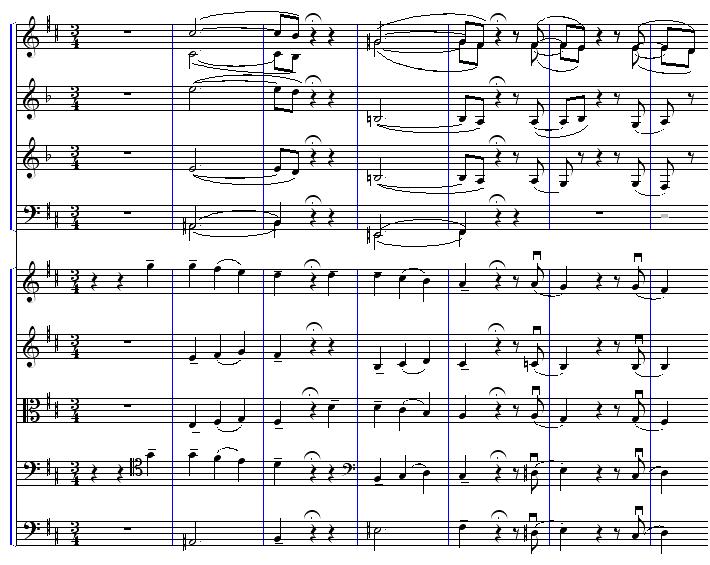
Symphony No. 6 (Pathétique)
Pyotr Ilyich Tchaikovsky · 1893
 Artifact
Primary source
Eugene Onegin
Pyotr Ilyich Tchaikovsky · 1877–1878
 Painting
Primary source
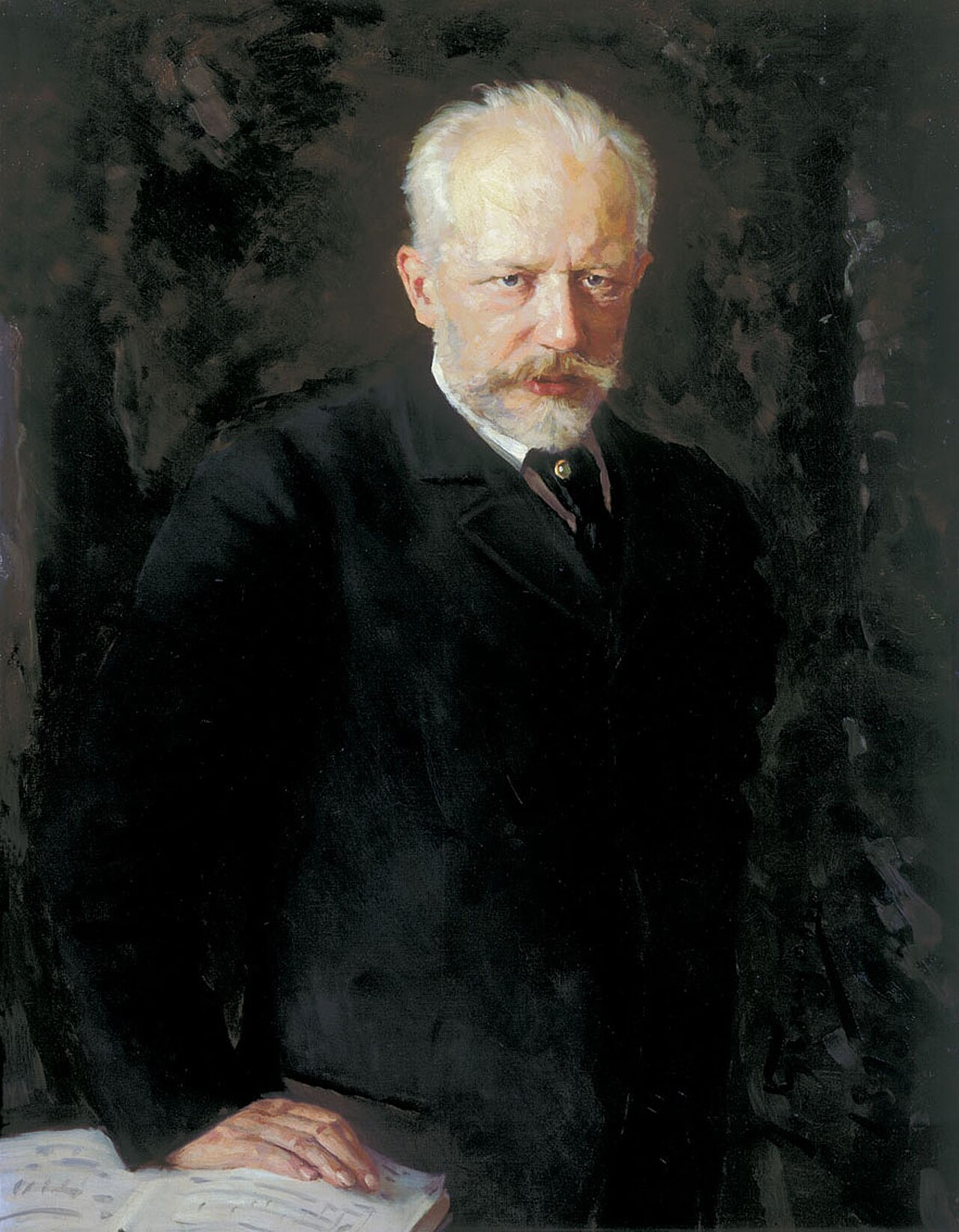
Pyotr Tchaikovsky
Nikolai Dmitriyevich Kuznetsov · 1893
Ready when you are
Start chatting with Pyotr Ilyich Tchaikovsky now.
20 messages free · No credit card · Available in 50+ languages.