


Primary sourceDocument1885
Symphony No. 7
Antonín Dvořák · 1885
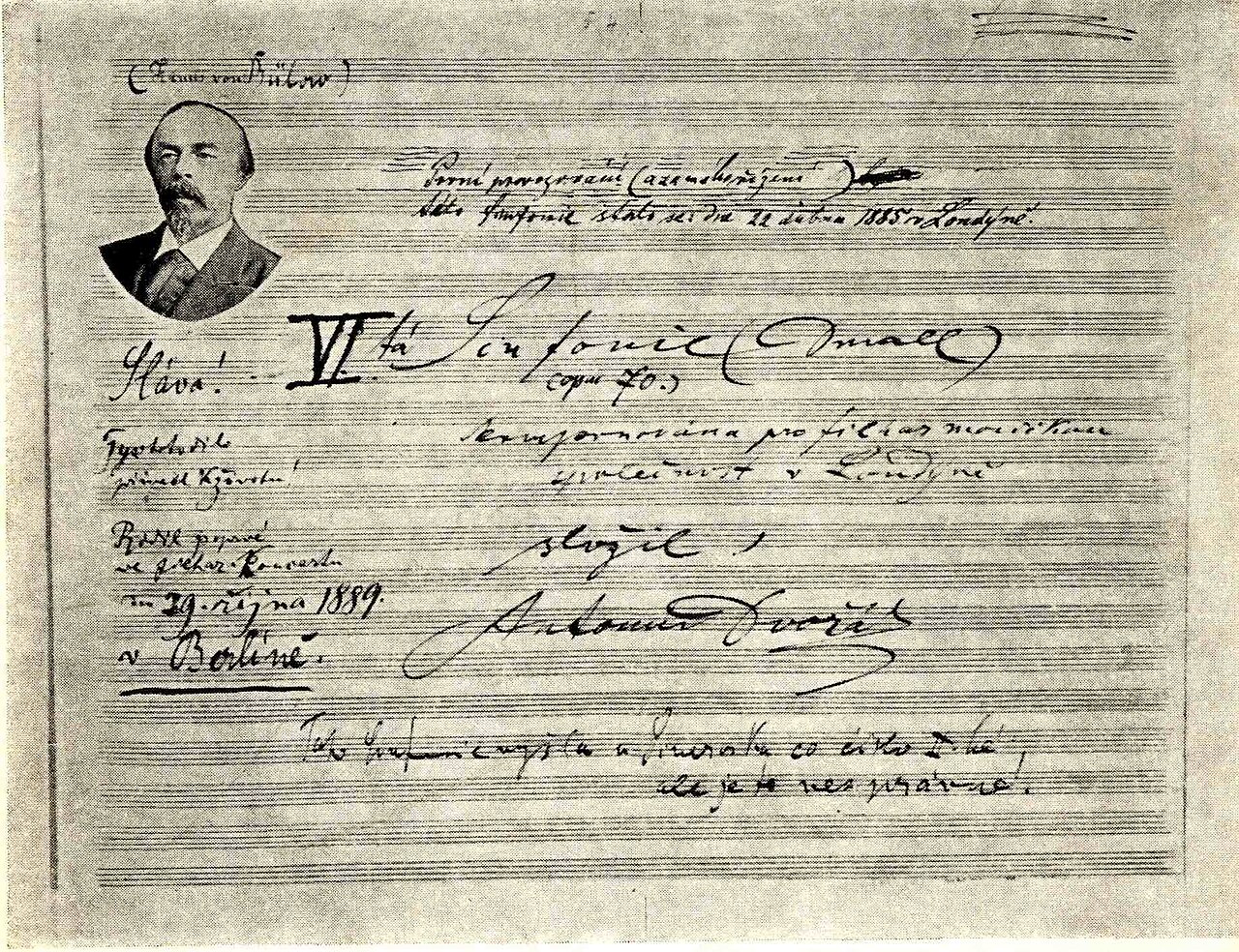
Dvořák's dramatic Symphony No. 7, written in 1885 for the Philharmonic Society of London to rival Brahms.
This is Dvořák's own autograph score of a symphony tied closely to his patriotic feelings and personal grief.
About this source
What it is
The Symphony No. 7 in D minor, Op. 70, is a four-movement orchestral work by Antonín Dvořák, completed on 17 March 1885 and first performed at St James's Hall in London on 22 April 1885, with Dvořák himself conducting. It was written at the invitation of the Royal Philharmonic Society.
Why it matters
Dvořák was inspired partly by Johannes Brahms's Third Symphony and wanted to write something serious and dramatic, moving away from his earlier carefree folk style. He connected the symphony to his Czech patriotism, recalling how the sight of countrymen arriving by train for a political meeting inspired its opening theme, and the slow movement reflects grief over recent deaths in his family. Publishing it also caused him real difficulty, as his publisher Fritz Simrock resisted printing his Czech name and the dedication to the Royal Philharmonic Society.
Look closer
- Why might Dvořák have wanted to write a 'serious' symphony to rival Brahms?
- What does the conflict with his publisher reveal about identity and nationality in 19th-century Europe?
- What personal events might you sense behind the music, based on what Dvořák himself said about it?
This document is part of the curated material that grounds the AI version of Antonín Dvořák on Humy.ai — when students ask about related events, the AI can quote it and cite it.
More Antonín Dvořák sources
Browse all 96 →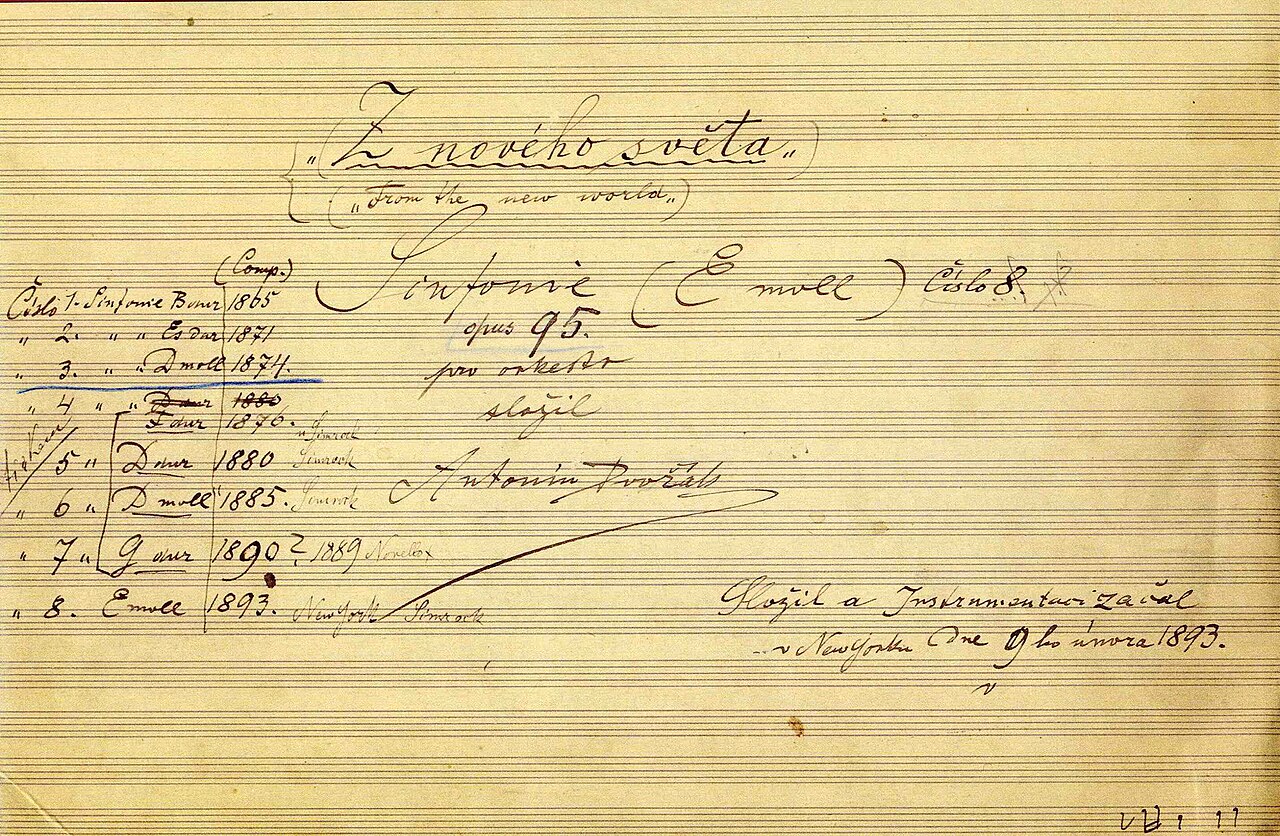 Document
Primary source
Symphony No. 9 'From the New World'
Antonín Dvořák · 1893
 Document
Primary source
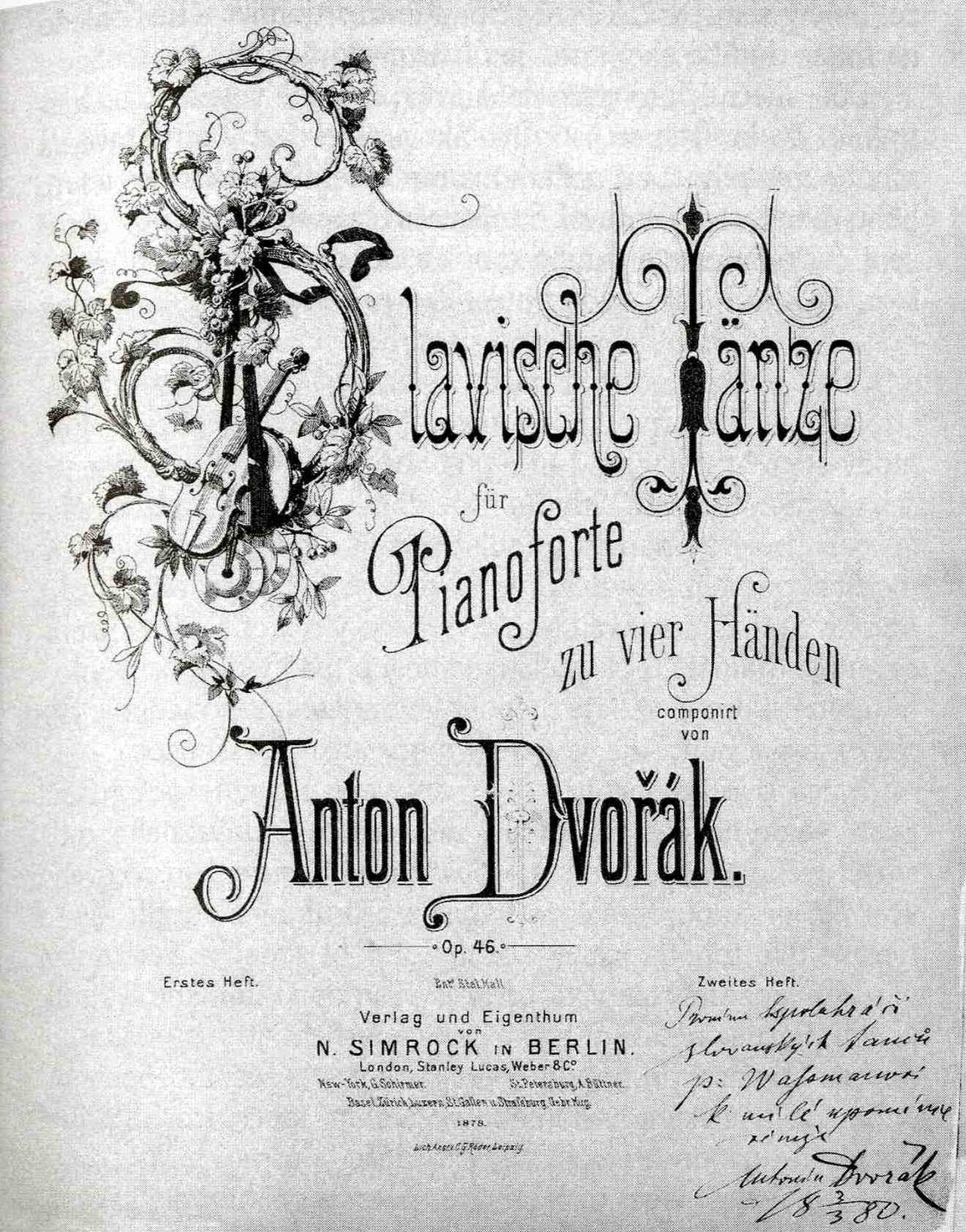
Slavonic Dances
Antonín Dvořák · 1878–1886
 Document
Primary source
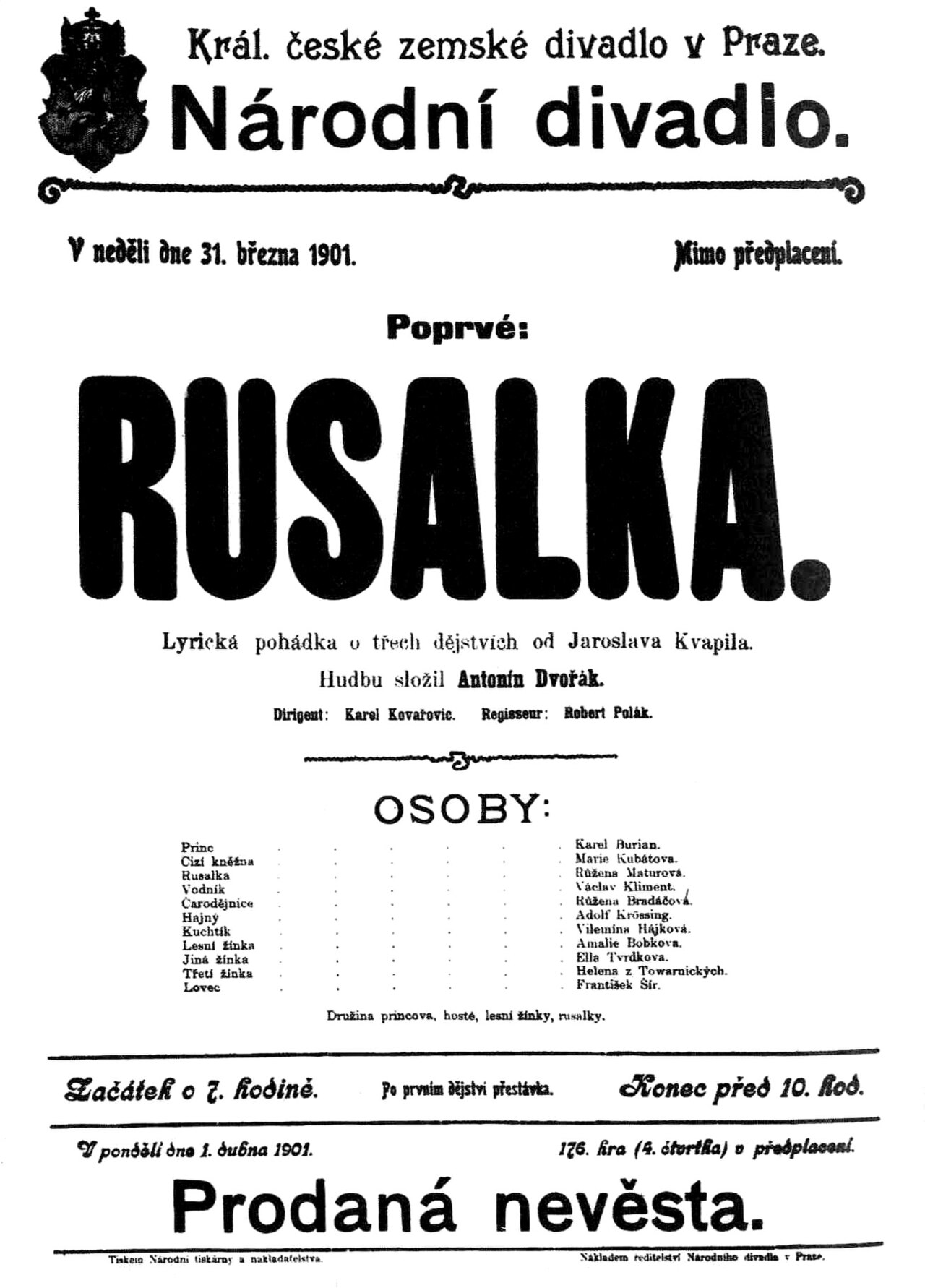
Cello Concerto in B minor
Antonín Dvořák · 1894–1895
 Document
Primary source
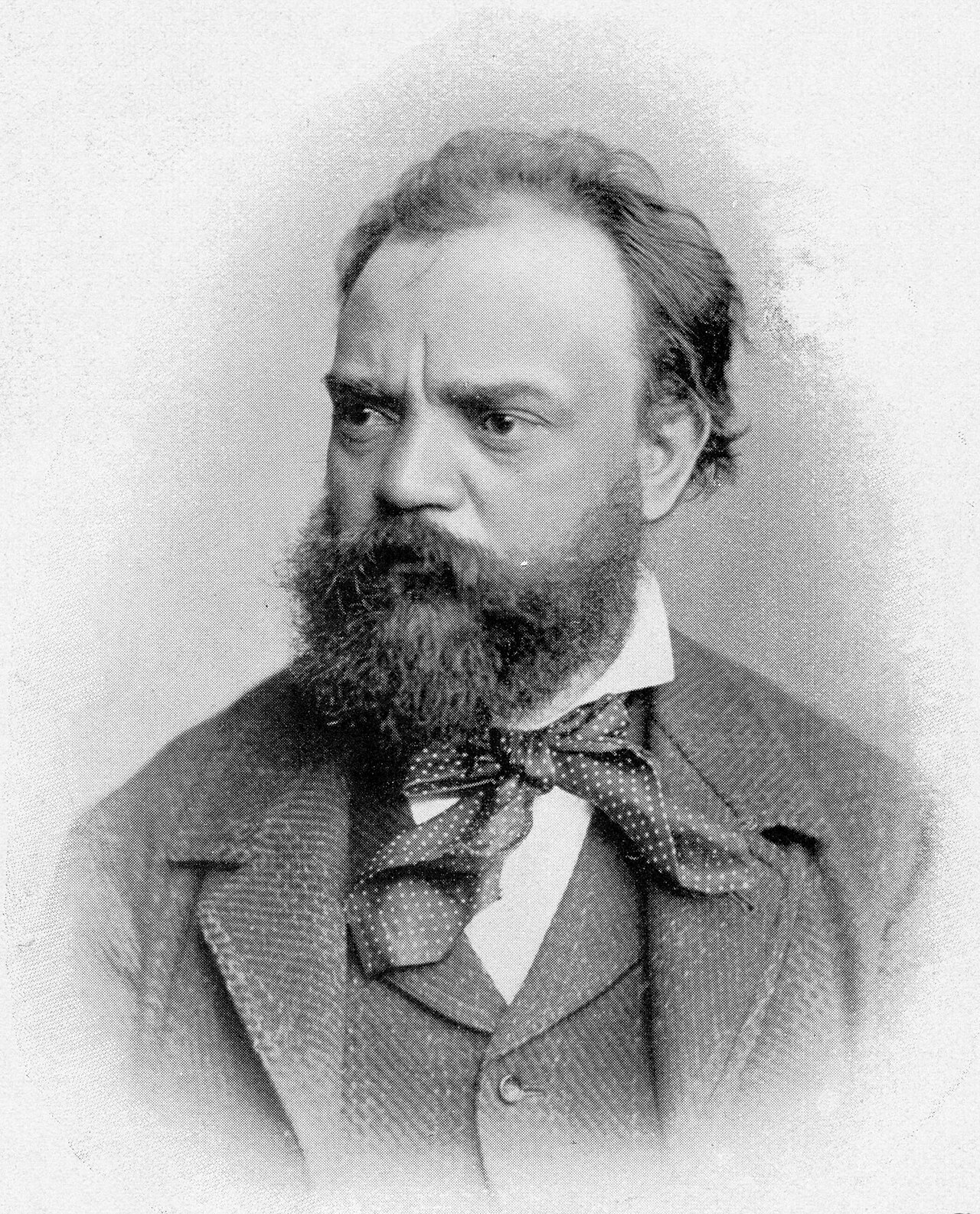
Rusalka
Antonín Dvořák · 1900–1901
Free account
Read every Antonín Dvořák source
Sign up free →
Ready when you are
Start chatting with Antonín Dvořák now.
20 messages free · No credit card · Available in 50+ languages.