


Secondary sourceArtifact1889
Symphony No. 8, second movement (Adagio)
Antonín Dvořák · 1889
An audio recording of the Adagio from Dvořák's Symphony No. 8, Op. 88. It lets students hear the music of the Czech composer rather than only read about it.
Shows Dvořák as the composer of the symphony's slow movement, so students can hear one of his large orchestral works.
Free Humy account · No credit card · 120,288 sources to read
About this source
What it is
This is an audio recording of the second movement, the Adagio, of Dvořák's Symphony No. 8, Op. 88. The collection record links the symphony to the year 1889. The file is not Dvořák's own recording and is not an original object from his time. It is a later audio file of his music, held on Wikimedia Commons.
Why it matters
Dvořák was a Czech composer, and his symphonies are part of the concert repertoire. A recording shows how a written score sounds when performed. Because this is a modern audio file, it shows how his music reaches listeners today, not exactly how he heard it at its first performance.
Look closer
- What mood do the opening moments create, and which instruments carry the main melody?
- Who made this performance, and how might a different orchestra have played the same notes?
- What can a sound file not show about the composer's intentions or the first audience's reaction?
This artifact is part of the curated material that grounds the AI version of Antonín Dvořák on Humy.ai — when students ask about related events, the AI can quote it and cite it.
More Antonín Dvořák sources
Browse all 96 →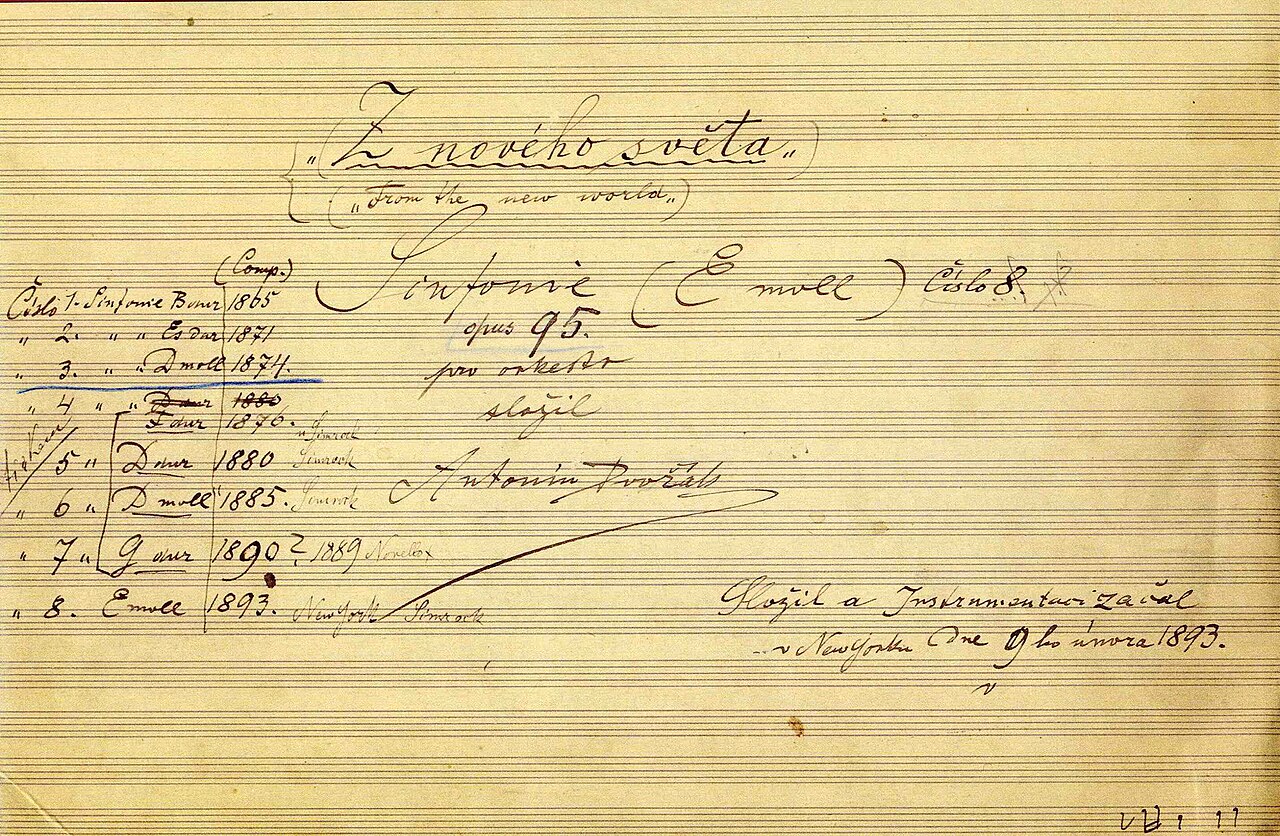 Document
Primary source
Symphony No. 9 'From the New World'
Antonín Dvořák · 1893
 Document
Primary source
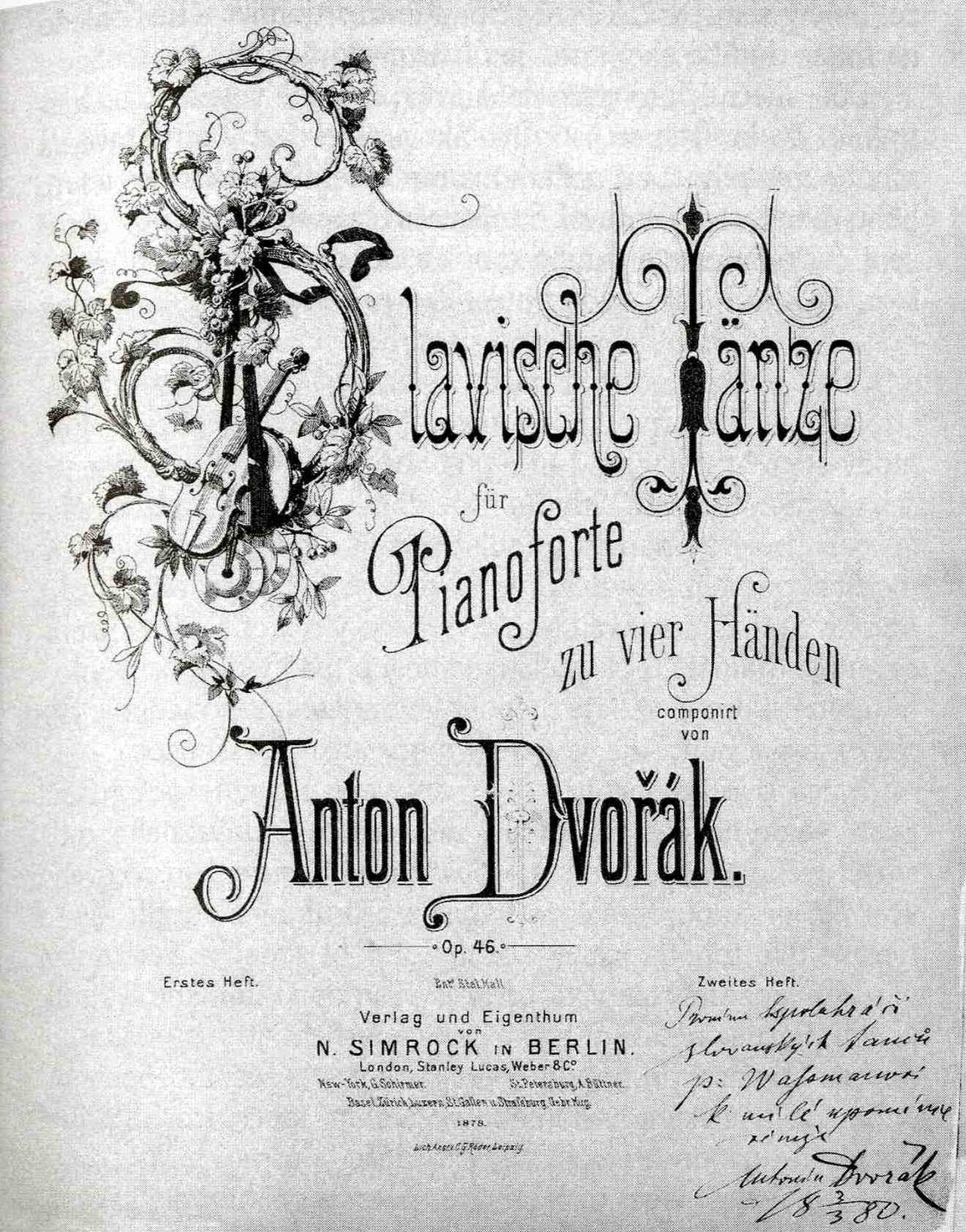
Slavonic Dances
Antonín Dvořák · 1878–1886
 Document
Primary source
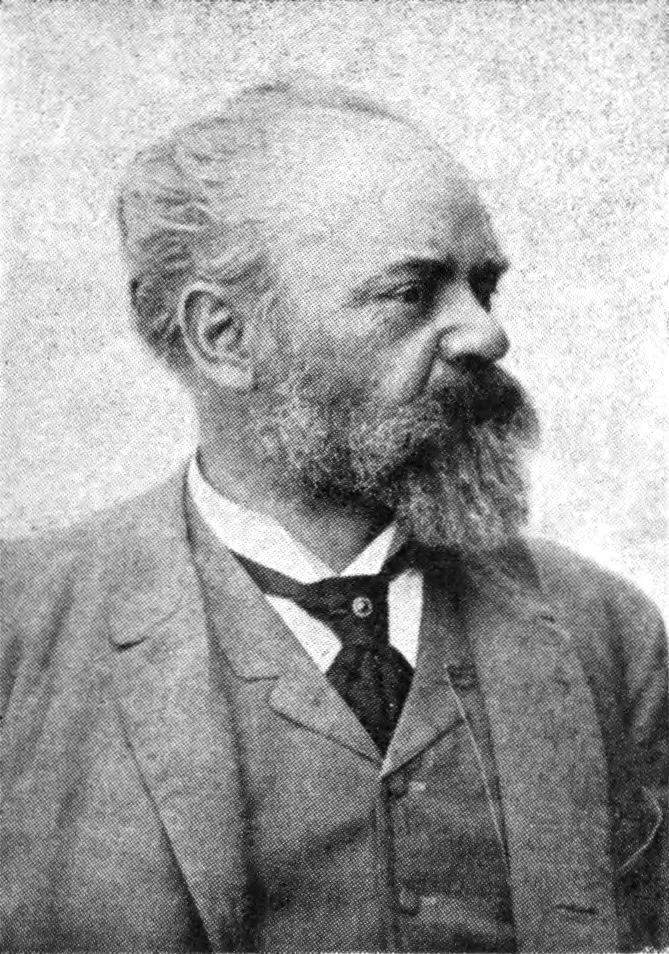
Cello Concerto in B minor
Antonín Dvořák · 1894–1895
 Document
Primary source
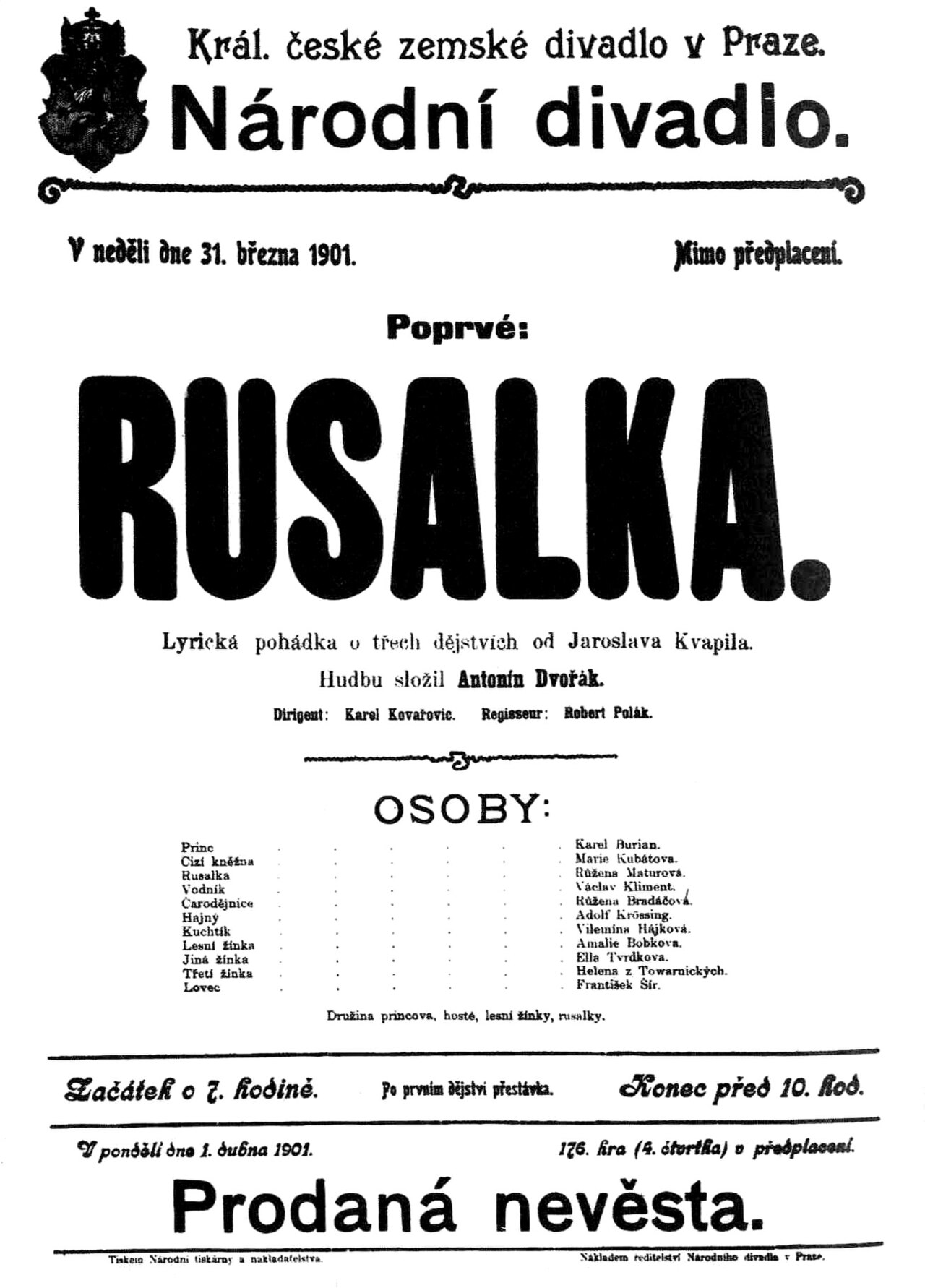
Rusalka
Antonín Dvořák · 1900–1901
Free account
Read every Antonín Dvořák source
Sign up free →
Ready when you are
Start chatting with Antonín Dvořák now.
20 messages free · No credit card · Available in 50+ languages.