


Primary sourceArtifactfounded 1415
Syon Abbey
founded 1415
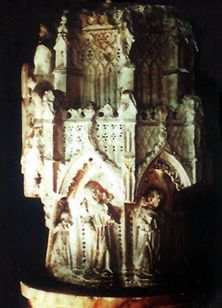
A Bridgettine monastery founded by Henry V in 1415 as part of his 'King's Great Work', expressing his personal piety and dynastic ambitions.
Henry founded this monastery himself in 1415, an act of piety that also helped legitimise his dynasty.
About this source
What it is
Syon Abbey was a dual monastery of monks and nuns of the Bridgettine Order, founded in 1415 and standing until its demolition in the 16th century near the site of present-day Syon House, London. It was part of a larger building scheme called the "King's Great Work" centred on Sheen Palace.
Why it matters
King Henry V founded Syon as part of fulfilling a vow made by his father, Henry IV, and as a way to link the Lancastrian dynasty to the legitimacy of the earlier Plantagenet kings. It shows how Henry used religious patronage to strengthen his family's claim to the throne and express his own devout faith. At the time of its dissolution, it was the wealthiest religious house in England and kept a substantial library.
Look closer
- Why might a king build monasteries to support his political position?
- What does the surviving carved stone fragment suggest about the abbey's original appearance?
- What does the abbey's later history tell us about how royal foundations could be undone by later rulers?
This artifact is part of the curated material that grounds the AI version of Henry V on Humy.ai — when students ask about related events, the AI can quote it and cite it.
More Henry V sources
Browse all 91 →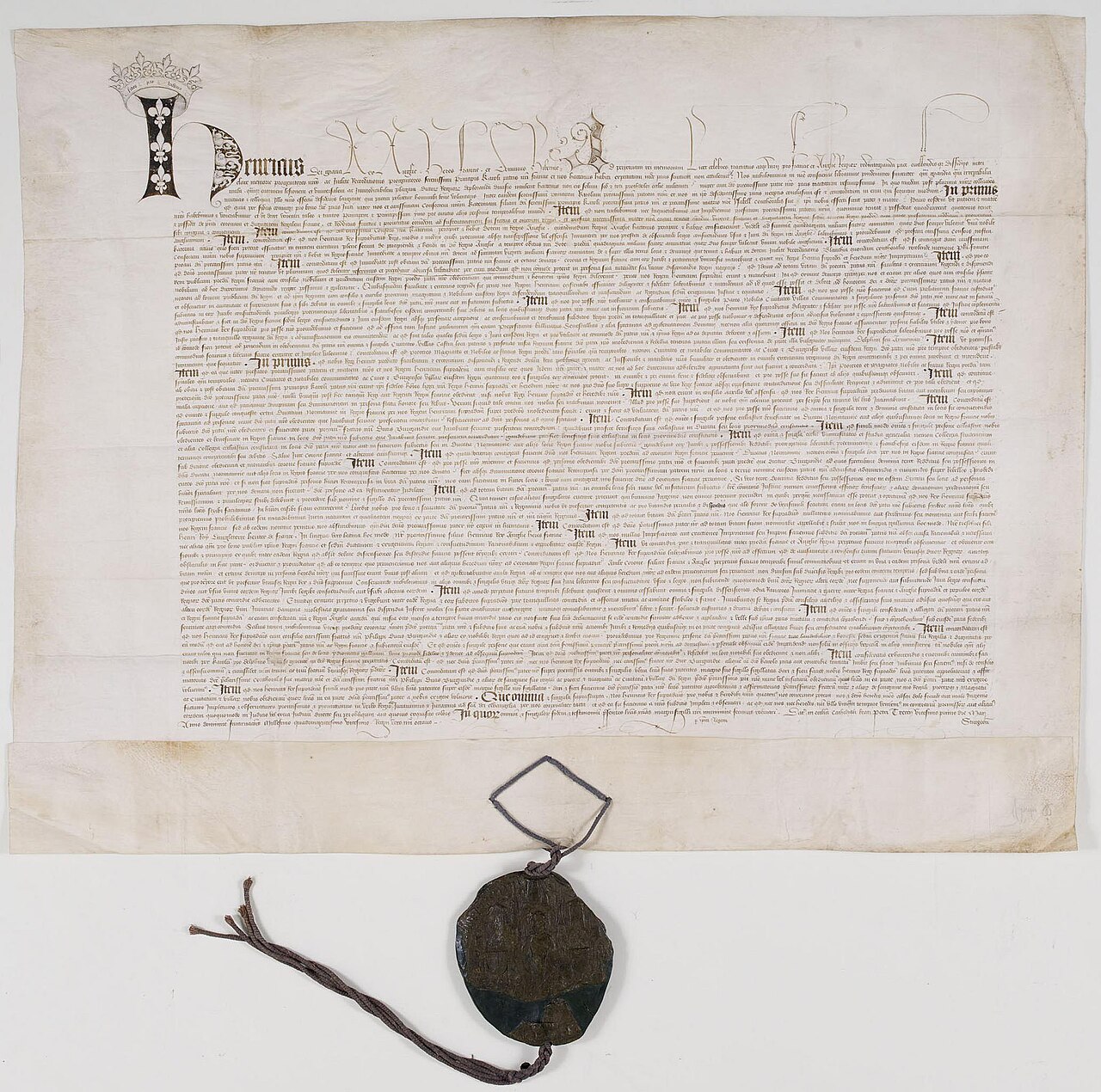 Document
Primary source
Treaty of Troyes
21 May 1420
 Painting
Primary source
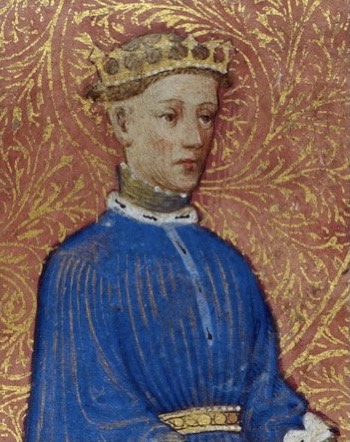
Henry V of England miniature
Unknown · 1411/1412
 Painting
Secondary source
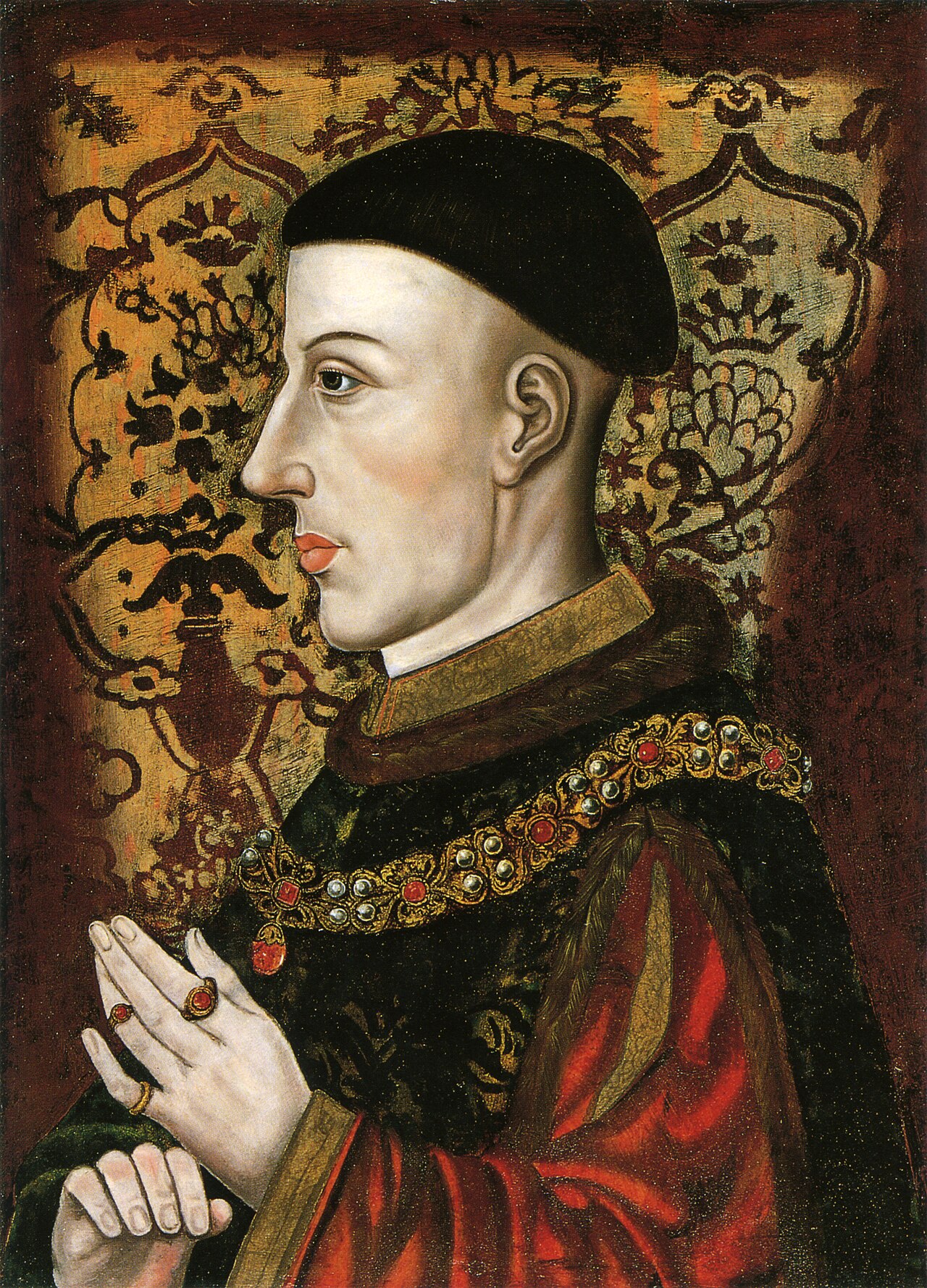
King Henry V
Unknown · late 16th or early 17th century
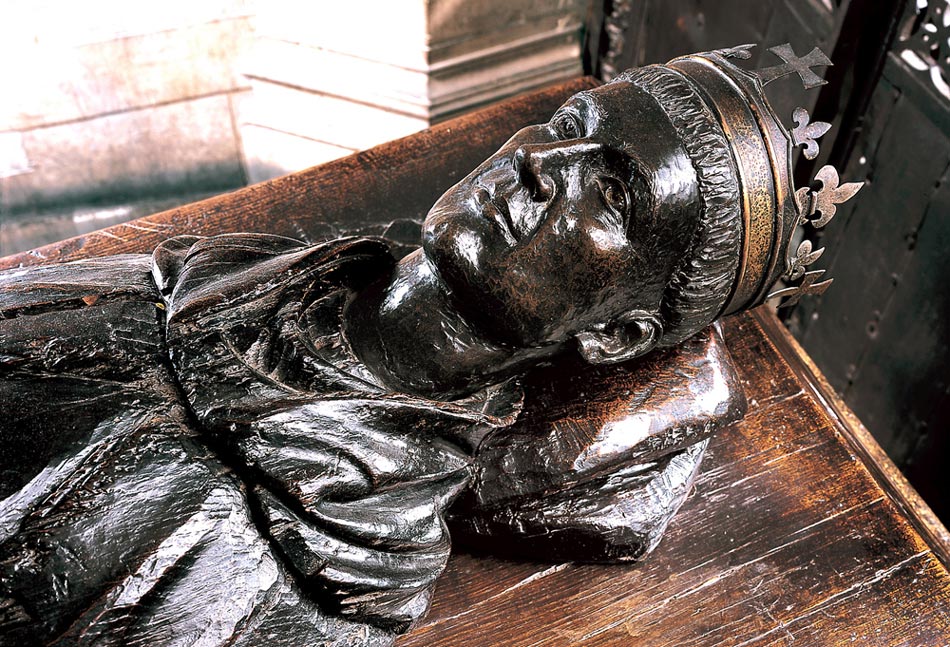 Sculpture
Secondary source
Tomb of Henry V of England
Free account
Read every Henry V source
Sign up free →
Ready when you are
Start chatting with Henry V now.
20 messages free · No credit card · Available in 50+ languages.